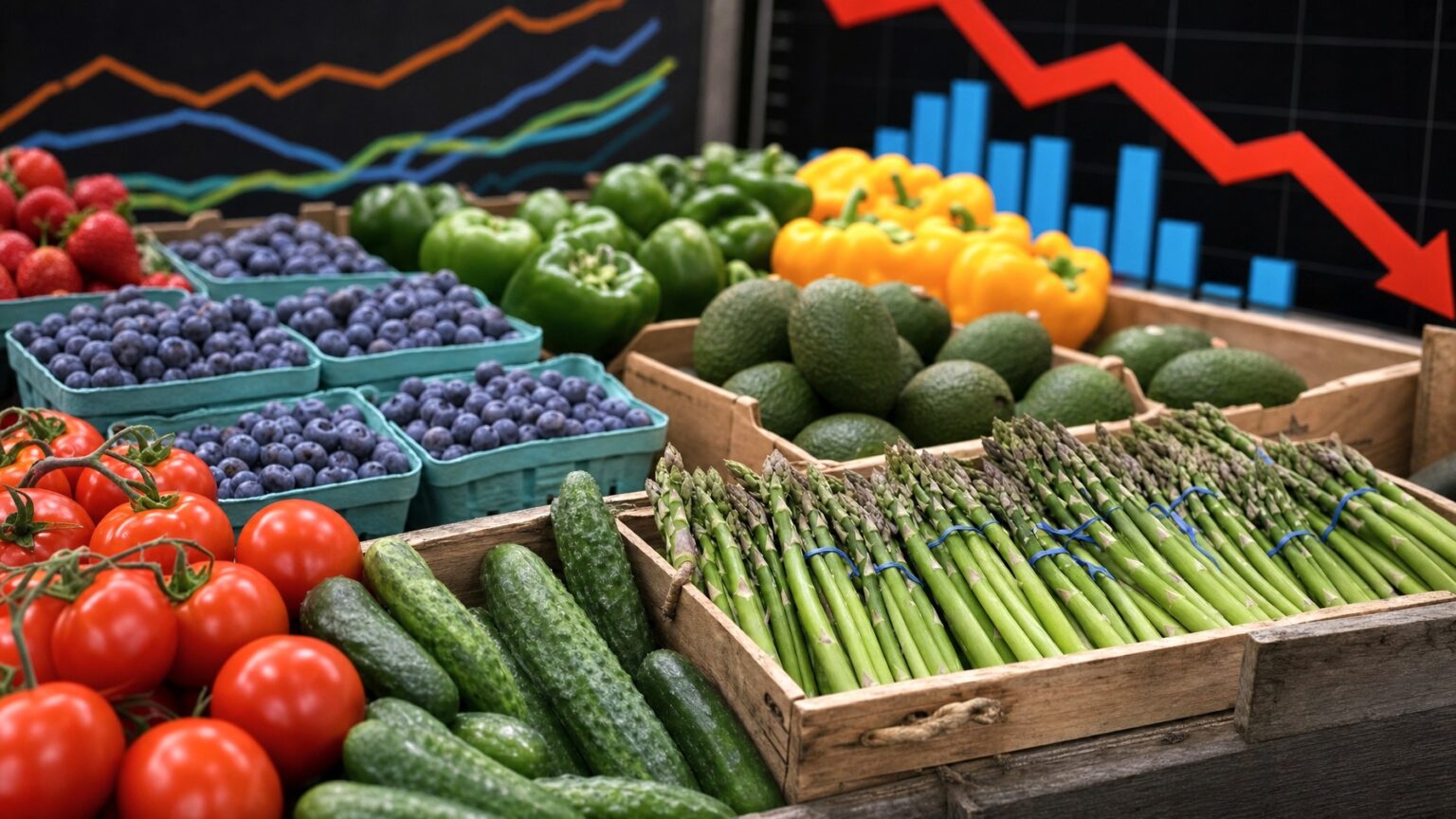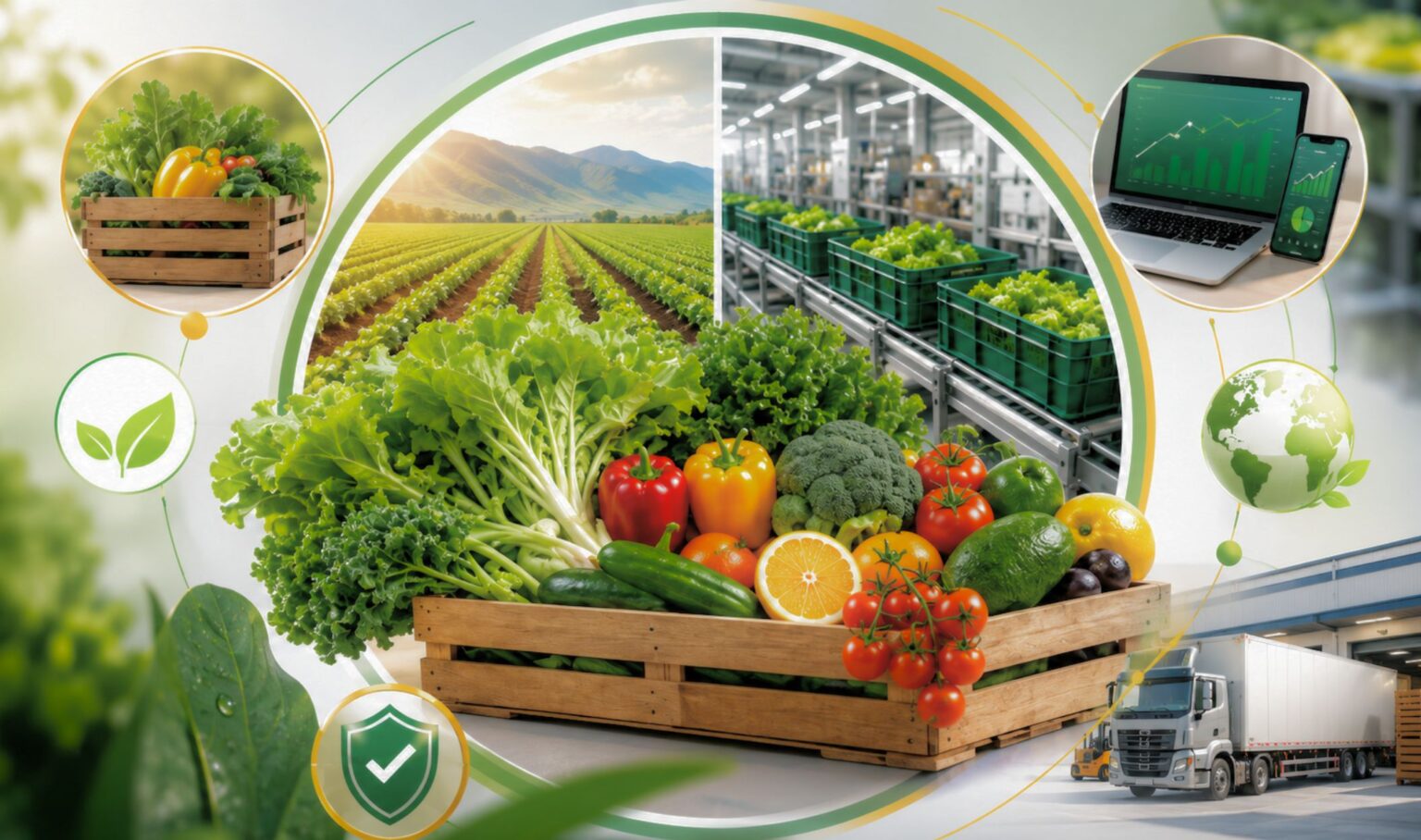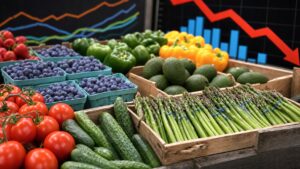

Weight loss drugs are significantly influencing produce consumption trends, as they reshape the food industry landscape.
These drugs, known as GLP-1s and marketed under brand names such as Ozempic and Wegovy, are driving notable shifts in dietary habits.
Individuals using these medications report eating fewer snacks and calorie-rich foods, while increasing their intake of fruits and vegetables.
Such changes are becoming widespread, with an estimated 1.5 million people in the UK, or four percent of adults, currently on these treatments.

This trend is prompting what some experts describe as a ‘firebreak’ in the cycle of junk food consumption, offering a potential solution to the obesity and diet-related health crises.
In the United States, where the adoption of these drugs is more advanced, snack companies are already experiencing a decline in sales.
As patents on these medications expire and prices decrease, their impact on the food industry could become even more pronounced.
This shift could alleviate the pressure on land used for intensive food production, particularly for crops intended for processed foods, as demand for such products declines.
Government initiatives might seize this opportunity to promote healthier diets in conjunction with the rollout of these drugs.
Such a strategy could help counteract one of the main drawbacks of these medications: the tendency for individuals to regain lost weight within 12-24 months after treatment ends.
Meanwhile, major food manufacturers are poised to benefit, developing new product lines aimed at weight loss treatment users.
These products are often fortified with fiber and protein and are designed around minimal portion sizes.
The NHS is preparing to use these drugs to target specific outcomes related to diet-related health issues and obesity.
Over 100 clinical trials are currently underway, exploring the potential impact of these drugs on neurodegenerative diseases like Parkinson’s.
This moment represents a tipping point in food consumption trends, potentially as significant as the mainstream adoption of processed foods.
The implications for healthy diets are immense, offering potential benefits for fruit and vegetable suppliers supporting these diets.
Marketers, policymakers, and retailers should pay close attention to these evolving trends, as they hold the promise of reshaping the food industry in profound ways.