The US produce advertising sector has experienced a notable decline this week, marking a significant shift in the landscape of how fresh produce is promoted to consumers.
Despite the warming temperatures across the country, which typically encourage shoppers to seek out fresh and healthy options, the total number of advertisements fell by 10% from the previous week.
This decrease is even more pronounced when compared to the same period last year, which saw a 14% higher ad count, underscoring a trend that could impact both retailers and consumers alike.
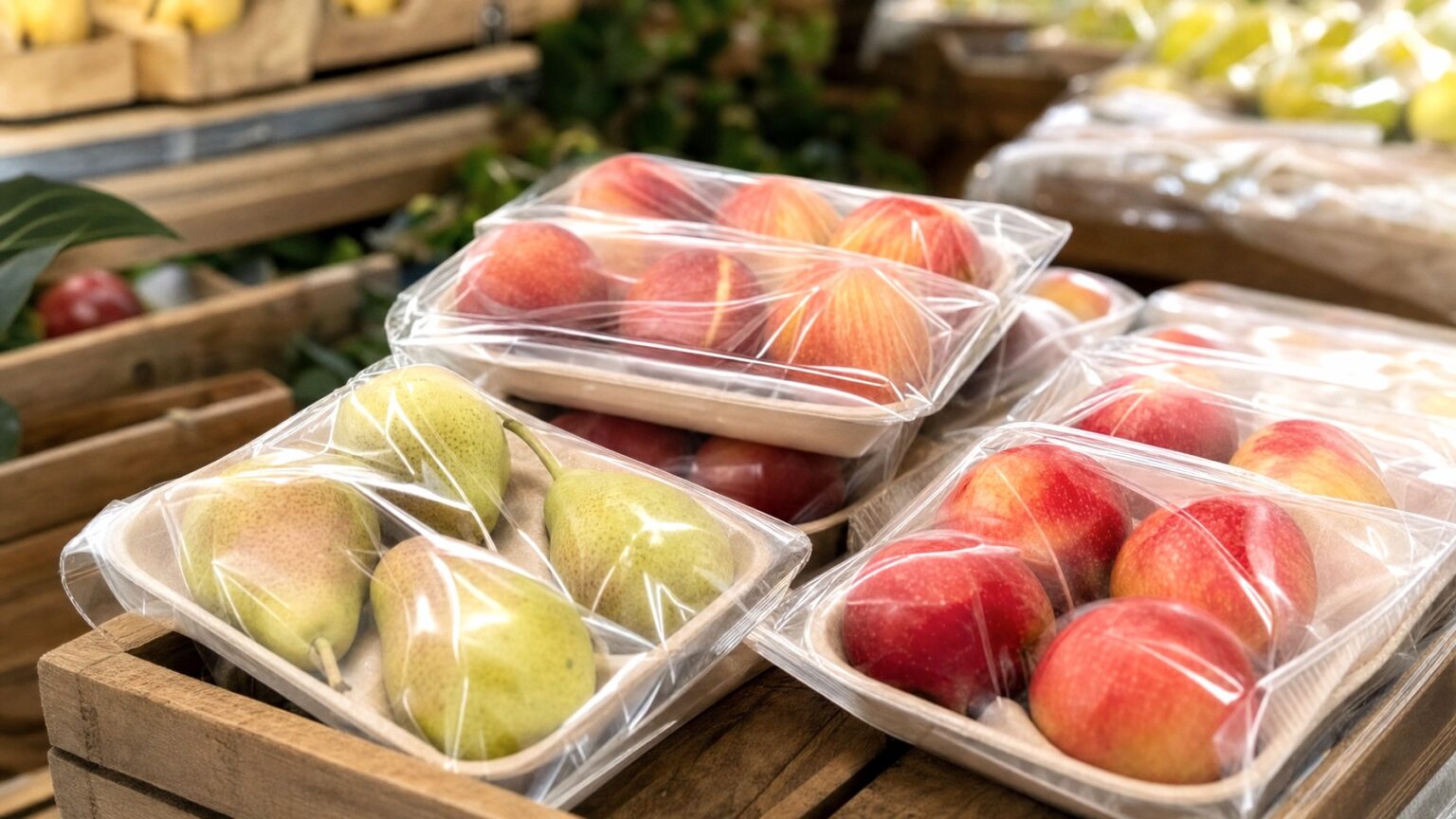
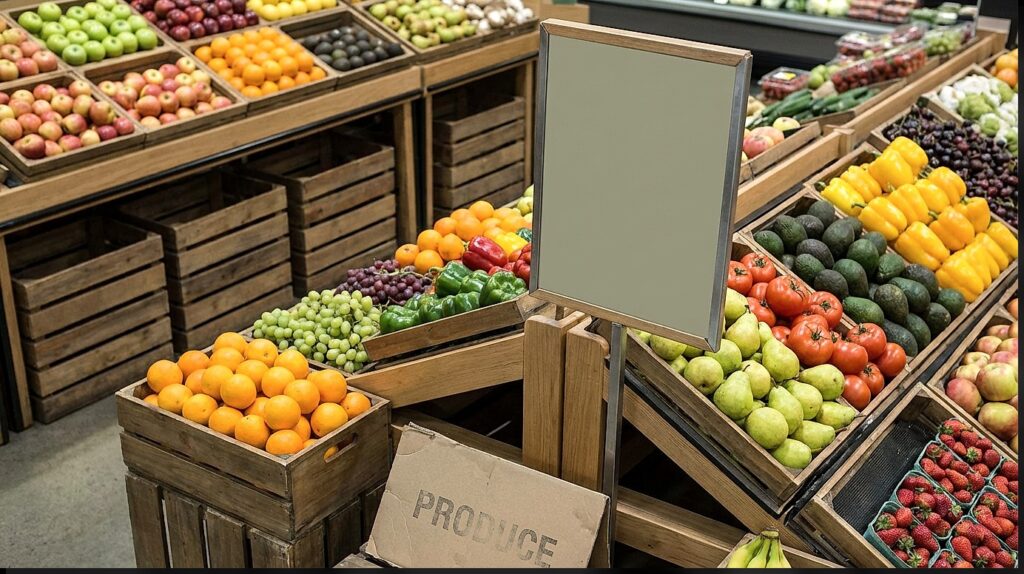
In terms of specific produce, there was a strong emphasis on apples and pears, as supplies remain abundant.
Meanwhile, imported stone fruit is exiting the market, making room for other seasonal favorites.
- US produce advertising fell by 10% compared to last week.
- Advertisements decreased by 14% compared to the same period last year.
- Focus on apples, pears, and citrus fruits in current promotions.
- Less ad presence for asparagus due to limited availability.
- Retailers must adapt strategies amid declining advertising trends.
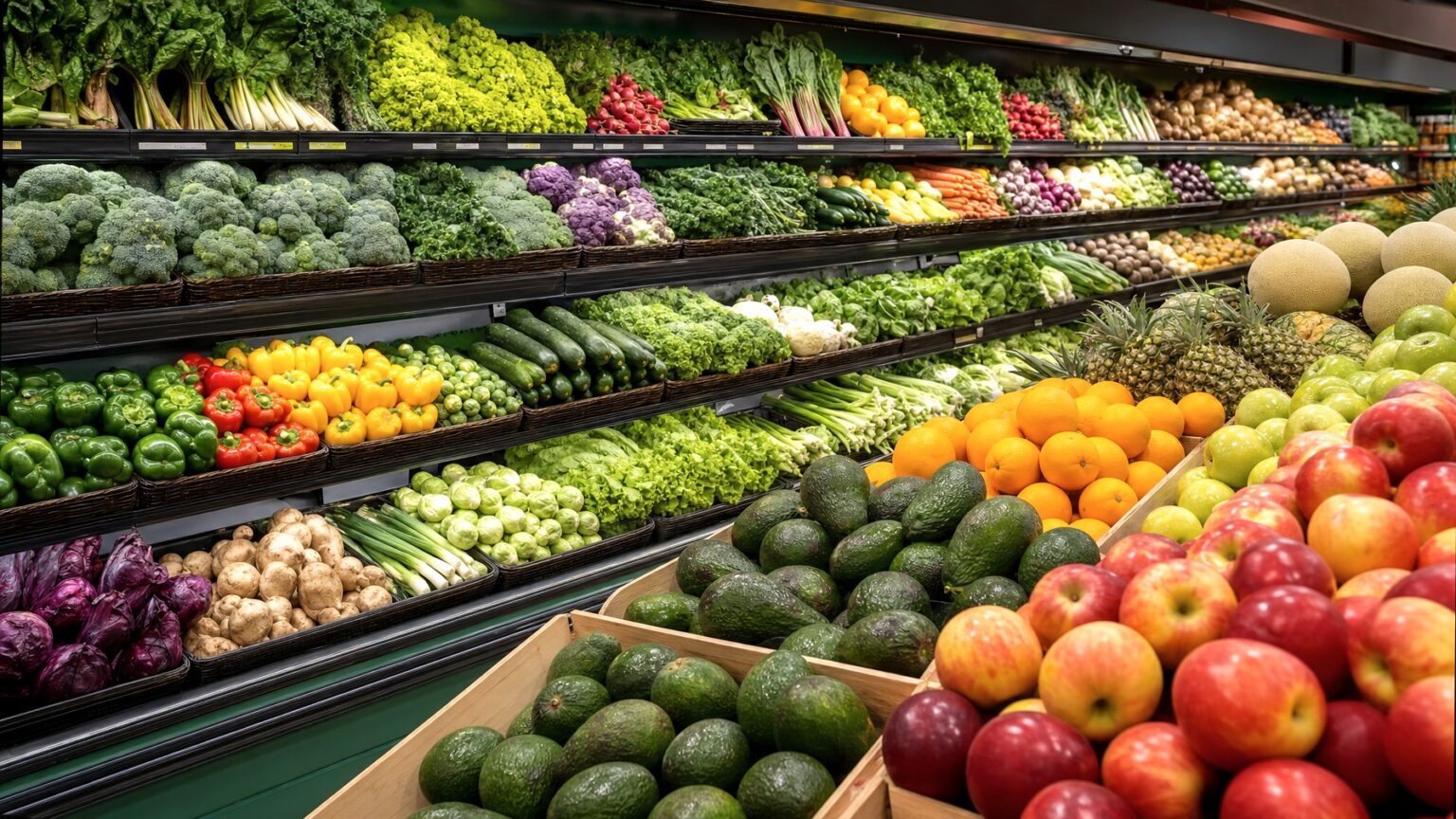
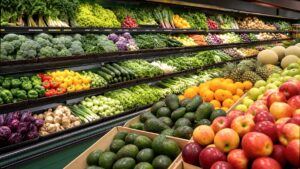
Grapes, avocados, and berries were prominently featured, alongside various citrus fruits such as dekopon, tangelos, lemons, and limes.
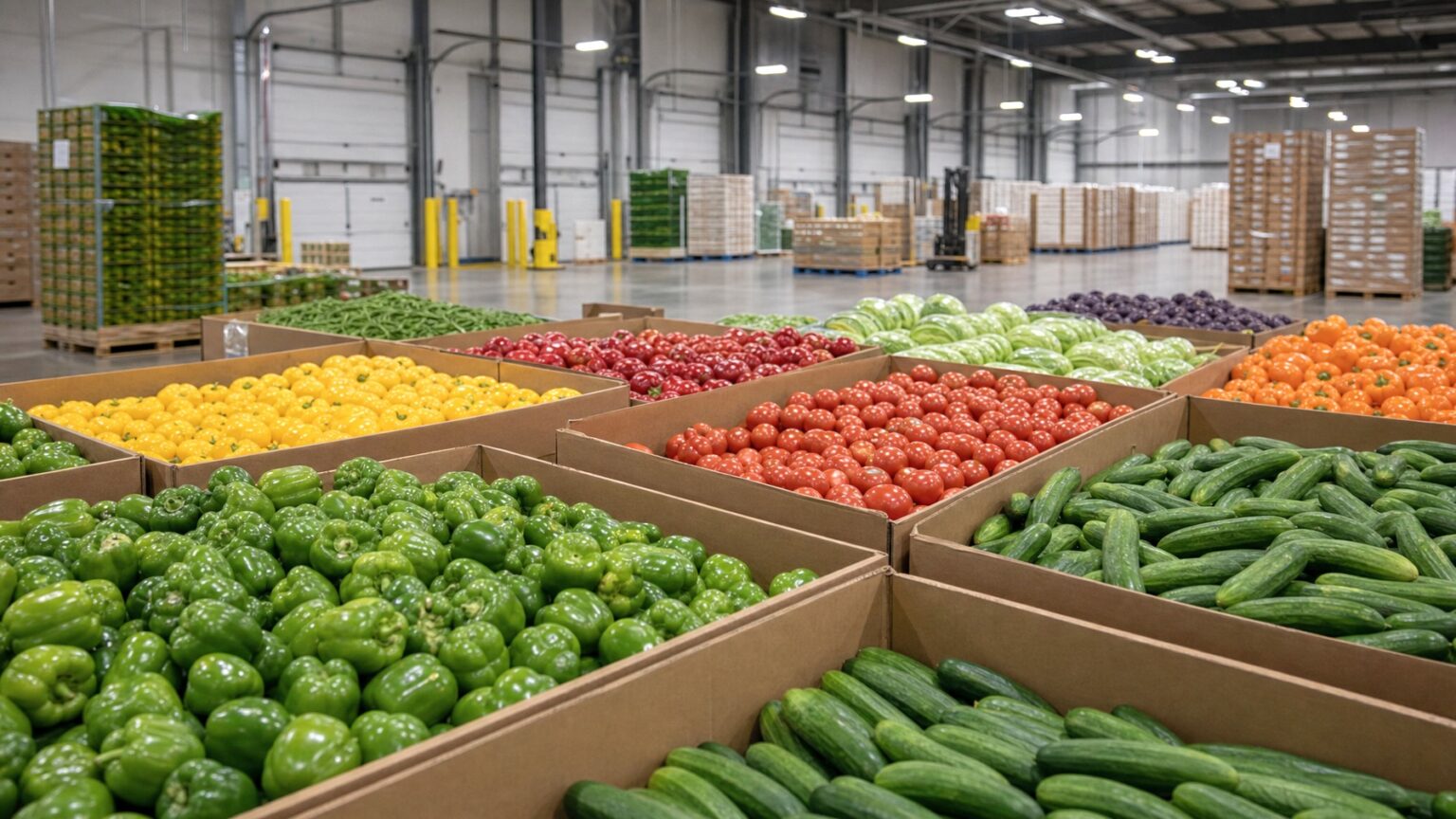
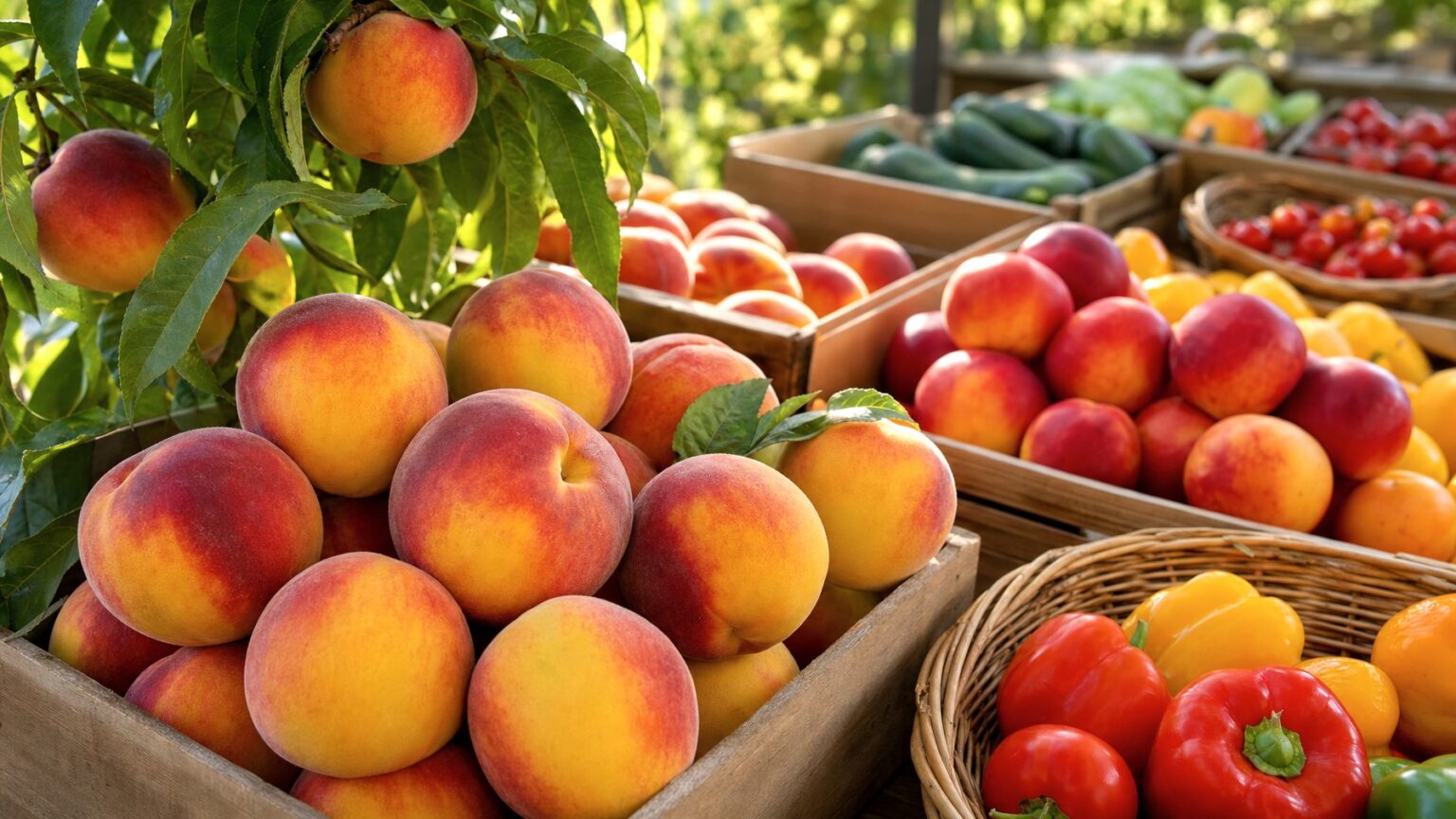
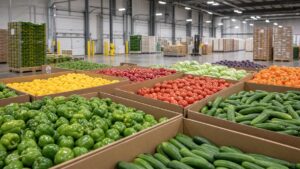
However, advertisements for asparagus were less frequent due to limited availability, while colored bell peppers, cucumbers, and tomatoes took center stage in many promotional flyers.
This shift in focus reflects the dynamic nature of the produce market and the need for retailers to adapt to changing supply conditions.
Organic produce continues to hold a significant share of the market, accounting for 12% of the total advertisements, with 31,998 ads dedicated to organic options.
This indicates a steady consumer interest in organic products, despite the overall decline in advertising.
Price fluctuations were also observed, with fruit prices showing increases for items such as lemons and Granny Smith apples, while Bosc pears and tangerines experienced notable price decreases.
In contrast, vegetables like on-the-vine tomatoes and long seedless cucumbers saw price hikes, highlighting the complex interplay between supply, demand, and consumer preferences.
The decline in produce advertising could have implications for consumer buying behavior and retail strategies.
With fewer ads circulating, consumers may have less exposure to promotional deals, potentially affecting their purchasing decisions.
Retailers may need to explore alternative strategies to engage and attract customers in the absence of traditional advertising methods.
As the industry navigates these changes, the focus will likely remain on adapting to both consumer demand and supply chain fluctuations to ensure a steady flow of fresh produce to market.