The United Arab Emirates has decided to implement stricter controls on specific imports of fresh produce from Egypt, a move that has significant implications for the Egyptian export market.
The decision, communicated by the Egyptian Export Authority Council on January 8th, urges Egyptian exporters to comply with the UAE’s standards for maximum residue limits (MRLs) to preserve the reputation of their produce in this important market.
This heightened scrutiny comes in response to a rise in notifications concerning Egyptian products on the European market via the RASSF system.
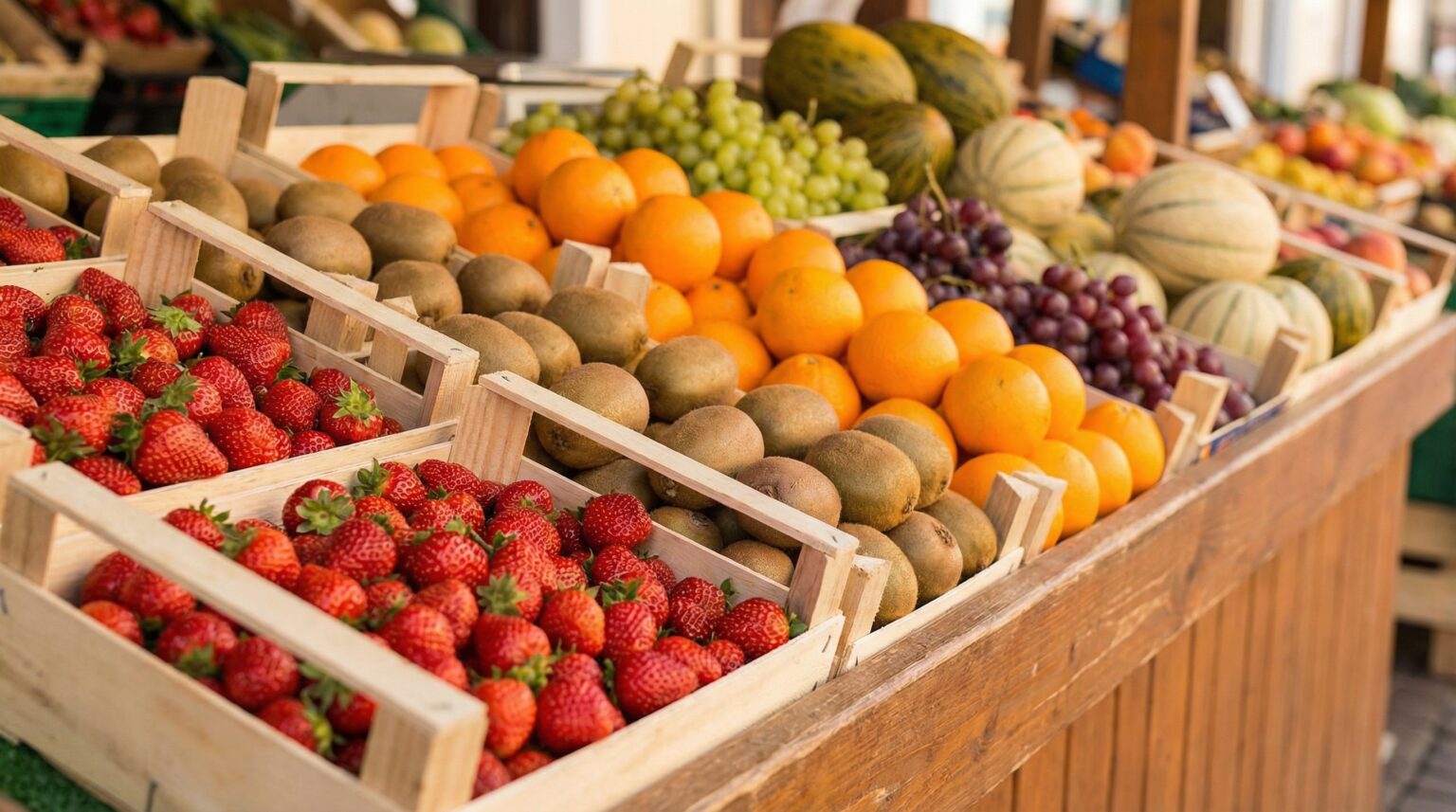
The UAE’s decision targets four key products: oranges, guavas, grapes, and lemons.
Abdelrehim Khaled, Chief Commercial Officer of Cross Borders Commerce, emphasizes that this decision reflects the UAE’s broader commitment to ensuring all imported fresh produce complies with international MRL standards, such as Codex and EU regulations.
- UAE implements stricter controls on Egyptian fresh produce imports.
- Focus on compliance with maximum residue limits (MRLs).
- Impacts key products: oranges, guavas, grapes, and lemons.
- Decision reflects UAE’s commitment to international MRL standards.
- Collaboration and compliance essential for Egyptian exporters’ market access.
While this measure impacts Egyptian exporters, it is part of a wider initiative affecting other countries exporting to the UAE, including Jordan, Lebanon, and Turkey.
Despite the increased sampling intensity, Khaled assures that the UAE’s decision does not imply a loss of confidence in Egyptian produce.
He highlights that trade between Egypt and the UAE will continue to grow despite these regulatory adjustments.
Recent months have seen an increase in RASFF notifications related to Egyptian produce in Europe, primarily due to pesticide residues exceeding EU MRLs.
Between October and December, there were 27 notifications specific to Egyptian products.
Khaled notes that this trend is part of a global movement towards stricter food safety enforcement, affecting multiple exporting countries.
The implications for the European market are significant, as importers are highly risk-averse, and repeated notifications can lead to heightened inspection rates and delayed shipments.
Egyptian exporters are encouraged to prioritize compliance, traceability, and quality assurance to maintain uninterrupted access to both UAE and European markets.
Industry experts stress the importance of robust quality systems and traceability in preserving the reputation of Egyptian produce.
Khaled calls on Egyptian exporters to implement rigorous laboratory testing to confirm MRL compliance, adopt Good Agricultural Practices (GAP), and engage in continuous training for farmers and packers to manage pesticide use effectively.
Close collaboration with regulators and proactive communication with buyers are essential to anticipate any regulatory changes and avoid disruptions.
At the end of the day, these enhanced controls are a challenge only for those exporters who fail to adequately monitor their pesticide use and meet MRL requirements.
Egyptian producers and exporters who invest in quality and compliance will continue to enjoy smooth market access, ensuring the long-term sustainability of the country’s fresh produce exports.