The latest Pesticide Data Program Annual Summary from the USDA reveals a high level of compliance in pesticide residues across the United States’ produce supply.
In the 2024 calendar year, over 99 percent of samples tested showed residue levels below the safe and acceptable limits set by the Environmental Protection Agency (EPA).
A notable 42.3 percent of these samples had no detectable residues at all, showcasing the effectiveness of regulatory monitoring systems.
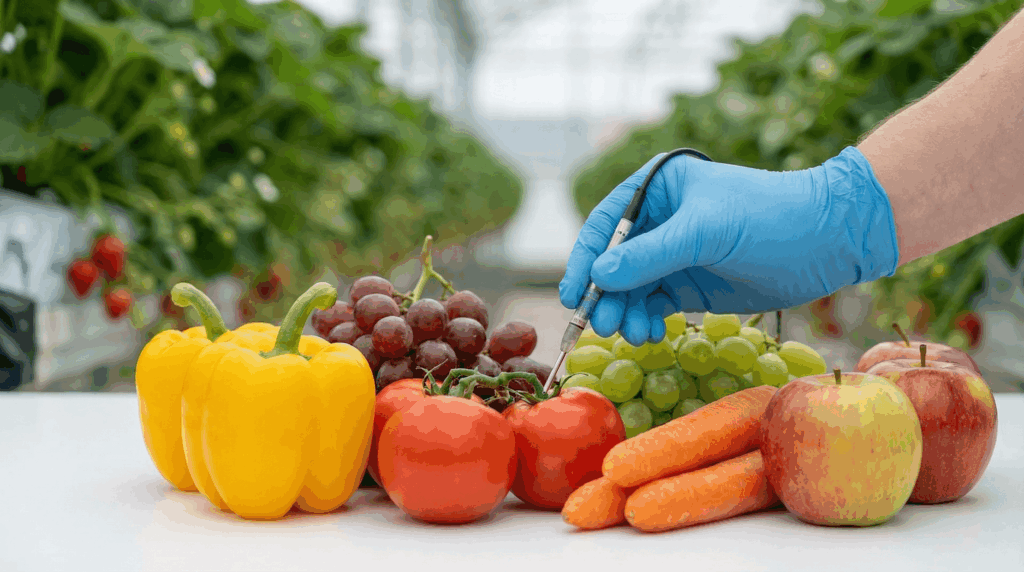
The USDA’s extensive testing covered 9,872 samples of both fresh and processed produce, including fruits, nuts, and vegetables.
Residue levels above federal tolerance standards were identified in only 0.77 percent of samples, equating to just 76 samples in total.
- Over 99% of produce samples met EPA pesticide residue limits.
- 42.3% of tested samples showed no detectable pesticide residues.
- 0.77% of samples exceeded federal tolerance standards.
- 82.9% of contaminated samples were from imported produce.
- California’s 2023 study supports findings of compliance in food safety.
Of the samples exceeding these limits, 82.9 percent were imported, highlighting ongoing challenges with imported produce.
Interestingly, residues with no established tolerance were found in 3.7 percent of samples, with a significant portion also linked to imports.
The findings align with a 2023 study by the California Department of Pesticide Regulation, which also reported that most food samples were within legal limits.
Only about 3 percent of tested foods contained illegal residues, with the majority of these linked to imported products.
Such consistent results underscore the importance of monitoring and enforcement in ensuring compliance across both domestic and global supply chains.
California authorities have noted that some illegal residues on imports are due to crop protection products not authorized in the United States.
These reports highlight that while residue monitoring provides insight into production standards and regulatory compliance, other factors like food handling remain critical.
Consumers are advised to wash fruits and vegetables thoroughly before consumption, as part of standard food safety practices.
For growers and producers, these findings offer valuable insights into how domestic production compares globally, emphasizing the role of ongoing testing in market access and residue management.
As the produce industry continues to evolve, such data plays a crucial role in maintaining consumer trust and ensuring food safety.