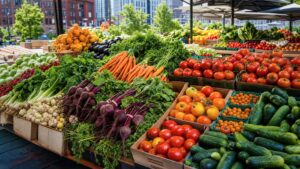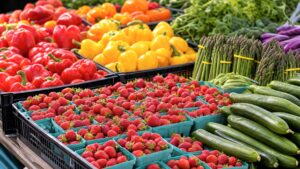
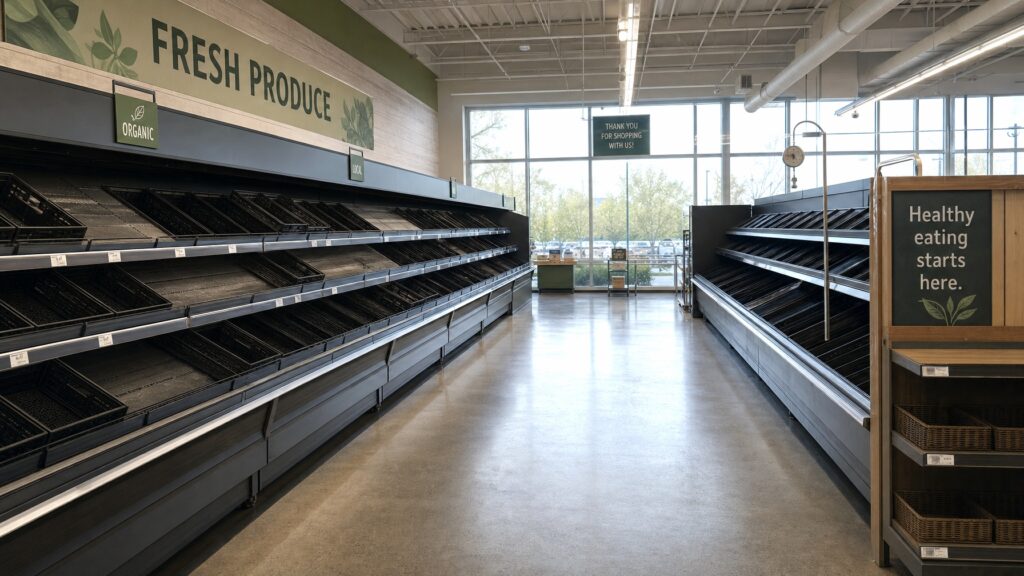
Independent grocers are navigating an increasingly treacherous landscape, beset by the dual challenges of aggressive retail expansion and shifting federal policies that threaten their very survival.
In Illinois, the reduction in Supplemental Nutrition Assistance Program (SNAP) benefits represents a critical challenge, undermining the financial stability of local grocers and limiting access to affordable fresh produce for many households.
Simultaneously, Amazon’s aggressive move into same-day grocery delivery is reshaping consumer expectations, compelling smaller retailers to rethink their strategies and adapt swiftly.
Across the Atlantic, Tesco’s Northern Ireland division provides a compelling counter-narrative by doubling its local suppliers, showcasing a model of resilience that independent grocers might consider adopting to stay competitive.
These shifts highlight the urgent need for independent grocers to innovate and adapt if they are to remain viable in a rapidly evolving market.
Independent Grocers Face Existential Threats
Independent grocers are grappling with dual pressures from federal policy changes and competitive market forces that could reshape their future.
In Illinois, the SNAP cuts could force many such grocers to close their doors permanently, a move that would deprive communities of vital access to fresh produce and exacerbate existing food deserts.
Without intervention, these closures will leave residents with fewer choices and potentially higher prices, contributing to an already challenging economic landscape for low-income families.
Large retailers, like Amazon, are expanding their footprint in the grocery sector with innovations such as same-day delivery, which attracts a customer base that values convenience and speed, further eroding the market share of smaller grocers.
- SNAP cuts threaten financial stability of local grocers
- Amazon’s same-day delivery increases competitive pressure
- Community access to fresh produce is at risk
The confluence of these factors creates a challenging environment that demands a strategic response from independent grocers, who must now explore innovative solutions to remain afloat.
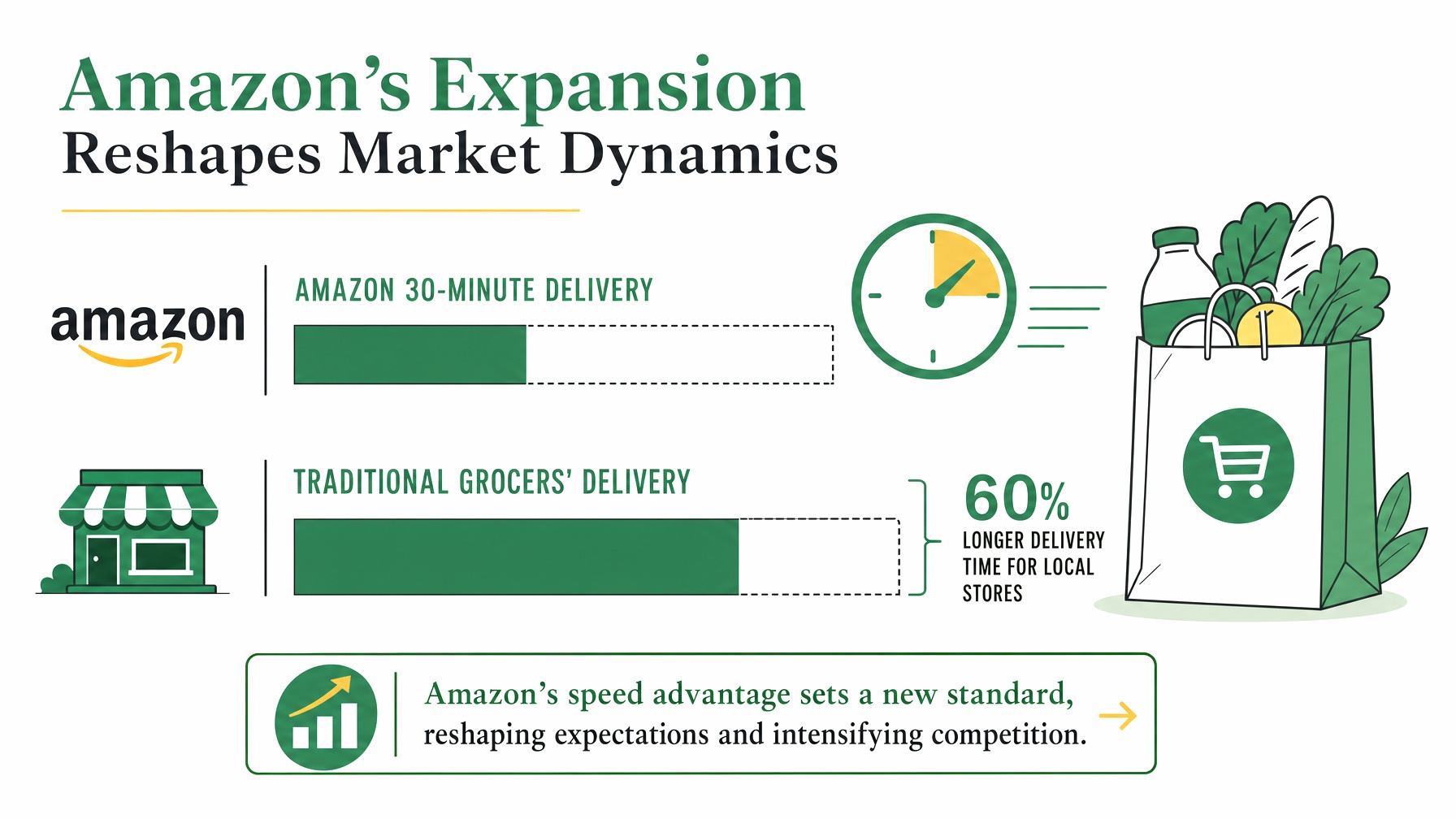
Amazon’s Expansion Reshapes Market Dynamics
Amazon continues to redefine grocery shopping, posing a significant threat to traditional independent grocers who struggle to compete with its logistical prowess.
The company’s recent launch of 30-minute grocery delivery services exemplifies its relentless pursuit of market dominance, capturing the interest of consumers who prioritize convenience over local loyalty.
This shift in consumer preference is not just a trend but a reality that local grocers must face head-on if they wish to retain their clientele.
Independent stores struggle to compete with Amazon’s logistical capacity and technological prowess, which allow it to offer a broader range of fresh produce and essentials with unmatched delivery speed.
To survive, these grocers must leverage their unique strengths, such as personalized service and community engagement, to create unique customer experiences that cannot be replicated by larger entities.
- Amazon’s logistical advantage reshapes consumer expectations
- Consumer preference for convenience creates challenges for local stores
- Independent grocers need to innovate to remain relevant
These shifts require independent grocers to refine their operations and customer offerings to maintain a competitive edge in a market increasingly dominated by tech giants.
Tesco’s Local Sourcing Strategy Offers a Blueprint
Tesco Northern Ireland’s decision to double its local suppliers highlights a strategic shift towards supporting local agriculture, offering a potential blueprint for independent grocers.
This approach not only strengthens local economies but also builds resilience against market fluctuations, a critical consideration in today’s volatile global supply chain environment.
By prioritizing local produce, Tesco reduces dependence on global supply chains, which are often volatile and unpredictable, thus ensuring a more stable supply of goods.
This model can serve as a template for independent grocers aiming to differentiate themselves from larger competitors by focusing on local sourcing and sustainability.
Focusing on local suppliers can enhance product freshness and appeal to consumers’ growing interest in sustainability, which is becoming a significant factor in purchasing decisions.
Such efforts can foster community loyalty and provide a competitive edge, as consumers increasingly seek out businesses that support local economies and sustainable practices.
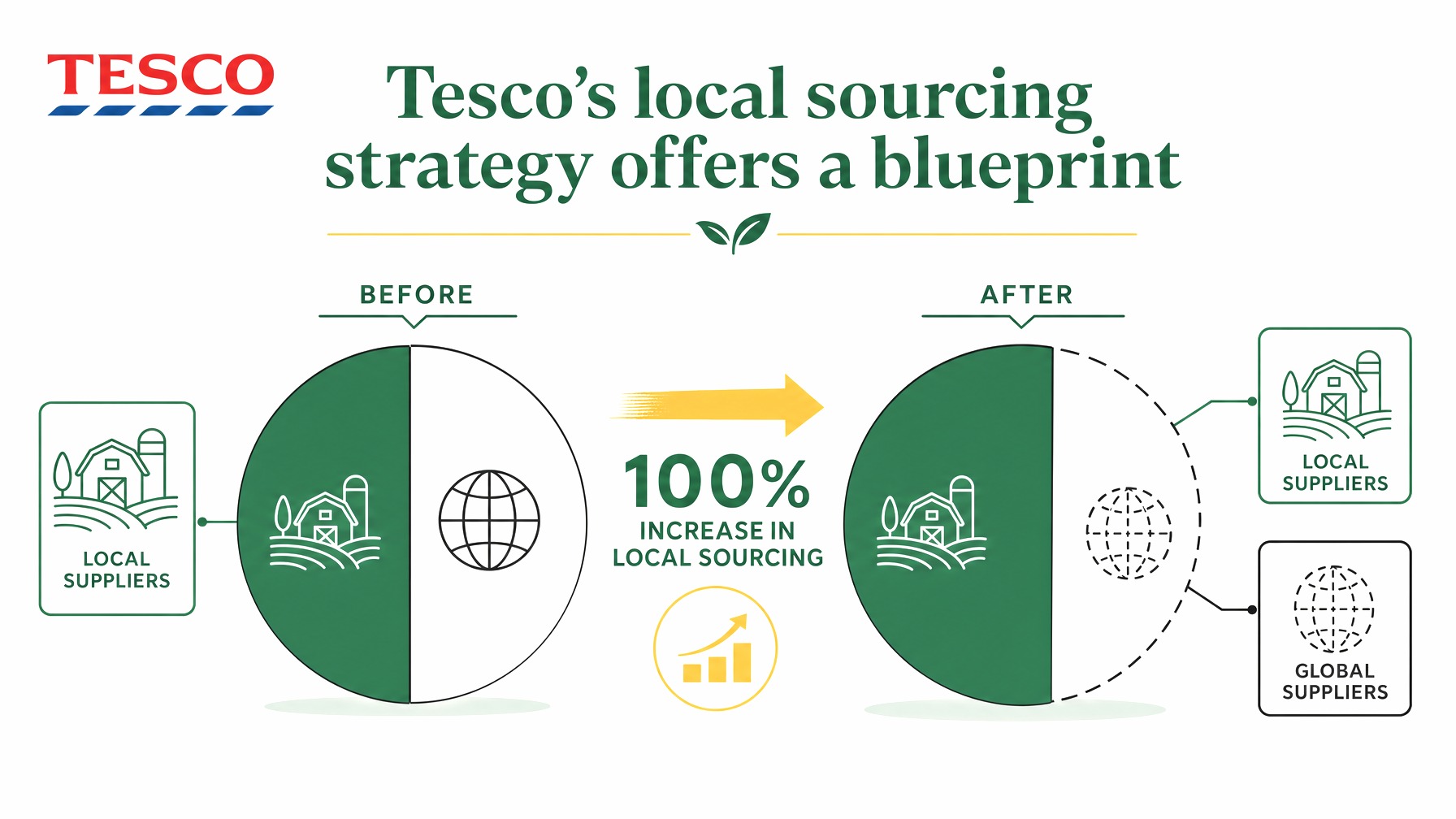
Adopting this strategy may require initial investments, but the long-term benefits in terms of customer loyalty and market differentiation are significant and offer a path to resilience.
Collaborative Partnerships Are Key for Survival
Independent grocers must consider forming partnerships to enhance their competitiveness in an increasingly challenging market environment.
Collaborative efforts can provide access to resources and expertise that are otherwise unattainable for single entities, offering a means to level the playing field against larger competitors.
For example, shared distribution networks can reduce costs and improve supply chain efficiency, a critical factor in maintaining competitive pricing.
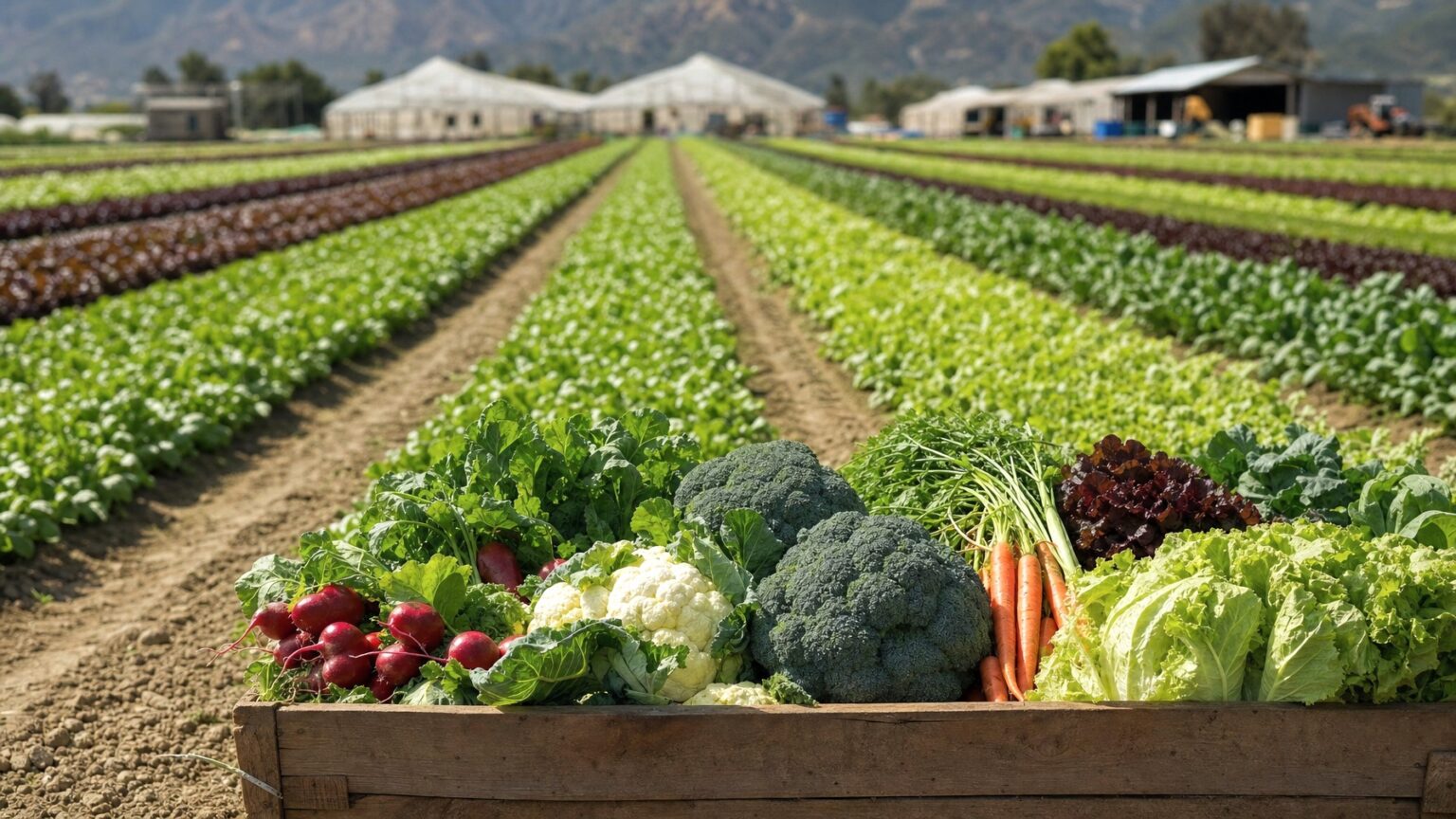
Partnering with local farms can ensure a steady supply of high-quality produce at competitive prices, enabling grocers to offer fresh, locally-sourced products that appeal to health-conscious consumers.
Such alliances can also facilitate marketing efforts, allowing grocers to reach a broader audience and increase their visibility within the community.
- Shared distribution networks enhance supply chain efficiency
- Partnerships with local farms ensure a steady supply of fresh produce
- Joint marketing initiatives increase community visibility
These collaborative strategies can help independent grocers maintain relevance in a challenging marketplace, providing a foundation for long-term success.
Consumer Engagement and Technological Adoption
Independent grocers must evolve by embracing technology and enhancing consumer engagement to remain competitive in the modern market landscape.
Digital tools can streamline operations and improve efficiency, from inventory management to customer interactions, enabling grocers to operate more effectively and cost-efficiently.
Implementing loyalty programs can encourage repeat business and foster customer retention, a crucial component of building a stable customer base.
Social media platforms provide a cost-effective means of engaging with the community, allowing grocers to promote their unique offerings and connect with consumers on a more personal level.
While tech adoption can seem daunting, it is essential for survival in the modern market landscape, offering a means to enhance customer experience and operational efficiency.
Grocers should prioritize investments in technologies that enhance customer experience and operational efficiency, building a foundation for future growth and resilience.
- Digital inventory management streamlines operations
- Loyalty and rewards programs encourage repeat business
- Social media engagement connects grocers with the community
These efforts can transform independent grocers into dynamic, future-ready businesses that are well-equipped to meet the challenges of today’s rapidly changing market environment.
Government Policy Changes Deepen the Crisis
Federal policy changes, particularly the SNAP cuts, have placed independent grocers in a precarious position, threatening their ability to serve low-income communities effectively.
In Illinois alone, these cuts could potentially affect thousands of low-income families who rely on SNAP benefits for their grocery needs, exacerbating existing health disparities by limiting access to nutritious food options.
Without these benefits, many families may turn to less nutritious food options, exacerbating health disparities and contributing to long-term public health challenges.
Independent grocers, often located in underserved areas, are disproportionately affected by these policy decisions, threatening their financial viability and the communities they serve.
This scenario underscores the importance of advocacy for policies that support both consumers and small businesses, ensuring that grocers can continue to provide essential services to their communities.
- SNAP cuts impact low-income families disproportionately
- Health disparities are likely to increase as a result
- Grocers in underserved areas face heightened challenges
To mitigate these challenges, independent grocers must engage with policymakers to advocate for supportive measures that preserve access to healthy food options and support small business stability.
Embracing Sustainability as a Competitive Edge
As consumers become increasingly concerned with sustainability, independent grocers have an opportunity to differentiate themselves by embracing environmentally friendly practices.
By reducing waste and focusing on sustainable sourcing, grocers can appeal to consumers who prioritize environmental responsibility in their purchasing decisions.
Investing in energy-efficient technologies and packaging solutions can also enhance a grocer’s appeal, aligning with broader consumer trends towards sustainability.
Reducing food waste through innovative practices, such as composting and donating surplus food, can further enhance a grocer’s reputation and community standing.
Independent grocers can leverage sustainability as a competitive edge, offering products and services that resonate with environmentally conscious consumers.
- Sustainable sourcing appeals to eco-conscious buyers
- Waste reduction enhances community reputation
- Energy-efficient investments align with consumer trends
By championing sustainability, independent grocers not only contribute to environmental conservation but also create a unique market position that attracts a dedicated customer base.
Innovation as the Path to Resilience
In the face of formidable challenges, independent grocers must innovate or risk obsolescence, as traditional models are no longer sufficient in a rapidly changing market.
Federal food aid cuts and the expansion of large retailers like Amazon present existential threats that cannot be ignored, requiring a proactive and strategic approach to remain viable.
Strategies that include local sourcing, collaborative partnerships, and technological adoption are critical for carving out a niche that large retailers struggle to replicate, providing a foundation for long-term success.
By embracing these approaches, independent grocers can carve out a niche that large retailers struggle to replicate, leveraging their community ties and personalized service to build loyal customer bases.
Innovation is not merely a survival tactic; it is a pathway to thriving in a competitive market, offering the means to adapt to changing consumer preferences and economic conditions.
Ultimately, the ability to adapt and innovate will determine which grocers can withstand these pressures and continue to serve their communities, ensuring their place in the market for years to come.