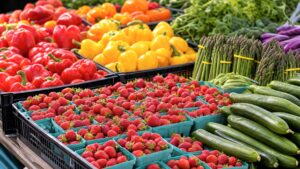
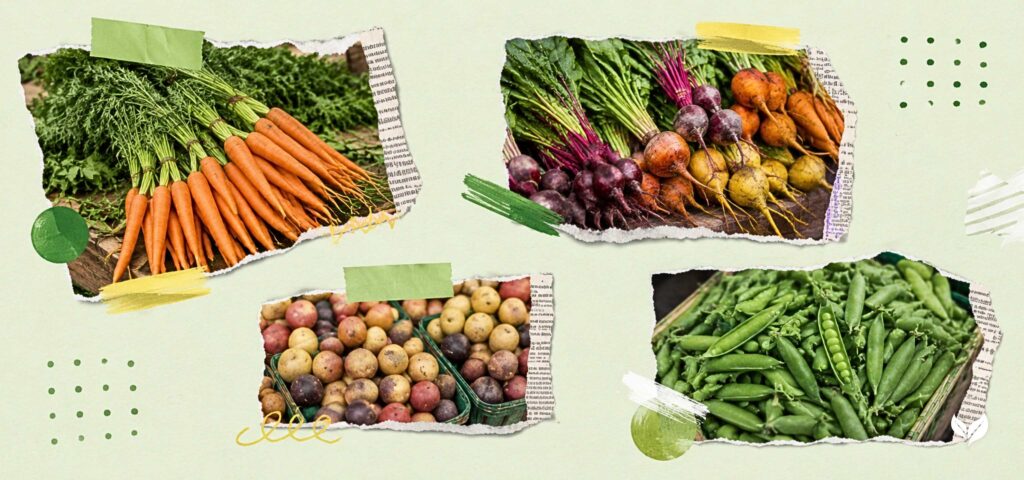
Fresh produce prices are on the rise, driven by a complex web of economic pressures impacting the global supply chain.
Consumers are beginning to feel the strain, as grocery prices climb across various categories, notably including fresh produce.
This trend is forcing many to reconsider their purchasing habits and preferences, opting for alternatives that better suit their budgets and health priorities.
Notably, Fresh Del Monte’s recent financial disclosures highlight slight declines in sales, suggesting that rising operational costs are beginning to bite.
Moreover, the latest Dirty Dozen list underscores consumer concerns about pesticide levels, pushing some towards more expensive organic options.
Economic Pressures Amplify Produce Costs
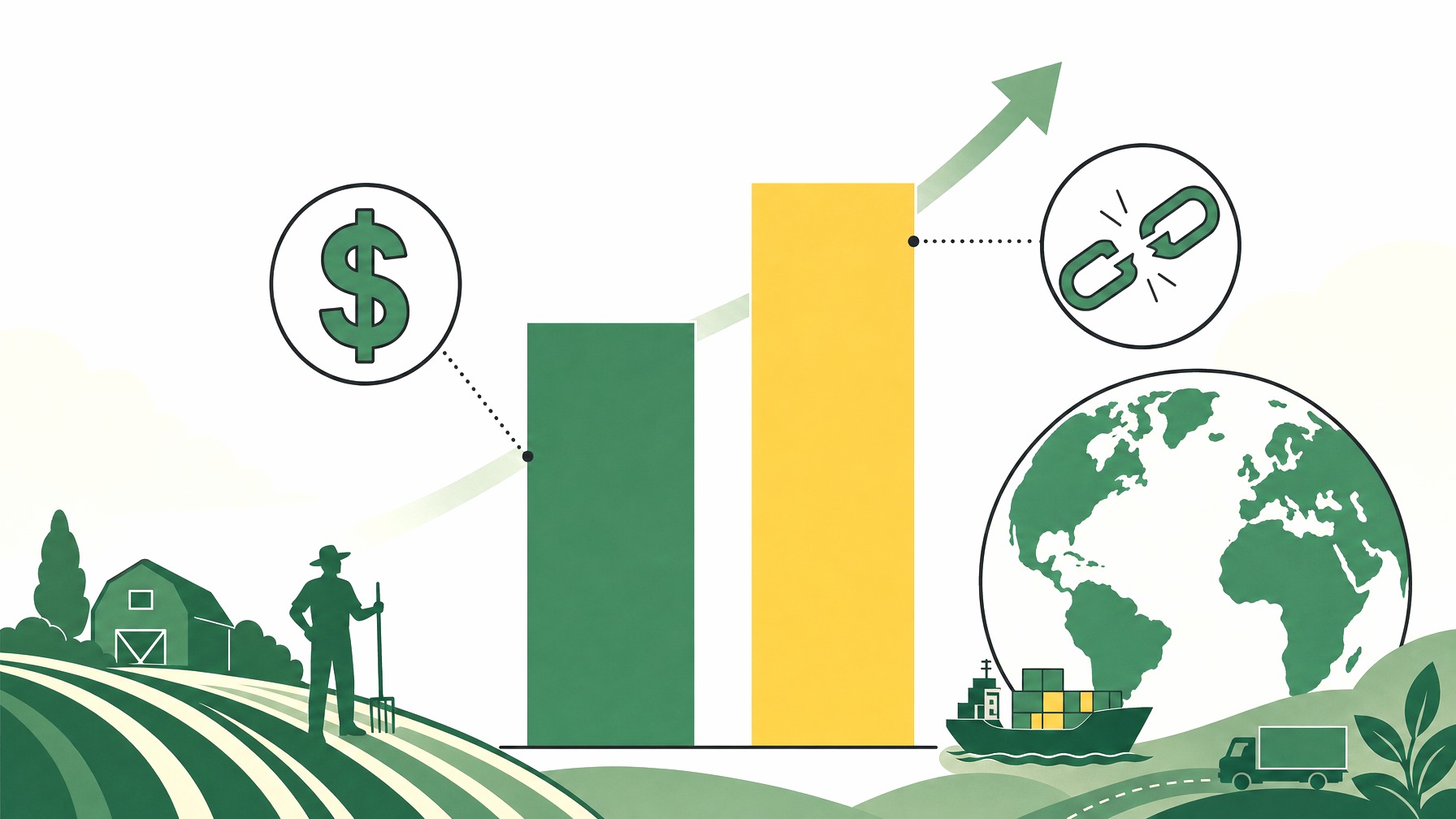
Several factors are converging to push fresh produce prices upwards, making affordability a growing concern for consumers.
Inflation is at the forefront, with the cost of living increasing steadily, impacting everything from farm inputs to retail pricing.
Additionally, supply chain disruptions, exacerbated by global events, are making it more expensive and challenging to transport fresh produce efficiently.
Fresh Del Monte’s Q1 report revealing slight declines in sales is a clear indication of these pressures, as the company navigates higher operational costs.
Labor shortages are another major factor, as the agricultural sector struggles to find and retain workers, further driving up production costs.
- Inflationary pressures across the economy
- Supply chain disruptions globally
- Labor shortages in agriculture
Together, these forces are creating a perfect storm that is reshaping the fresh produce market.
Organic Produce Becomes a Premium Choice
The release of the latest Dirty Dozen list has sparked renewed interest in organic produce, as consumers seek to avoid high pesticide residues.
This list highlights produce items with the highest pesticide levels, encouraging shoppers to consider safer, albeit more expensive, organic alternatives.
The Environmental Working Group reports that 96% of the Dirty Dozen samples tested contained pesticides, causing concern among health-conscious consumers.
As a result, retailers are capitalizing on this trend by expanding their organic offerings, which typically come with a higher price tag.
Consumers are faced with a dilemma: pay more for organic produce or risk exposure to pesticides.
This shift towards organic produce signifies a broader trend of consumers prioritizing health and safety over cost.
- Dirty Dozen list raises awareness
- Retailers expand organic offerings
- Consumers prioritize health over cost
This growing demand for organic produce is likely to continue driving prices up, further impacting consumer choices.
Farmers Markets as a Buffer to Rising Prices
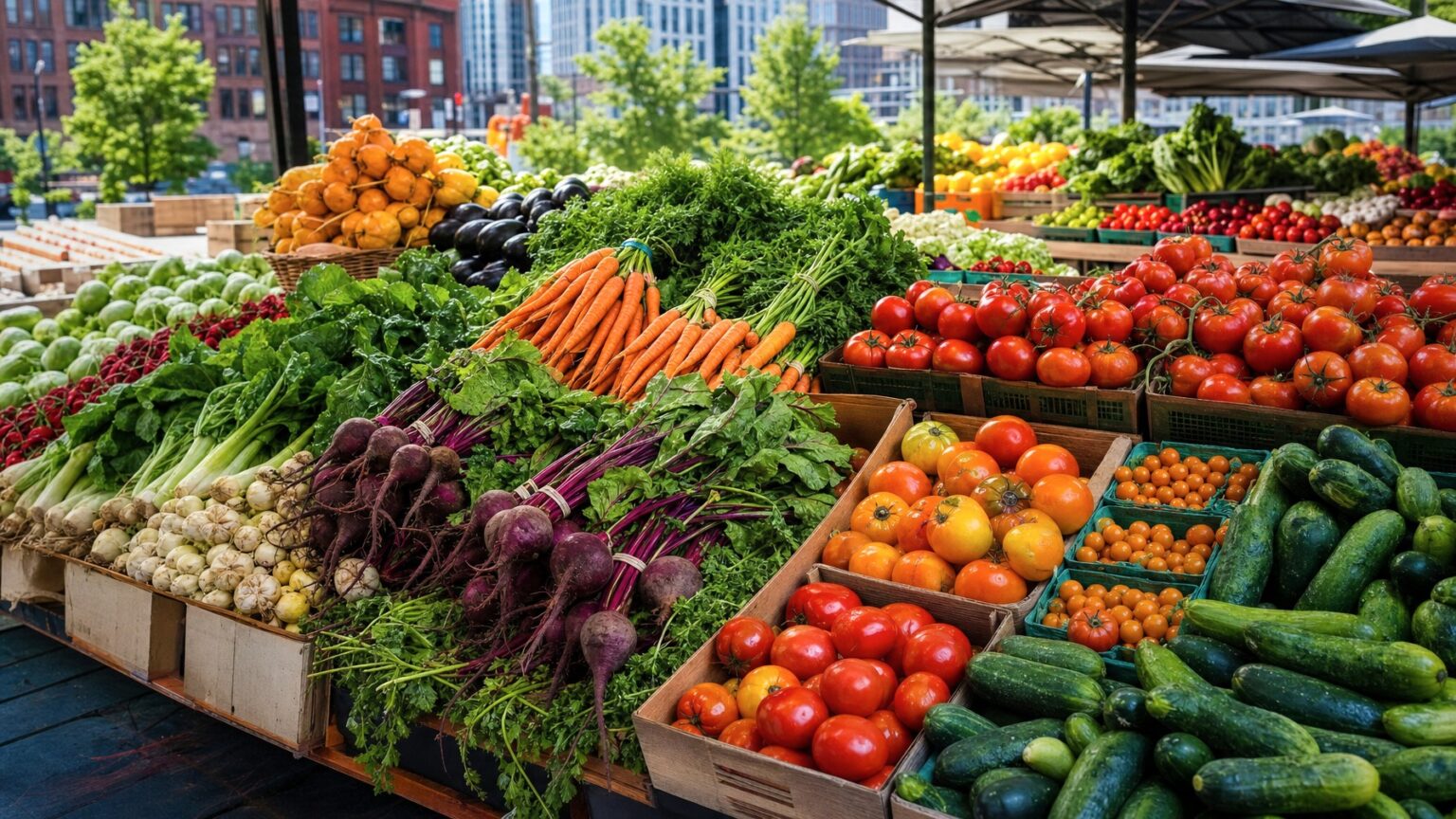
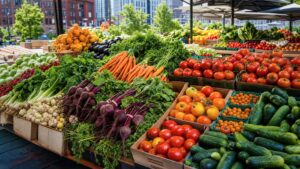
As traditional retail prices climb, farmers markets are emerging as a potential buffer for consumers seeking affordable fresh produce.
These markets offer local produce directly from growers, often at prices lower than those found in major grocery chains.
The Kansas City farmers market “passport” initiative, which promotes visits to multiple markets, highlights the increasing role of these venues in the fresh produce ecosystem.
Farmers markets also provide consumers with the opportunity to engage directly with growers, gaining insights into farming practices and sustainability.
This direct connection often results in more competitive pricing and fresher produce.
Moreover, the community aspect of farmers markets fosters a supportive environment for local economies.
- Direct-from-grower affordability
- Engagement with sustainable practices
- Community support and economic impact
By embracing farmers markets, consumers can mitigate the impact of rising prices while supporting local agriculture.
Retail Giants Adapt to Consumer Shifts
Major retailers are being forced to adapt to changing consumer preferences as fresh produce prices rise.
Companies like Fresh Del Monte are realigning their portfolios to better meet consumer demands, as seen in their recent Pittsburgh hub expansion.
This strategic move is part of a broader effort to streamline operations and focus on high-demand produce categories.
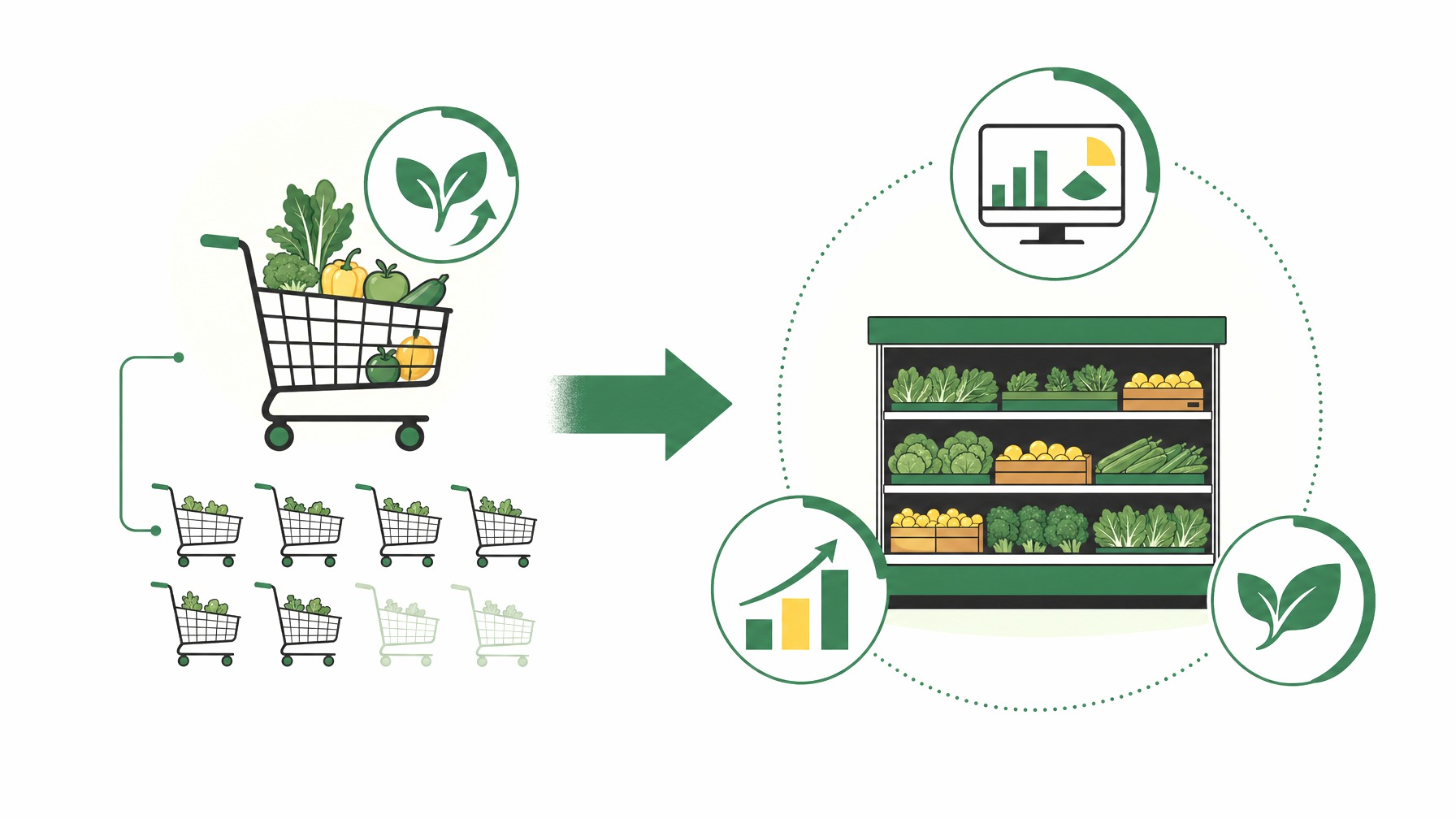
Retailers are also leveraging technology and data analytics to optimize supply chain efficiencies and reduce costs.
However, these adaptations come with their own set of challenges, including the need for significant capital investment.
As retailers work to balance cost management with consumer satisfaction, some are exploring partnerships with local producers to offer diverse product lines.
The emphasis on sustainability and transparency is becoming increasingly important as consumers prioritize ethical sourcing.
- Portfolio realignment strategies
- Technology-driven supply chain efficiencies
- Sustainability and transparency focus
This ongoing evolution in retail strategies reflects the dynamic nature of the fresh produce market.
Government Policies and Their Impact on Produce Pricing
Government policies play a crucial role in shaping the economics of fresh produce pricing, influencing both supply and demand dynamics.
Subsidies for certain crops can distort market prices, making them cheaper while leaving others more expensive.
Tariffs and trade agreements also affect prices, as seen in the recent tensions affecting agricultural exports and imports.
The renegotiation of trade deals has led to uncertainty, impacting the flow of goods and pricing structures in the produce market.
Moreover, government regulations around labor, safety, and environmental standards add layers of cost that are often passed on to consumers.
- Subsidies distort market prices
- Tariffs impact import/export dynamics
- Regulations increase production costs
These policies underscore the need for comprehensive strategies that consider the entire supply chain and consumer impacts.
Technological Innovations Reshape Produce Markets
Technological advancements are increasingly influencing the fresh produce sector, offering potential solutions to some of the current market challenges.
Automation and robotics in agriculture are becoming more prevalent, helping to address labor shortages by reducing the dependency on human labor.
These technologies enhance efficiency and productivity, potentially lowering costs over the long term.
Moreover, precision agriculture, utilizing data analytics and sensor technology, is enabling farmers to optimize resource use and increase yields.
This precision approach can lead to more sustainable farming practices, ultimately benefitting both producers and consumers.
Blockchain technology is also making inroads, providing greater transparency in the supply chain by tracking produce from farm to table.
- Automation reduces labor reliance
- Precision agriculture optimizes resources
- Blockchain enhances supply chain transparency
The adoption of these technologies represents a significant shift towards a more modernized and efficient fresh produce market.
Consumer Habits Shift in Response
The rising cost of fresh produce is prompting consumers to rethink their shopping habits and preferences.
Many are turning to alternative sources, such as farmers markets and direct-to-consumer models, to find better value.
There is also a growing trend towards seasonal and locally-sourced produce, which often offers cost advantages and freshness benefits.
Consumers are increasingly using digital tools to compare prices and find deals, leveraging technology to make informed purchasing decisions.
Health considerations are playing a more significant role, with some opting to reduce consumption of certain high-cost items in favor of more affordable options.
This shift in purchasing behavior is forcing retailers to adjust their offerings, emphasizing value and variety.
As consumers become more price-conscious, the demand for transparency and ethical sourcing continues to grow.
- Increased use of digital tools
- Seasonal and local preference
- Emphasis on transparency and ethics
Ultimately, these changing habits reflect a more informed and intentional approach to fresh produce consumption.
Adapting to the New Produce Reality
The persistent rise in fresh produce prices is driving a fundamental reevaluation of consumer purchasing habits.
As the economic landscape continues to shift, consumers are being forced to adapt to new realities in the grocery aisle.
Whether through seeking out organic options or embracing local markets, these changes represent a broader trend towards more sustainable and ethical consumption.
Retailers and producers must respond to these evolving demands, balancing cost with quality and transparency.
Ultimately, the future of fresh produce consumption will be shaped by a delicate dance between affordability and consumer priorities.
As prices continue to climb, the need for innovative solutions and strategic partnerships will become increasingly critical.
In this evolving market, those who can adapt and innovate will thrive, while others may fall by the wayside.