The Cyclospora outbreak sweeping across the United States has become a significant catalyst for change in consumer behavior towards produce purchasing.
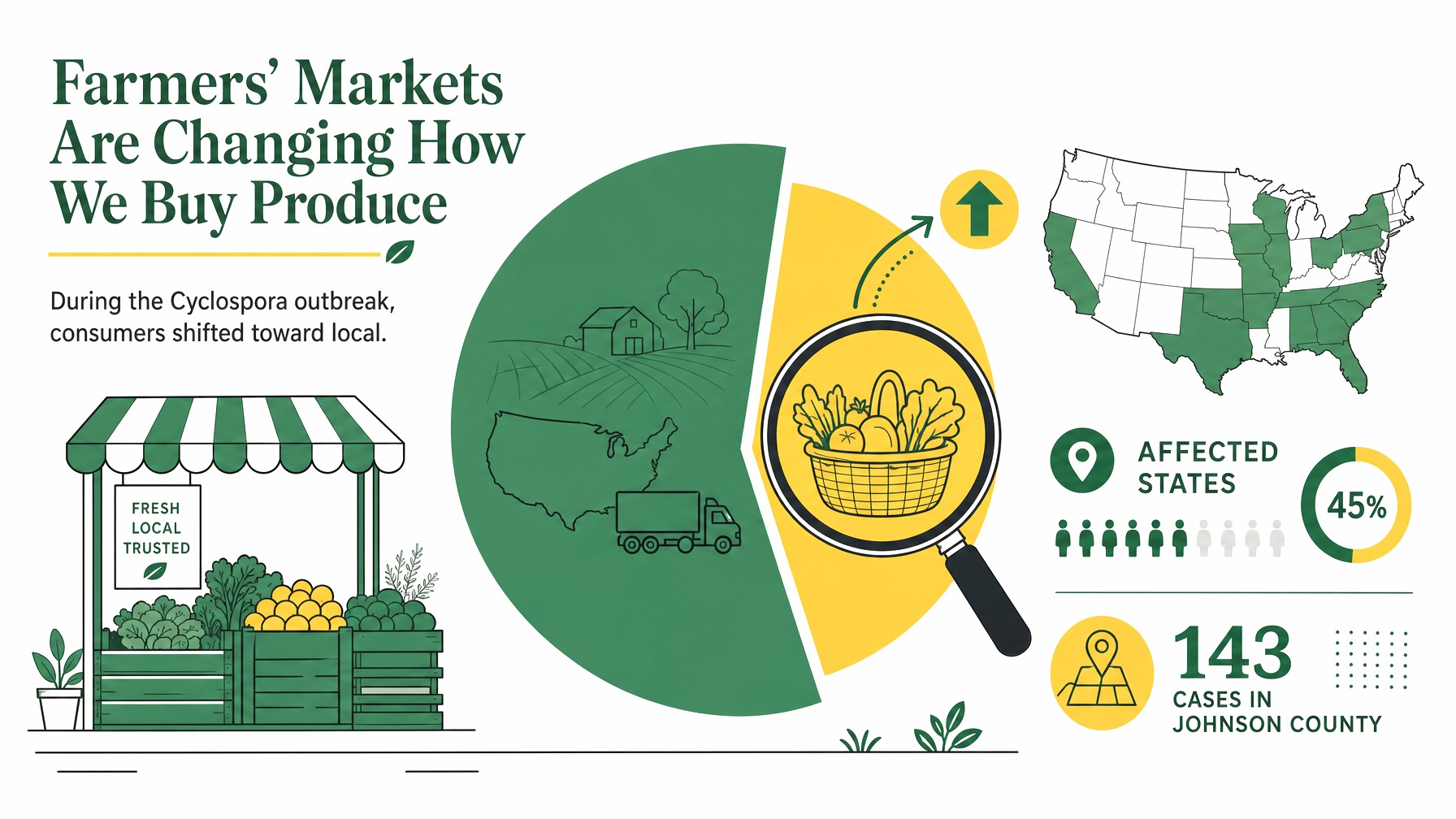
As cases surge, particularly in Johnson County with 143 reported incidents, consumers are increasingly wary of the origins of their fresh produce.
This growing concern has led to a noticeable shift in shopping patterns, with many opting for local produce as a perceived safer alternative.
Local farmers and farmers’ markets are experiencing a surge in demand, reporting a 15% increase in customer traffic.
These developments underscore a broader market shift, emphasizing the critical need for stringent food safety protocols to regain consumer trust in national supply chains.
Consumers Demand Local Produce for Safety
The Cyclospora outbreak has significantly shifted consumer preferences towards locally sourced produce.
Amid fears of contamination, many buyers now prioritize the perceived safety of local fruits and vegetables.
This trend is evident as farmers’ markets report a 15% rise in customer numbers, driven by safety-conscious consumers.
In Johnson County, the outbreak’s epicenter, local farmers have noted a marked increase in demand for their produce.
Consumers are now questioning the safety of produce from large, distant farms and choosing to support local agriculture instead.
This shift highlights a growing distrust in the national food supply chain’s ability to ensure food safety.
Three factors are driving this demand surge:
- Perceived safety of local produce
- Support for local farmers
- Distrust in national supply chains
Together, these elements are reshaping the produce market landscape.
The outbreak underscores the need for robust food safety measures to restore consumer confidence in national produce sources.
Farmers’ Markets Flourish Amid Safety Concerns
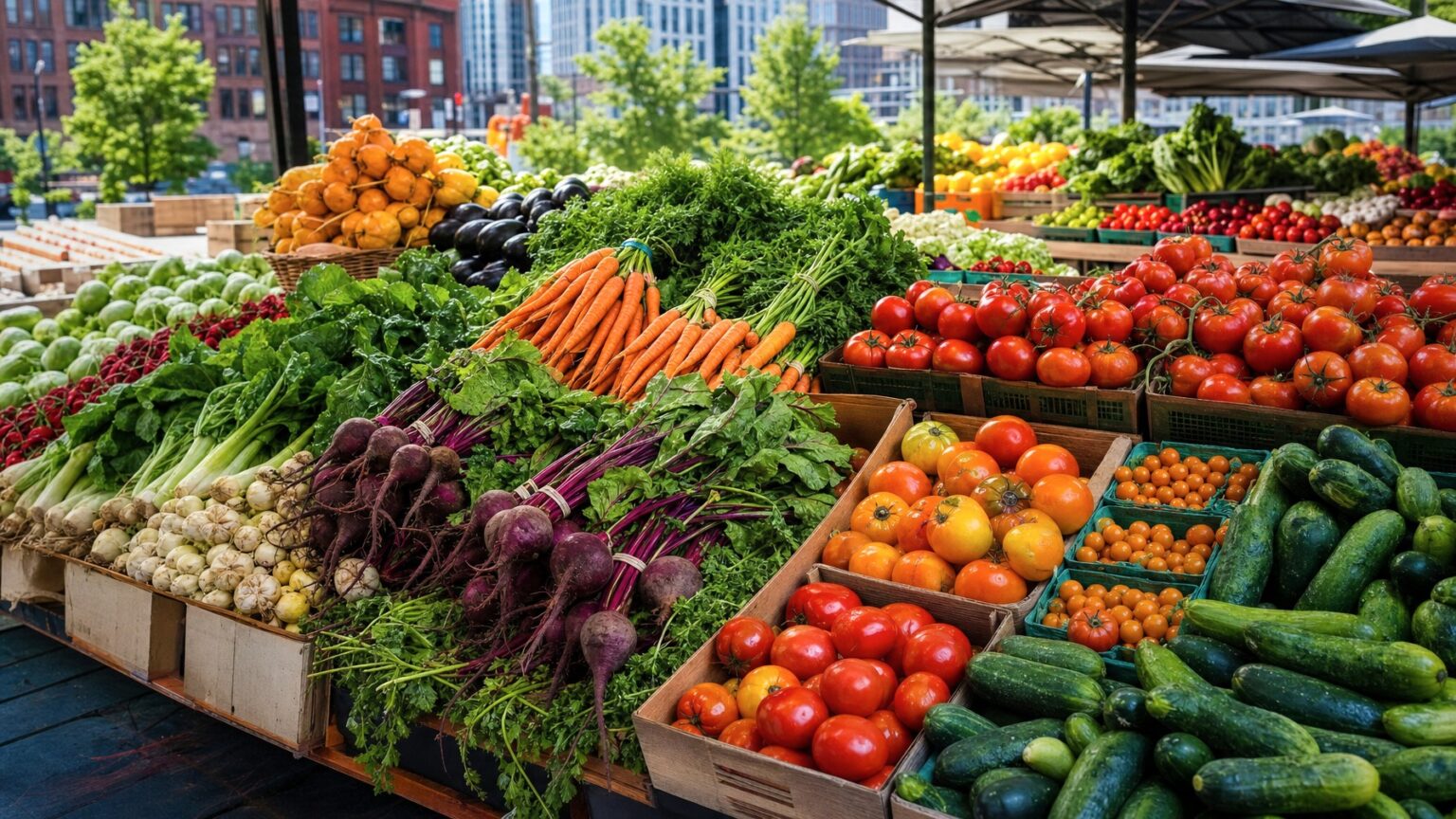
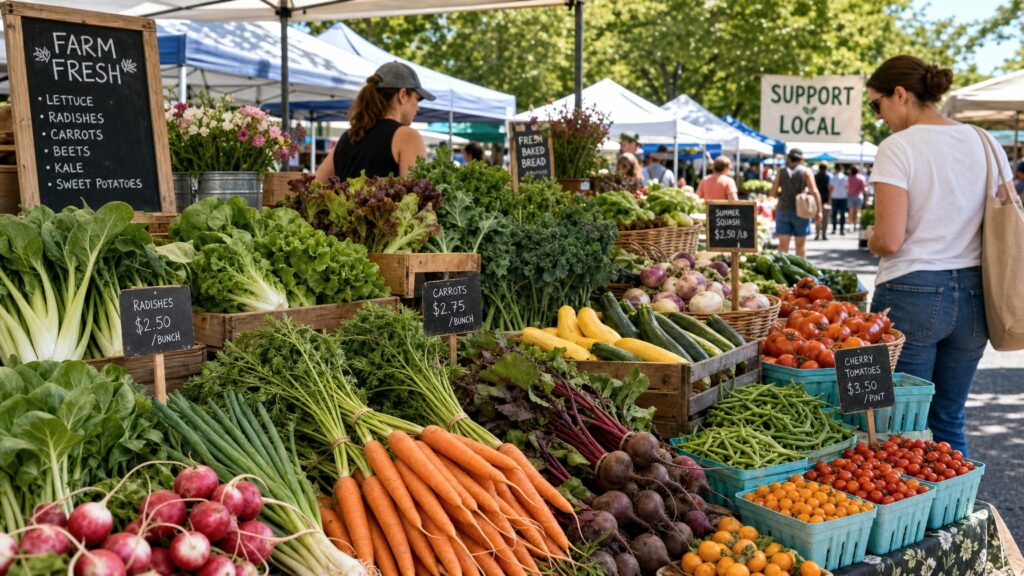
As the Cyclospora outbreak unfolds, farmers’ markets are emerging as a preferred shopping destination.
Consumers flock to these markets due to their perceived safety and the promise of fresher produce.
The outbreak has amplified concerns about contamination in larger, more complex supply chains.
Farmers’ markets offer a direct connection between consumers and producers, enhancing trust and transparency.
This direct relationship is proving crucial in a time of widespread food safety concerns.
Local farmers benefit from this trend, reporting increased sales and customer engagement.
This popularity surge presents an opportunity for farmers’ markets to solidify their role in the produce supply chain.
They are not only responding to immediate consumer safety concerns but also fostering longer-term changes in shopping habits.
As the outbreak continues, farmers’ markets are positioned to play a pivotal role in reshaping consumer produce purchasing behavior.
National Supply Chains Under Scrutiny
The Cyclospora outbreak has put a spotlight on the vulnerabilities within national produce supply chains.
Widespread contamination concerns have eroded consumer trust, particularly in large-scale operations.
Despite experts urging continued fresh produce consumption, consumers are skeptical of national suppliers’ safety assurances.
The outbreak, affecting 45 states, has highlighted the complexities of tracing contamination sources in extensive supply chains.
This complexity raises questions about the effectiveness of current food safety protocols.
Three issues undermine consumer confidence:
- Lack of transparency in supply chains
- Slow response to contamination incidents
- Inconsistent safety standards across states
Addressing these issues is crucial to restoring trust in national produce suppliers.
Improved traceability and faster response mechanisms are essential for future outbreak prevention.
Local Farmers Capitalize on Rising Demand
Local farmers are experiencing a boom in business as consumers flock to them for safer produce options.
This trend is particularly evident in areas like Johnson County, where the outbreak has been most severe.
Farmers are reporting unprecedented levels of demand, with many struggling to keep up with consumer needs.
This surge in interest is not just about safety, but also about supporting the local economy.
Consumers are increasingly aware of the benefits of supporting local agriculture, both in terms of economic impact and food safety.
Three advantages of local produce are driving this consumer shift:
- Fresher produce with a shorter supply chain
- Support for local economies
- Enhanced transparency and trust
These factors are not only boosting local farmers’ sales but also strengthening community ties.
As the Cyclospora outbreak continues, local farmers are poised to become key players in the produce market.
![Bar chart comparing 2023 demand for local and national produce, showing 15% rise in local demand.}],](https://www.produceleaders.com/wp-content/uploads/2026/08/cyclospora-outbreak-forces-shift-towards-local-produce-inline-2.jpg)
Technology’s Role in Improving Food Safety
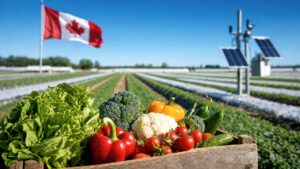
Technology is increasingly viewed as a solution to the growing food safety concerns highlighted by the Cyclospora outbreak.
Advanced tracking systems, such as blockchain, can enhance traceability and transparency in the supply chain.
These technologies offer detailed insight into the journey of produce from farm to table, potentially reducing contamination risks.
Smart sensors and IoT devices can monitor environmental conditions, providing real-time data that helps prevent spoilage.
By identifying potential contamination points, technology enables quicker and more effective responses to outbreaks.
This proactive approach can significantly reduce the time needed to identify and contain foodborne illnesses.
Three technological advancements are crucial in this effort:
- Blockchain for traceability
- IoT devices for environmental monitoring
- Predictive analytics for outbreak prevention
Embracing these technologies can help restore consumer confidence and strengthen the overall food safety infrastructure.
Regulatory Challenges in Ensuring Safety
The Cyclospora outbreak has also exposed significant regulatory challenges in ensuring food safety.
Disparities in state-level regulations create inconsistencies that complicate national safety efforts.
These inconsistencies allow contamination risks to persist across state lines.
To mitigate these risks, a unified federal approach is necessary.
Such an approach would standardize safety protocols and enforcement measures across the country.
- Unified federal safety standards
- Consistent enforcement across states
- Improved interstate communication on food safety
Addressing these regulatory issues is critical for a cohesive national response to food safety threats.
Food Safety Protocols Need Urgent Overhaul
The Cyclospora outbreak has laid bare the inadequacies of current food safety protocols.
With over 22,000 cases reported, the outbreak has exposed significant gaps in the food safety system.
Consumers’ trust has been shaken, highlighting the urgent need for reform.
Existing protocols have failed to prevent widespread contamination, necessitating comprehensive changes.
These changes must address the root causes of contamination and improve response times to outbreaks.
Three areas require immediate attention:
- Enhanced traceability systems
- Stronger regulatory oversight
- Improved communication with consumers
Implementing these changes is critical to preventing future outbreaks and restoring consumer confidence.
The outbreak serves as a wake-up call for the industry to prioritize food safety.
Local Produce Takes Center Stage Amid Crisis
The Cyclospora outbreak has fundamentally altered the produce market, placing local produce at the forefront of consumer preferences.
In the face of a serious health crisis, consumers are reevaluating their shopping habits, opting for the safety and transparency offered by local sources.
This crisis-driven shift presents an opportunity for local farmers and markets to capitalize on changing consumer priorities.
The outbreak has highlighted the vulnerabilities in the national food supply chain, emphasizing the need for a comprehensive overhaul of food safety protocols.
As the market continues to evolve, local produce will play an increasingly critical role in addressing consumer concerns and shaping future supply chain strategies.
The Cyclospora outbreak is not just a health crisis; it’s a catalyst for change, driving consumers towards safer, more sustainable food choices.