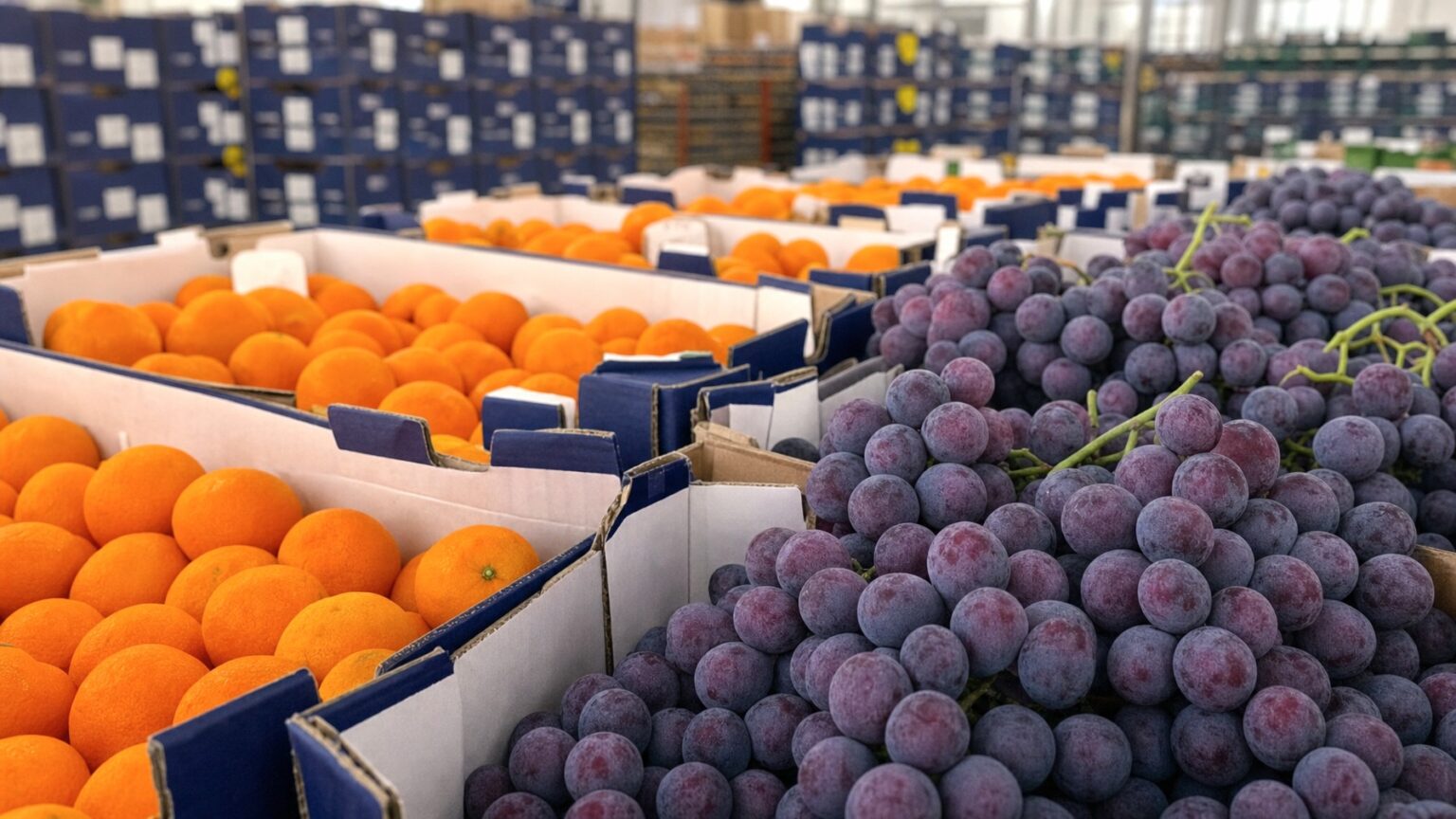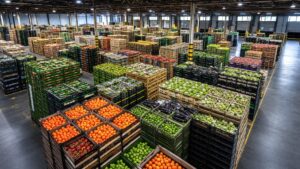
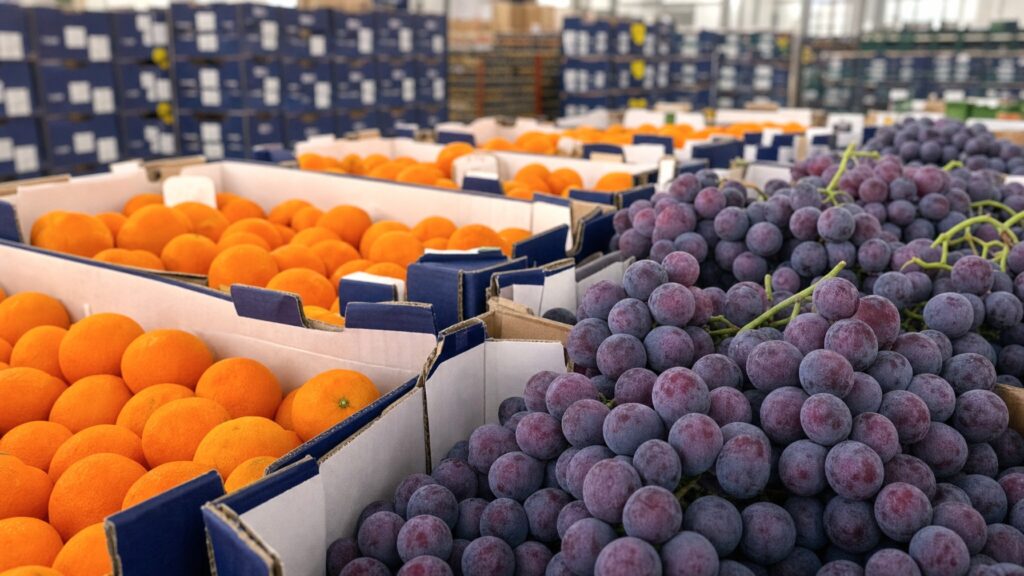
The recent Chilean fruit export season has set a new high at the USDA-SAG Teno inspection site, located in the country’s central region of the Andes.
During the 2025/26 season, more than 14.4 million boxes of fresh produce underwent phytosanitary inspection, with the majority of shipments destined for the United States.
This volume significantly surpassed the 12 million boxes inspected during the previous cycle, according to Chile’s Agricultural and Livestock Service (SAG).
The inspection site processed over 11,000 lots, reinforcing its critical role in the phytosanitary certification of Chilean fruit bound for the US market.
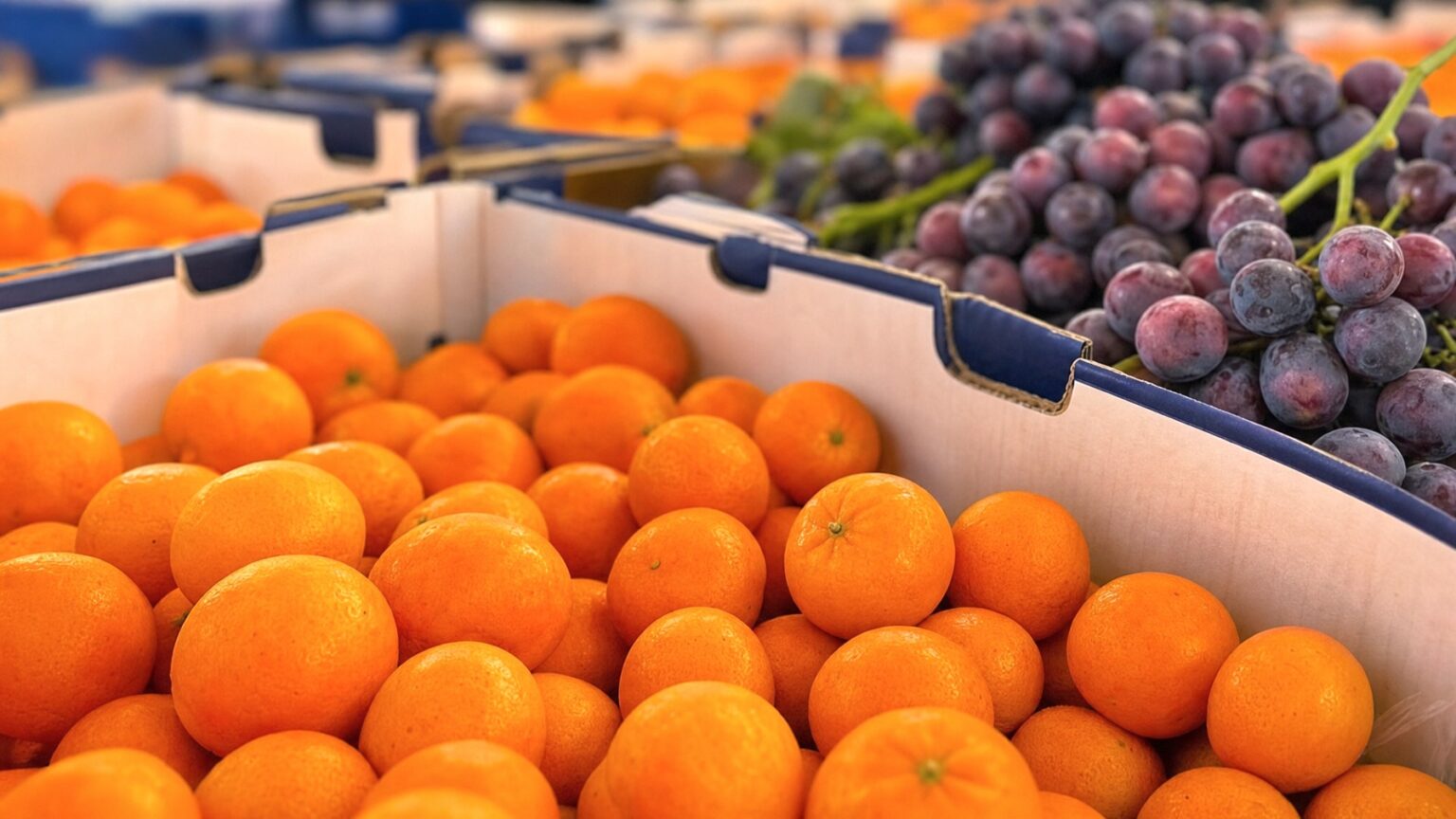
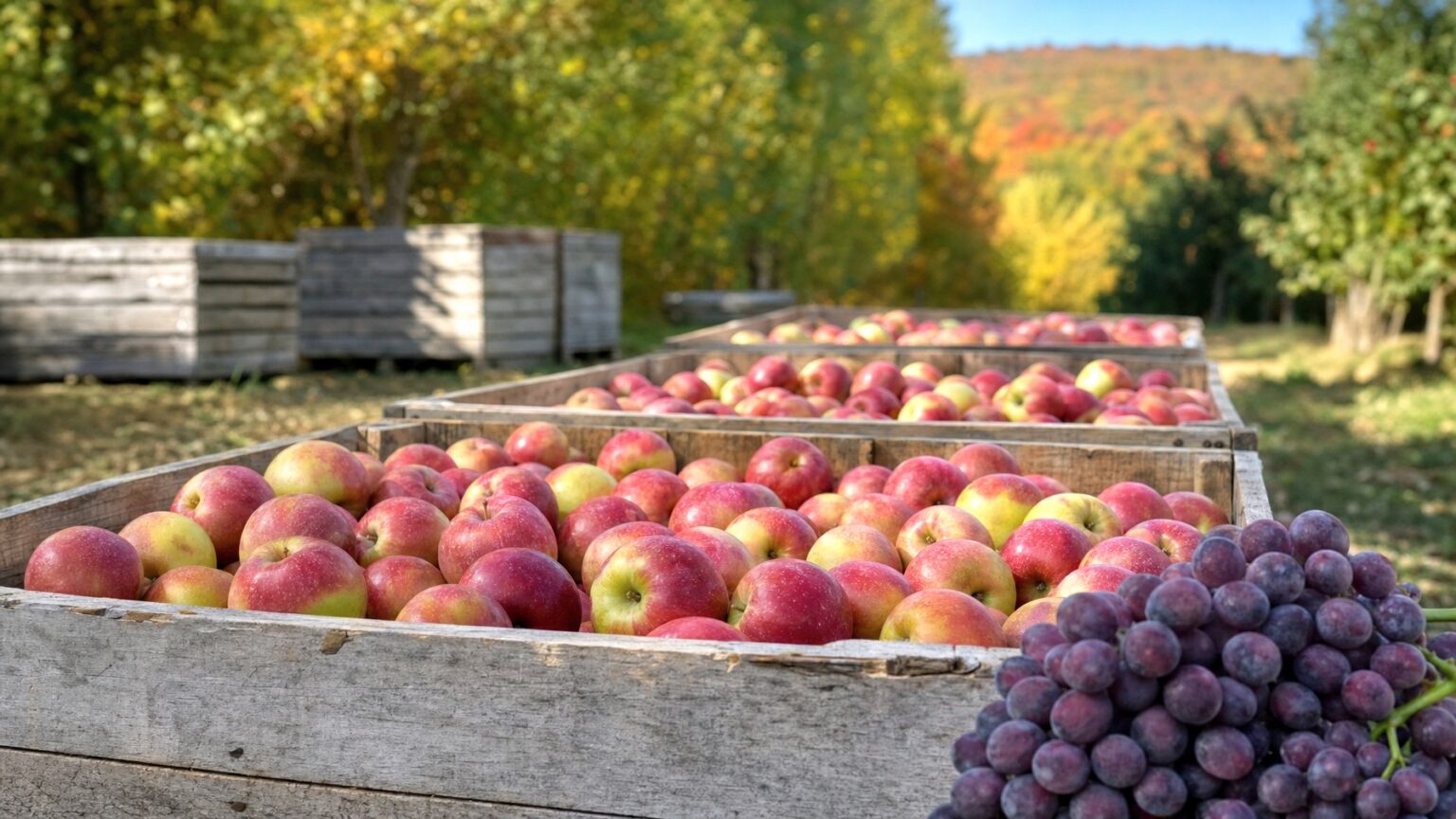
Oranges accounted for the largest share of inspected produce, with 2.8 million boxes, followed by apples at 2.5 million boxes, mandarins at 2.2 million boxes, and cherries at two million boxes.
- Chilean fruit exports hit record 14.4 million boxes inspected.
- Teno inspection site is crucial for US-bound produce certification.
- Oranges were the most inspected fruit at 2.8 million boxes.
- New technology aids phytosanitary operations at the facility.
- Collaboration between SAG and USDA supports efficient clearance processes.
Other fruits such as plums, nectarines, and kiwifruit also moved through the facility.
Juan Contreras, manager of the inspection station representing the Chilean industry body Frutas de Chile, noted that their average volume used to hover around 10 to 12 million boxes, which they far exceeded this season.
The Teno facility is equipped with real-time PCR molecular diagnostic technology, enabling inspectors to identify quarantine-significant pests and pathogens.
This technology supports SAG’s phytosanitary operations and can help streamline certification for export shipments.
The station, a joint operation with the US Department of Agriculture (USDA), served more than 180 export companies during the season.
SAG and USDA inspectors work in collaboration at the facility to carry out the clearance and certification procedures required for Chilean fruit entering the US market.