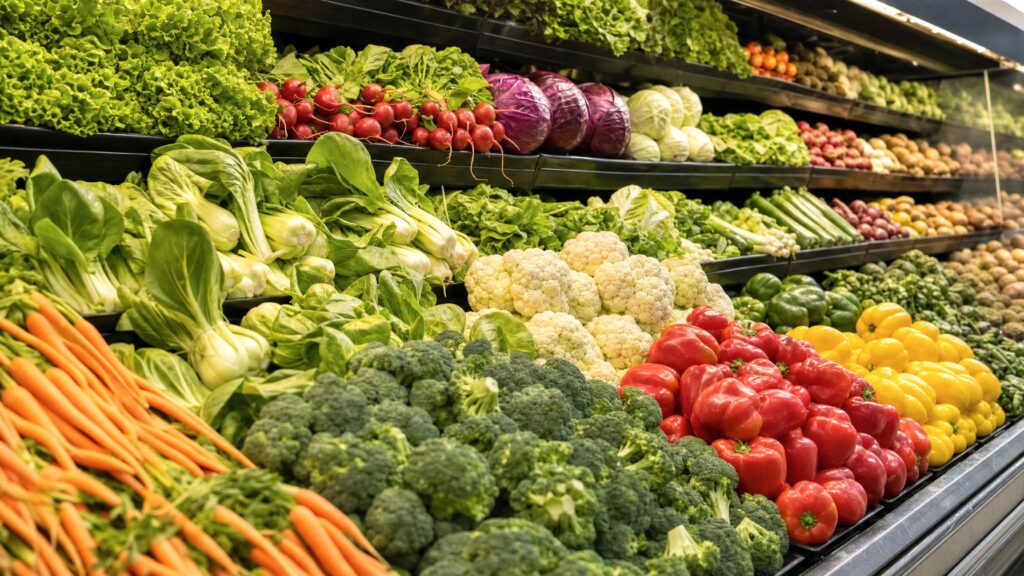
In the fresh produce industry, consumer loyalty is a crucial component of sustained success.
With an array of options available, understanding the factors that influence loyalty can help produce professionals tailor their strategies effectively.
From quality assurance to sustainability, these elements play a significant role in shaping consumer decisions.
As the market for fresh produce continues to evolve, so do consumer expectations.
Factors such as convenience, transparency, and ethical practices are becoming increasingly important.
By aligning with these expectations, businesses can foster stronger connections with their customers.
Engaging consumers requires a multifaceted approach that considers their diverse needs.
Whether through innovative packaging or ensuring consistent quality, each touchpoint is an opportunity to enhance loyalty.
This article explores the eight key factors influencing consumer loyalty in the fresh produce sector.
1. Quality Assurance
Quality assurance is a cornerstone of consumer loyalty in the fresh produce industry.
Consumers expect fresh, high-quality produce every time they make a purchase.
Meeting these expectations consistently fosters trust and loyalty.
To ensure quality, businesses must implement rigorous quality control measures.
This includes monitoring supply chains and maintaining optimal storage conditions.
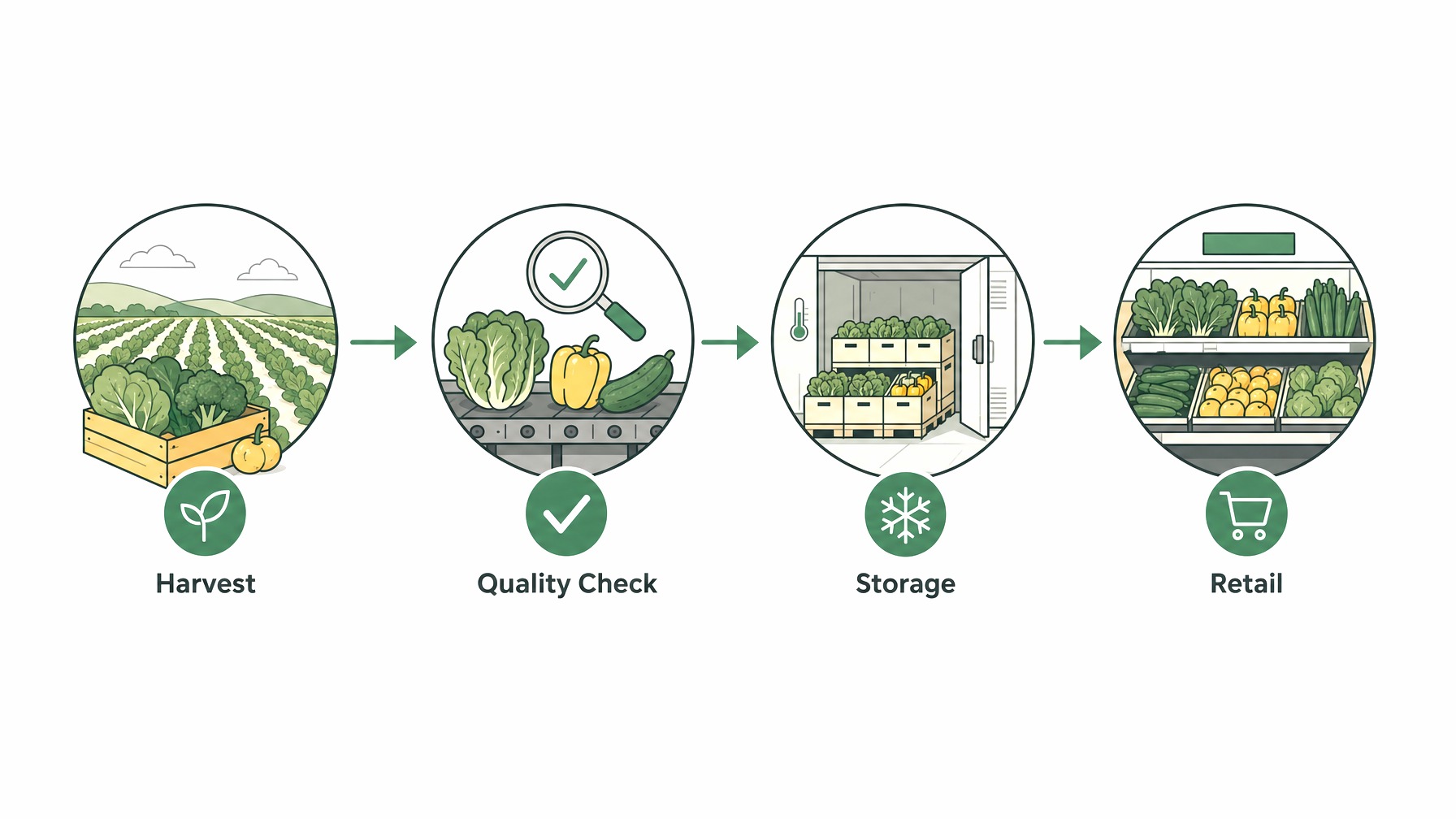
Regular audits and checks can also help identify potential issues before they affect the product.
- Implement comprehensive quality control processes.
- Ensure consistent product freshness and appearance.
- Conduct regular audits of supply chain practices.
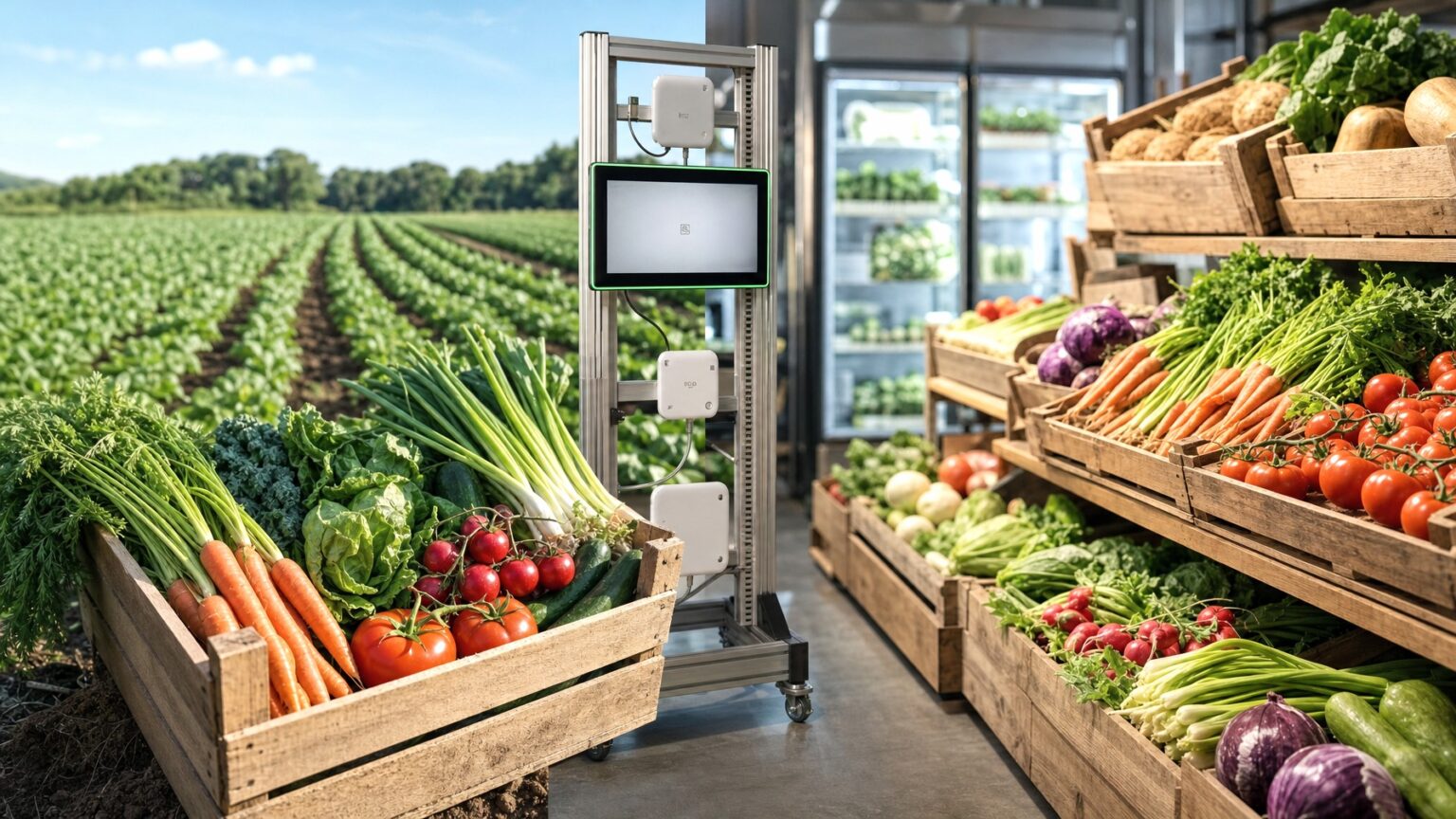
Investing in technology can further enhance quality assurance.
Tools like advanced sensors and AI-driven analytics provide real-time insights into product conditions.
By leveraging these technologies, companies can proactively address issues and maintain quality standards.
2. Transparency and Traceability
Today’s consumers are more informed and demand transparency in the products they buy.
Traceability has become a critical aspect of consumer trust.
It allows shoppers to track the journey of produce from farm to table.
Providing clear and accessible information about sourcing and handling can significantly boost consumer confidence.
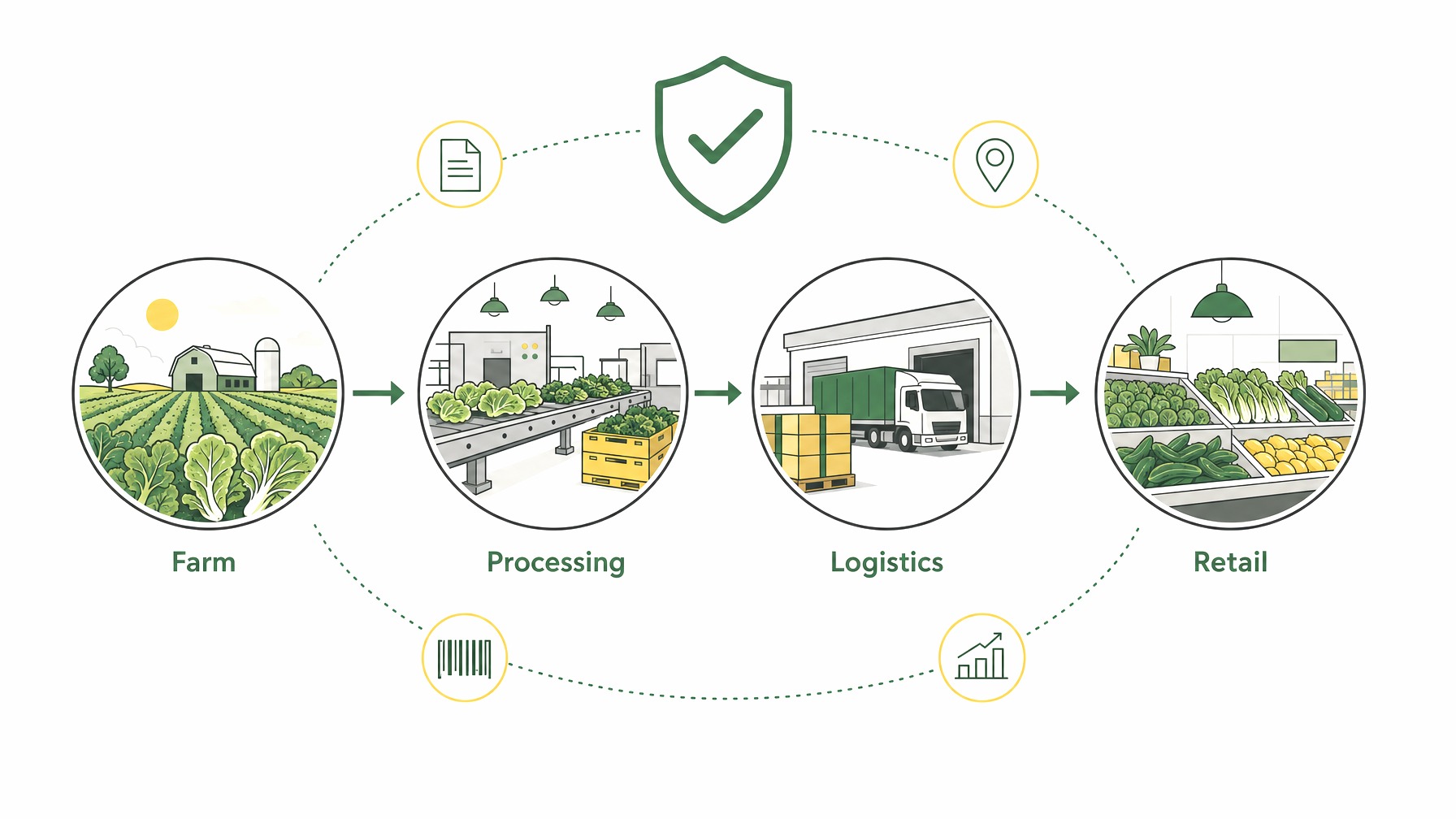
Transparency initiatives can include detailed labeling and digital platforms that allow consumers to verify product origins.
- Use labels to highlight sourcing details.
- Offer digital tools for product tracking.
- Engage consumers with informative campaigns.
Building trust through transparency not only improves consumer loyalty but also enhances brand reputation.
Companies that prioritize traceability are seen as more reliable and committed to ethical practices.
3. Sustainability Practices
Sustainability is no longer a niche concern; it is a mainstream expectation.
Consumers are increasingly loyal to brands that demonstrate a commitment to sustainable practices.
This includes reducing waste, minimizing carbon footprints, and supporting local communities.
Incorporating sustainability into every aspect of the business can differentiate a brand in a crowded market.
From eco-friendly packaging to energy-efficient logistics, there are numerous ways to showcase sustainability efforts.
- Adopt eco-friendly packaging solutions.
- Implement energy-efficient practices in logistics.
- Support local farming and community initiatives.
Communicating these efforts effectively to consumers reinforces the brand’s commitment to sustainability.
This can enhance loyalty among eco-conscious shoppers and attract new customers who value ethical practices.
4. Convenience and Accessibility
In a fast-paced world, convenience and accessibility are key drivers of consumer loyalty.
Shoppers prefer produce options that fit seamlessly into their busy lifestyles.
This includes easy-to-prepare items and accessible retail locations.
Offering a variety of convenient packaging options can cater to different consumer needs.
From pre-cut vegetables to single-serving fruit packs, convenience can significantly enhance the customer experience.
- Provide pre-cut or ready-to-eat produce options.
- Ensure product availability in convenient locations.
- Streamline in-store and online shopping experiences.
Retailers can also enhance accessibility by offering home delivery services and flexible purchase options.
These conveniences can lead to increased customer satisfaction and loyalty.
5. Price and Value Perception
Price remains a fundamental factor in consumer purchasing decisions.
However, perceived value can often outweigh the actual cost.
Consumers are willing to pay a premium for products that offer superior quality, taste, and benefits.
To enhance value perception, businesses can emphasize the unique attributes of their produce.
This includes highlighting nutritional benefits, flavor profiles, and any unique growing practices.
- Emphasize the nutritional benefits of produce.
- Highlight superior taste and quality.
- Showcase unique growing practices and certifications.
Promotions and loyalty programs can also play a pivotal role in enhancing perceived value.
By rewarding repeat customers, businesses can encourage loyalty and repeat purchases.
6. Health and Wellness Trends
Health and wellness trends continue to shape consumer behavior in the produce industry.
Shoppers are increasingly drawn to products that support a healthy lifestyle.
This includes organic produce, superfoods, and items rich in essential nutrients.
Educating consumers about the health benefits of produce can drive loyalty.
This can be achieved through informative campaigns, workshops, and collaborations with health professionals.
- Promote the health benefits of fresh produce.
- Launch educational campaigns about nutrition.
- Collaborate with health professionals for credibility.
By positioning produce as an essential component of a healthy diet, businesses can tap into the growing demand for health-conscious products.
7. Innovation and Differentiation
Innovation is a powerful tool for capturing consumer loyalty.
In a competitive market, standing out requires creativity and differentiation.
This can include introducing new product varieties, packaging innovations, or unique marketing strategies.
Consumers are drawn to brands that consistently offer something new and exciting.
By staying ahead of trends and consumer preferences, companies can maintain a competitive edge.
- Introduce new and unique product varieties.
- Explore innovative packaging solutions.
- Develop creative marketing campaigns.
Collaborating with chefs, influencers, and other industry professionals can also enhance brand visibility and attract new customers.
8. Customer Engagement and Experience
Engaging consumers beyond the point of purchase is essential for building loyalty.
Positive customer experiences can drive repeat business and foster brand advocacy.
This includes attentive customer service, personalized interactions, and engaging marketing initiatives.
Building a community around the brand can enhance customer engagement.
This can be achieved through social media interactions, loyalty programs, and exclusive events.
- Prioritize attentive and personalized customer service.
- Foster community through social media and events.
- Implement loyalty programs to reward repeat customers.
By creating memorable experiences, businesses can transform customers into loyal advocates who promote the brand organically.
The Bottom Line
Understanding the factors that influence consumer loyalty in fresh produce is crucial for industry success.
By focusing on quality, transparency, and sustainability, businesses can enhance consumer trust and satisfaction.
Convenience, price perception, and health trends also play pivotal roles in shaping loyalty.
Tailoring strategies to align with these elements can lead to stronger customer connections and repeat business.
Ultimately, innovation and customer engagement are key to differentiating a brand in the market.
By prioritizing these factors, businesses can build lasting loyalty and drive growth in the fresh produce sector.