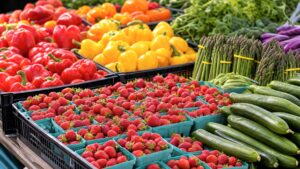
The fresh produce industry is at a pivotal moment, driven by the evolving preferences of consumers who increasingly demand locally sourced products.
This shift is not a fleeting trend but a robust movement underpinned by growing concerns about sustainability and the quest for fresher, more authentic products.
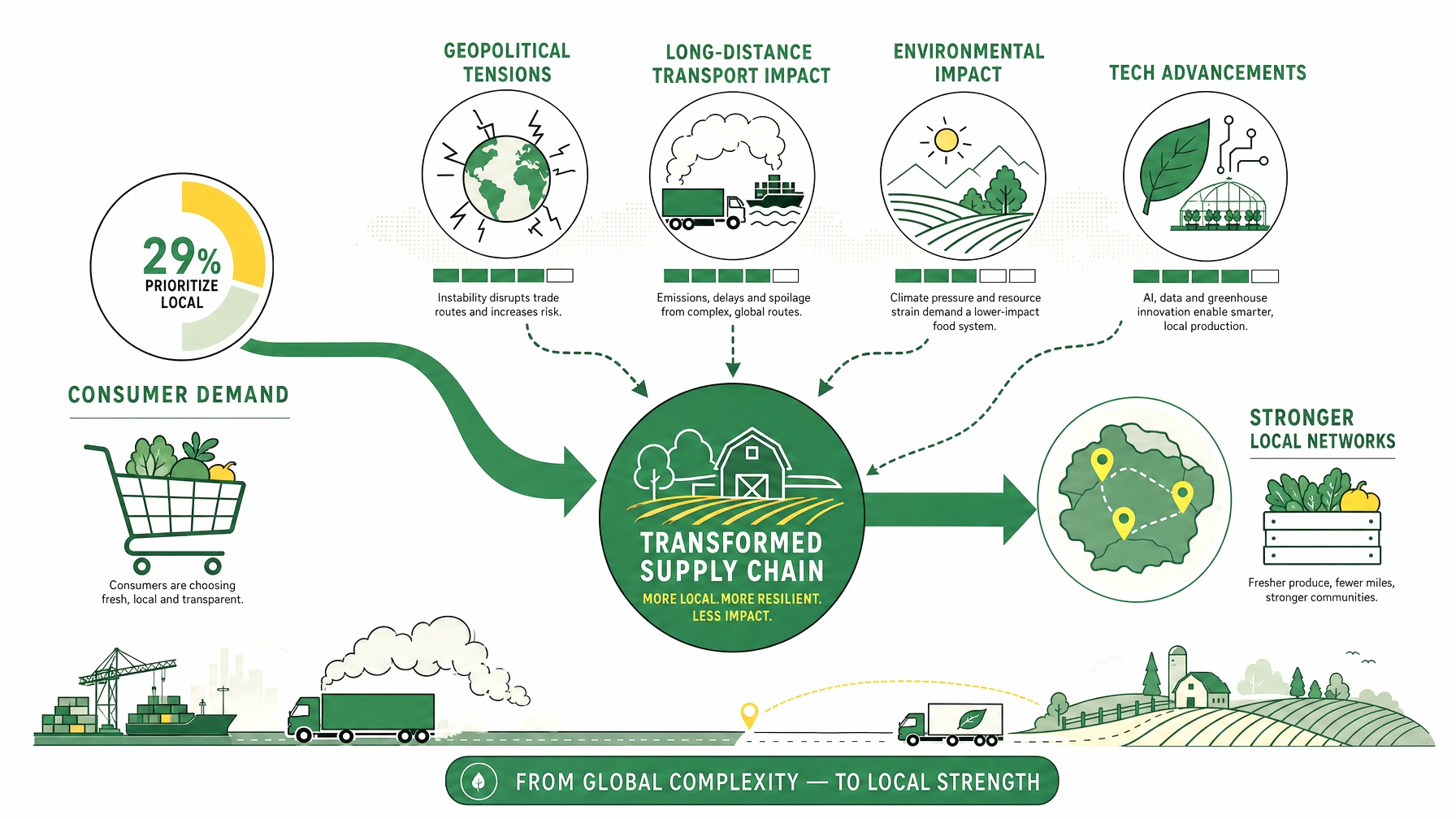
Recent data underscores this change, with 29% of consumers prioritizing locally grown produce over other options, highlighting an urgent need for the industry to adapt.
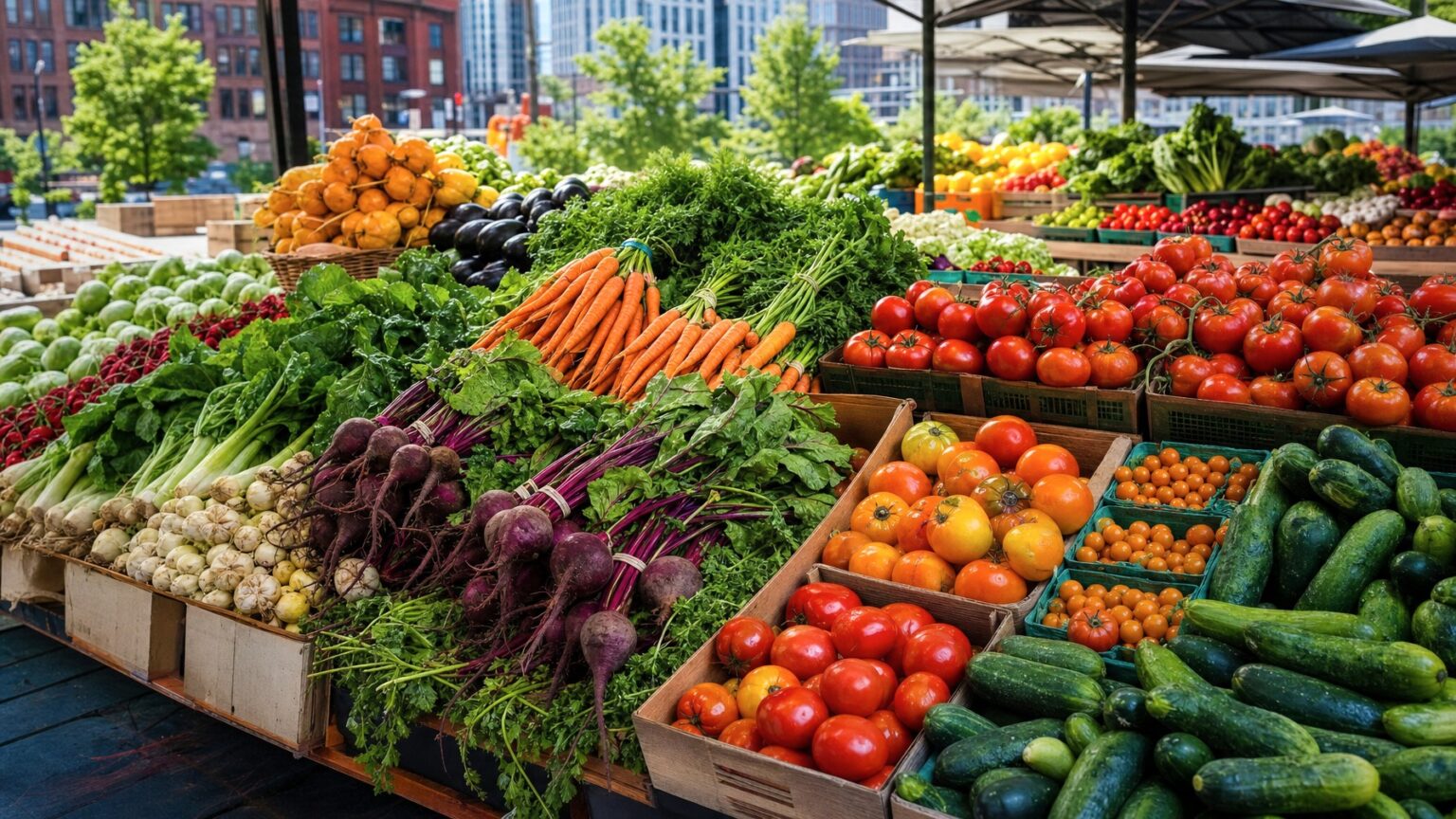
Events such as the bustling Patterson Park Farmers Market and companies like UnCruise Adventures exemplify a growing commitment to local sourcing, reflecting a broader industry transformation.
To meet these changing expectations, the fresh produce sector must pivot towards local sourcing strategies, ensuring both consumer satisfaction and environmental sustainability.
Farmers Markets are Quietly Rewriting Sustainability
Farmers markets have become a powerful force in the fresh produce landscape, heralding a new era of local sourcing and sustainability.
The Patterson Park Farmers Market, for example, is more than just a venue for selling produce; it embodies community values that prioritize local food access and environmental responsibility.
These markets offer consumers direct access to locally grown produce, reducing the carbon footprint associated with long-distance transportation.
By supporting local farmers, these markets help sustain regional agriculture, ensuring that farming remains viable in the face of global competition.
Three key factors underline their impact:
- Direct-to-consumer access lowers transportation emissions
- Local farmer support strengthens regional economies
- Community engagement enhances sustainability awareness
As local markets thrive, they set a standard for sustainability that larger retailers would do well to emulate.
Local Sourcing as an Economic Imperative
Incorporating local sourcing is not merely an ethical decision but an economic necessity for many produce companies.
UnCruise Adventures, which sources produce from Baja farms, exemplifies how local supply chains can enhance both product quality and company reputation.
By relying on nearby farms, companies can offer fresher, more appealing products to consumers who increasingly demand authenticity and traceability.
This approach also mitigates the risks associated with global supply chain disruptions, which have become more frequent in the current geopolitical climate.
Three economic benefits drive this shift:
- Reduced supply chain risks from global disruptions
- Enhanced product freshness and consumer satisfaction
- Improved brand reputation through sustainability
Thus, local sourcing strategies not only align with consumer demands but also present a robust business case.
Consumer Preferences are Shaping Industry Trends
Consumer preferences are no longer a peripheral consideration; they are central to shaping industry trends.
The Power of Produce report reveals that 29% of shoppers prioritize locally grown produce, reflecting a significant shift in purchasing behavior.
This trend is driven by younger generations who view sustainability not as an option but as a necessity.
Companies that fail to recognize and respond to these preferences risk alienating a substantial segment of their customer base.
Three consumer-driven trends are evident:
- Increased demand for transparency and traceability
- Preference for sustainability over cost savings
- Desire for fresher produce with a smaller carbon footprint
By aligning with these trends, the produce industry can secure a loyal and growing customer base.
Global Supply Chains are Undergoing a Transformation
The global supply chains that once defined the produce industry are undergoing a profound transformation.
This shift is driven by a combination of consumer demand for local products and the vulnerabilities exposed by recent global events.
Companies like UnCruise Adventures, which have embraced local sourcing, demonstrate the flexibility and resilience that regional supply chains can offer.
As geopolitical tensions and environmental concerns rise, the reliance on distant suppliers becomes increasingly untenable.
Four forces accelerating this transformation include:
- Consumer demand for local and sustainable options
- Geopolitical tensions disrupting global supply networks
- Environmental impact of long-distance transportation
- Technological advancements enabling local production
These factors are reshaping how supply chains are constructed, pushing the industry towards more resilient models.
Technological Innovations Support Local Sourcing
Technological innovations are playing a crucial role in enabling local sourcing strategies.
For instance, Canada is investing CA$3.2 billion in high-tech agricultural solutions to reinforce its food systems amidst shifting trade dynamics.
Advanced technologies such as AI and cutting-edge greenhouse innovations are making local production more efficient and viable.
These technologies allow growers to optimize yields and reduce resource usage, making local farming more competitive.
Three technological advancements are particularly impactful:
- AI-driven precision agriculture enhances yield prediction
- Greenhouse innovations extend growing seasons
- Sustainable packaging solutions like StePacPPC’s pouches
By leveraging these innovations, the produce industry can effectively meet the demands of a sustainability-focused market.
Urban Agriculture is Rewriting City Landscapes
Urban agriculture is transforming city landscapes, integrating food production within urban settings in unprecedented ways.
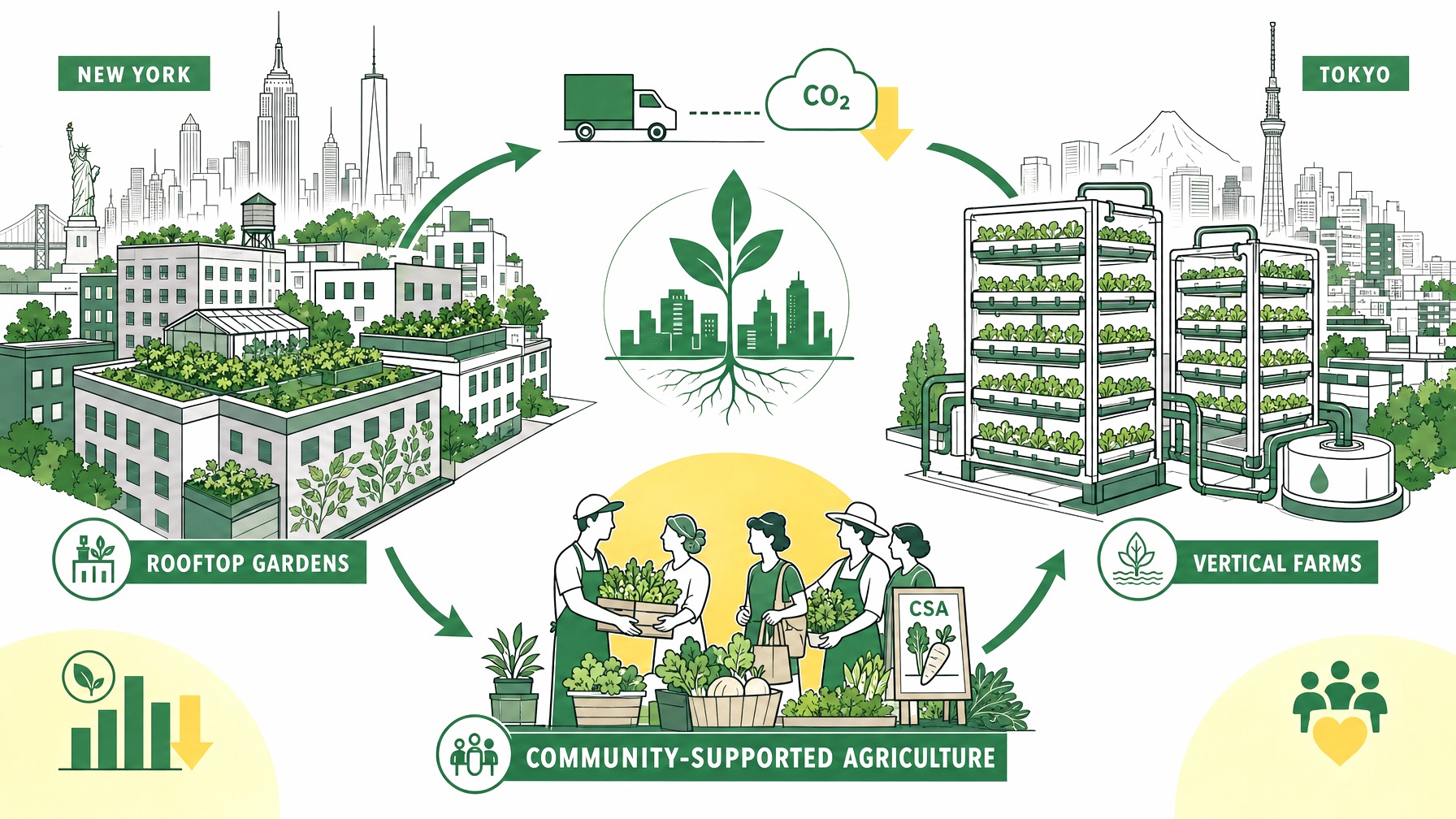
In cities like New York and Tokyo, innovative farmers are turning rooftops and vacant lots into lush, productive spaces.
This movement reduces the dependency on rural areas for food supply, cutting transportation emissions and enhancing food security.
Urban agriculture is not only a solution to food deserts but also a way to engage communities in sustainable practices.
Key components of urban agriculture’s impact include:
- Rooftop gardens utilizing available urban space
- Vertical farms maximizing productivity in small areas
- Community-supported agriculture fostering local involvement
- Hydroponics and aquaponics optimizing limited resources
These initiatives demonstrate how urban areas can reduce their carbon footprints and increase self-sufficiency.
Innovative Partnerships Drive Local Sourcing Success
Collaborative partnerships are proving to be a game-changer in the push towards local sourcing in the produce industry.
By partnering with local farmers, restaurants, and retailers, companies can create a tightly knit ecosystem that supports regional agriculture.
These partnerships ensure that local produce is not only available but also marketed effectively to meet consumer demand.
Successful collaborations often involve agreements that guarantee farmers a buyer for their crops, thus stabilizing their income.
Examples of these partnerships include:
- Farm-to-table collaborations enhancing local dining experiences
- Retail partnerships promoting local produce in stores
- Community initiatives that prioritize local food access
Through these partnerships, the produce industry can strengthen local economies and ensure the sustainability of regional agriculture.
Produce Leaders Must Act Decisively on Local Sourcing
The growing consumer demand for local produce presents both an opportunity and a mandate for industry leaders.
To stay relevant, companies must embrace local sourcing strategies that align with consumer expectations and environmental imperatives.
Ignoring these trends risks falling behind in a rapidly evolving market landscape.
By investing in local supply chains and leveraging technological advancements, produce leaders can ensure they meet consumer demands while contributing to sustainability goals.
Ultimately, the shift towards local sourcing is not just a strategic decision it is a necessary evolution for the industry to thrive in the future.