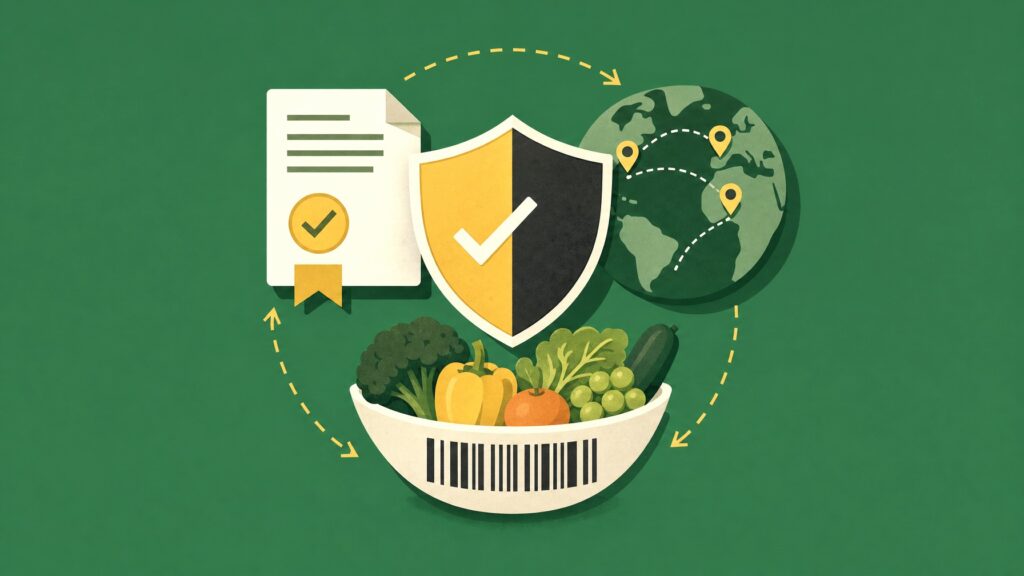
As the fresh produce industry continues to evolve, staying abreast of regulatory changes is vital for importers.
Food safety regulations are particularly dynamic, with new rules impacting how produce is imported and handled.
This article highlights six key changes that produce importers need to be aware of to remain compliant and competitive in the market.
These regulatory changes reflect growing concerns over health and safety, as well as environmental and ethical considerations.
Importers must adapt quickly, ensuring their operations are aligned with these evolving standards.
Understanding these changes can help avoid costly penalties and improve supply chain efficiency.
The following sections detail the most significant changes in food safety regulations affecting produce importers today.
By familiarizing themselves with these updates, industry professionals can better navigate the challenges and opportunities they present.
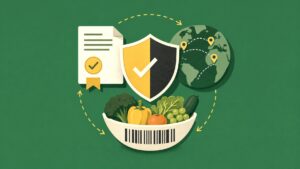
1. Enhanced Traceability Requirements
Traceability has become a central focus for food safety regulators.
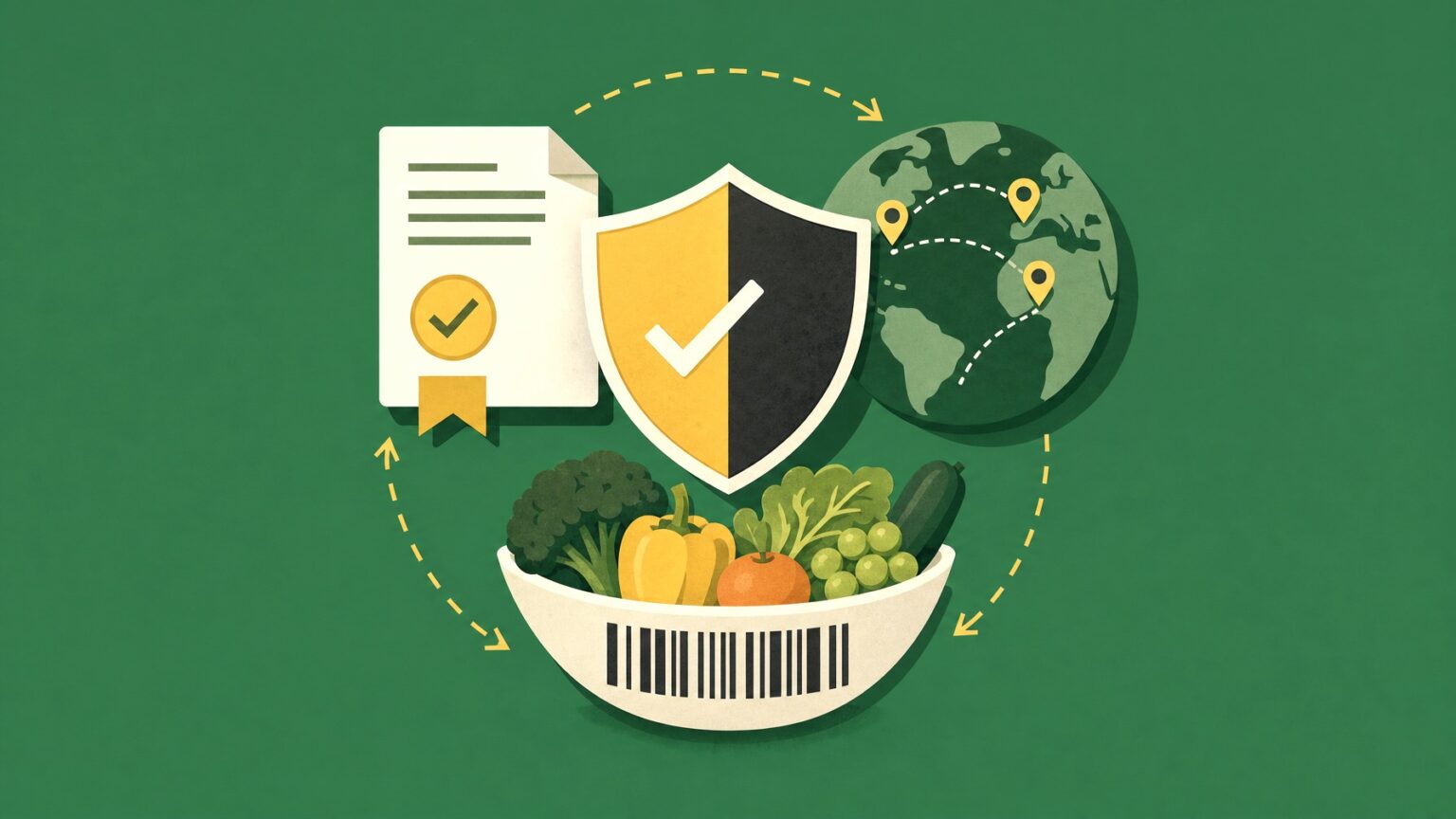
New regulations require importers to maintain more detailed records of their produce’s journey from farm to consumer.
This shift aims to improve responses to foodborne illness outbreaks.
Importers must now implement systems capable of recording comprehensive data at each step of the supply chain.
This includes information on growers, packing facilities, and distribution centers.
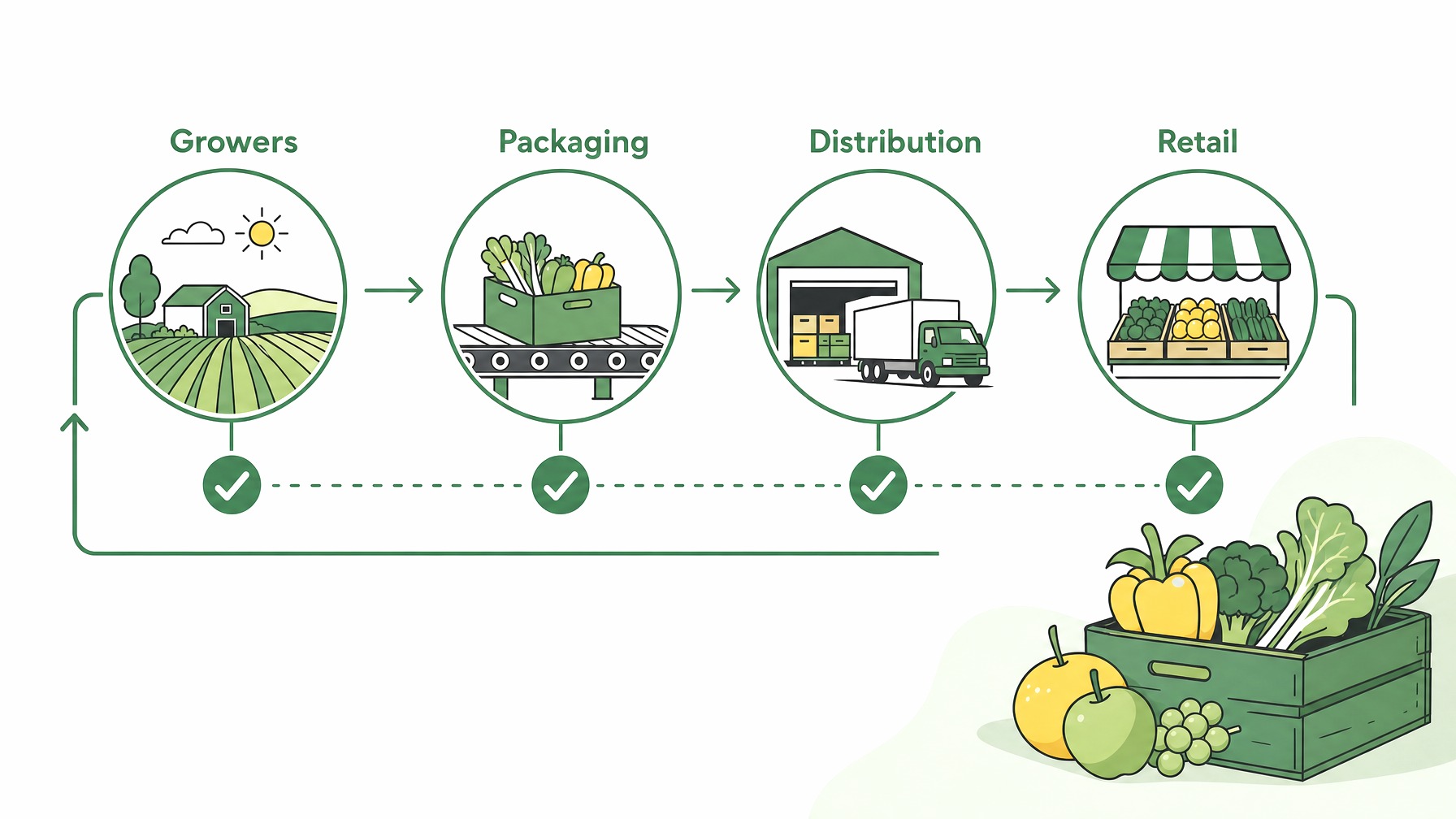
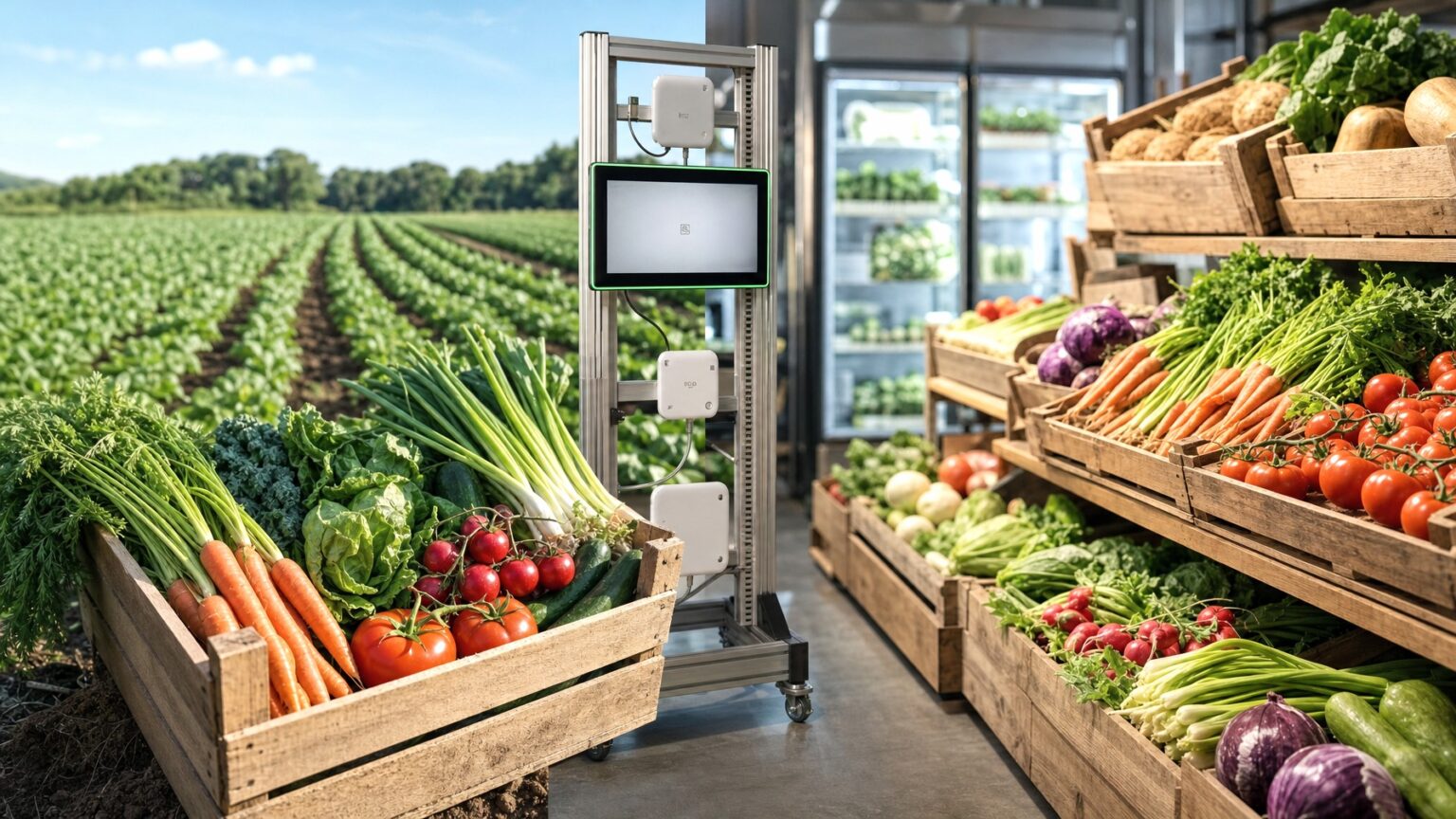
Real-time tracking technologies are increasingly being employed to meet these demands.
Failure to comply with enhanced traceability requirements can lead to significant fines and reputational damage.
Importers should invest in robust tracking software and collaborate closely with partners to ensure thorough documentation.
- Invest in advanced tracking technology
- Ensure comprehensive documentation at every stage
- Collaborate with supply chain partners for seamless data sharing
These measures not only help in compliance but also enhance supply chain transparency, benefiting both importers and consumers.
2. Stricter Sanitation Standards
Sanitation has always been a critical component of food safety, but recent regulations have introduced stricter standards.
Importers must ensure that all facilities involved in handling produce meet these rigorous requirements.
New sanitation protocols include enhanced cleaning procedures and regular audits.
These standards aim to minimize contamination risks throughout the produce supply chain.

Importers should conduct regular inspections and provide training to staff to adhere to these updated protocols.
Compliance will require collaboration with suppliers to ensure uniform standards are maintained across the board.
- Conduct regular facility audits
- Implement rigorous cleaning schedules
- Provide staff training on new sanitation practices
Adherence to these standards not only ensures regulatory compliance but also boosts consumer confidence in the safety of imported produce.
3. Increased Testing and Sampling
Regulators now require more frequent testing and sampling of imported produce.
This change aims to quickly identify and address potential safety issues before products reach consumers.
Importers are expected to conduct comprehensive testing for pathogens and chemical residues.
The frequency and scope of testing have increased, necessitating additional resources and planning.
To comply, importers must establish partnerships with accredited laboratories and enhance their in-house testing capabilities.
The use of third-party verification can also provide an additional layer of assurance.
- Partner with accredited testing labs
- Enhance in-house testing capabilities
- Utilize third-party verification for added assurance
These measures ensure early detection of safety issues, reducing the risk of recalls and protecting consumer health.
4. New Import Certification Requirements
Import certification requirements have been updated to ensure that all imported produce meets domestic safety standards.
This change affects documentation and verification processes for importers.
Importers must now obtain certificates confirming compliance with safety and quality standards before their produce can enter the market.
These certificates must be issued by recognized authorities and verified by customs officers.
Ensuring compliance involves close coordination with exporting partners and regular updates on certification processes and requirements.
Digital certification platforms are becoming instrumental in streamlining these procedures.
- Coordinate with exporting partners for compliance
- Stay updated on certification requirements
- Utilize digital platforms for certification management
Meeting these requirements is crucial for avoiding entry delays and ensuring a smooth import process.
5. Greater Focus on Sustainability
Sustainability considerations are increasingly influencing food safety regulations.
Importers are now required to demonstrate sustainable practices in their operations.
New regulations encourage importers to adopt environmentally friendly practices such as reducing waste and carbon emissions.
This shift aligns with broader global efforts to combat climate change and promote sustainable agriculture.
To comply, importers should evaluate their supply chains for sustainability opportunities and implement initiatives that reduce environmental impact.
Collaborating with sustainable suppliers can further enhance compliance efforts.
- Evaluate supply chains for sustainability
- Implement waste-reduction initiatives
- Partner with sustainable suppliers
Adopting these practices not only ensures regulatory compliance but also supports long-term business sustainability and brand reputation.
6. Emphasis on Ethical Sourcing
Ethical sourcing has become a significant component of food safety regulations, reflecting growing consumer demand for responsibly sourced products.
Importers must now demonstrate adherence to ethical sourcing practices.
These regulations emphasize fair labor practices, humane treatment of workers, and transparency in sourcing activities.
Importers are expected to conduct audits and provide proof of compliance with ethical standards.
Building relationships with ethically-minded suppliers and conducting regular assessments are essential for meeting these regulatory demands.
Importers should also communicate their ethical commitments to consumers.
- Conduct audits on sourcing practices
- Build relationships with ethical suppliers
- Communicate ethical commitments to consumers
Complying with these regulations enhances consumer trust and aligns with the industry’s growing focus on corporate social responsibility.
The Bottom Line
Staying informed about changes in food safety regulations is critical for produce importers.
These updates not only impact compliance but also influence operational strategies.
Adapting to these regulatory changes requires investment in technology, collaboration with supply chain partners, and a commitment to sustainability and ethics.
By proactively addressing these changes, importers can ensure smooth operations and maintain a competitive edge in the fresh produce market.