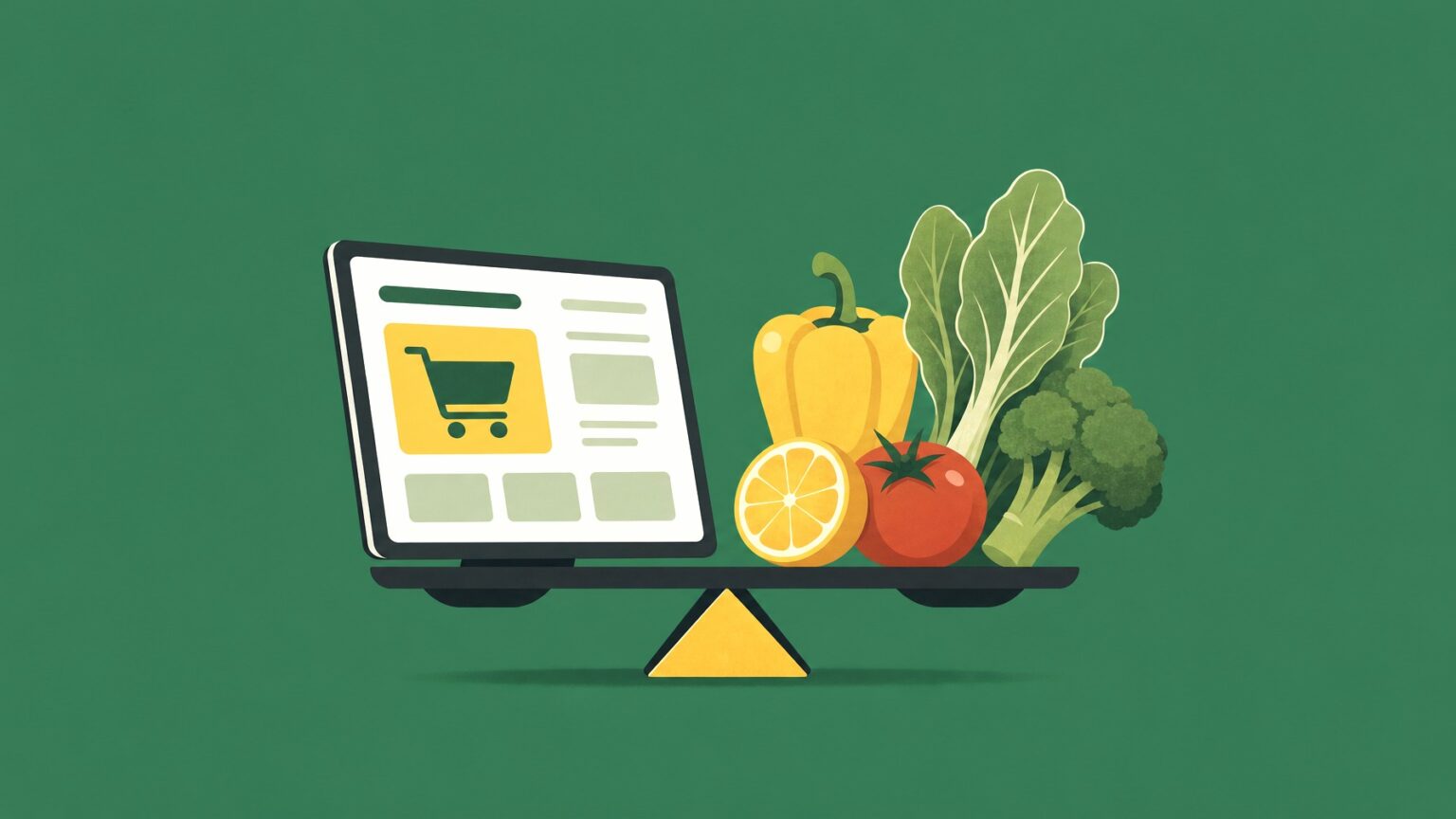
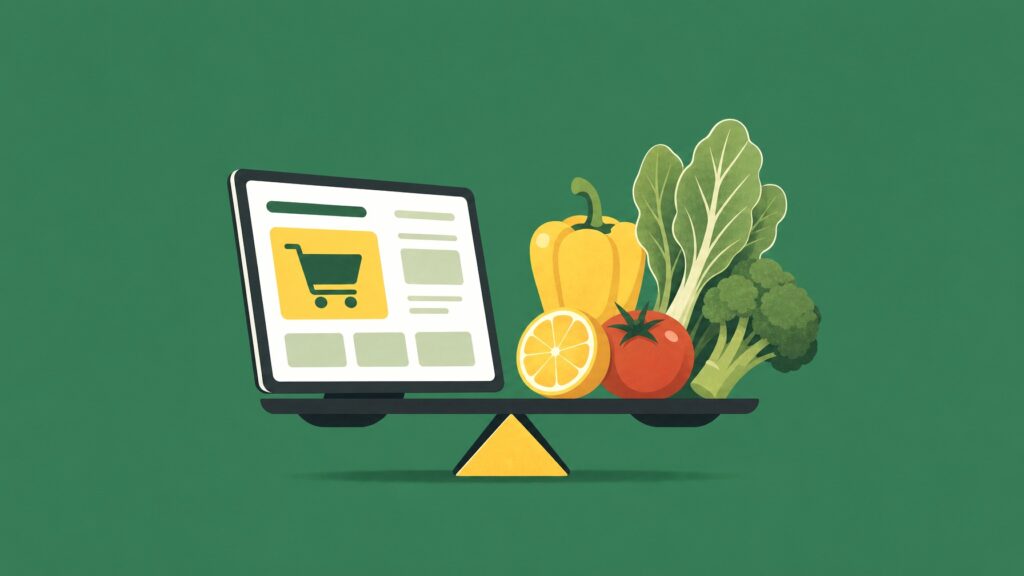
In the rapidly evolving landscape of e-commerce, the produce industry is carving out a significant niche.
Consumers increasingly seek the convenience of ordering fresh fruits and vegetables online.
To meet these demands, it is crucial for produce e-commerce websites to be equipped with key features that cater to both the product’s perishable nature and the consumer’s desire for a seamless shopping experience.
Building an effective online platform for fresh produce requires careful consideration of all aspects of the user journey, from finding products to delivery.
The website must not only attract customers but also retain them by ensuring their needs are met efficiently.
Let’s explore eight essential features that every produce e-commerce website should incorporate to thrive in this competitive market.
These features will help you create a website that is both user-friendly and optimized for the unique challenges of the fresh produce industry.
Whether you’re a grower, retailer, or distributor, understanding these components will be vital to your online success.
Navigation is the backbone of any successful e-commerce website.
For produce retailers, it is essential that users can easily find what they are looking for.
An intuitive navigation system helps customers quickly browse through categories and products, enhancing their shopping experience.
Your website should feature a clean layout with clearly labeled categories.
This could include sections for different types of produce, such as fruits, vegetables, organic options, and seasonal offerings.
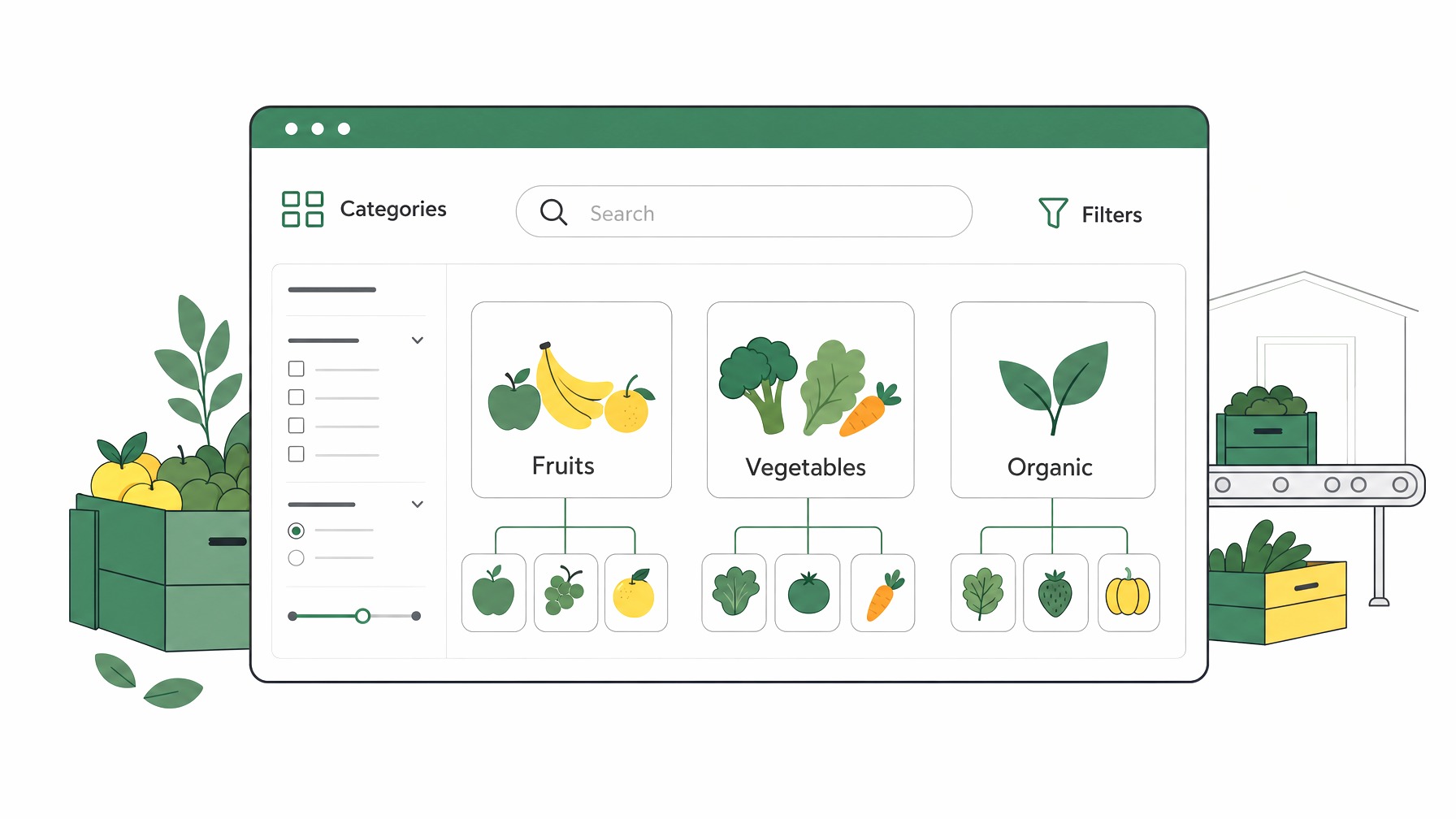
Implementing a search bar with filtering options further aids in navigation, allowing users to pinpoint exactly what they need.
- Clear product categories
- Search bar with filters
- Logical menu structure
Moreover, consider incorporating breadcrumbs on your site.
This feature helps users keep track of their location within the website, making it easier to navigate back to previous pages without frustration.
2. High-Quality Product Images
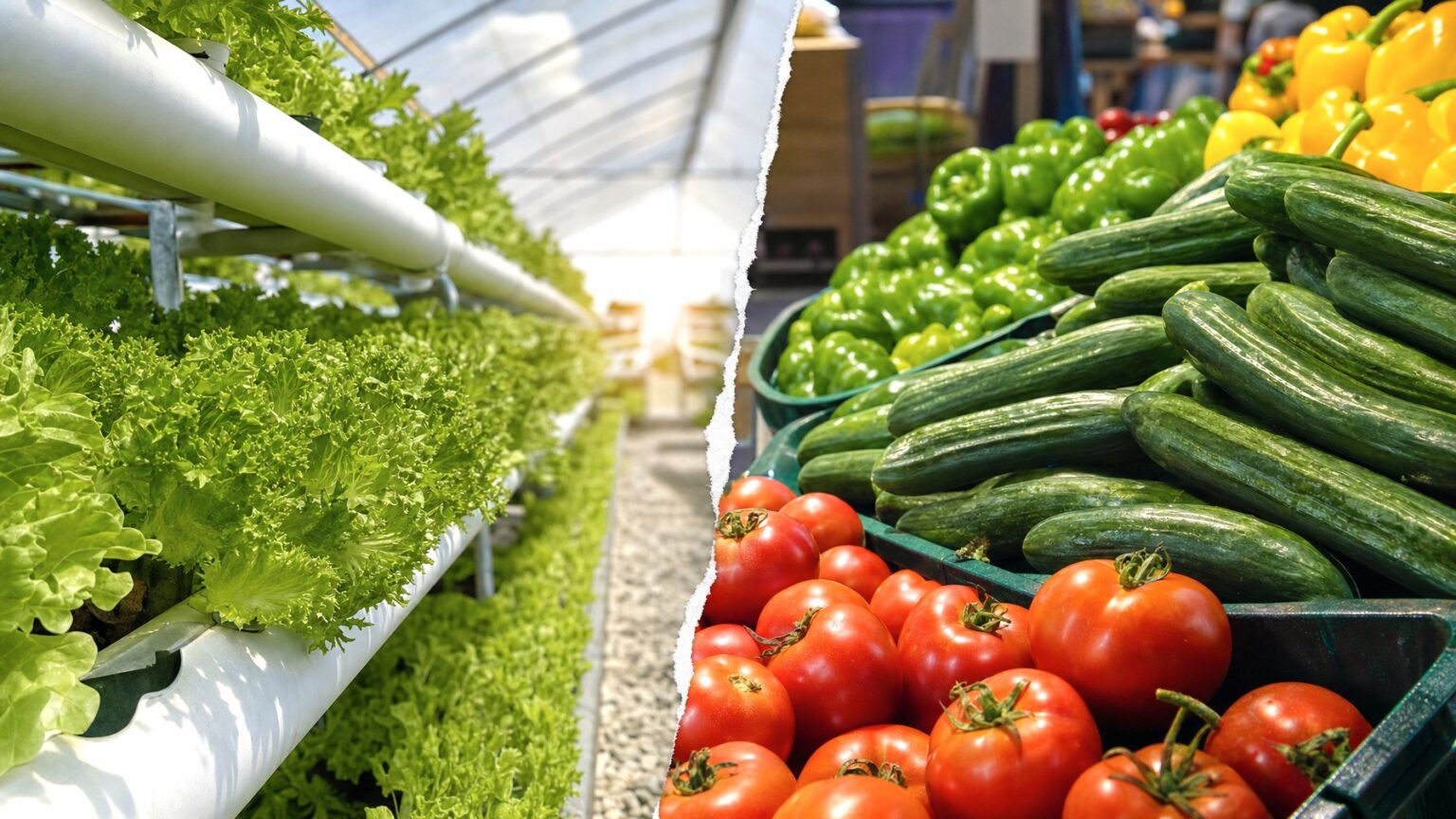
Visual appeal is crucial in online shopping, especially when it comes to fresh produce.
Customers want to see what they are buying, so high-quality images are essential.
These images should accurately represent the products, showcasing their freshness and quality.
Investing in professional photography can set your website apart.
Consider including multiple images from different angles and close-ups to highlight texture and color.
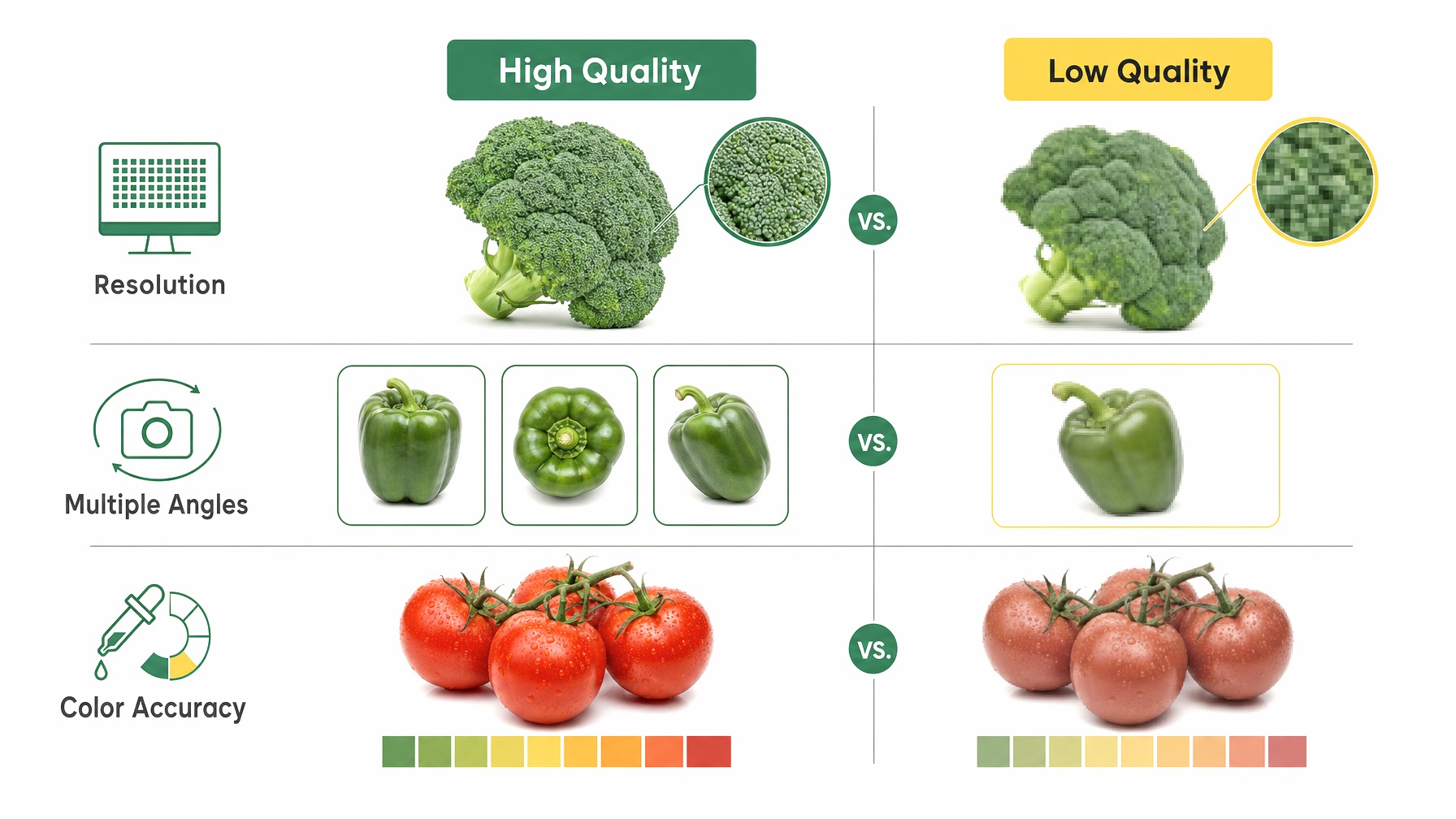
This not only builds customer trust but also enhances their online shopping experience.
- Professional quality images
- Multiple angles and close-ups
- True-to-life color representation
Ensure that images load quickly and are optimized for both desktop and mobile users.
Slow loading times can detract from user experience and lead to potential sales losses.
3. Real-Time Inventory Updates
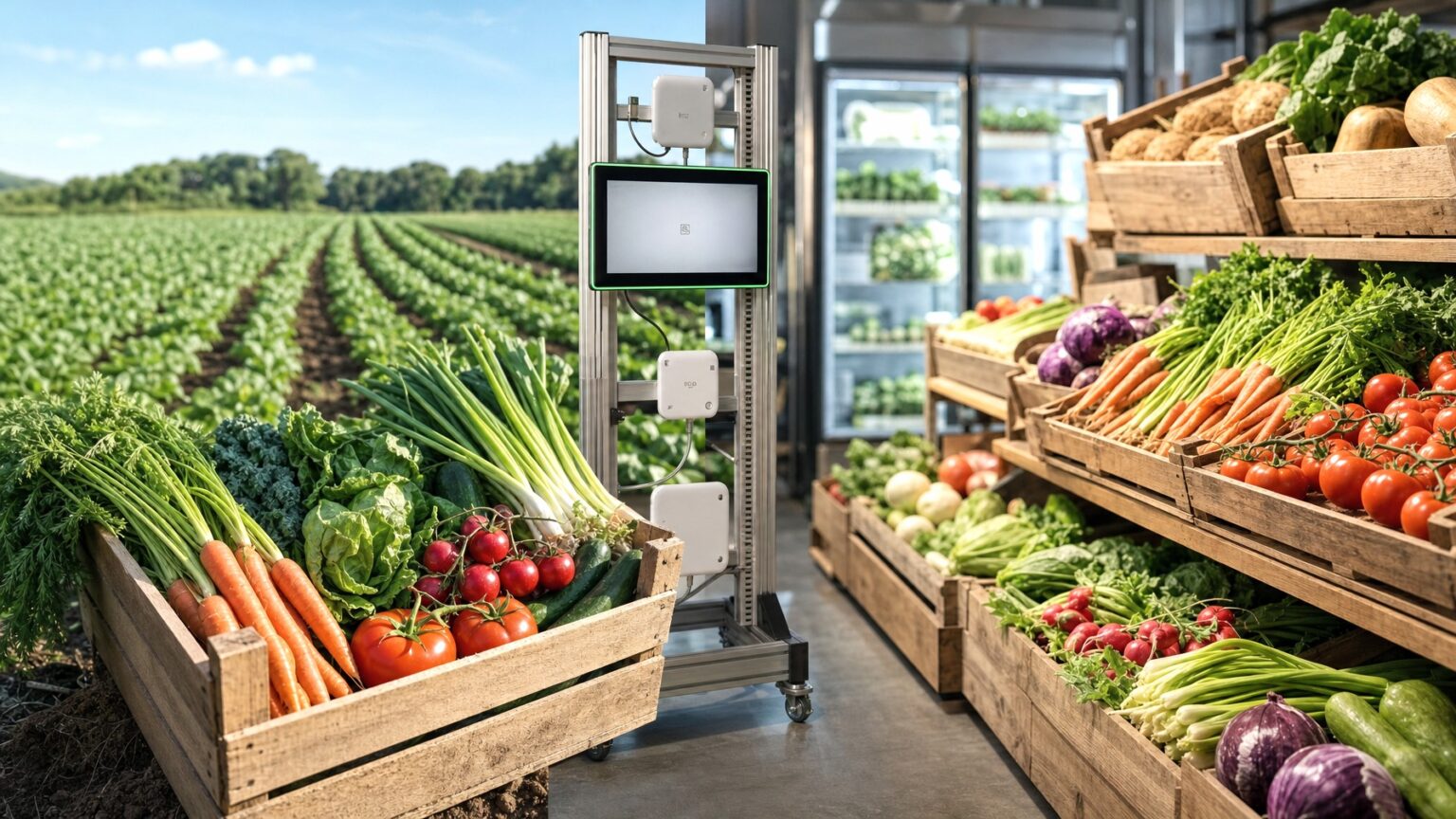
Keeping your inventory updated in real-time is critical for managing customer expectations and avoiding dissatisfaction.
In the world of perishables, out-of-stock items can be a common occurrence.
An effective inventory system prevents customers from ordering unavailable products, thus maintaining trust.
Integrate a system that automatically updates stock levels as orders are processed.
This transparency allows for better planning both for the business and the consumer, who can make informed purchasing decisions based on availability.
- Automated stock updates
- Transparent availability information
- Improved customer trust
Moreover, consider providing alternatives or suggested similar products when items are out of stock, enhancing customer satisfaction and sales opportunities.
4. Detailed Product Descriptions
Product descriptions are an opportunity to inform and engage customers.
In the produce sector, such descriptions should include details like origin, farming practices, nutritional information, and usage tips.
Detailed descriptions help customers understand what they are purchasing, which is particularly important for organic or specialty produce.
This transparency can differentiate your brand and build consumer loyalty.
- Origin and farming practices
- Nutritional information
- Suggested usage or recipes
Clear and concise descriptions, paired with high-quality images, provide a comprehensive overview of each product, encouraging informed buying decisions.
5. User Reviews and Ratings
User reviews and ratings offer social proof, which is a powerful persuader in the online shopping world.
Prospective buyers often rely on the experiences of others to make purchasing decisions.
Including a review system on your site allows customers to share feedback and rate products.
This not only aids potential buyers but also provides valuable insights into customer preferences and areas for improvement.
- Customer feedback and ratings
- Insights into customer satisfaction
- Opportunities for improvement
Encourage customers to leave honest reviews by offering incentives, such as discounts or loyalty points, to foster a community of engaged shoppers.
6. Robust Checkout Process
A smooth and secure checkout process is vital for converting shoppers into buyers.
Any friction at this stage can lead to cart abandonment, impacting sales.
Your checkout process should be streamlined, with minimal steps required to complete a purchase.
Offer multiple payment options to accommodate different preferences, and ensure that the process is optimized for mobile devices.
- Streamlined checkout flow
- Multiple payment methods
- Mobile optimization
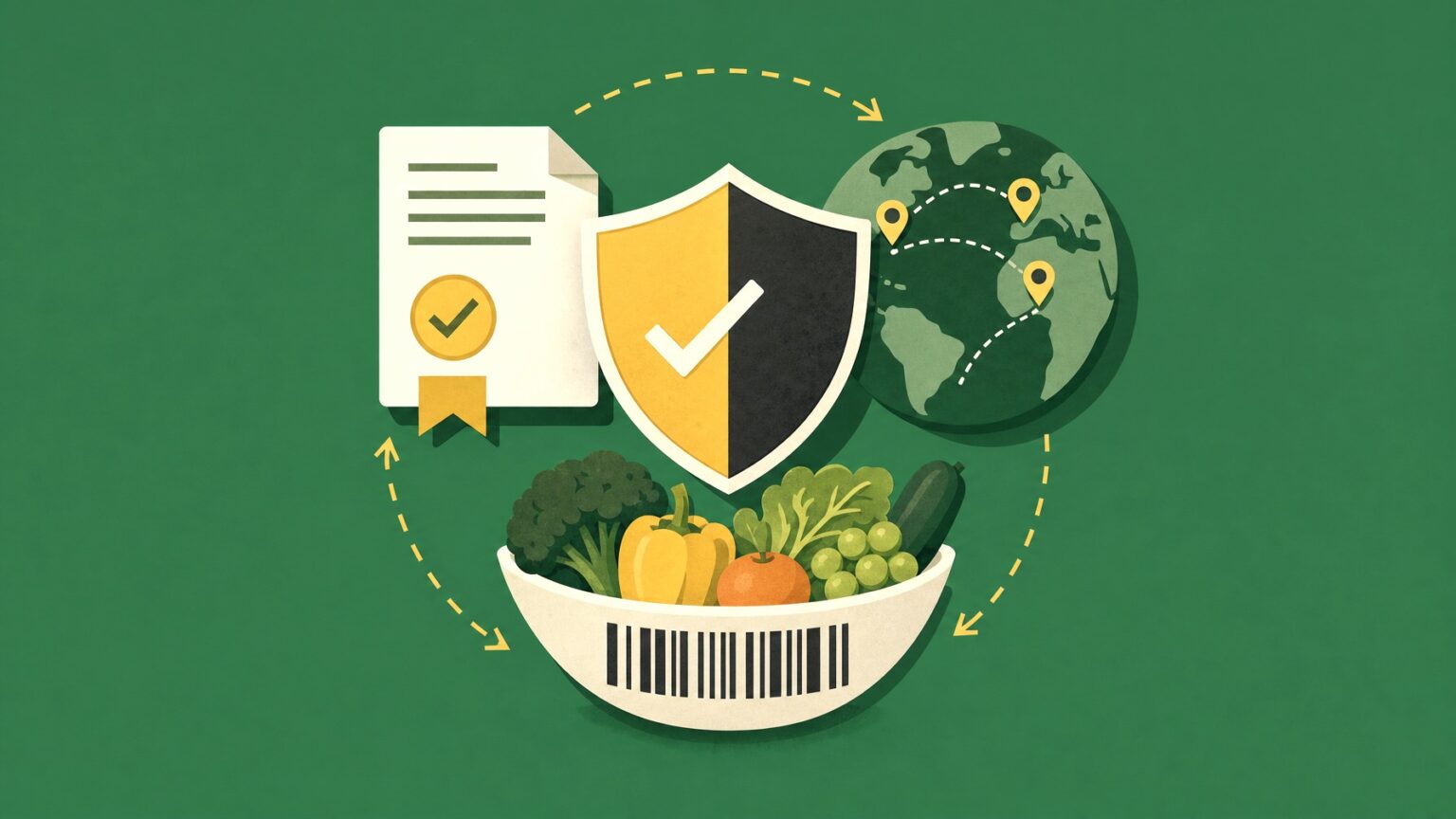
Security is paramount, so ensure that your payment processing is secure and compliant with industry standards.
Trust badges and encryption can reassure customers of their data’s safety.
7. Efficient Delivery Options
Delivery is a critical component of the e-commerce experience, particularly for perishable goods.
Customers expect their produce to arrive fresh and on time.
Offer various delivery options, such as same-day or next-day delivery, to meet different customer needs.
A reliable delivery partner can ensure that your products reach customers in optimal condition.
- Flexible delivery schedules
- Reliable delivery partners
- Freshness assurance
Consider implementing tracking features so customers can monitor their order status in real time, enhancing transparency and satisfaction.
8. Mobile-Friendly Design
With a significant portion of e-commerce traffic coming from mobile devices, having a mobile-friendly site is non-negotiable.
Your website should offer a seamless experience across all devices.
Responsive design ensures that your site adjusts to different screen sizes, maintaining functionality and aesthetics.
This is crucial for engaging customers and reducing bounce rates.
- Responsive design
- Consistent functionality
- Reduced bounce rates
Test your site on various devices to ensure a smooth user experience, which can lead to higher conversion rates and customer satisfaction.
The Bottom Line
A successful produce e-commerce website hinges on features that enhance user experience and ensure product freshness.
From intuitive navigation to real-time inventory updates, each element plays a vital role in customer satisfaction.
By integrating these essential features, you can build a platform that not only meets consumer expectations but also sets your business apart in the competitive online marketplace.
These strategic enhancements will help you attract and retain customers, ultimately driving growth and success in your produce e-commerce operations.