The recent cyclosporiasis outbreak in the United States has significantly impacted consumer behavior concerning fresh produce purchases.
According to a recent Ipsos poll, approximately 30% of Americans reported purchasing less fresh produce from grocery stores.
This change in purchasing patterns reflects a broader concern about the safety of fresh produce, which has been exacerbated by the recent outbreak.
The outbreak, initially linked to iceberg lettuce from Taylor Farms de Mexico supplied to Taco Bell, has led to a widespread apprehension about consuming fresh produce.
In addition to reducing grocery store purchases, the poll revealed that 25% of consumers have cut back on the amount of produce they consume when eating out.
- 30% of Americans buy less fresh produce due to safety fears.
- 25% reduce produce intake when dining out amid contamination concerns.
- 15% have shifted from fresh to frozen produce for perceived safety.
- 35% of consumers increased precautions by washing produce more rigorously.
- Long-term consumer confidence in fresh produce remains significantly affected.
This shift in behavior indicates a growing wariness of potential contamination risks in public dining settings.
Furthermore, 15% of respondents have switched from fresh to frozen produce, seeking what they perceive as a safer alternative.
Interestingly, 35% of consumers have become more stringent about washing produce at home, reflecting heightened awareness and precautionary measures in households across the country.
The outbreak, which resulted in nearly 20,000 confirmed cases between May 1 and August 31, involved more than a dozen suspected foods, including blueberries, jalapenos, and various fruits.
The US Centers for Disease Control and Prevention (CDC) has since noted a decline in outbreak cases, leading to the cessation of regular updates.
However, the impact on consumer behavior remains evident in the produce industry.
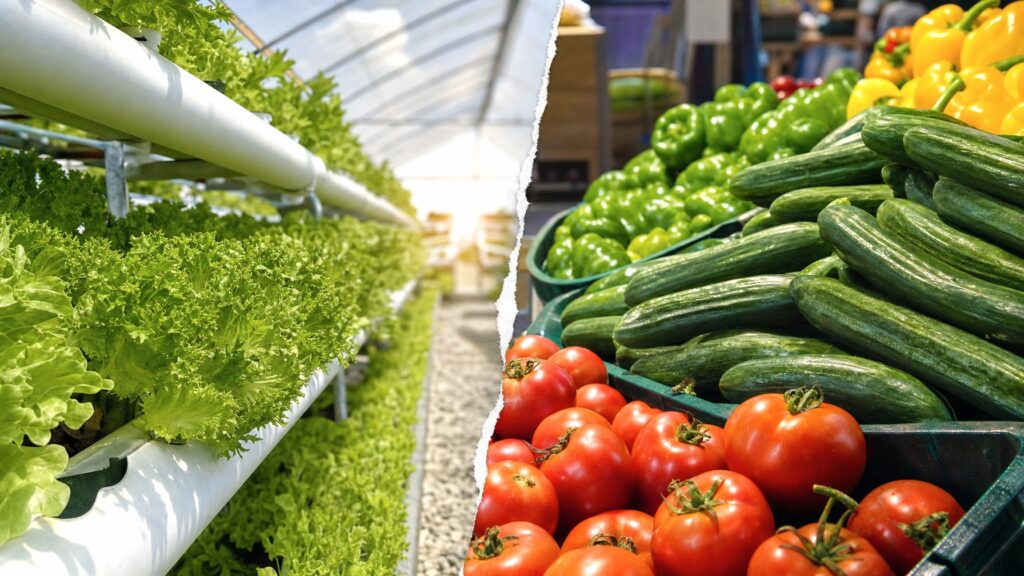
Sales of leafy greens fell by up to 30% during the summer, while vegetable sales declined by 16% and fruit sales dropped by 17%.
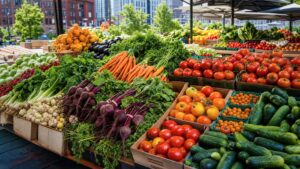
The outbreak’s ripple effects have extended to farmers’ markets, with 10% of respondents admitting to reducing their purchases from these venues.
This trend underscores the broader implications of the outbreak on local produce vendors and the overall supply chain.
While the CDC has managed to control the outbreak’s spread, the long-term impact on consumer confidence in fresh produce remains a significant concern for industry stakeholders.
As the industry works to reassure consumers and regain trust, the focus will likely remain on enhancing safety protocols and promoting transparency in the produce supply chain.