Ensuring the freshness of produce is a critical task for any professional in the fresh produce industry.
The quality of fruits and vegetables not only impacts consumer satisfaction but also influences business success and profitability.
As the industry evolves, so do the methods for assessing produce freshness.
Understanding and implementing reliable techniques can enhance your ability to deliver high-quality products consistently.
In this article, we will explore seven proven techniques for measuring produce freshness.
These methods are designed to help growers, shippers, retailers, and marketers maintain the highest standards of quality.
Each technique offers unique insights into the condition of the produce, ensuring that only the best reaches the consumer’s table.
From traditional sensory evaluations to modern technological advancements, these techniques provide a comprehensive approach to freshness assessment.
By integrating these strategies into your operations, you can improve product quality, reduce waste, and boost customer satisfaction.
1. Visual Inspection
Visual inspection remains one of the most straightforward yet effective methods for assessing freshness.
By examining produce for obvious signs of spoilage, industry professionals can make quick judgments about quality.
Look for common indicators such as discoloration, bruises, or mold.
These visual cues can signal deterioration and impact a product’s marketability.
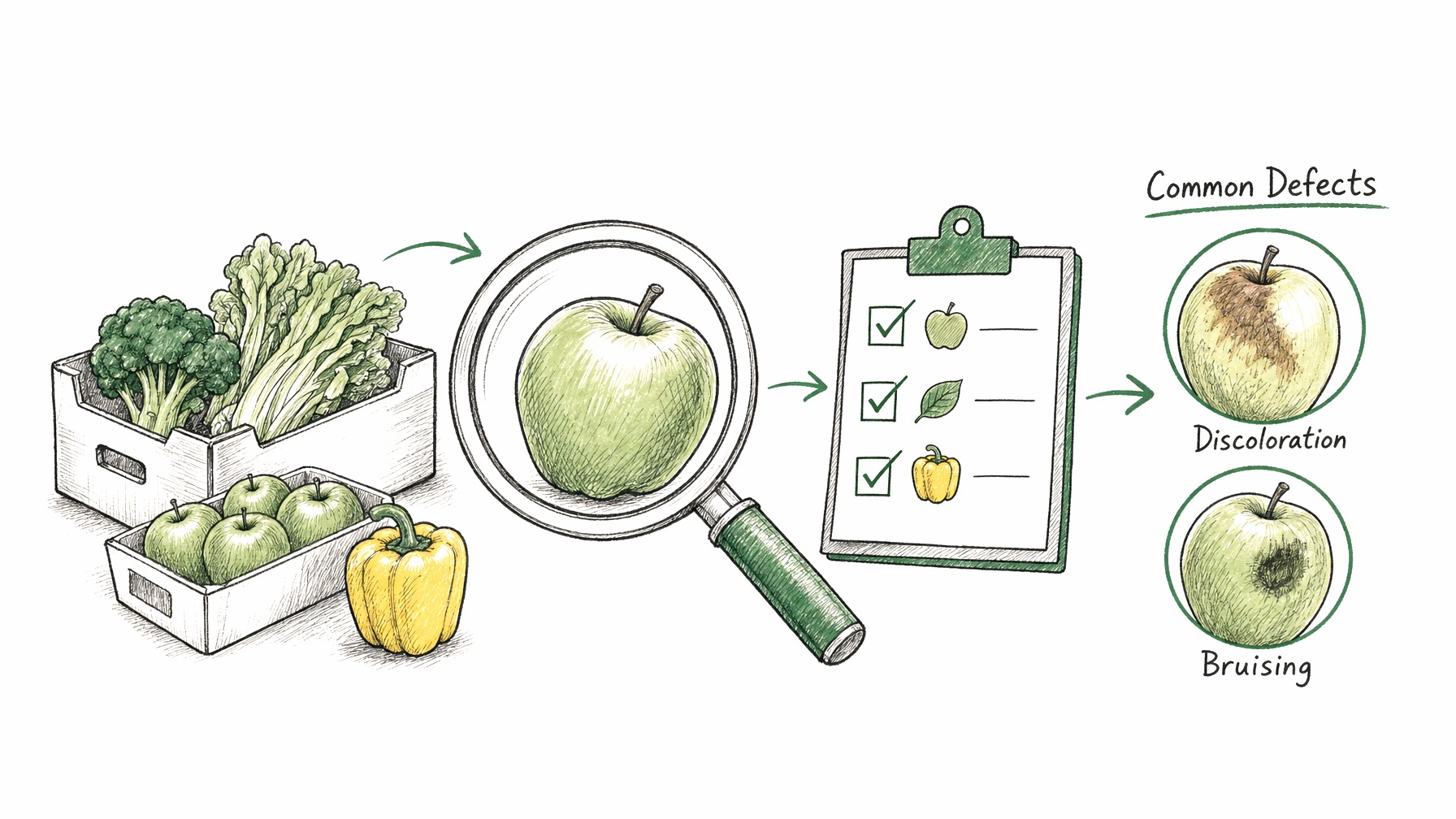
- Check for uniform color and texture.
- Identify any signs of dehydration or wilting.
- Avoid produce with visible damage or rot.
Training staff to recognize these signs can significantly improve the consistency of quality control processes.
While visual inspections are valuable, they should be complemented with other techniques to ensure a comprehensive assessment.
This method is most effective when used alongside more detailed evaluations.
2. Firmness Testing
Firmness is a key indicator of produce freshness, especially for fruits.
Using a firmness tester, professionals can gauge the maturity and freshness of produce by measuring resistance to pressure.
This technique is particularly useful for fruits like apples and pears, where texture plays a crucial role in consumer satisfaction.
Devices like penetrometers can provide consistent and objective measurements.
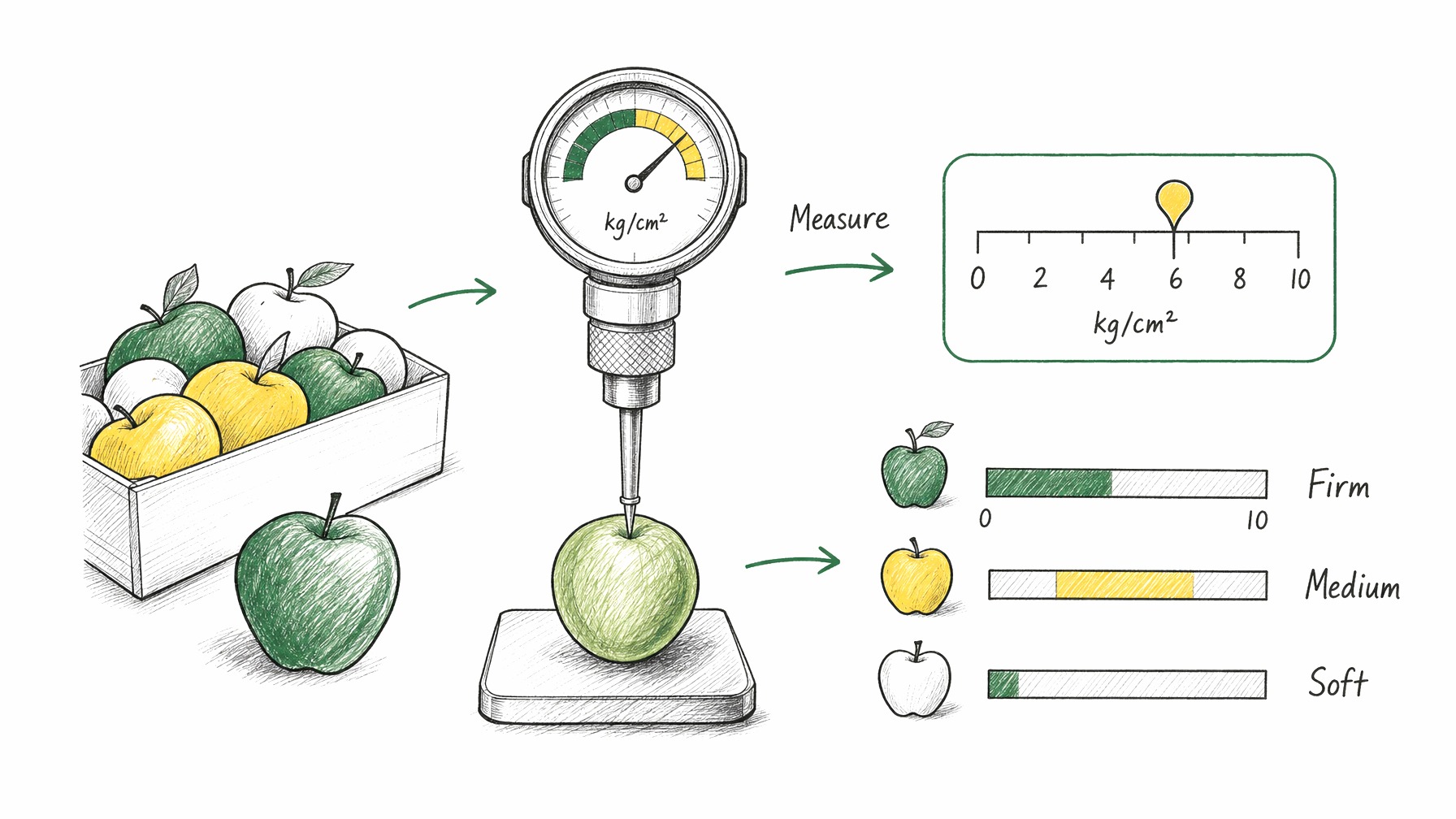
- Test various points on the produce for consistent results.
- Compare measurements against standard benchmarks.
- Regularly calibrate equipment to maintain accuracy.
Firmness testing offers a quantitative measure that complements visual inspections.
It helps identify produce that, while visually perfect, may be past its prime.
3. Brix Testing
Brix testing measures the sugar content in fruits and vegetables, providing insights into ripeness and flavor.
This method is essential for ensuring that produce meets consumer expectations for taste.
Using a refractometer, produce professionals can quickly and accurately assess the sweetness of the product.
Brix levels are particularly important for fruits like grapes and melons.
- Ensure the produce sample is representative.
- Calibrate the refractometer before use.
- Compare results to industry standards for optimal sweetness.
By incorporating Brix testing into quality control routines, businesses can enhance product appeal and customer satisfaction.
4. Temperature Monitoring
Temperature significantly affects produce freshness.
By monitoring storage and transport conditions, professionals can prevent spoilage and extend shelf life.
Implementing a comprehensive cold chain system ensures that produce remains at optimal temperatures throughout the supply chain.
This includes using temperature loggers to track conditions in real-time.
- Set temperature thresholds for different types of produce.
- Regularly check and maintain refrigeration systems.
- Train staff on best practices for temperature management.
Temperature monitoring is vital for maintaining freshness, particularly for highly perishable items like leafy greens and berries.
5. Gas Analysis
Gas analysis involves measuring the levels of gases like ethylene and carbon dioxide, which can affect produce ripening and deterioration.
This technique helps in managing storage environments effectively.
By monitoring gas levels, professionals can adjust conditions to slow down spoilage and extend the freshness of produce.
- Use gas analyzers to detect ethylene production.
- Implement controlled atmosphere storage for sensitive produce.
- Regularly review and adjust storage conditions.
Gas analysis is particularly beneficial for managing climacteric fruits, which continue to ripen after harvest.
6. Sensory Evaluation
Sensory evaluation involves using human senses to assess produce quality.
Professionals trained in this technique can detect subtle differences in aroma, flavor, and texture that machines might miss.
This method is invaluable for products like herbs and spices, where aroma significantly influences consumer preference.
- Conduct evaluations in a controlled environment.
- Use standardized scales for consistency.
- Regularly train evaluators to enhance detection skills.
While subjective, sensory evaluation provides a comprehensive understanding of produce quality that complements more technical assessments.
7. Shelf Life Testing
Shelf life testing involves storing produce under controlled conditions to determine how long it remains fresh.
This technique helps in predicting the product’s lifespan and planning inventory effectively.
By simulating real-world conditions, professionals can gain insights into how produce will behave in retail environments.
- Test different storage conditions to identify optimal settings.
- Monitor changes in quality over time.
- Use findings to improve supply chain management.
Shelf life testing is crucial for reducing waste and ensuring that consumers receive the freshest possible products.