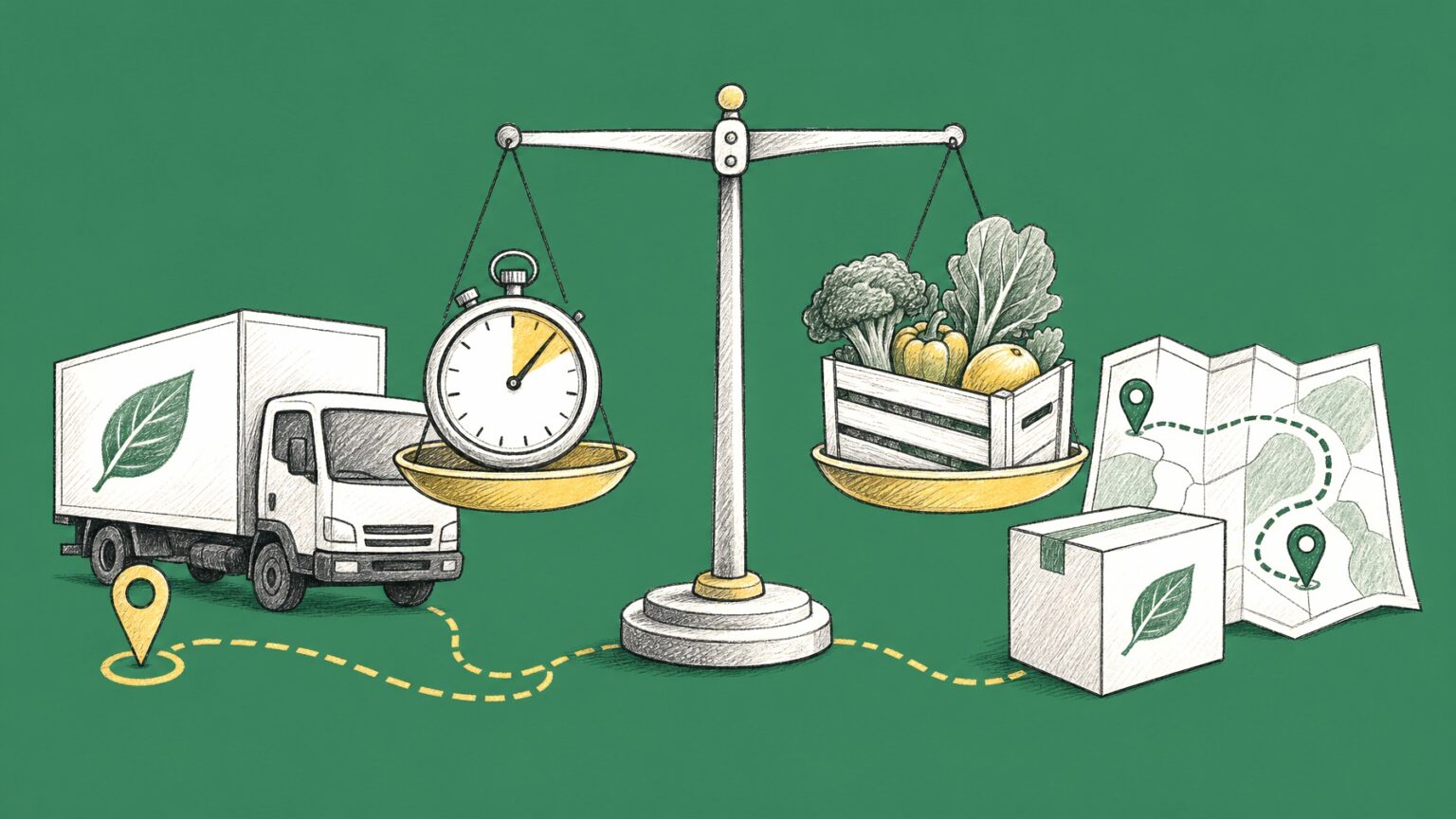
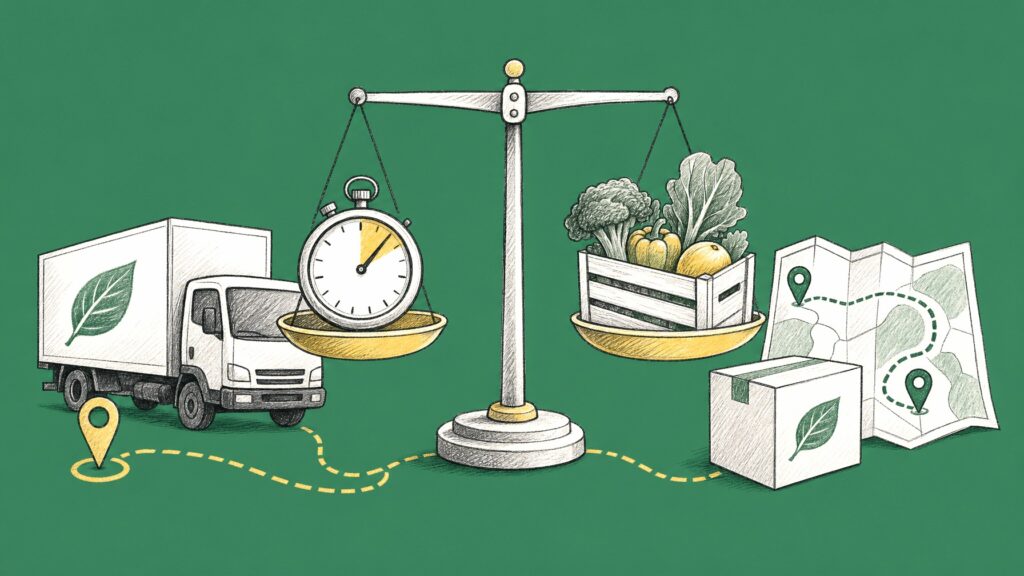
In the fresh produce industry, the last-mile delivery is often the most challenging segment of the supply chain.
Ensuring that fruits and vegetables reach their destination in peak condition requires meticulous planning and execution.
As consumer demand for fresh produce continues to rise, businesses must adapt their last-mile strategies to maintain quality and reduce waste.
One of the primary concerns in last-mile delivery is maintaining the integrity of the cold chain.
With the potential for delays and mishaps, produce can easily become spoiled, leading to significant financial losses.
Therefore, the industry must focus on innovative solutions to streamline this critical phase.
Understanding the key factors that influence last-mile delivery can help produce executives, growers, and retailers improve their logistics strategies.
In this article, we will explore five essential elements that contribute to successful last-mile delivery in the fresh produce sector.
1. Integration of Advanced Technology
Technology plays a pivotal role in optimizing last-mile delivery.
From GPS tracking to automated routing, these tools enhance efficiency and transparency.
By integrating advanced technology, businesses can better manage their delivery fleets and reduce delays.
Real-time tracking systems provide valuable data that helps companies monitor their fleet’s location and predict delivery times.
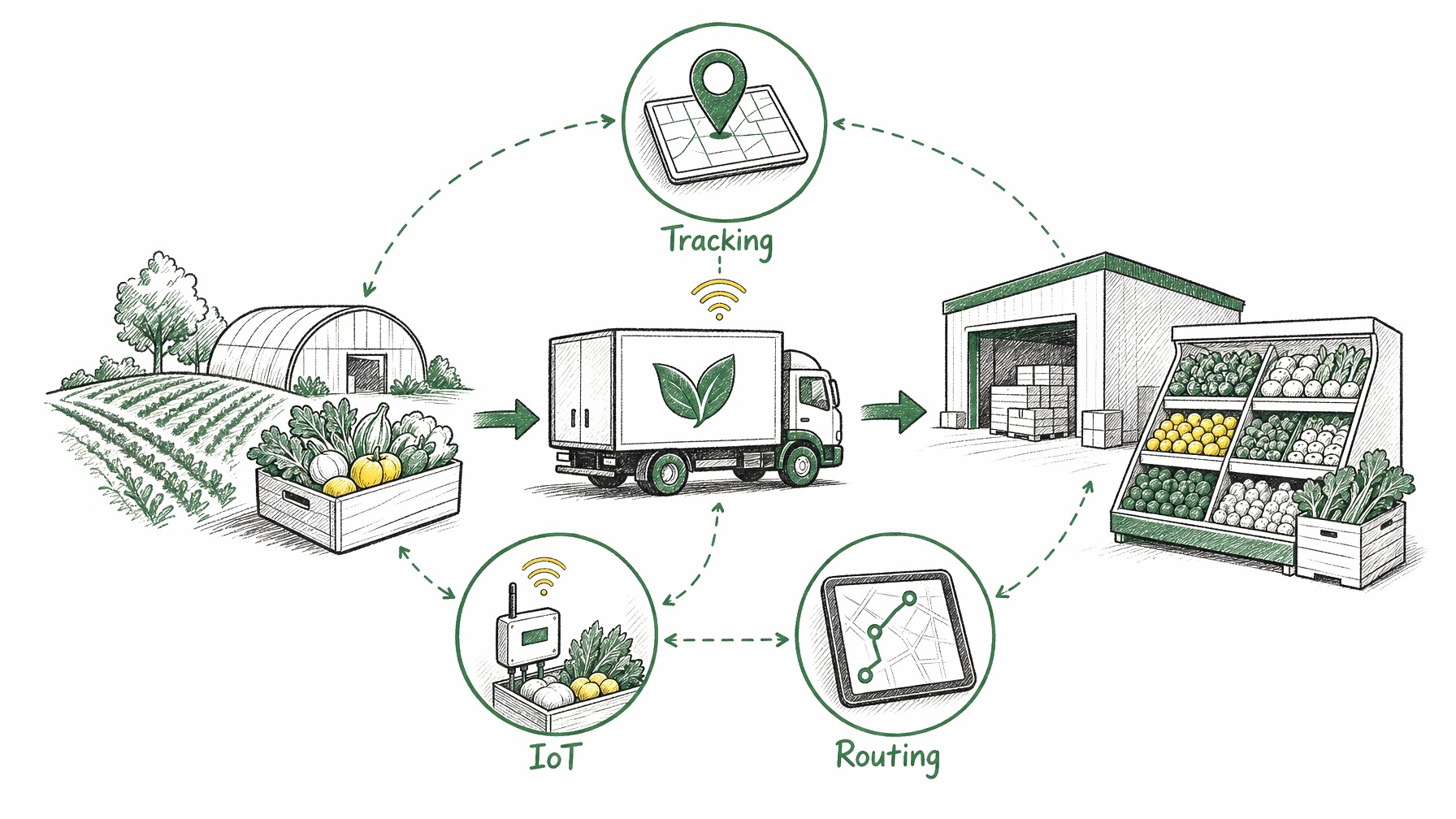
This transparency is crucial for maintaining customer satisfaction, as it allows them to track their orders and plan accordingly.
- Use of GPS for real-time tracking
- Automated routing to optimize delivery paths
- Integration of IoT devices for temperature monitoring
Furthermore, employing Internet of Things (IoT) sensors can help monitor the temperature and humidity of produce during transit.
This real-time data ensures that the cold chain remains intact, minimizing the risk of spoilage.
2. Efficient Packaging Solutions
Packaging is a critical factor in maintaining the quality of produce during the last mile.
Effective packaging solutions not only protect the produce but also contribute to sustainability efforts by reducing waste.
Choosing the right packaging materials can help extend the shelf life of fruits and vegetables.
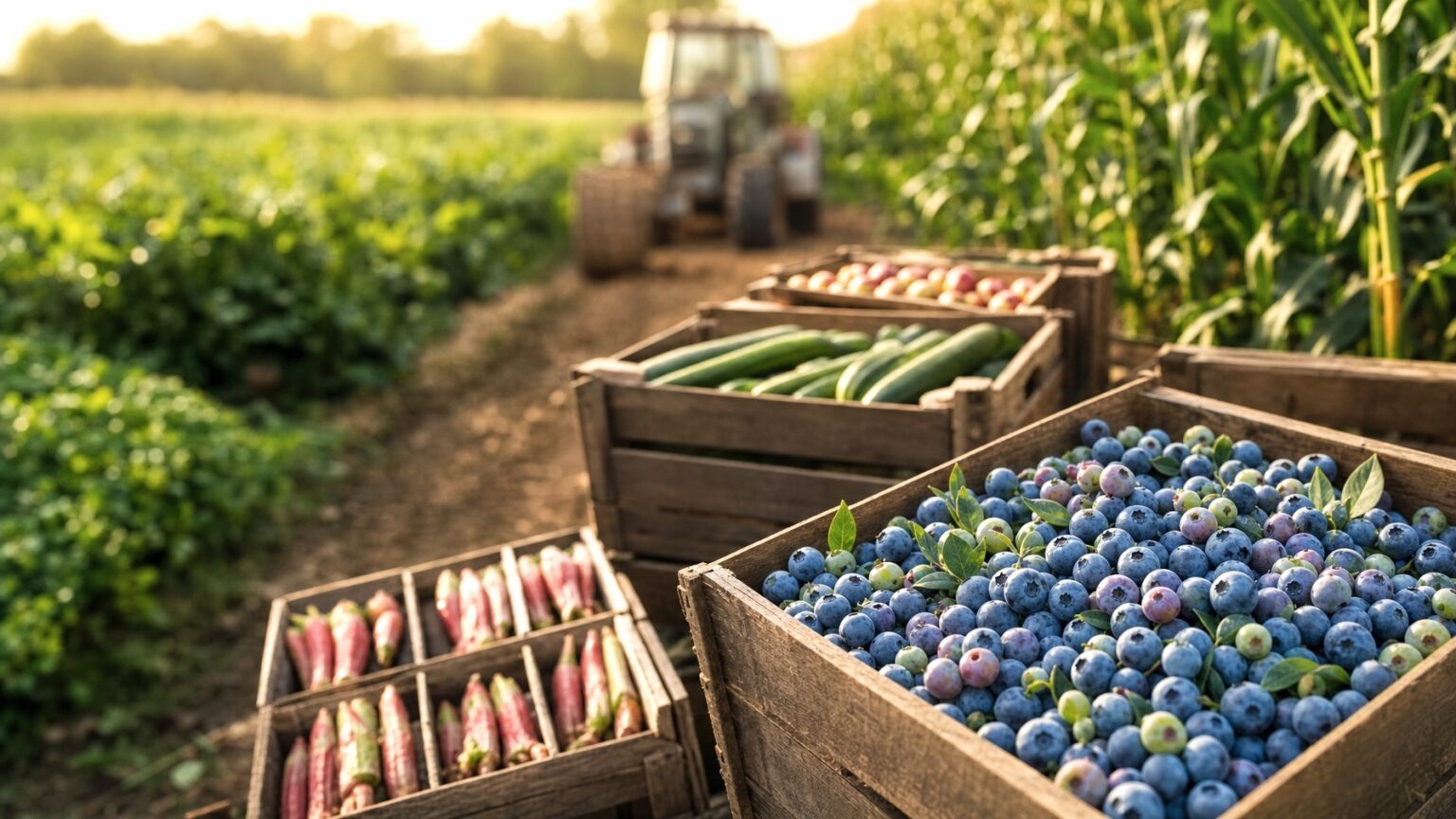
This is especially important for delicate items like berries and leafy greens, which are more susceptible to damage.
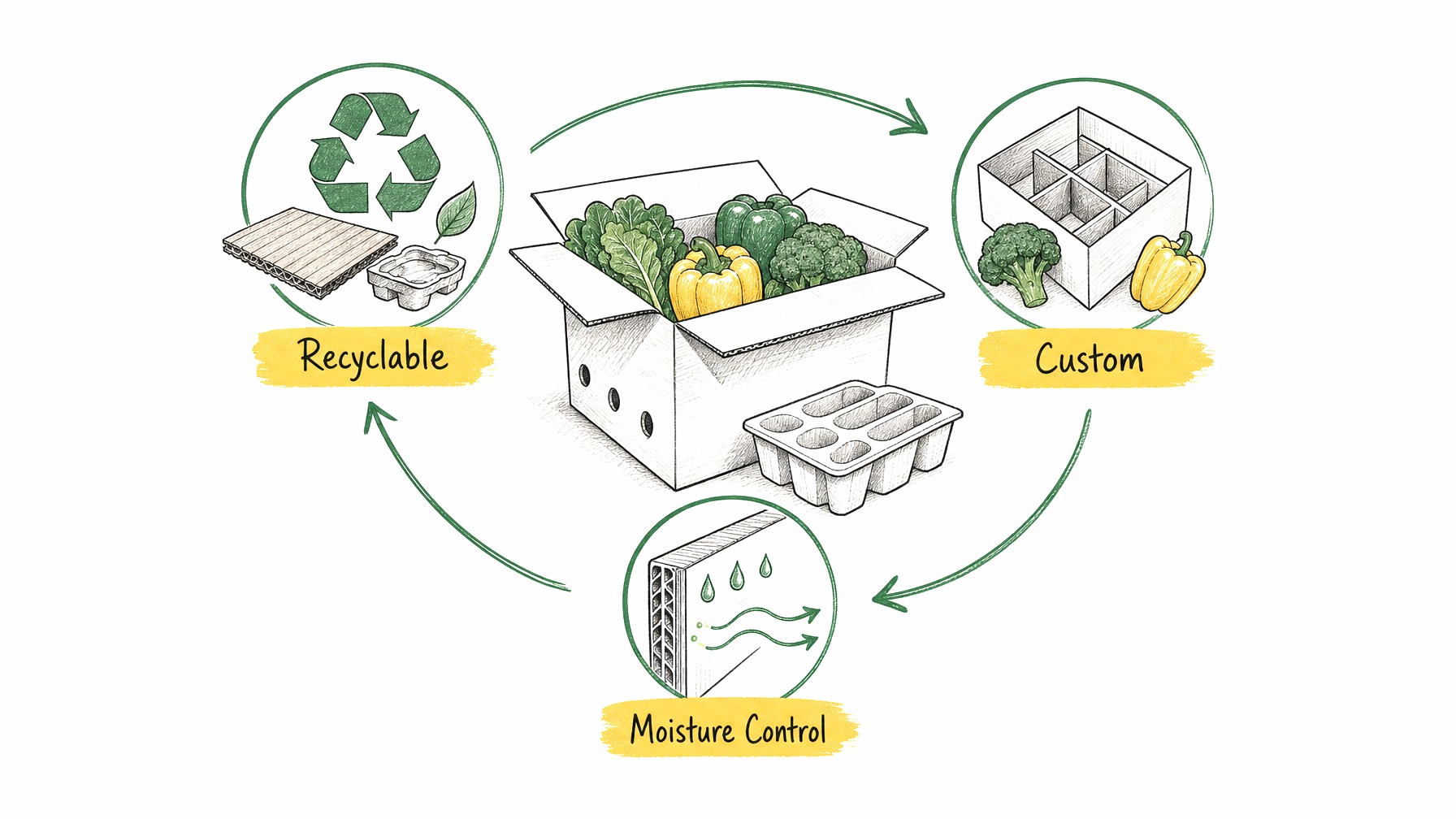
- Utilizing recyclable and biodegradable materials
- Designing custom packaging for specific produce types
- Implementing moisture control packaging technologies
There is also an increasing trend towards using eco-friendly packaging solutions.
By adopting recyclable or biodegradable materials, companies can reduce their environmental impact while still ensuring product safety.
3. Strategic Location of Distribution Centers
The placement of distribution centers significantly influences the efficiency of last-mile delivery.
Strategically located centers can reduce transit times and costs, ensuring that produce reaches its destination quickly and in optimal condition.
Proximity to urban areas is particularly advantageous, as it allows for faster delivery to high-demand regions.
This strategic positioning is crucial for meeting tight delivery windows and maintaining produce freshness.
- Positioning near major urban centers
- Accessibility to major transportation routes
- Scalability to meet fluctuating demand
Additionally, having scalable distribution centers ensures flexibility in operations, allowing businesses to adapt to seasonal fluctuations and varying demand levels.
4. Partnering with Reliable Logistics Providers
Collaborating with dependable logistics partners is essential for successful last-mile delivery.
These partners bring expertise and resources that can enhance the efficiency and reliability of the delivery process.
Working with logistics providers who specialize in fresh produce can ensure that the cold chain is maintained throughout the delivery cycle.
This expertise is invaluable in preventing spoilage and ensuring customer satisfaction.
- Selection of providers with cold chain expertise
- Regular performance assessments
- Collaboration for continuous improvement
Regularly assessing the performance of logistics providers helps identify areas for improvement and fosters a collaborative approach to overcoming challenges.
5. Commitment to Sustainability Practices
Incorporating sustainability into last-mile delivery strategies is increasingly important for produce businesses.
Consumers are becoming more environmentally conscious, and companies must respond by adopting green logistics practices.
Implementing electric or hybrid delivery vehicles can significantly reduce carbon emissions and operational costs.
These vehicles not only promote sustainability but also align with government regulations aimed at reducing environmental impact.
- Usage of eco-friendly vehicles
- Optimization of delivery routes for reduced emissions
- Adoption of sustainable packaging
Furthermore, optimizing delivery routes can contribute to sustainability efforts by minimizing fuel consumption and emissions.
This commitment to green practices enhances brand reputation and meets consumer expectations.