
For produce businesses, aligning operations with seasonal trends is not just an opportunity but a necessity.
Seasonal shifts affect everything from supply chain logistics to marketing strategies.
Successfully adapting to these changes can lead to increased profitability and customer satisfaction.
This article explores six essential tips for aligning your produce business with seasonal trends.
Whether you are a grower, shipper, retailer, or marketer, understanding the dynamics of seasonal shifts is crucial.
The ability to anticipate and respond to these changes in a timely manner can set you apart from competitors.
Let’s delve into practical strategies that yield tangible results.
From adjusting supply chains to fine-tuning marketing efforts, seasonal trends demand a multifaceted approach.
These tips are designed to provide actionable insights for various roles within the produce industry.
Adaptability is key, and these strategies will help your business thrive in the ever-changing landscape of fresh produce.
1. Optimize Your Supply Chain
Optimizing your supply chain is the first step in adapting to seasonal trends.
This involves ensuring that your logistics operations are flexible enough to handle fluctuations in supply and demand.
Seasonal changes can impact the availability of certain produce items, affecting your supply chain dynamics.
To mitigate these challenges, establish strong relationships with suppliers and distributors.
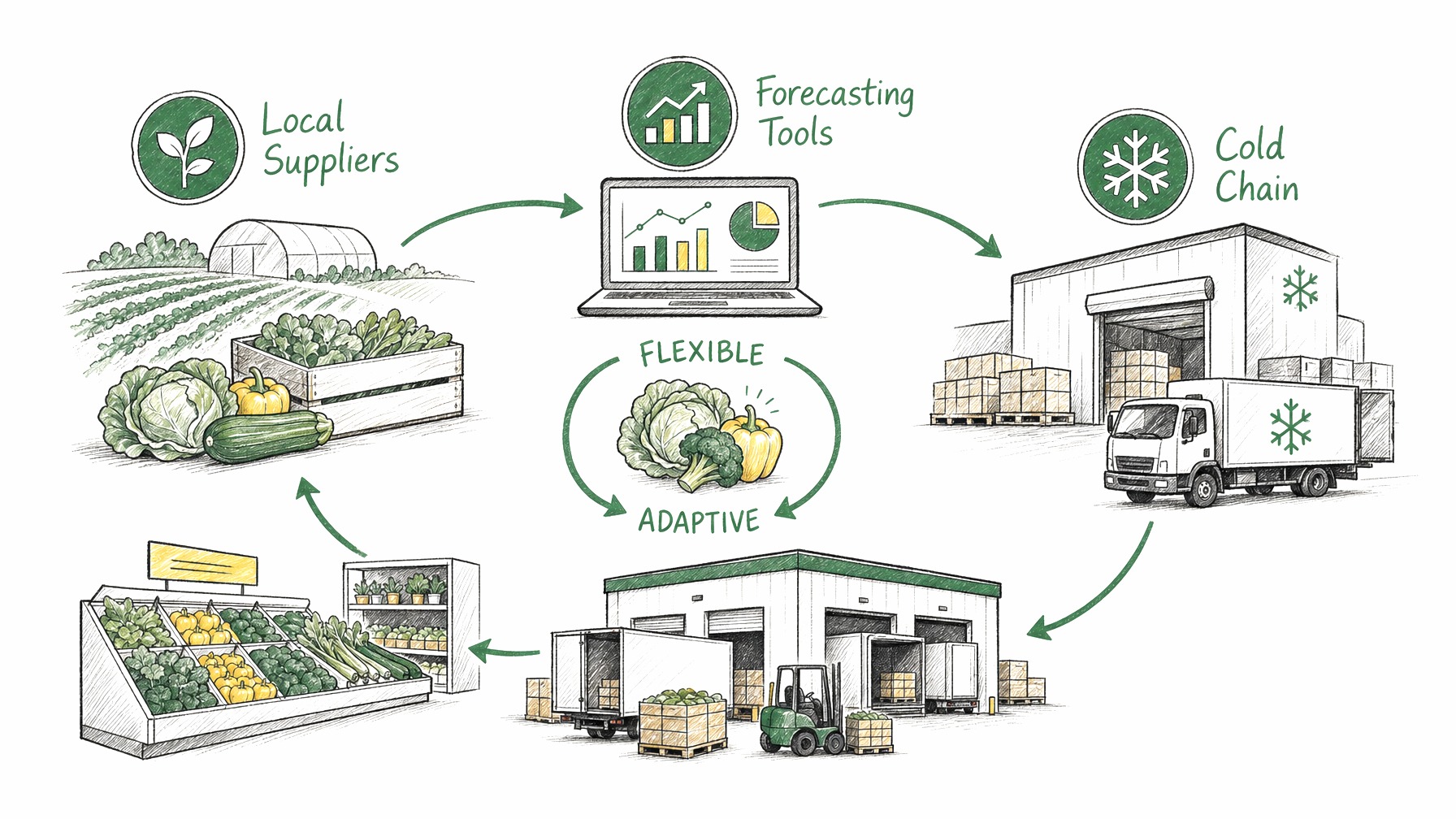
This network can provide valuable insights into expected seasonal changes, helping you prepare accordingly.
- Build a robust network of local and regional suppliers.
- Implement advanced forecasting tools for better demand prediction.
- Enhance your cold chain capabilities to maintain product freshness.
Another key aspect is integrating technology throughout the supply chain.
Real-time data can help in making informed decisions quickly, ensuring that your supply chain remains resilient and responsive to seasonal shifts.
2. Tailor Your Marketing Strategies
Marketing strategies should be aligned with seasonal trends to maximize engagement and sales.
Different seasons call for different marketing approaches, reflecting the availability and appeal of various produce items.
Consider seasonal promotions and campaigns that highlight the unique aspects of the produce available during different times of the year.
Tailoring your messaging to emphasize freshness or seasonal exclusivity can enhance consumer interest.
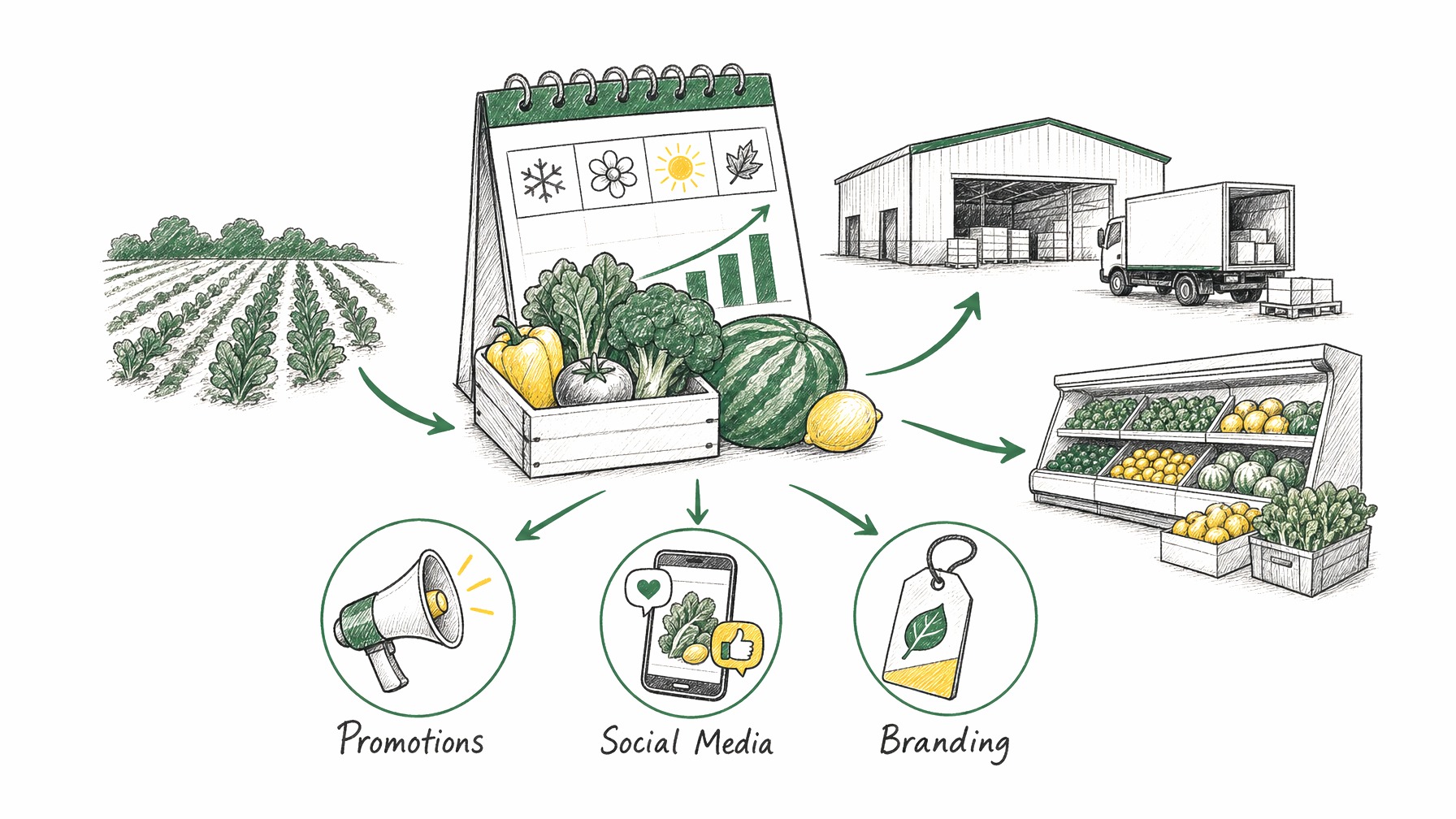
- Create seasonal promotions that align with customer preferences.
- Utilize social media platforms to amplify seasonal messages.
- Incorporate seasonal themes into your branding and advertising efforts.
It is also beneficial to analyze consumer behavior during different seasons to refine your marketing strategies.
By understanding what drives consumer decisions in each season, you can better target your audience and increase sales.
3. Diversify Your Product Portfolio
Diversifying your product portfolio is essential to capitalize on seasonal trends.
Offering a wider range of seasonal produce can attract more customers and increase sales.
It also helps mitigate the risk of relying too heavily on a single product.
Identify which produce items are popular in each season and adjust your product offerings accordingly.
This not only meets customer demand but also enhances your brand as a versatile and responsive provider.
- Introduce new seasonal produce varieties regularly.
- Blend traditional and innovative products to appeal to a broader audience.
- Highlight seasonal exclusives in your product lineup.
By keeping your product range dynamic, you can better adapt to changing market conditions and consumer preferences, ensuring consistent business growth.
4. Enhance Customer Experience
Enhancing the customer experience is a powerful way to build loyalty and drive sales, especially during seasonal transitions.
Tailoring the shopping experience to reflect seasonal trends can keep consumers engaged and coming back for more.
Focus on creating an intuitive and enjoyable shopping experience.
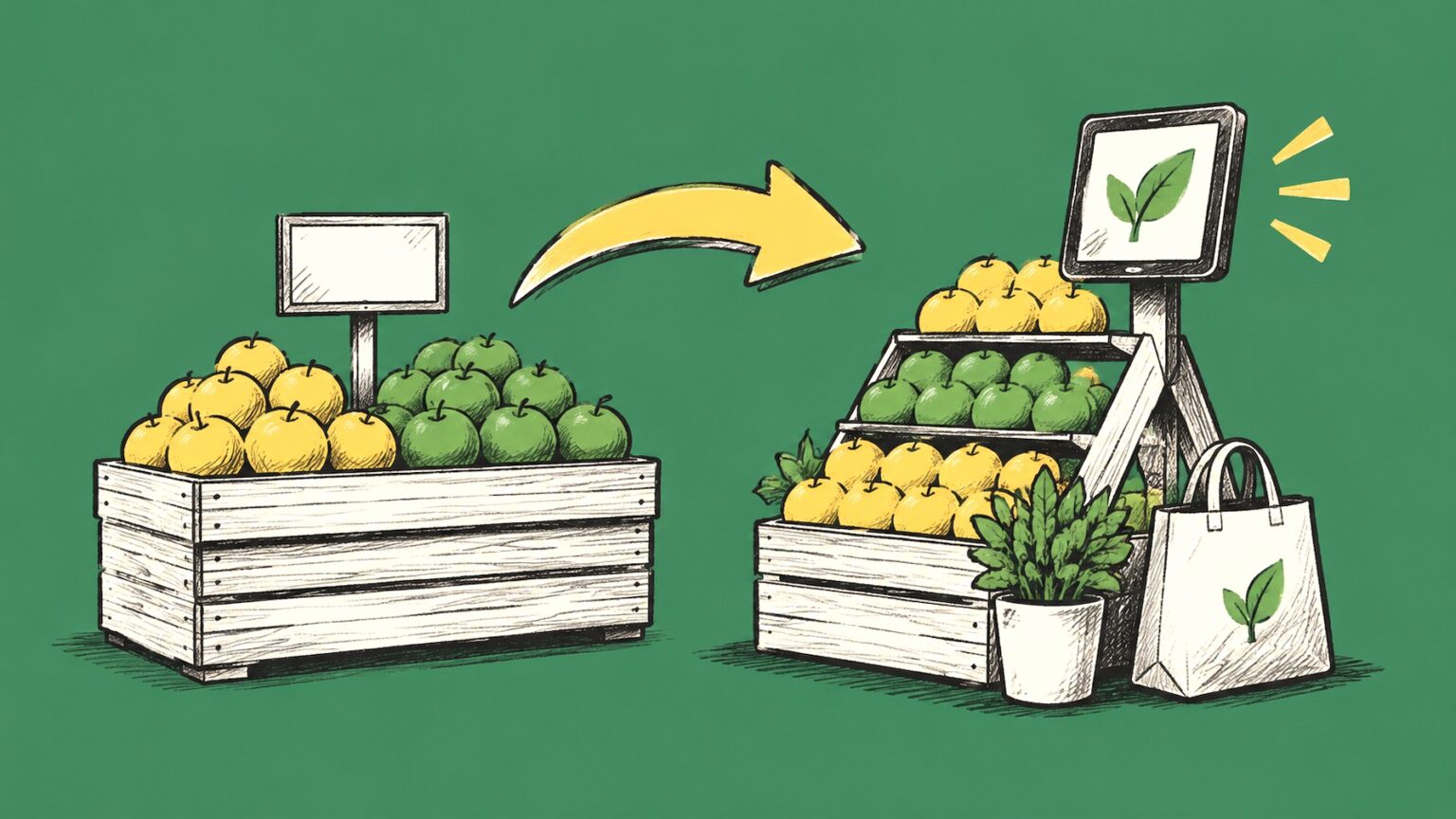
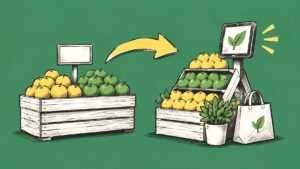
This can be achieved through informative in-store displays that highlight seasonal produce or online platforms that offer personalized recommendations based on seasonal availability.
- Implement interactive in-store displays showcasing seasonal produce.
- Offer seasonal recipe cards to inspire customers.
- Use digital platforms to personalize shopping experiences.
By prioritizing customer experience, you can differentiate your brand and create lasting impressions that drive repeat business.
5. Invest in Sustainable Practices
Sustainable practices are increasingly important in the produce industry.
Adapting these practices to align with seasonal trends not only benefits the environment but can also enhance your brand’s reputation.
Consider the environmental impact of your operations and seek ways to minimize waste and optimize resource use during each season.
This could involve adjusting growing practices or optimizing transportation routes to reduce carbon emissions.
- Implement waste reduction strategies tailored to each season.
- Adopt eco-friendly packaging and labeling options.
- Focus on energy-efficient logistics and warehousing solutions.
By committing to sustainability, you can appeal to environmentally conscious consumers and improve operational efficiency, ultimately contributing to long-term success.
6. Monitor Market Trends Regularly
Regularly monitoring market trends is vital for adapting to seasonal changes effectively.
Staying informed about industry developments allows you to anticipate shifts and adjust your strategies accordingly.
Utilize market research tools and industry reports to gather insights into emerging trends.
This information can guide your decision-making and help you stay ahead of competitors who may be slower to adapt.
- Subscribe to industry publications for the latest updates.
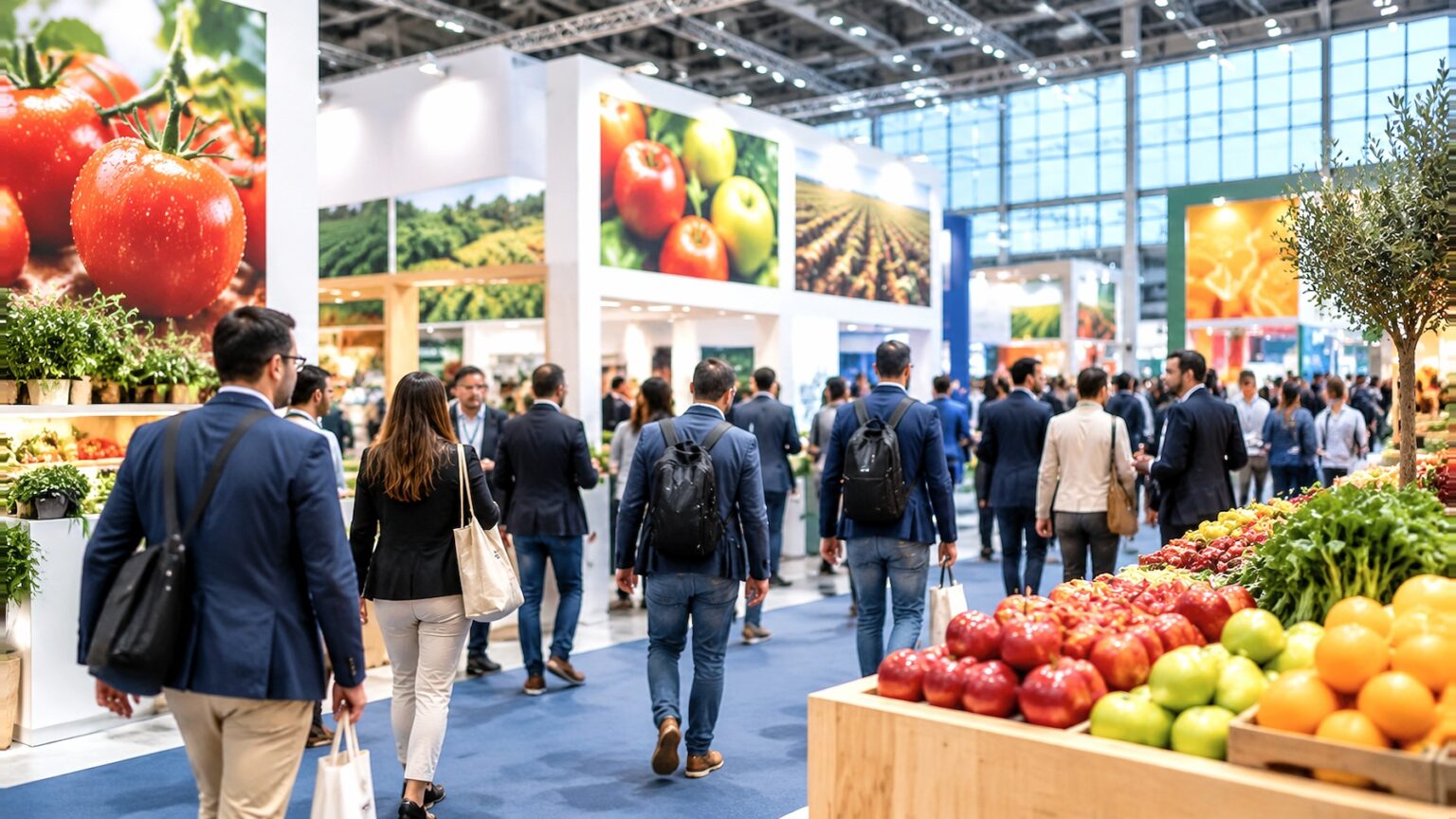
- Attend trade shows and conferences to network and learn.
- Analyze competitor strategies to identify potential opportunities.
By keeping a close eye on market trends, you can make proactive adjustments to your business operations, ensuring that you remain competitive in a rapidly changing industry.