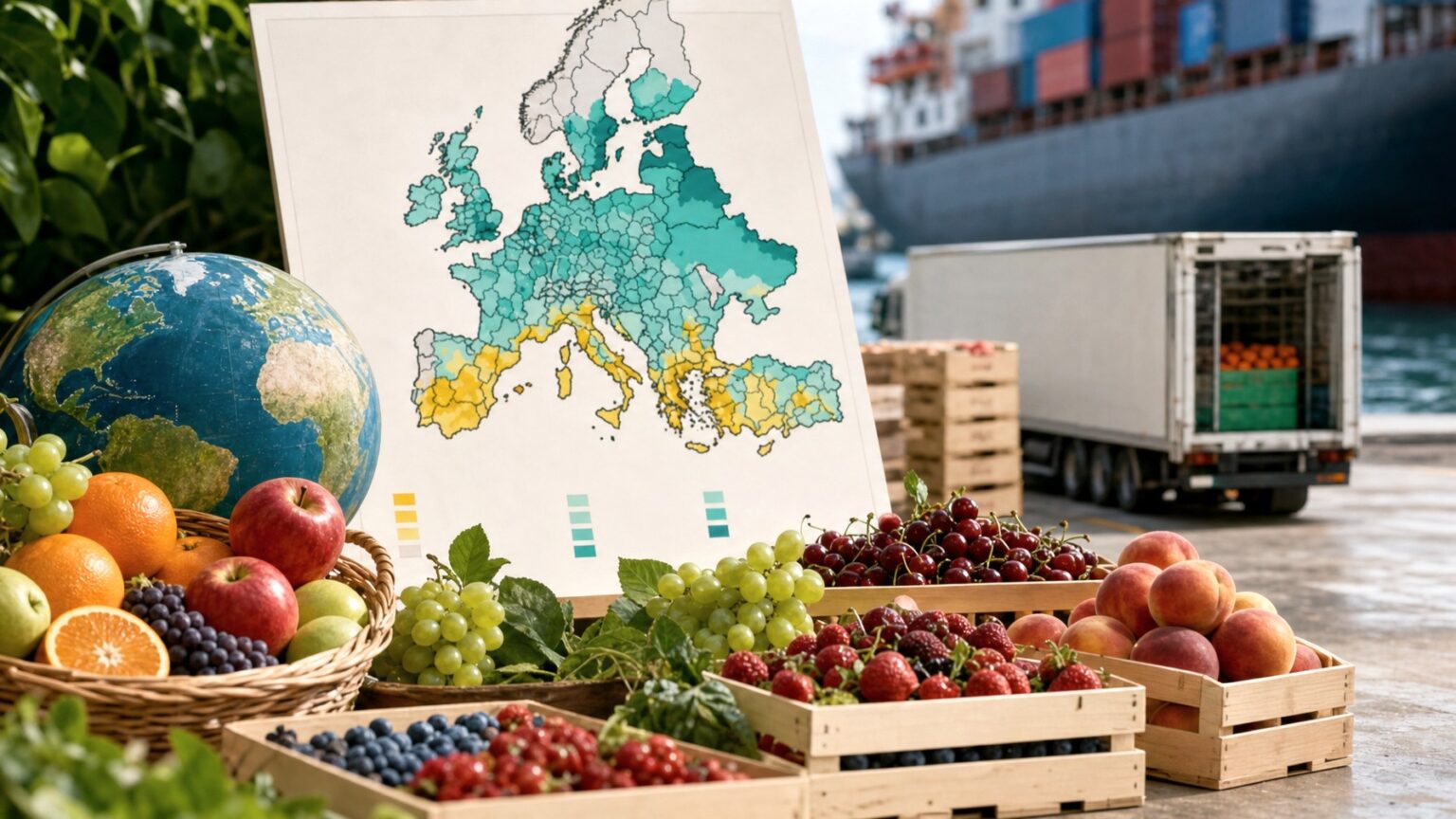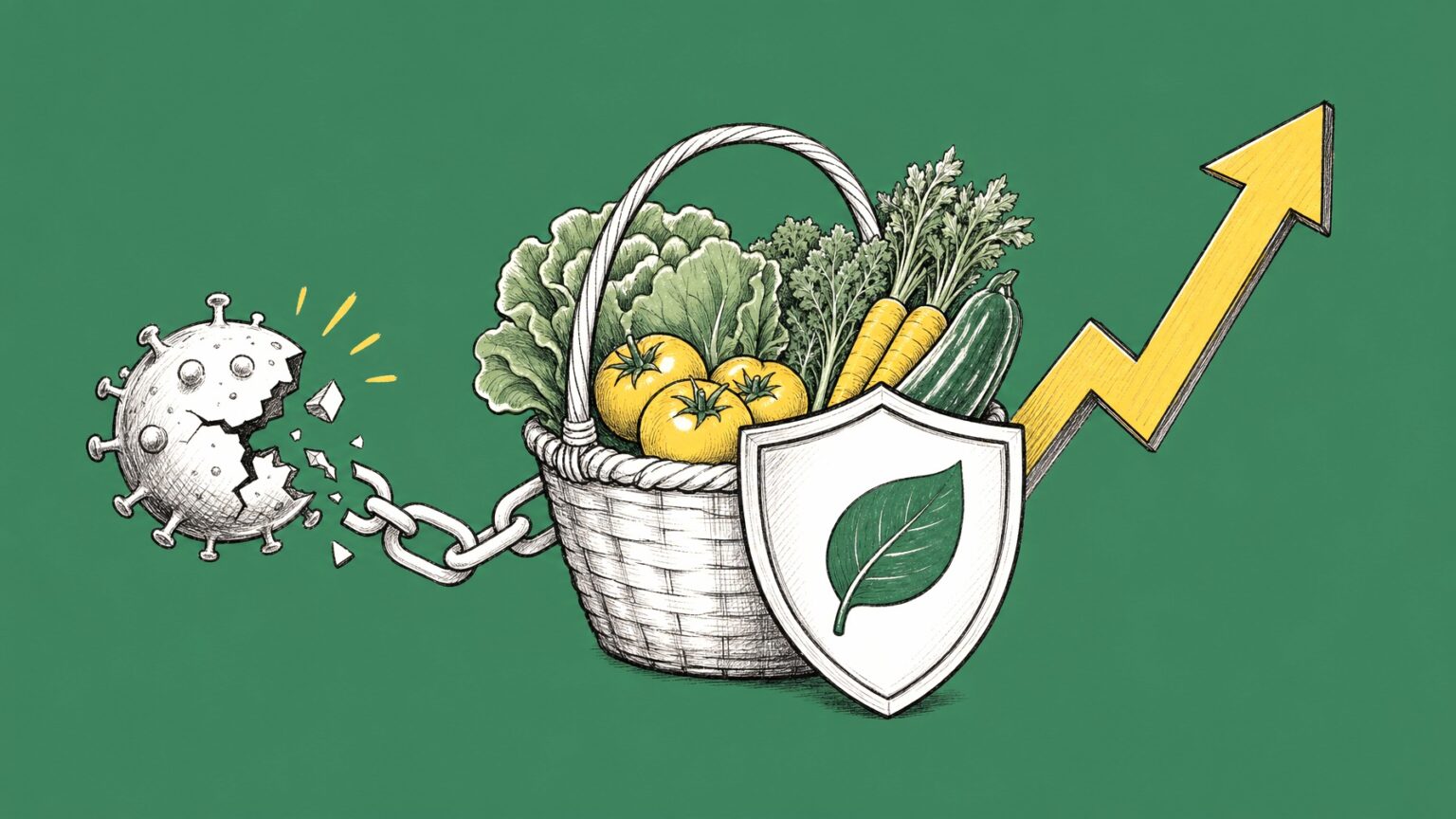

The produce supply chain is a complex ecosystem where collaboration is crucial for success.
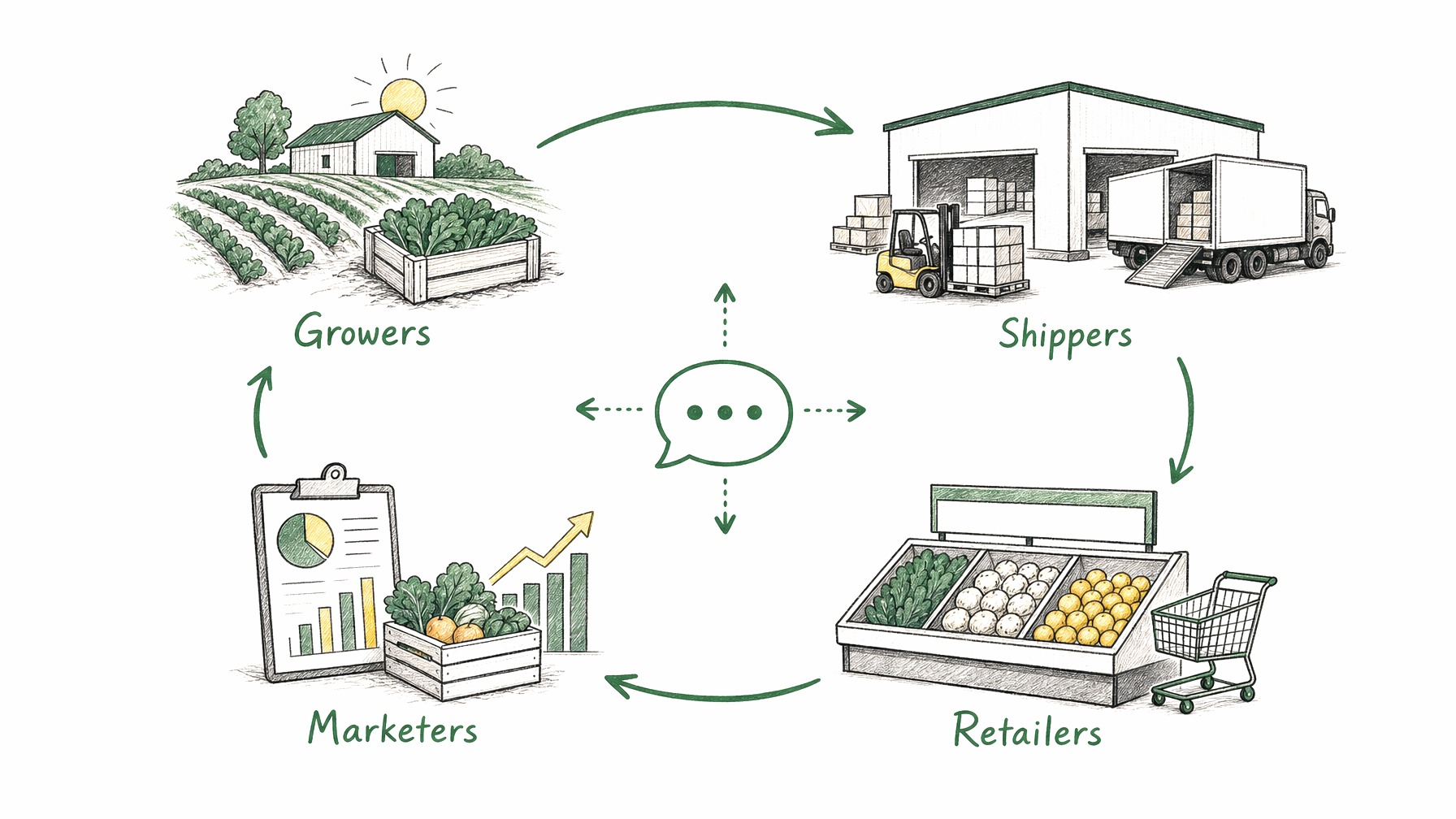
From growers to retailers, each stakeholder must work hand-in-hand to ensure efficiency, sustainability, and food safety.
In this fast-paced industry, enhancing collaboration can lead to improved operational processes, reduced waste, and better market performance.
With increasing consumer demands and tightening regulations, the need for seamless communication and cooperation across the supply chain has never been more important.
By implementing strategic collaboration practices, produce organizations can achieve a competitive edge.
Here are seven ways to enhance collaboration across the produce supply chain.
1. Establish Clear Communication Channels
Effective communication is foundational for any collaborative effort.
Establishing clear communication channels among all parties involved in the supply chain can significantly reduce misunderstandings.
Implementing technology solutions such as communication platforms can streamline information flow.
These tools facilitate real-time updates and feedback, allowing for quick adjustments in supply chain operations.
- Use cloud-based communication tools.
- Set regular check-ins and meetings.
- Develop a centralized communication protocol.
Furthermore, ensuring that all stakeholders are aware of their roles and responsibilities within the communication network is essential.
This clarity fosters accountability and enhances trust among partners.
2. Leverage Data Sharing
Data sharing is a powerful tool for collaboration.
By sharing relevant data, stakeholders can gain insights into market trends, production forecasts, and consumer preferences.
Data sharing enables more informed decision-making across the supply chain.
For example, growers can adjust planting schedules based on retailer demand forecasts, reducing waste and optimizing resources.
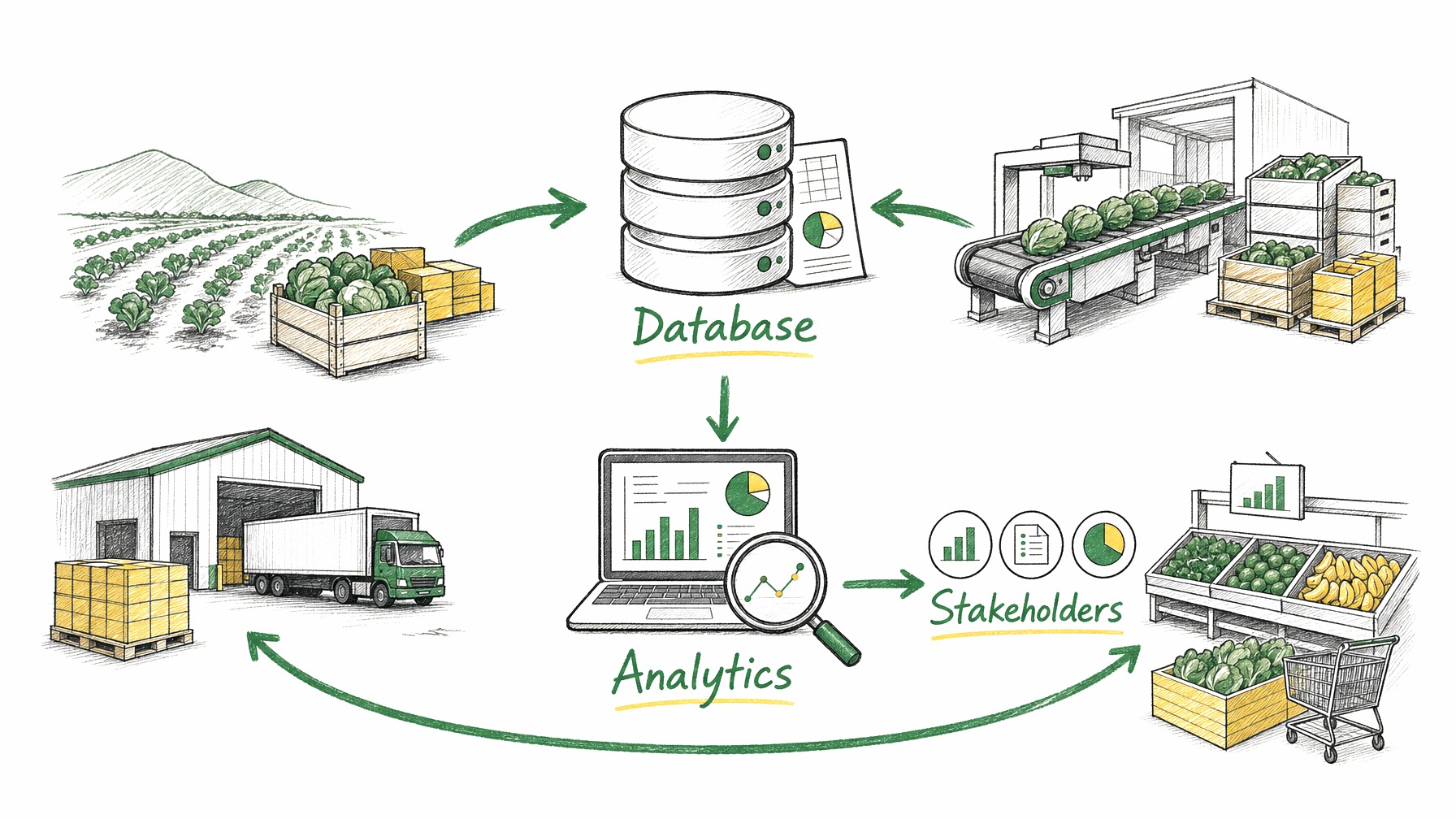
- Utilize shared databases for real-time data access.
- Implement data analytics tools.
- Ensure data security and privacy protocols are in place.
Establishing agreements on data ownership and access rights is crucial.
This ensures that all parties feel secure in sharing their data, promoting a culture of transparency and collaboration.
3. Foster Strategic Partnerships
Strategic partnerships help create a resilient supply chain.
By collaborating with partners who have complementary strengths, produce companies can enhance their capabilities and market reach.
These partnerships can take many forms, such as co-marketing initiatives, joint ventures, or supplier agreements.
Each partnership should aim to create mutual value and drive innovation.
- Identify partners with aligned goals and values.
- Set clear objectives and expectations.
- Regularly evaluate partnership performance.
Building long-term relationships with strategic partners fosters trust and encourages open communication, leading to greater collaborative success.
4. Implement Integrated Supply Chain Technologies
Integrated technologies can streamline supply chain operations and enhance collaboration.
By using systems that connect different parts of the supply chain, produce companies can improve efficiency and reduce errors.
Technologies like ERP (Enterprise Resource Planning) systems and IoT (Internet of Things) devices provide real-time visibility into the supply chain.
This allows for more coordinated efforts and quicker responses to changes.
- Adopt cloud-based ERP solutions.
- Incorporate IoT for supply chain tracking.
- Ensure compatibility across systems.
Investing in technology that enables seamless integration across the supply chain can significantly boost collaborative efforts and operational performance.
5. Prioritize Sustainability Initiatives
Sustainability is becoming a key focus in the produce industry.
Collaborating on sustainability initiatives can drive environmental and economic benefits.
By working together, stakeholders can develop sustainable practices, such as reducing carbon footprints, minimizing packaging waste, and optimizing resource use.
- Collaborate on sustainability goals.
- Share best practices and innovations.
- Track and report sustainability metrics.
These initiatives not only benefit the environment but also enhance brand reputation and consumer trust, leading to long-term success.
6. Strengthen Food Safety Protocols
Food safety is a critical issue in the produce supply chain.
Collaborative efforts can strengthen food safety protocols and ensure compliance with regulations.
By sharing food safety procedures and training resources, stakeholders can maintain high standards across the supply chain.
- Develop joint food safety training programs.
- Implement standardized safety protocols.
- Regularly audit and update safety measures.
Ensuring consistent food safety practices across partners builds consumer confidence and protects brand integrity.
7. Enhance Flexibility and Adaptability
The produce industry is dynamic, requiring flexibility and adaptability.
Collaborative efforts can increase the supply chain’s ability to respond to changes and disruptions.
By fostering a culture of flexibility, stakeholders can quickly adapt to market changes, weather events, or logistical challenges.
- Encourage open-mindedness and innovation.
- Develop contingency plans for disruptions.
- Regularly review and adjust supply chain strategies.
Enhancing adaptability ensures the supply chain remains resilient and competitive in a rapidly changing industry.
The Bottom Line
Enhancing collaboration across the produce supply chain is a strategic imperative for modern produce businesses.
By focusing on communication, data sharing, and strategic partnerships, companies can improve efficiency and sustainability.
Integrating technology and prioritizing food safety and sustainability further strengthens collaboration efforts.
This approach not only addresses current challenges but also positions produce companies for future success.
Ultimately, fostering collaboration leads to a more resilient, efficient, and competitive supply chain, benefiting all stakeholders from farm to table.