The fresh produce market is constantly evolving, and consumer preferences play a pivotal role in shaping industry trends.
As the landscape changes, understanding these preferences can offer valuable insights for growers, shippers, retailers, and marketers.
Staying ahead of these trends is crucial for those looking to capitalize on emerging opportunities.
Today, consumers are more informed and have specific expectations when it comes to their fresh produce choices.
From sustainability concerns to a focus on convenience, these preferences are influencing purchasing decisions and market dynamics.
Producers and retailers who align with these trends are well-positioned to meet consumer demands and thrive in a competitive market.
This article explores six emerging consumer preferences that are transforming the produce sector.
By understanding these trends, industry professionals can better strategize their approaches to meet consumer needs.
1. Sustainability and Ethical Sourcing
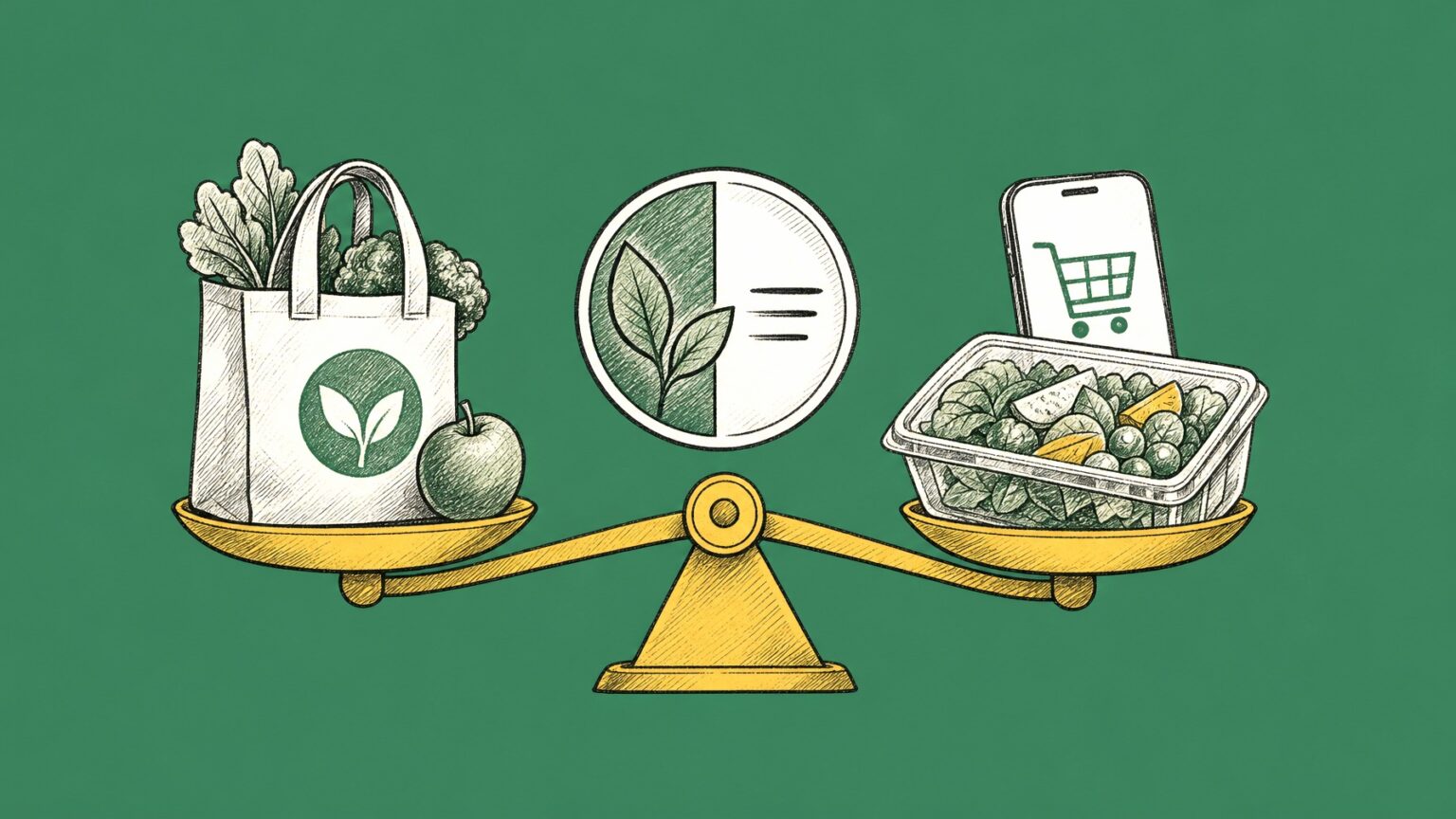
Consumers increasingly value sustainability and ethical sourcing in their food choices.
This trend is particularly pronounced in the produce sector, where concerns about environmental impact and fair labor practices are top of mind.
Shoppers are actively seeking out products that are labeled as organic, fair trade, or sustainably grown.
For industry players, this means integrating sustainable practices into the supply chain, from farm to shelf.
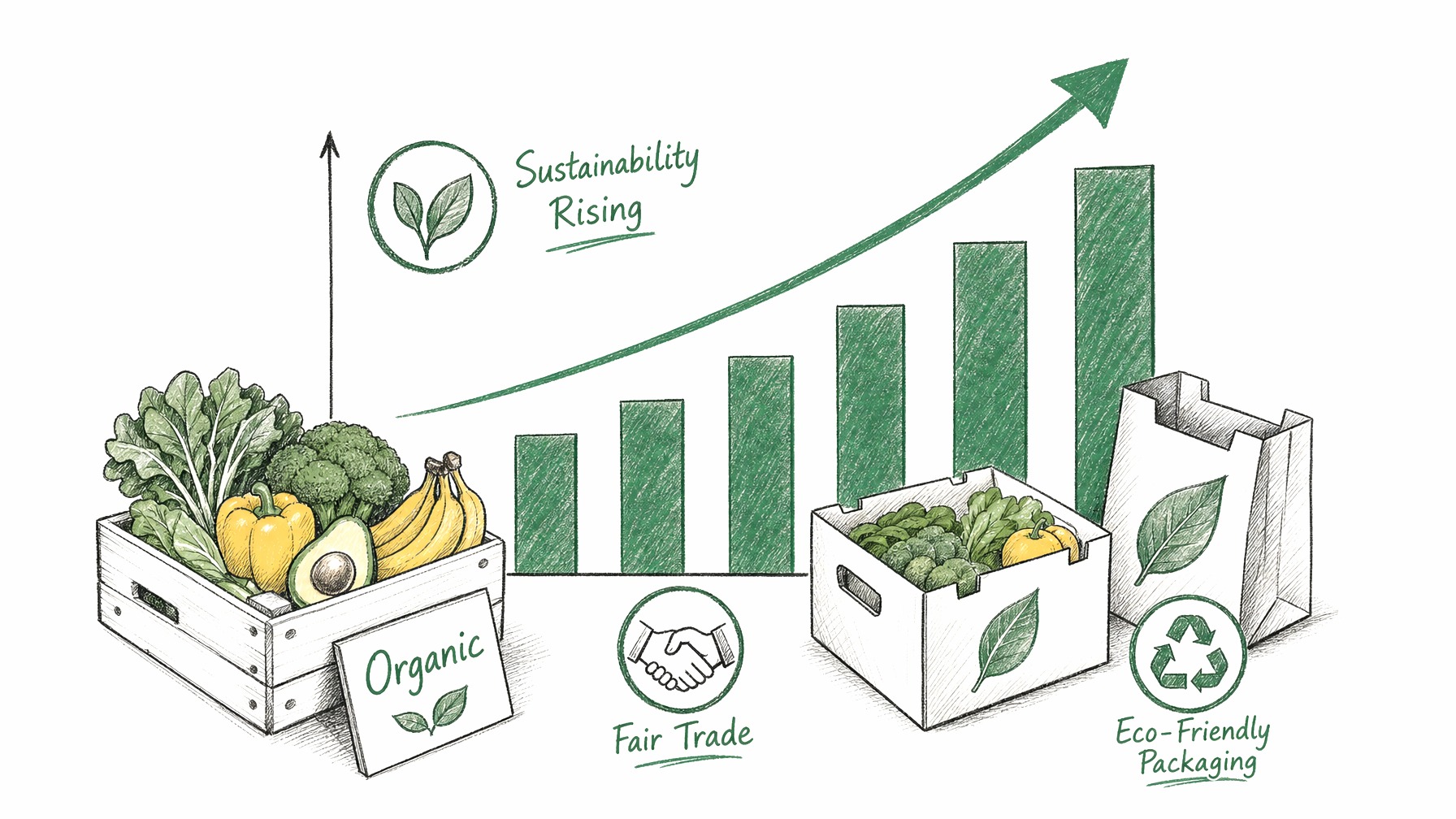
Implementing and communicating such initiatives can differentiate brands and build consumer trust.
- Organic certifications
- Fair trade practices
- Sustainable packaging
Retailers and marketers should highlight these attributes in their promotions and on packaging to attract environmentally conscious buyers.
Providing transparency about sourcing and production methods can further enhance consumer loyalty.
2. Convenience and Ready-to-Eat Options
Modern consumers have busy lifestyles, leading to a growing demand for convenience in their food choices.
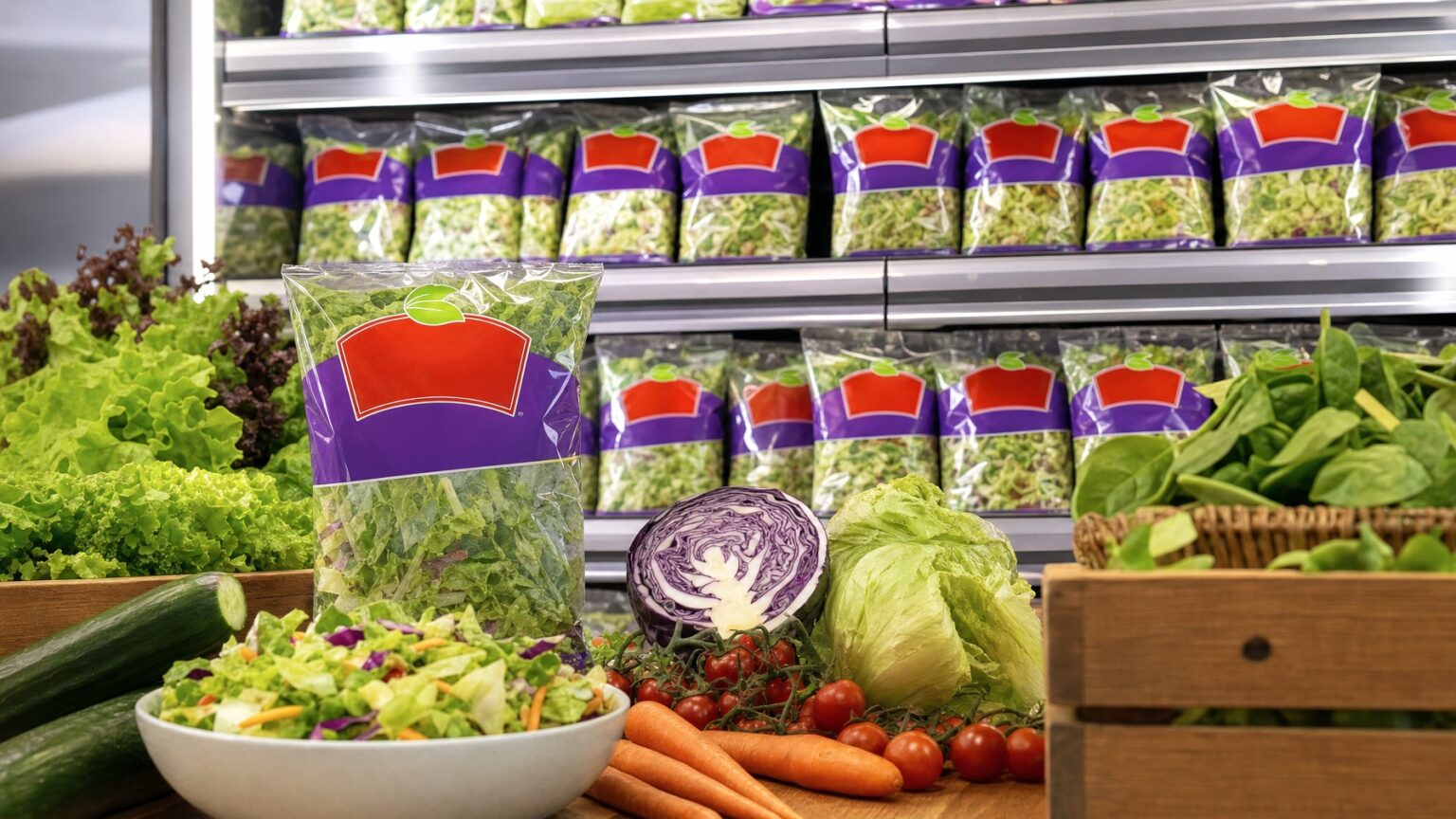
Ready-to-eat and pre-packaged produce options are gaining popularity as they save time and effort in meal preparation.
This trend is particularly strong among urban dwellers and younger demographics.
Growers and retailers can capitalize on this preference by offering a variety of convenience-focused products.
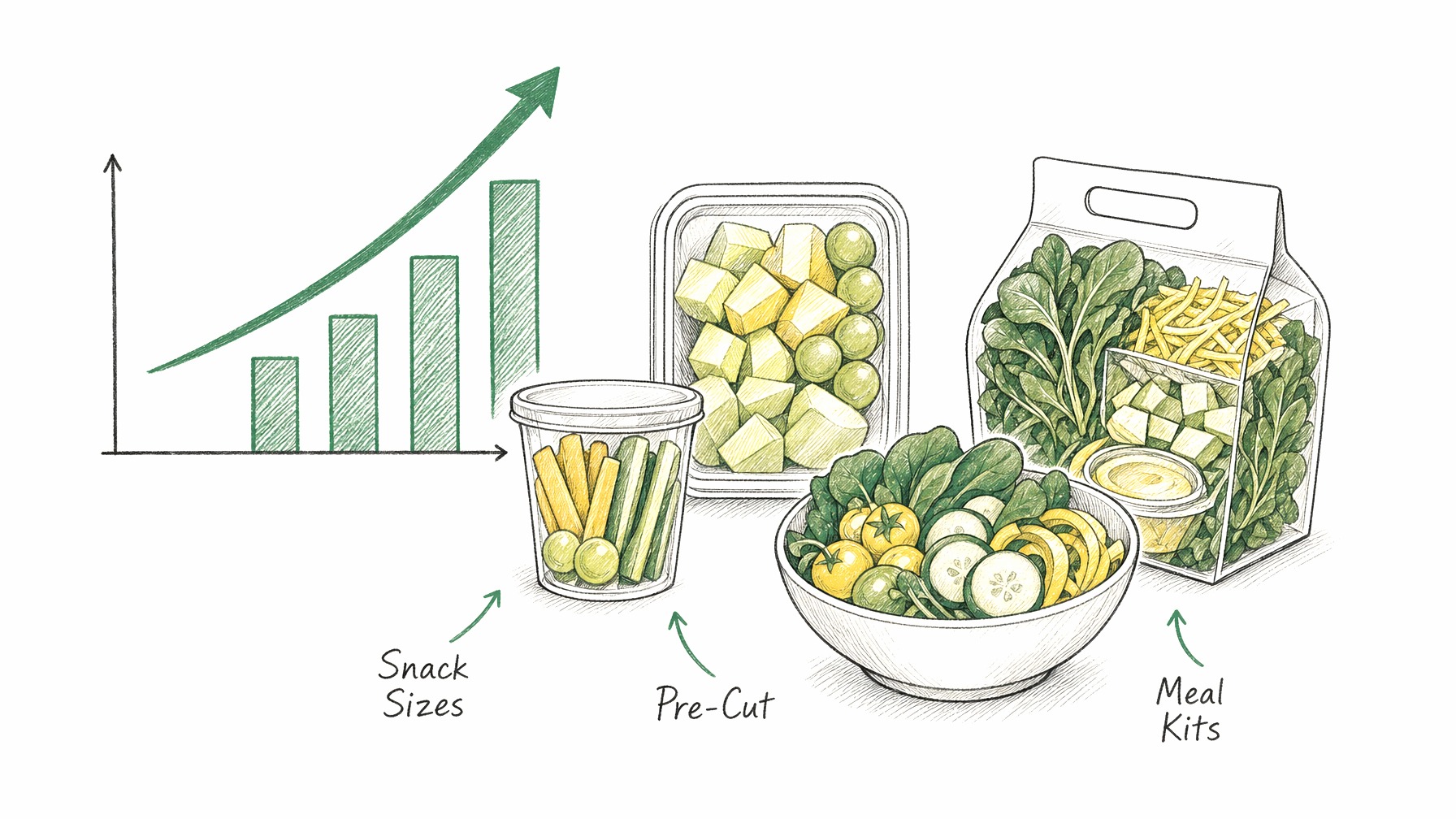
Innovations in packaging and product offerings can also drive sales and enhance customer satisfaction.
- Pre-cut fruits and vegetables
- Snack-sized servings
- Meal kits
Effective merchandising strategies can help spotlight these products in stores, making them easily accessible to consumers looking for quick meal solutions.
3. Health and Wellness Focus
Health and wellness have become central to consumer decision-making, with many viewing fresh produce as a key component of a healthy diet.
Consumers are actively seeking fruits and vegetables that offer specific health benefits, such as boosting immunity or supporting heart health.
To align with this trend, producers can highlight the nutritional benefits of their products through packaging and marketing campaigns.
Information on the health advantages of specific produce items can influence purchasing decisions and encourage repeat buying.
- Vitamin-rich produce
- Superfoods
- Functional foods
Retailers may also consider hosting in-store events or workshops focused on nutrition to engage health-conscious shoppers.
4. Local and Regional Produce
Consumers are increasingly interested in supporting local farmers and reducing their carbon footprint by choosing locally sourced produce.
This trend is driven by a desire for fresher products and a stronger connection to the community.
For retailers and growers, emphasizing local produce can be a powerful marketing tool.
Seasonal promotions and partnerships with local farms can further enhance these efforts.
- Local farm partnerships
- Seasonal produce promotions
- Farmers’ market collaborations
Consumers appreciate transparency regarding the origin of their food, making it essential to communicate these aspects effectively in-store and online.
5. Digital and Online Shopping Integration
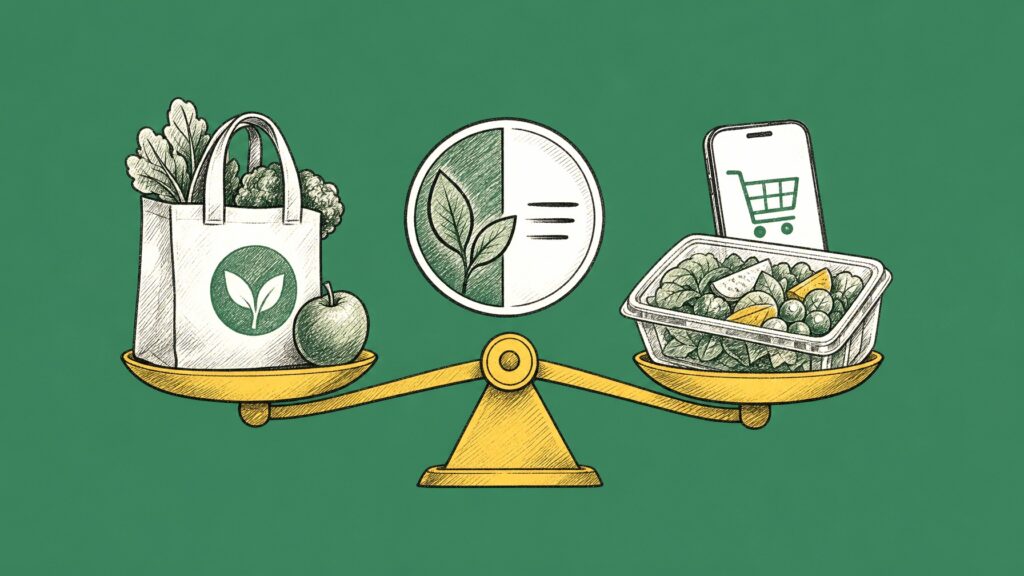
The rise of e-commerce has transformed consumer shopping habits, including how they purchase fresh produce.
The convenience of online shopping and home delivery services is appealing to many, especially during the pandemic.
Producers and retailers should invest in digital platforms to facilitate online ordering and delivery.
An effective online presence can attract tech-savvy consumers and expand market reach.
- Online marketplaces
- Home delivery services
- Subscription models
Providing clear product information and high-quality images online can help replicate the in-store experience for digital shoppers.
6. Exotic and Unique Produce Varieties
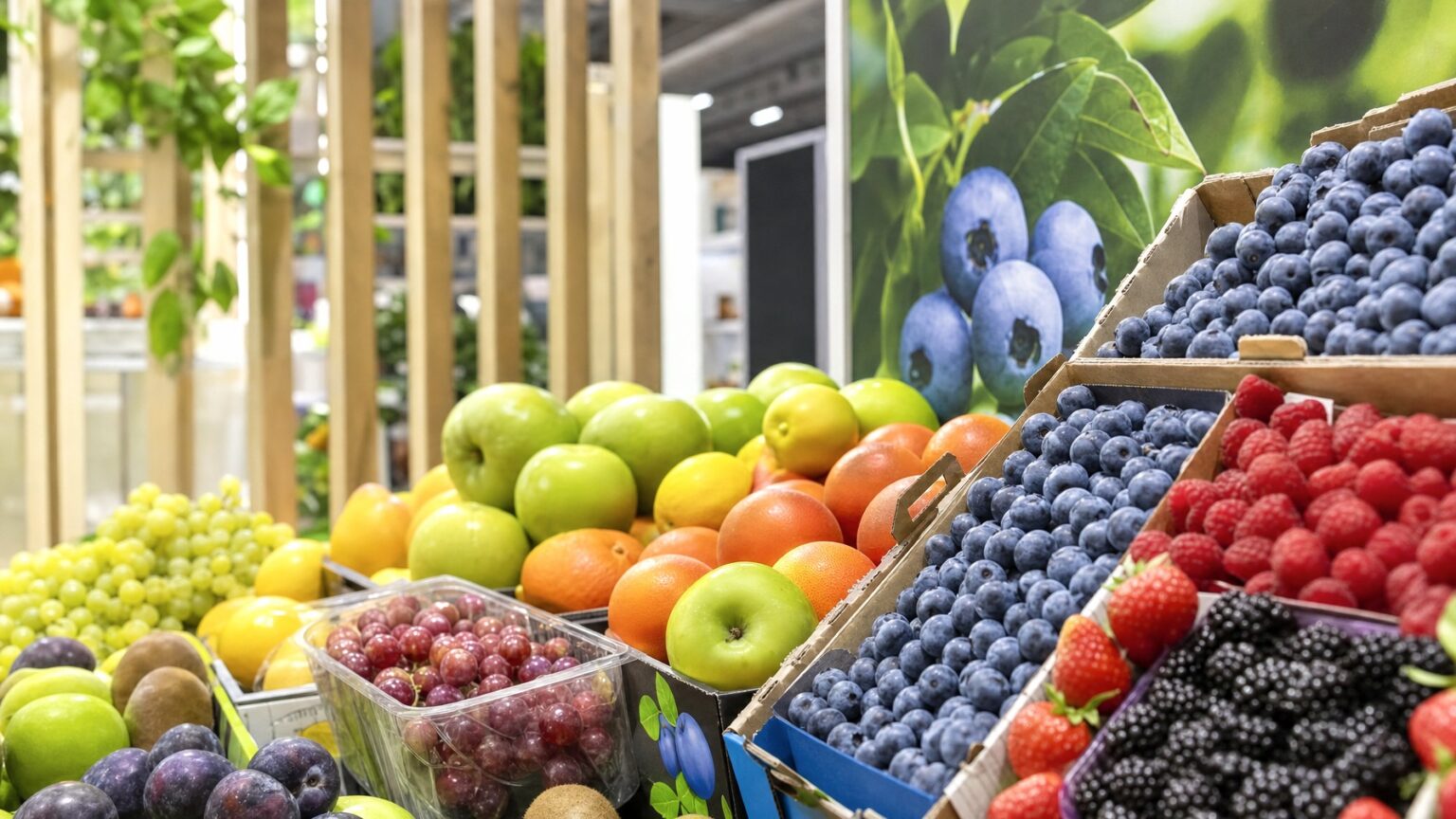
There is a growing curiosity among consumers for exotic and unique produce varieties.
As global cuisines become more accessible, shoppers are eager to experiment with new flavors and ingredients.
Offering a diverse range of produce can attract adventurous eaters and differentiate a brand in the market.
Retailers can promote these products through in-store tastings and educational materials.
- Rare fruit varieties
- International vegetables
- Specialty produce
Highlighting the culinary versatility and origins of these products can capture consumer interest and drive sales.
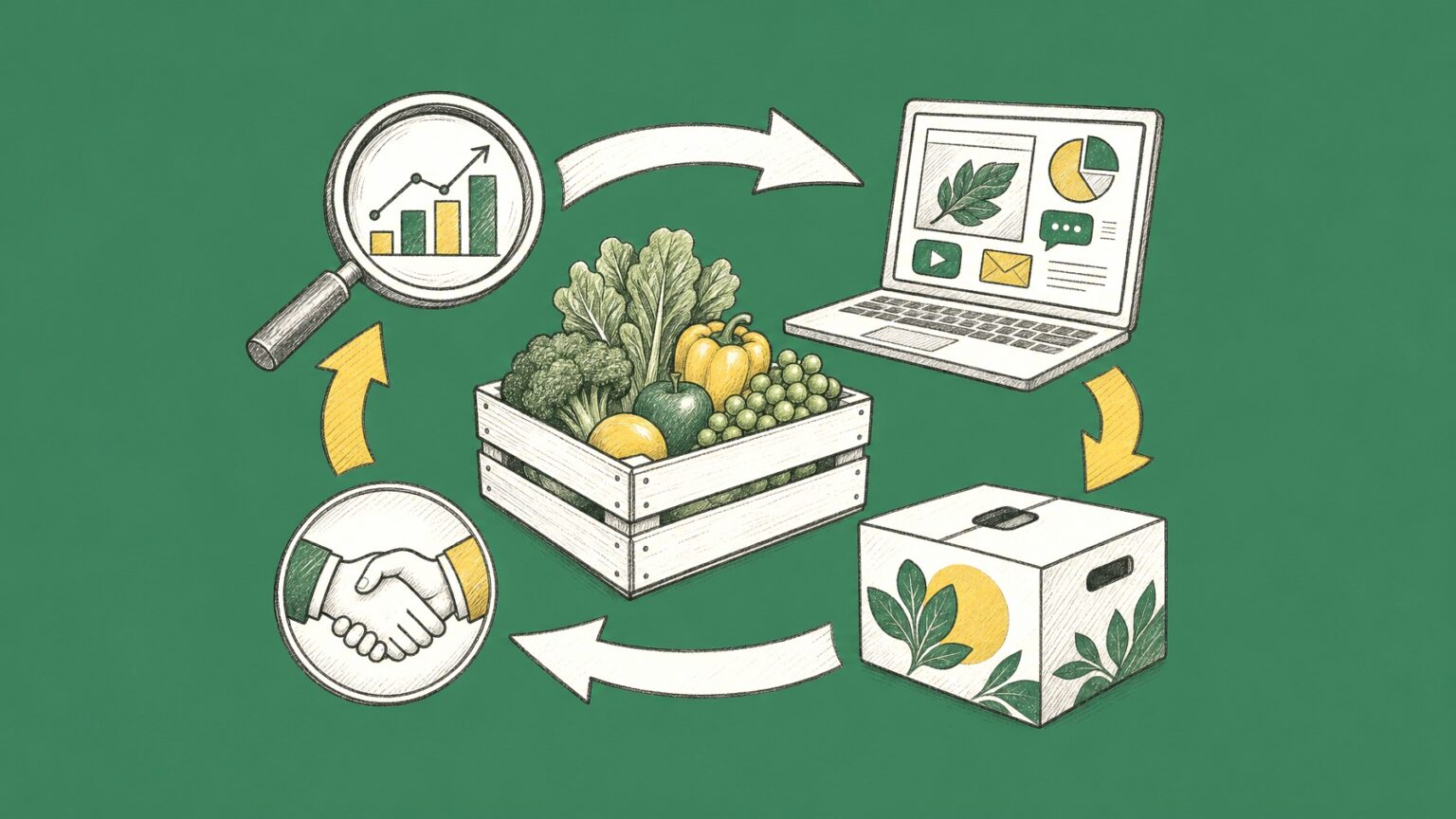
By keeping abreast of these six emerging consumer preferences, produce industry professionals can better align their strategies to meet evolving market demands.
Understanding and catering to these trends will not only attract and retain customers but also ensure sustained growth in the competitive produce market.