
In the dynamic world of produce, the foundation of success often rests on the strength of trade relationships.
Developing these robust partnerships helps ensure a steady supply chain, better market access, and competitive pricing.
For produce executives and marketers, understanding the nuances of these connections is vital.
Whether you are a grower, shipper, or retailer, knowing how to build and maintain these relationships can be the key to sustainability and growth in the industry.
This involves strategic planning, open communication, and trust.
It also requires a keen understanding of market demands and the ability to adapt to changes swiftly.
Let’s explore six essential steps for building strong trade relationships in the produce industry.
These steps will not only help in establishing connections but also in nurturing these partnerships for long-term success.
1. Understand Market Needs
Knowing the market’s demands is the first step in establishing a valuable trade relationship.
This involves researching current trends, consumer preferences, and seasonal demands.
It is essential to stay informed about the latest market developments to align your offerings accordingly.
Engaging with industry reports and attending trade shows can provide valuable insights.
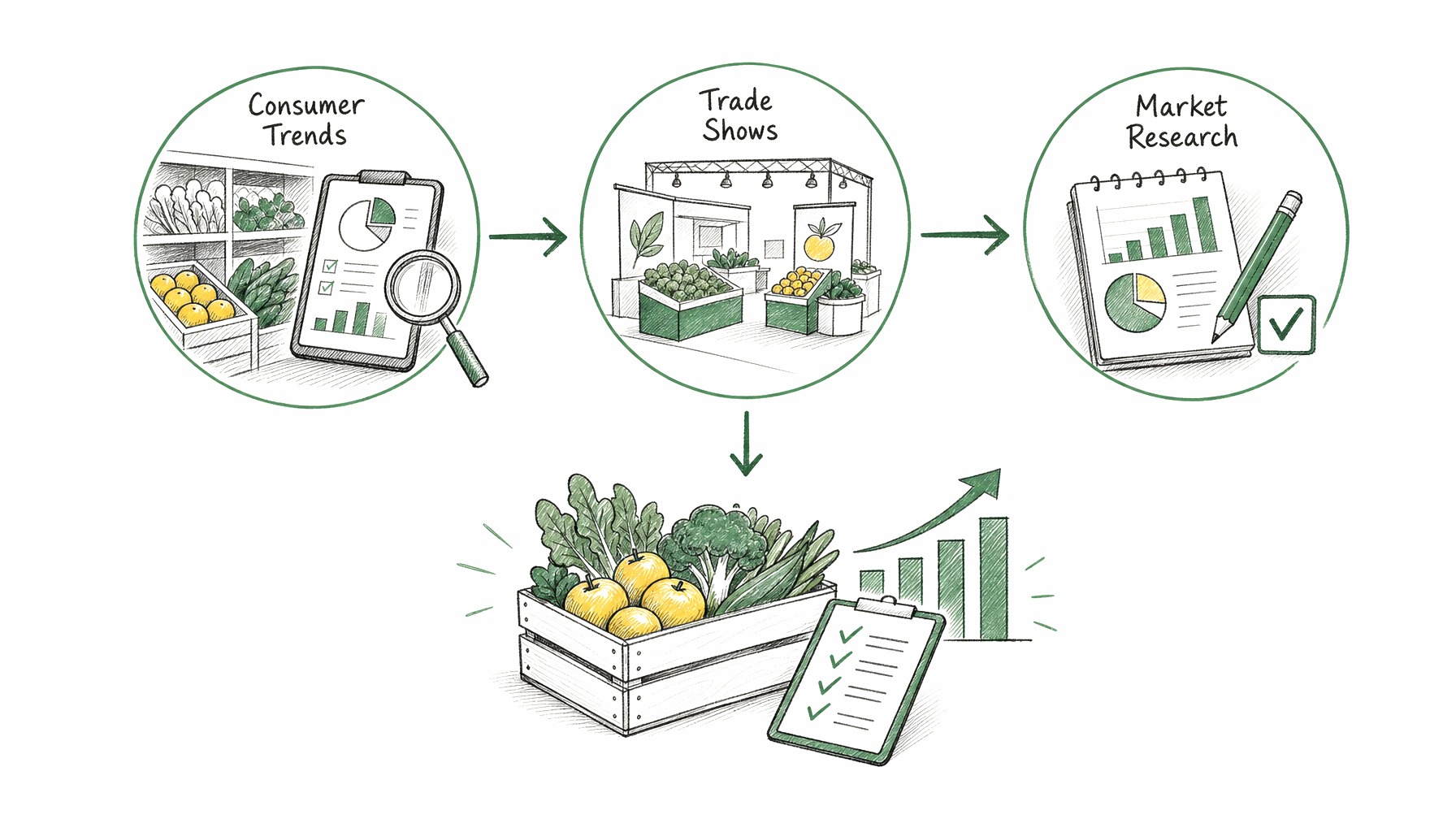
These platforms offer opportunities to understand the market better and identify potential partners who share similar goals.
- Consumer trends analysis
- Engagement with trade shows
- Regular market research
Understanding these aspects helps in tailoring your product offerings and marketing strategies to meet specific market needs effectively.
Once you have a firm grasp of market needs, you can better position your products and services to potential trade partners.
2. Establish Clear Communication Channels
Effective communication is the backbone of any successful trade relationship.
Establishing clear and consistent communication channels ensures that all parties are aligned and informed about expectations, challenges, and opportunities.
Regular meetings, updates, and feedback mechanisms are crucial.
These practices help in addressing issues promptly and maintaining transparency.

Digital tools and platforms can facilitate smoother communication between partners.
- Use of digital tools for communication
- Regular feedback loops
- Scheduled meetings
By maintaining open lines of communication, partners can work together more effectively, ensuring that objectives are met and relationships are strengthened.
3. Build Trust and Reliability
Trust is a fundamental element in any business relationship, especially in the produce industry where factors like quality and timeliness are crucial.
Building trust involves demonstrating reliability and consistently meeting your commitments.
Providing high-quality products and adhering to agreed timelines are essential.
Trust is also built through transparency in transactions and operations.
- Consistent quality assurance
- Adherence to timelines
- Transparent operations
When partners trust each other, it leads to more collaborative ventures and long-term partnerships.
4. Foster Mutual Growth
Trade relationships should be mutually beneficial.
To ensure this, focus on fostering growth for all parties involved.
This involves creating value through innovation, efficiency, and shared goals.
By working together towards common objectives, partners can achieve better market penetration and increased profitability.
Sharing knowledge and resources can also lead to innovations that benefit all parties.
- Joint market strategies
- Shared resources for innovation
- Collaborative growth plans
Mutual growth strengthens partnerships and encourages continued collaboration.
5. Stay Adaptable and Open to Change
The produce industry is ever-evolving, and staying adaptable is crucial for maintaining strong trade relationships.
Being open to change means embracing new technologies, adjusting to market shifts, and exploring new opportunities.
Flexibility allows partners to respond to challenges and capitalize on emerging trends swiftly.
It also involves being proactive in anticipating changes and preparing strategies accordingly.
- Embrace new technologies
- Adjust to market shifts
- Explore new opportunities
Adaptability ensures that trade relationships remain relevant and resilient amidst industry changes.
6. Evaluate and Improve Regularly
Regular evaluation of trade relationships is necessary to ensure they remain productive and beneficial.
This involves assessing performance, identifying areas for improvement, and implementing necessary changes.
Feedback from partners can provide valuable insights into the relationship’s health.
Using this information to make informed decisions can enhance the partnership’s effectiveness.
- Regular performance assessments
- Identify areas for improvement
- Implement strategic changes
By continuously evaluating and improving, trade relationships can evolve and thrive over time.
Enhancing Trade Relationships for Long-Term Success
Building strong trade relationships in the produce industry is a multifaceted process that requires dedication, strategy, and continuous effort.
By following these essential steps, produce professionals can create partnerships that not only meet current demands but also pave the way for future success.
In a competitive industry, these relationships are valuable assets that contribute to the growth and sustainability of all involved parties.
Emphasizing these steps can lead to thriving partnerships and a more robust produce market overall.