The fresh produce industry faces an array of challenges in today’s dynamic market.
From unpredictable weather patterns to evolving consumer demands, resilience in supply chains is crucial.
To maintain a competitive edge, industry leaders must adopt innovative strategies that ensure both efficiency and sustainability.
In this article, we delve into six cutting-edge supply chain strategies designed to enhance resilience in the fresh produce sector.
Each approach offers unique benefits tailored to the industry’s specific needs.
By implementing these strategies, produce executives, growers, and retailers can better navigate the complexities of modern supply chains and continue to deliver fresh, high-quality produce to consumers worldwide.
1. Embracing Blockchain Technology
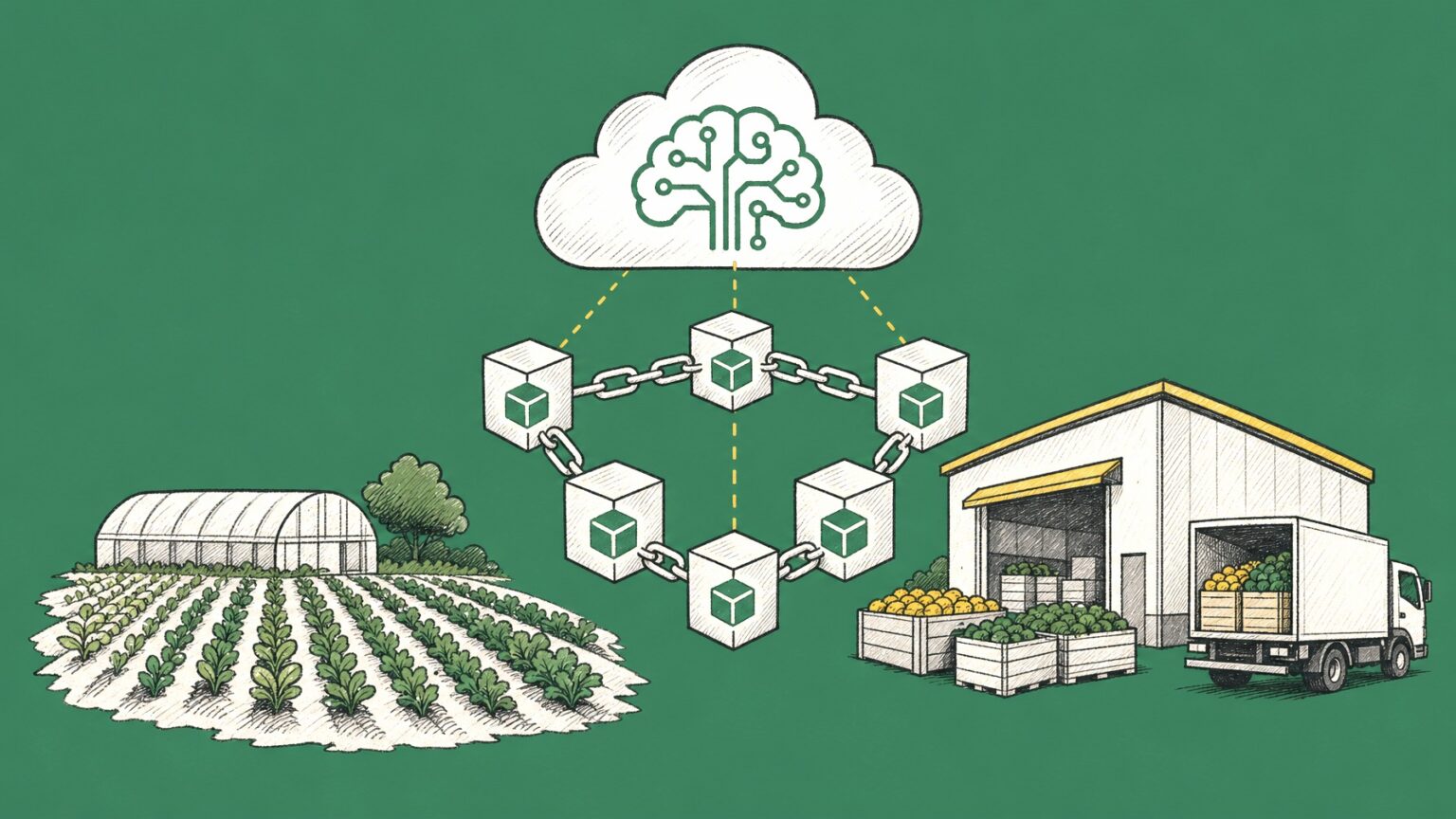
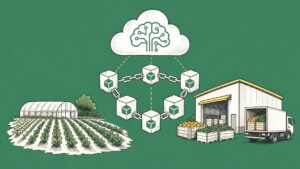
Blockchain technology is transforming supply chain transparency and traceability.
By providing a secure, decentralized ledger, blockchain ensures that every transaction is recorded and visible to all stakeholders.
This enhances trust and reduces the risk of fraud.
The benefits of blockchain in the fresh produce industry are significant.
It enables real-time tracking of produce from farm to table, ensuring food safety and quality assurance.
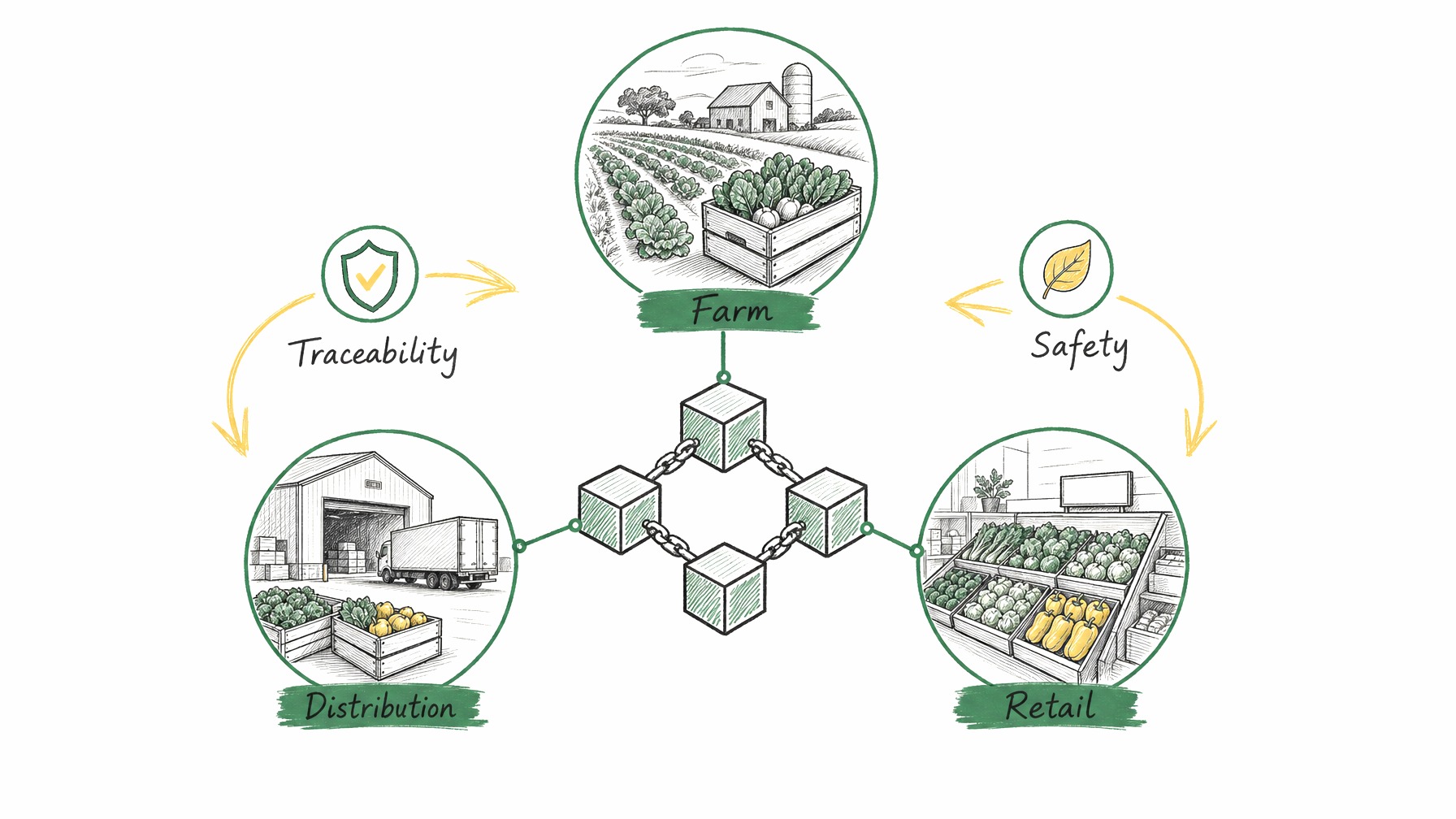
Furthermore, it allows for rapid response to recalls, minimizing potential damage to brand reputation.
- Improved traceability
- Enhanced food safety
- Streamlined recall processes
Despite the challenges of implementing new technology, the long-term benefits of blockchain make it a worthwhile investment.
Industry leaders must consider partnerships with tech firms to integrate blockchain solutions seamlessly.
2. Leveraging AI and Machine Learning
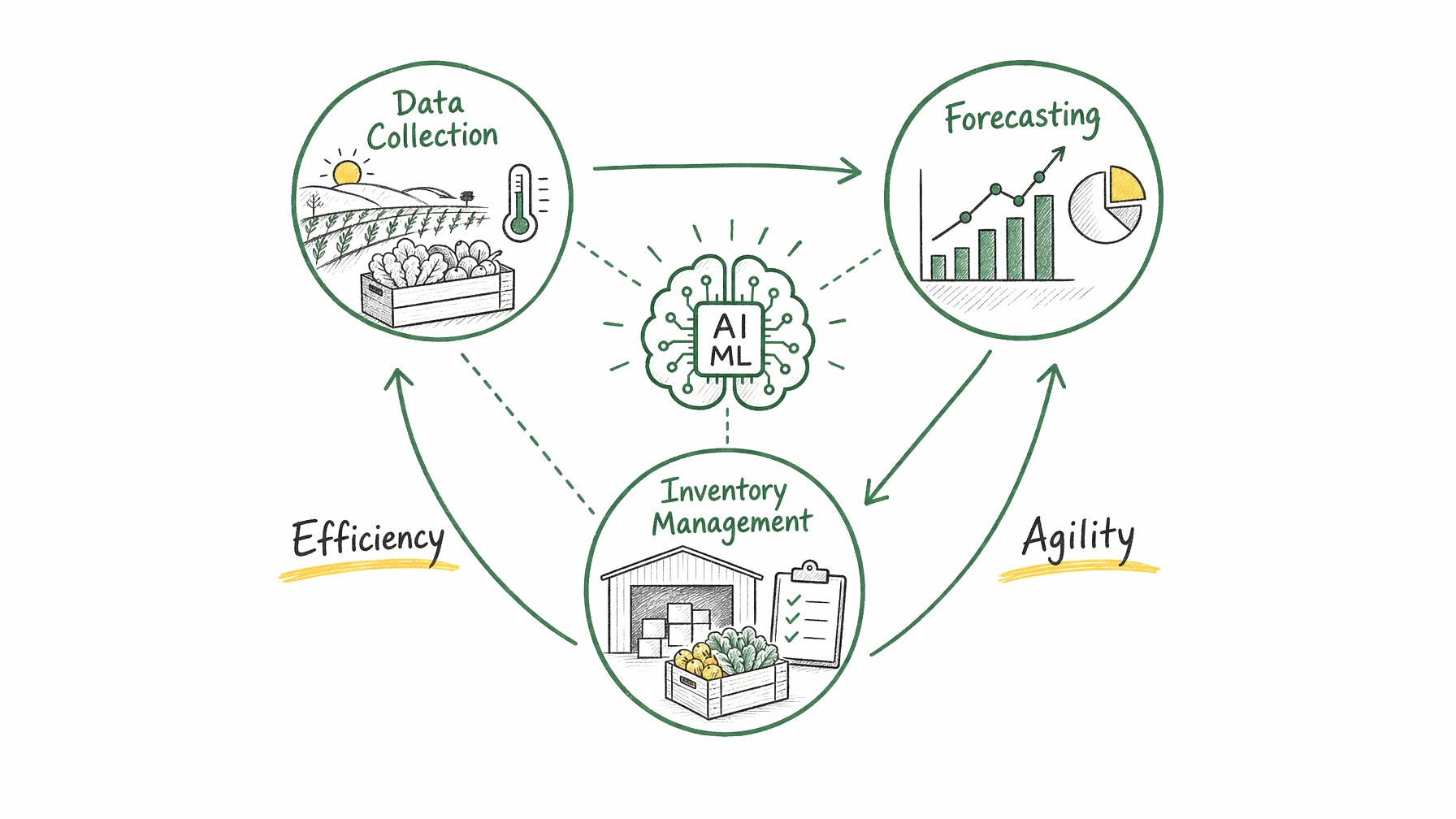
Artificial Intelligence (AI) and Machine Learning (ML) offer powerful tools for optimizing supply chain operations.
By analyzing vast amounts of data, AI can forecast demand, optimize inventory levels, and streamline logistics.
These technologies enable proactive decision-making, allowing companies to anticipate disruptions and adjust operations accordingly.
The result is a more efficient and agile supply chain capable of adapting to market changes.
- Demand forecasting
- Inventory optimization
- Logistics streamlining
AI and ML solutions can be tailored to specific industry needs, providing valuable insights that enhance operational efficiency.
Collaborating with tech experts can help produce businesses harness these innovations effectively.
3. Implementing Cold Chain Innovations
Maintaining the integrity of the cold chain is vital for preserving the quality of fresh produce.
Innovations in cold chain technology, such as advanced refrigeration systems and temperature monitoring devices, ensure that produce remains fresh throughout the supply chain.
By investing in cutting-edge cold chain solutions, companies can minimize spoilage, reduce waste, and deliver superior products to consumers.
These innovations also contribute to sustainability goals by reducing energy consumption and carbon emissions.
- Advanced refrigeration systems
- Temperature monitoring devices
- Energy-efficient technologies
To stay competitive, produce leaders should prioritize modernizing their cold chain infrastructure.
This investment not only enhances product quality but also supports broader sustainability initiatives.
4. Enhancing Collaboration Across the Supply Chain
Collaboration is key to a resilient supply chain.
By fostering strong partnerships with suppliers, distributors, and retailers, produce companies can improve communication, streamline operations, and respond swiftly to market changes.
Enhanced collaboration leads to a more cohesive supply chain, reducing bottlenecks and inefficiencies.
It also enables companies to share valuable data and insights, driving collective improvements in product quality and customer satisfaction.
- Improved communication
- Streamlined operations
- Shared data and insights
Produce leaders should actively seek collaboration opportunities, leveraging industry networks and technology platforms to facilitate seamless interactions among stakeholders.
5. Adopting Sustainable Packaging Solutions
Sustainable packaging is becoming increasingly important in the fresh produce industry.
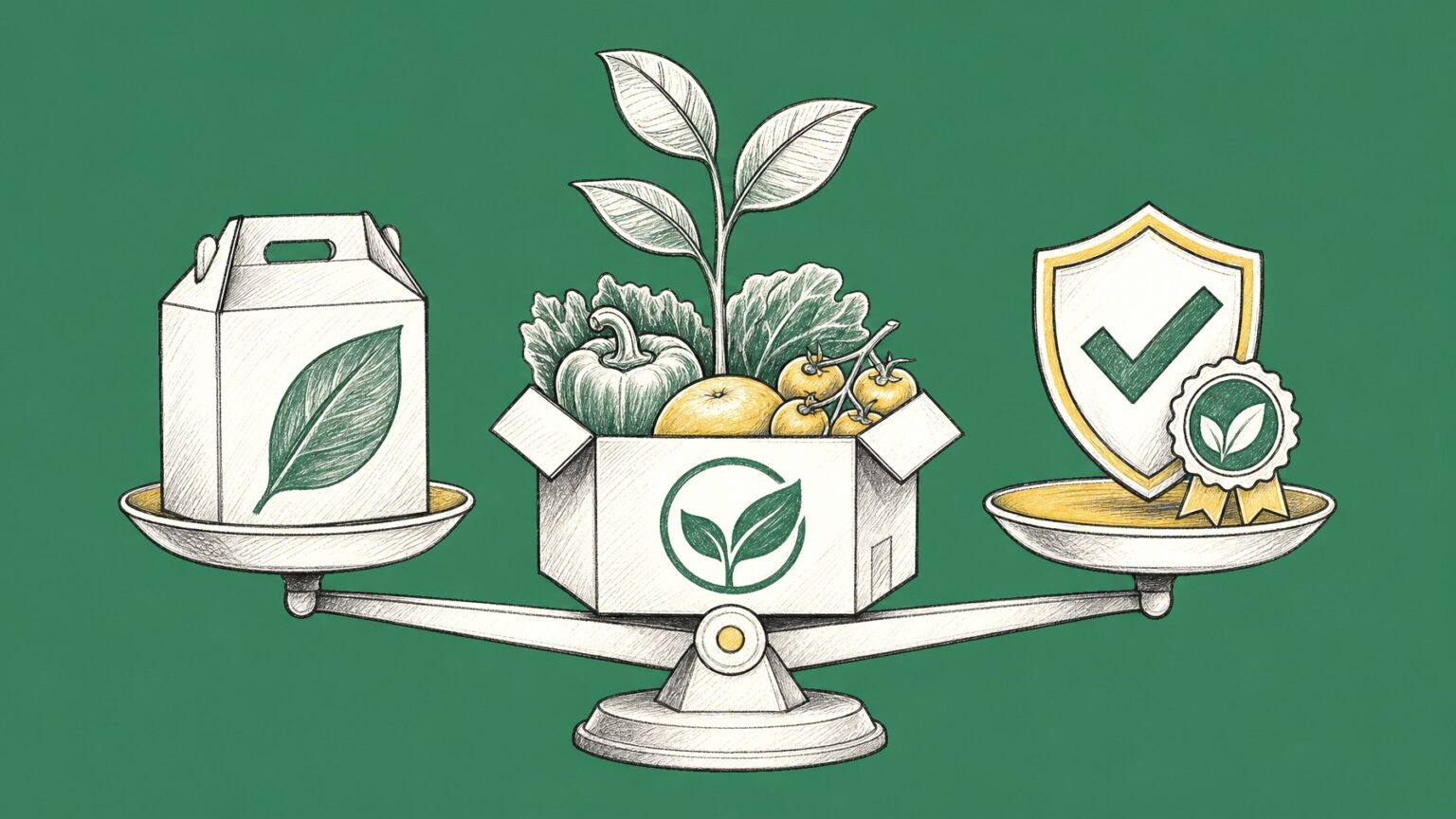
By adopting eco-friendly materials and designs, companies can reduce their environmental impact and meet consumer demand for sustainable products.
Innovative packaging solutions not only contribute to sustainability goals but also enhance product appeal and extend shelf life.
This dual benefit ensures that produce remains fresh from farm to consumer.
- Eco-friendly materials
- Extended shelf life
- Enhanced product appeal
As consumers become more environmentally conscious, sustainable packaging will play a crucial role in brand differentiation.
Produce leaders must prioritize these solutions to maintain a competitive edge.
6. Utilizing Predictive Analytics
Predictive analytics empowers produce companies to make data-driven decisions, optimizing supply chain performance.
By analyzing trends and patterns, predictive analytics provides valuable insights into consumer behavior, demand fluctuations, and operational efficiencies.
This foresight allows companies to proactively address potential challenges, ensuring a resilient and adaptive supply chain.
Predictive analytics also supports strategic planning, enabling better resource allocation and risk management.
- Consumer behavior insights
- Demand fluctuation analysis
- Operational efficiency optimization
To leverage predictive analytics effectively, produce leaders should invest in advanced data analytics tools and develop a skilled workforce capable of interpreting and acting on analytical insights.