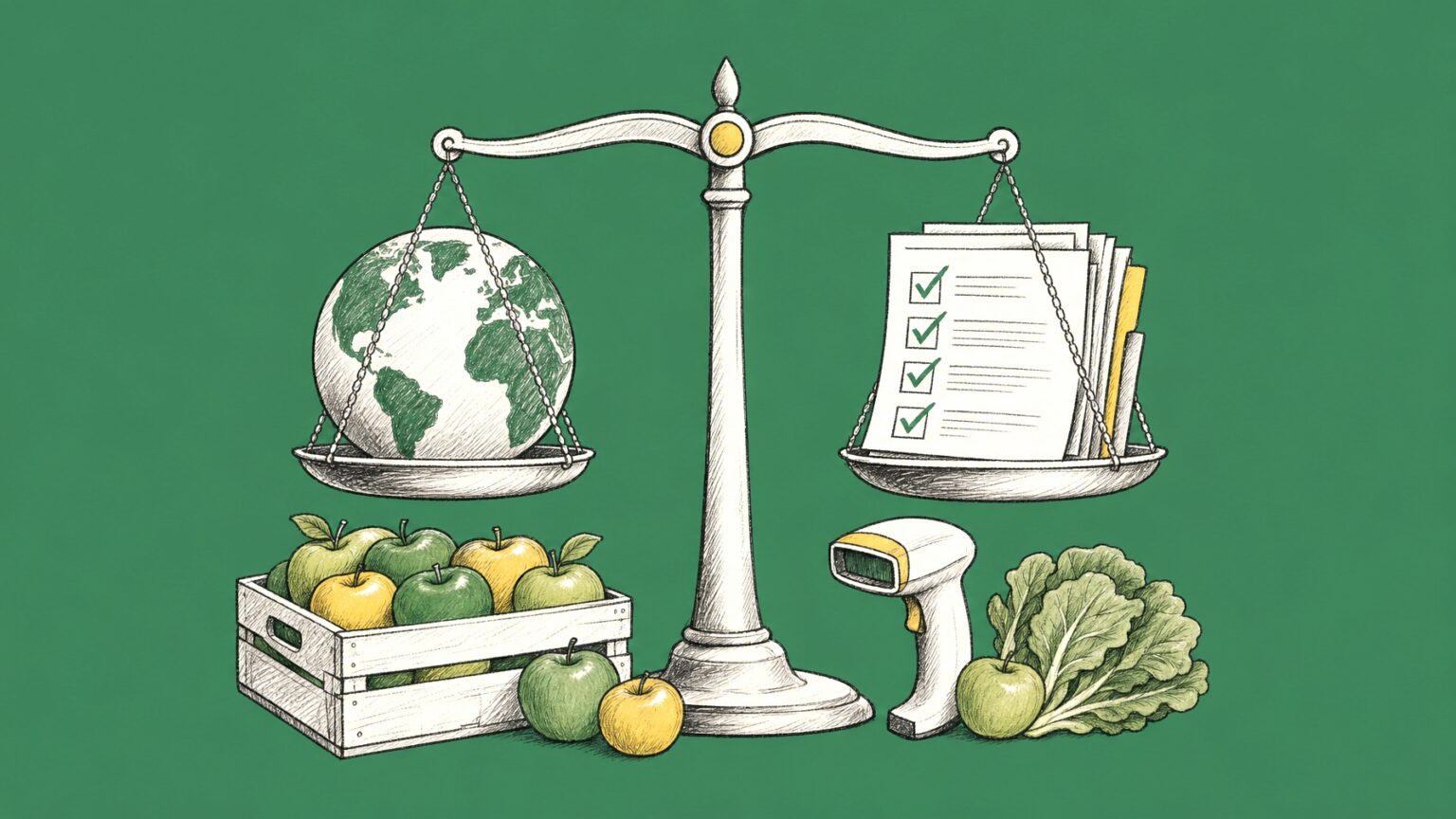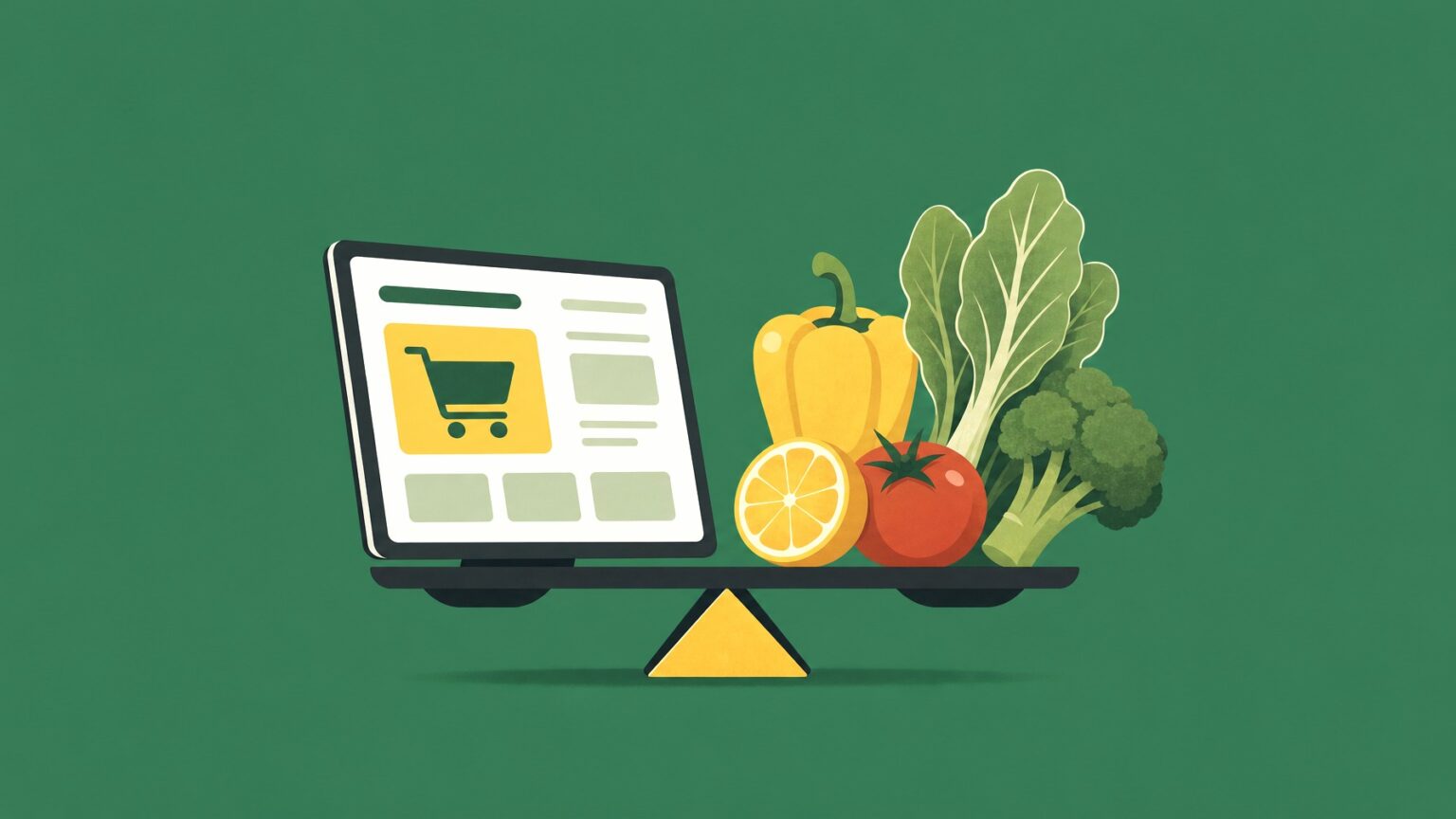
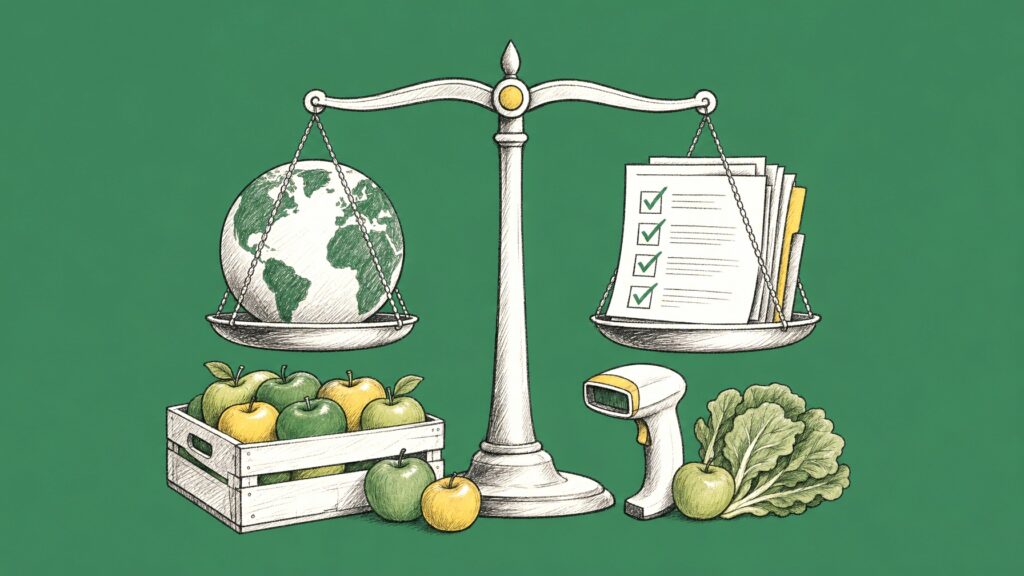
In the dynamic world of produce trade, ensuring compliance with regulations is crucial for maintaining smooth operations and avoiding costly penalties.
The complexity of international and domestic trade laws can be daunting, but by following key best practices, produce executives, growers, and marketers can safeguard their operations.
Compliance is not just about avoiding legal issues; it’s about building trust with partners and customers.
In this article, we’ll explore six essential practices to help you stay compliant in the ever-evolving landscape of produce trade.
1. Stay Updated on Regulatory Changes
Regulations governing produce trade are constantly evolving.
Keeping up with these changes is essential for ensuring compliance.
Regularly reviewing updates from regulatory bodies can help you stay ahead of the curve.
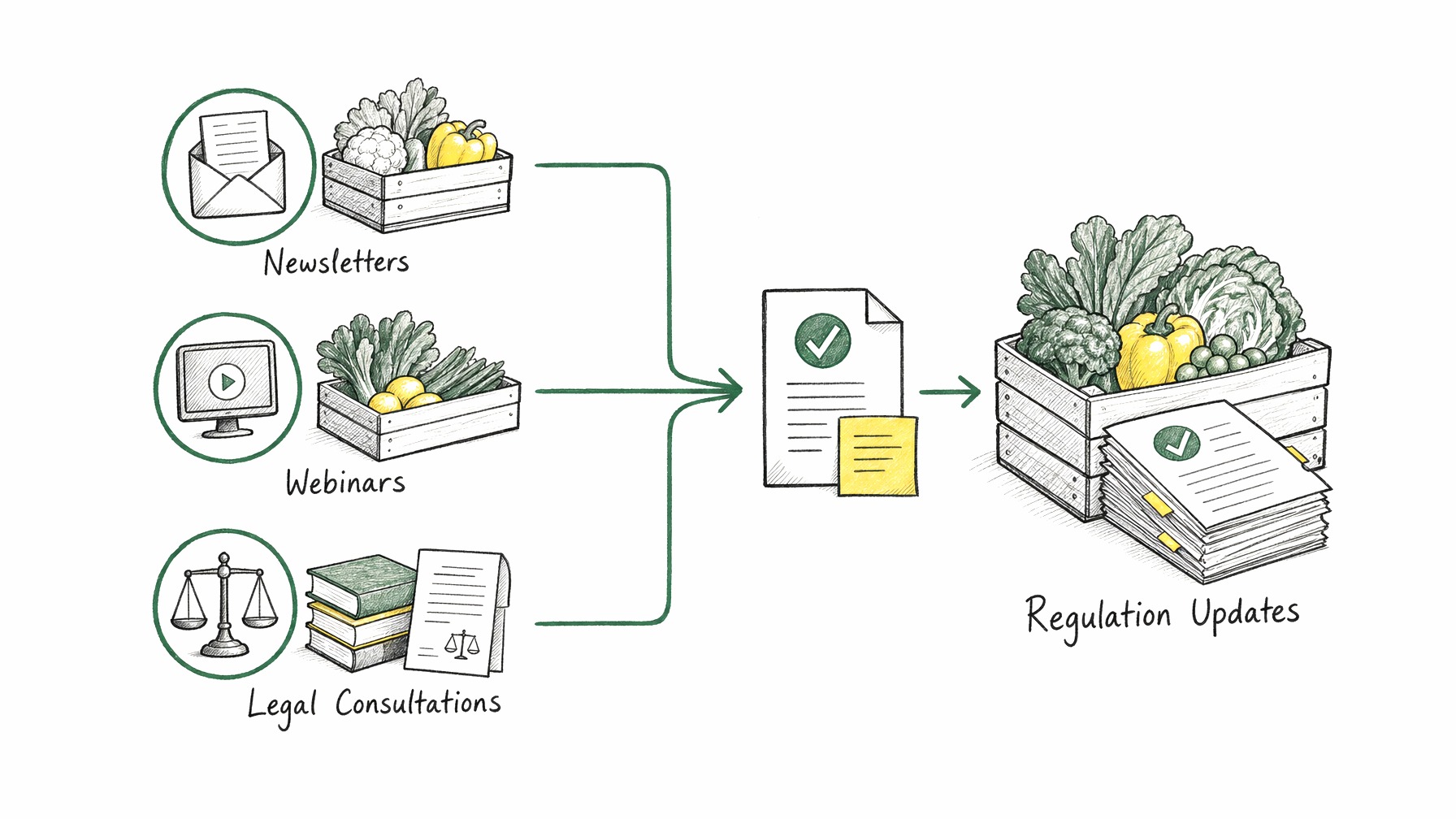
- Subscribe to newsletters from trade associations.
- Participate in industry webinars and conferences.
- Consult with legal experts specialized in trade regulations.
Creating a structured approach to track these changes will minimize risks and prevent disruptions in your supply chain.
By being proactive, you can adapt your processes and stay compliant with minimal hassle.
2. Implement Robust Documentation Practices
Accurate documentation is a cornerstone of compliance.
Ensuring that all paperwork is complete and correct can prevent delays and penalties.
Develop a standardized system for managing your documentation.
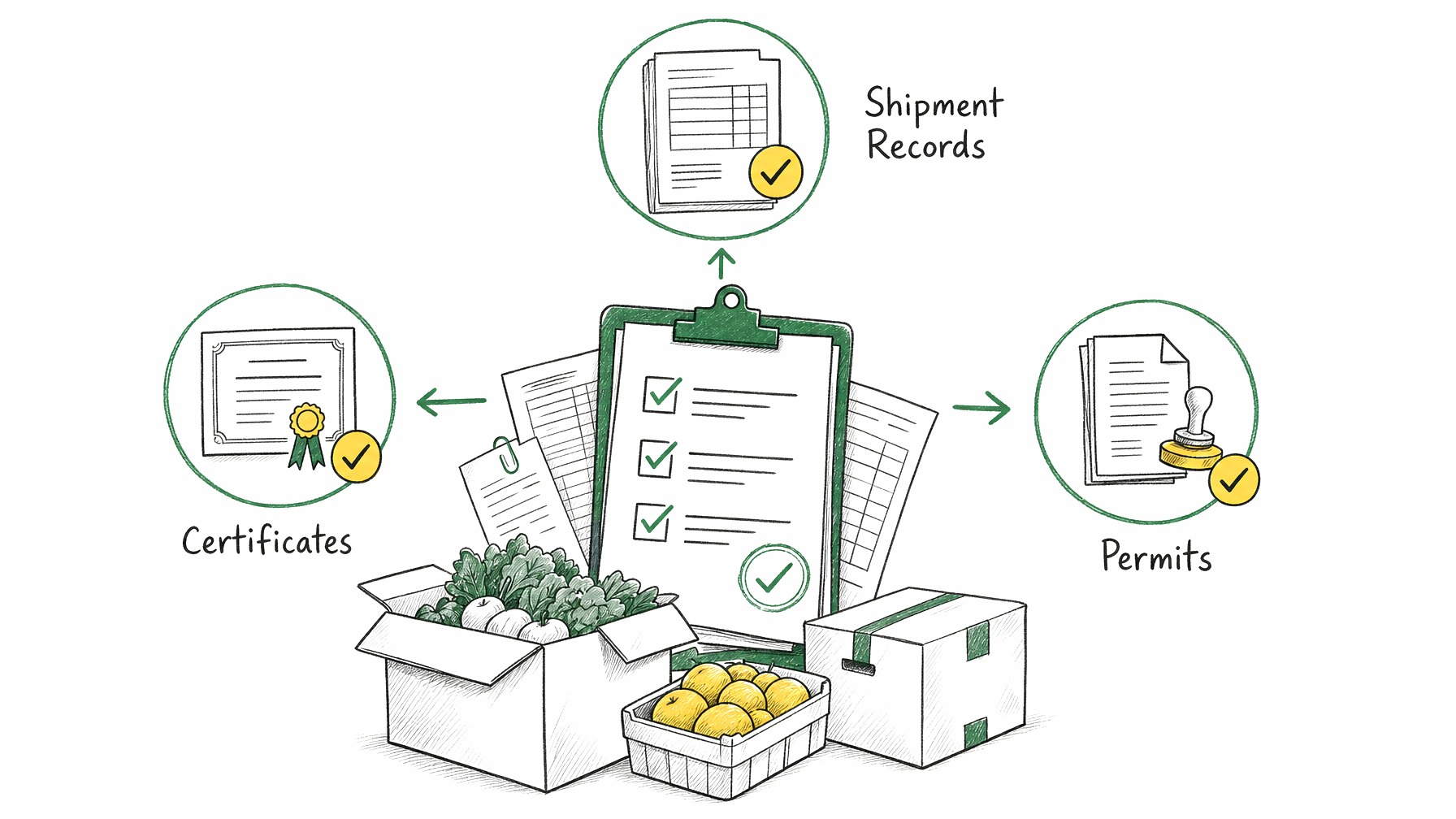
- Maintain clear records of shipment details.
- Ensure all certificates and permits are up-to-date.
- Regularly audit your documentation process for accuracy.
Consistency in documentation helps in resolving disputes quickly and efficiently.
Leveraging technology to automate paperwork can further enhance accuracy and efficiency.
3. Conduct Regular Compliance Training
Training is a critical component in maintaining compliance.
Employees need to be well-versed with the latest regulations and processes.
- Organize regular training sessions for staff.
- Update training materials to reflect new regulations.
- Encourage a culture of continuous learning.
By investing in training, you empower your staff to make informed decisions that uphold your compliance standards.
Training also boosts confidence in handling compliance issues effectively.
4. Establish Strong Supplier Relationships
Collaboration with suppliers plays a vital role in ensuring compliance.
Building strong relationships can streamline communication and alignment on regulatory expectations.
- Select suppliers with a proven track record of compliance.
- Engage in regular discussions on regulatory updates.
- Conduct compliance audits of your suppliers.
Trustworthy suppliers will help ensure that your produce meets all necessary standards, reducing the risk of non-compliance.
By fostering transparency, you can create a more reliable supply chain.
5. Utilize Technology for Compliance Management
Technology can be a powerful tool in managing compliance.
From automated systems to advanced tracking, technology offers numerous solutions.
- Implement software to monitor regulatory changes.
- Use digital tools for documentation and tracking.
- Integrate compliance checks into daily operations.
Leveraging technology ensures that compliance management is efficient and less prone to human error.
It also allows for real-time updates and quicker adaptation to regulatory changes.
6. Monitor and Review Compliance Regularly
Regular monitoring and review are essential for maintaining compliance over time.
Establishing a routine for oversight helps identify potential issues before they escalate.
- Conduct periodic compliance audits.
- Review processes to identify areas for improvement.
- Adjust compliance strategies based on audit findings.
Continuous improvement is key to staying compliant in an ever-changing regulatory environment.
Regular reviews ensure that your compliance measures remain effective and up to date.