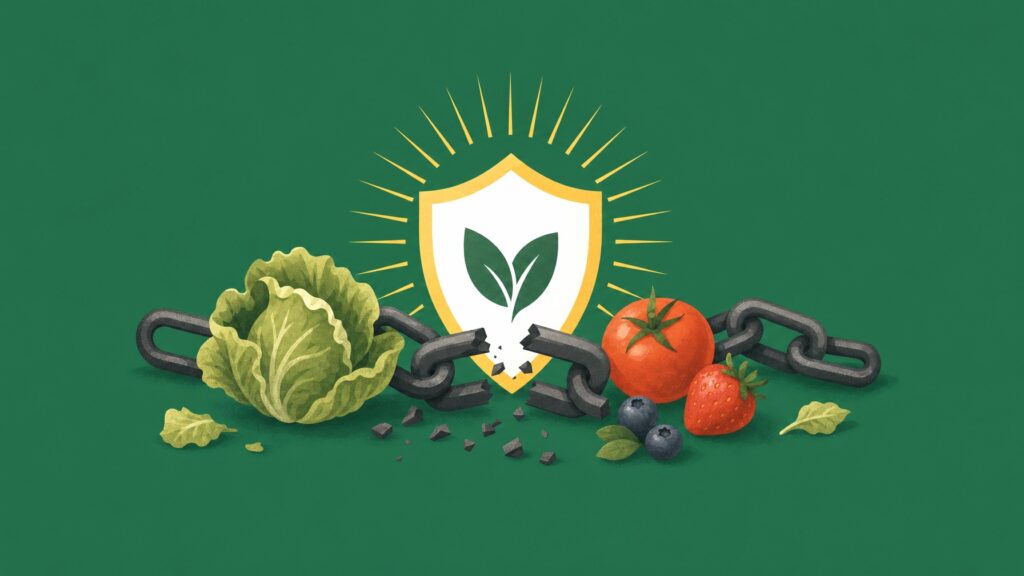
This summer’s Cyclospora outbreak has shaken the fresh produce industry to its core, prompting both industry leaders and consumers to reevaluate their priorities.
With almost 13,000 people affected and two fatalities linked to contaminated iceberg lettuce from a Mexican farm, the need for comprehensive safety measures has never been more evident.
The FDA’s response, a 10-point plan to mitigate and prevent future outbreaks, underscores the urgency of the situation.
However, the lingering question remains: will these measures be enough to restore consumer confidence, particularly when 30% of consumers are reportedly reducing their fresh produce purchases due to contamination fears?
To truly recover, the industry must adopt stricter safety protocols and enhance transparency, ensuring that both producers and consumers are protected in the long term.
FDA’s 10-Point Plan: A Step in the Right Direction
The FDA’s recent announcement of a 10-point plan to tackle Cyclospora outbreaks is a welcome initiative, but it is merely the starting point for a much-needed overhaul in food safety.
This comprehensive plan focuses on several critical areas, including improving farm surveillance and enhancing cooperation between regulators and producers.
By targeting the entire supply chain, the FDA aims to prevent future outbreaks and reduce the impact of contamination events when they occur.
Key components of the plan include:
- Enhanced farm surveillance to detect contamination early
- Stronger collaboration between regulators and producers
- Increased transparency in reporting contamination events
These elements, if implemented effectively, could significantly reduce the risk of future outbreaks.
However, the success of this plan hinges on industry-wide compliance and a commitment to transparency that goes beyond the minimum requirements.
Industry leaders must embrace these measures not only as regulatory obligations but as essential steps towards a safer food supply chain.
Compliance alone is not enough; proactive engagement and innovation in safety practices are crucial for the plan’s success.
Moreover, the plan’s effectiveness will depend on continuous evaluation and adaptation to emerging threats and technological advancements.
Consumer Confidence: The Missing Ingredient
Despite the FDA’s efforts, consumer confidence in fresh produce remains tenuous, with a significant portion of the population expressing skepticism about the safety of their food.
A recent survey indicated that 30% of consumers have reduced their fresh produce purchases due to contamination concerns.
This decline in consumer trust highlights a critical gap in the industry’s response to food safety challenges.
The fresh produce sector must prioritize transparency and open communication to rebuild this trust.
Key strategies to enhance consumer confidence include:
- Providing clear, accessible information about safety measures
- Offering real-time updates during contamination events
- Engaging consumers in safety practices through educational campaigns
By implementing these strategies, the industry can begin to repair the damaged relationship with consumers and encourage a return to pre-outbreak purchasing behaviors.
The challenge lies in effectively communicating these safety efforts to a skeptical public.
To bridge this gap, companies could leverage digital platforms and social media to reach a broader audience with their safety narratives.
Interactive campaigns that involve consumers in safety practices could further enhance engagement and trust.
Harnessing Technology: A New Frontier in Food Safety
Technology offers powerful tools to improve food safety and traceability, yet its potential remains underutilized in the fresh produce sector.
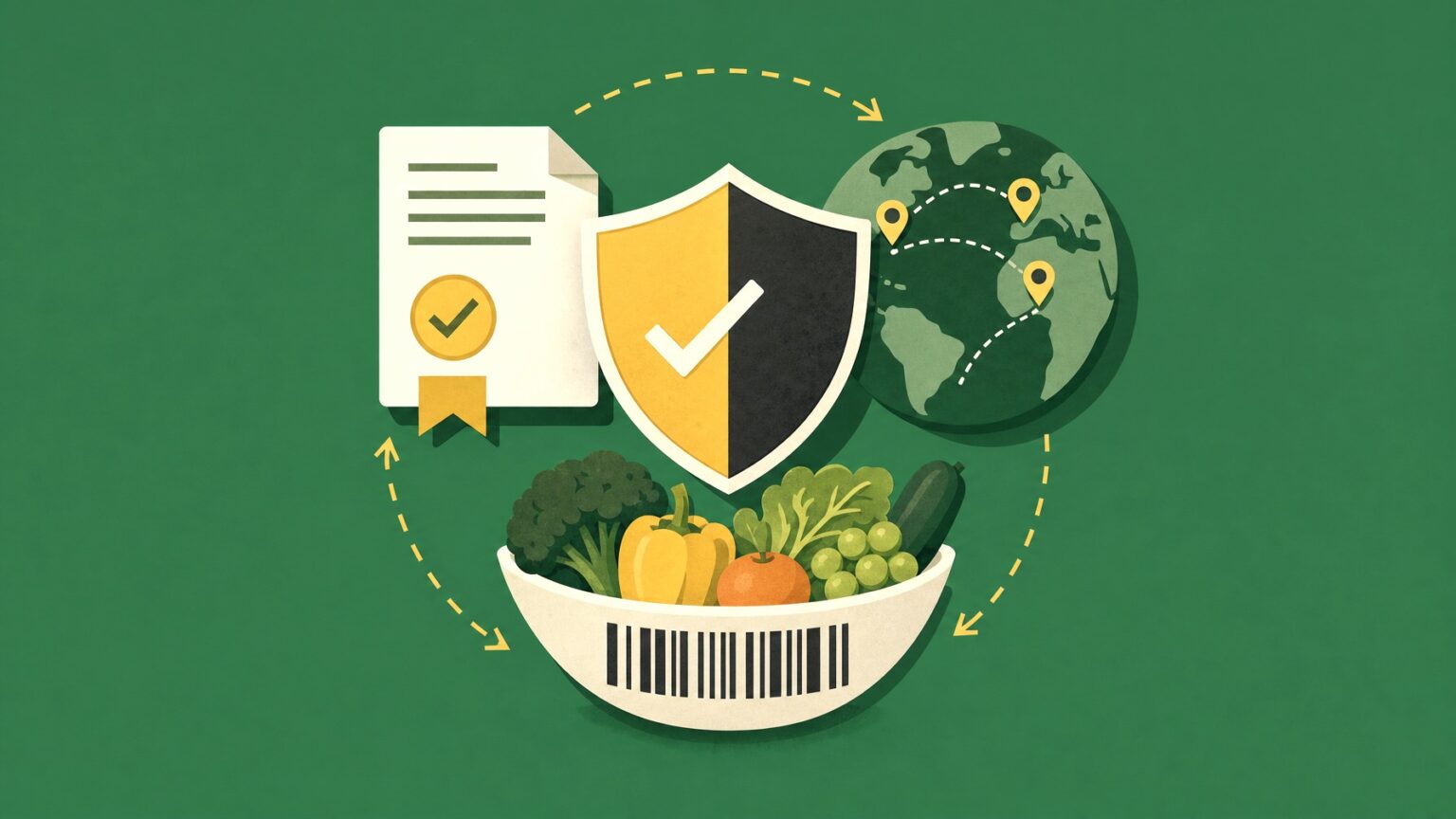
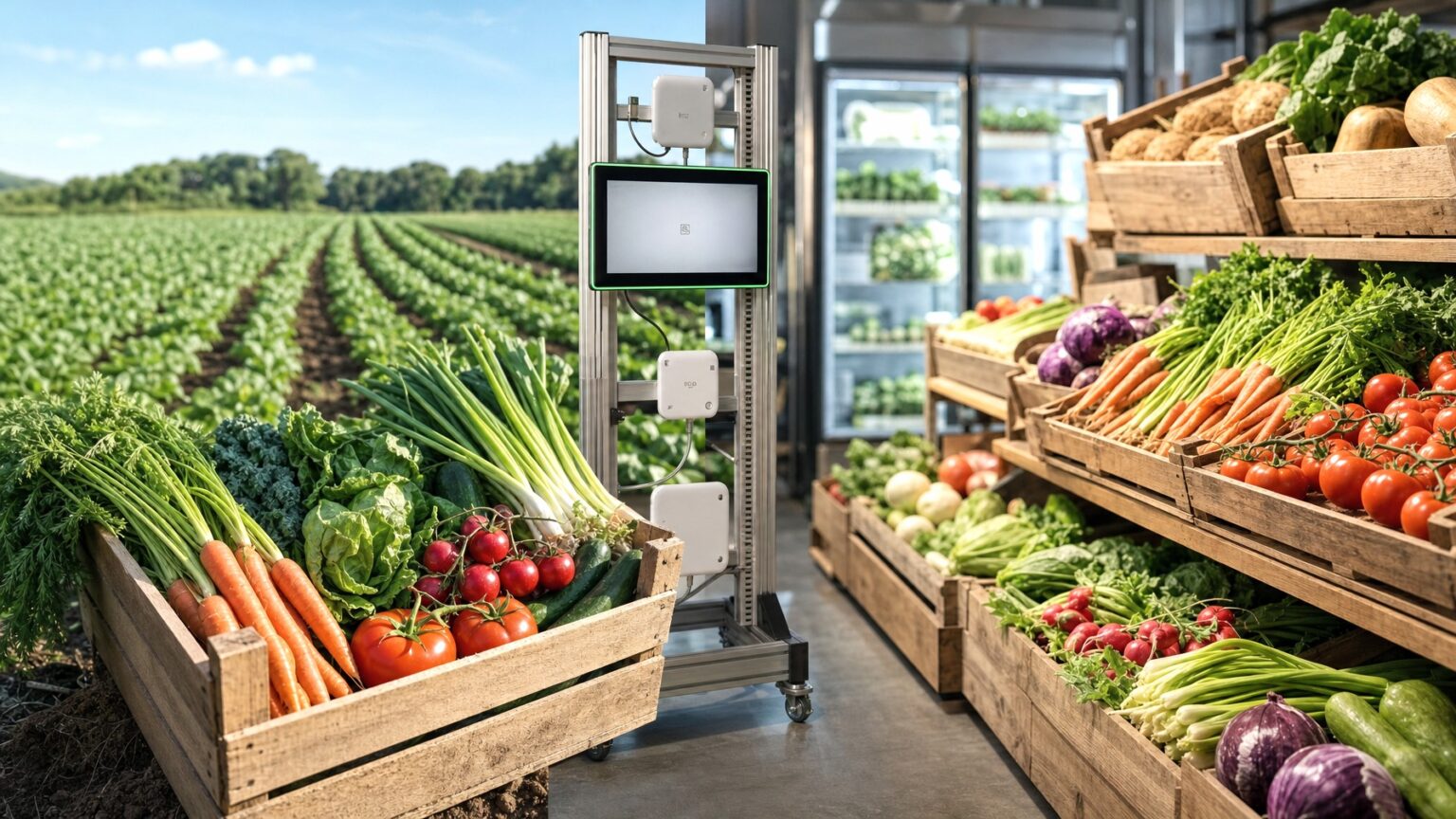
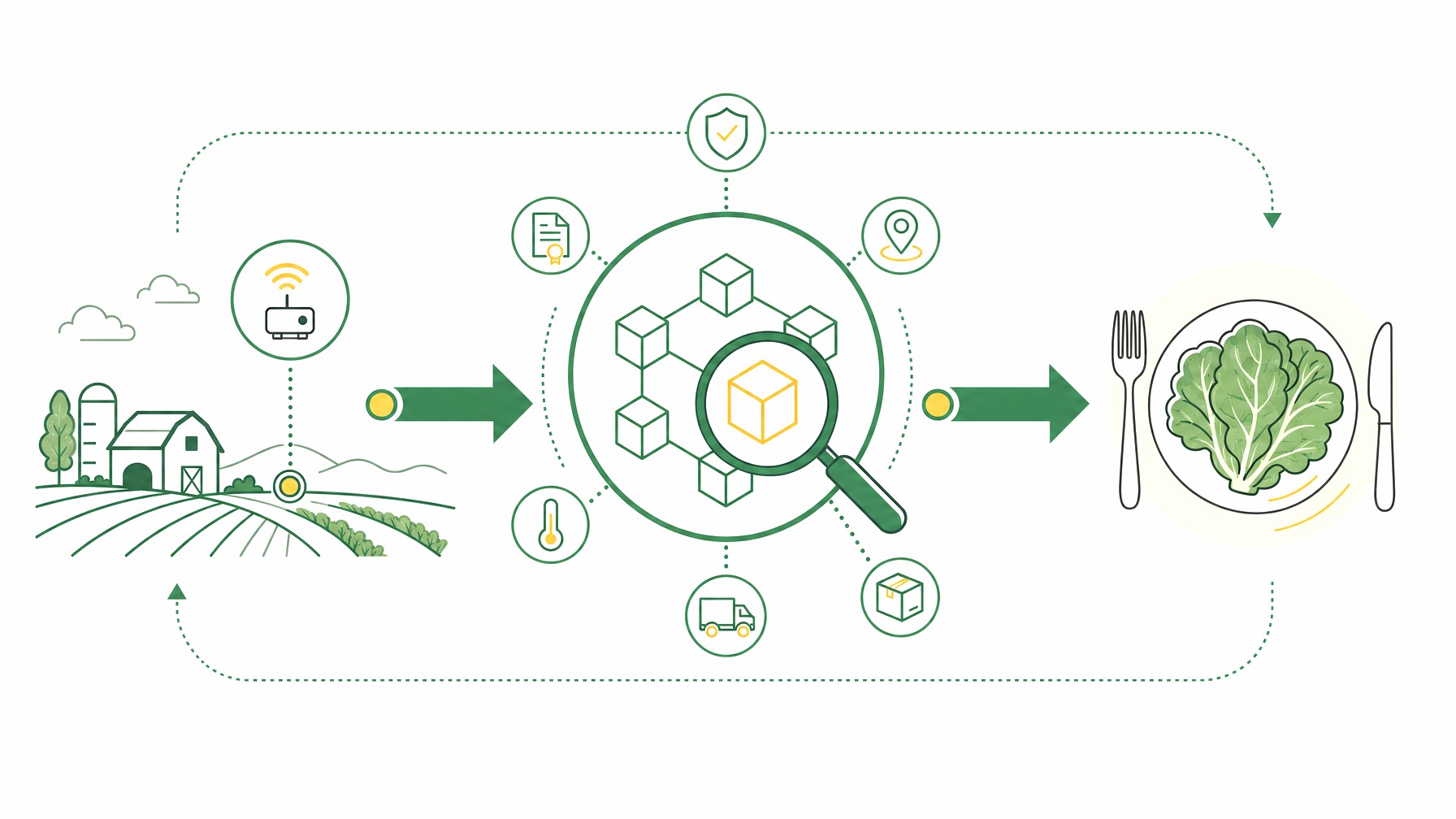
Innovations such as blockchain and IoT devices can enhance transparency and provide real-time data on food safety.
These technologies enable producers to track their products from farm to table, ensuring that any contamination is quickly identified and addressed.
Key technological innovations include:
- Blockchain for transparent supply chain tracking
- IoT devices for real-time monitoring of produce conditions
- AI-powered predictive analytics for risk assessment
By investing in these technologies, the industry can not only prevent future outbreaks but also demonstrate a commitment to safety and transparency that will reassure consumers.
The challenge for the produce sector is the high initial investment required for these technologies.
However, the long-term benefits of reducing contamination risks and gaining consumer trust outweigh the costs.
Producers who adopt these technologies early can set themselves apart as industry leaders in food safety.
Moreover, governments and industry bodies can play a crucial role by providing incentives for technology adoption.
Lessons from the Mexican Farm Outbreak
The largest Cyclospora outbreak in U.S. history, traced back to a Mexican farm, offers critical lessons for the industry.
This incident highlighted vulnerabilities in cross-border produce supply chains, where differing safety standards can lead to significant contamination risks.
The outbreak revealed the need for harmonized safety protocols across countries involved in the produce supply chain.
To address these challenges, the industry must adopt a more unified approach to safety standards.
Key lessons from the outbreak include:
- The importance of harmonizing international safety standards
- The need for robust cross-border regulatory cooperation
- The value of transparent communication between countries
By learning from this crisis, the fresh produce industry can develop more resilient supply chains that protect both producers and consumers.
International collaboration is essential to establish consistent safety standards across borders.
Without such cooperation, the risk of future outbreaks remains high.
Moreover, sharing best practices and safety innovations globally can strengthen the entire industry’s response to food safety challenges.
Governments and international bodies should facilitate dialogues and partnerships between countries to address these issues.
Transparency as a Competitive Advantage
In an era where consumers demand more information than ever before, transparency has emerged as a powerful competitive advantage for produce companies.
Brands that prioritize open communication about their safety practices are more likely to win consumer trust and loyalty.
Transparency not only reassures consumers but also distinguishes companies from competitors who may fall short in this area.
To leverage transparency as a competitive advantage, companies should focus on:
- Regularly publishing safety protocols and compliance records
- Providing detailed traceability information for all products
- Engaging in proactive communication during crises
By adopting these practices, companies can turn transparency into a key differentiator in the marketplace.
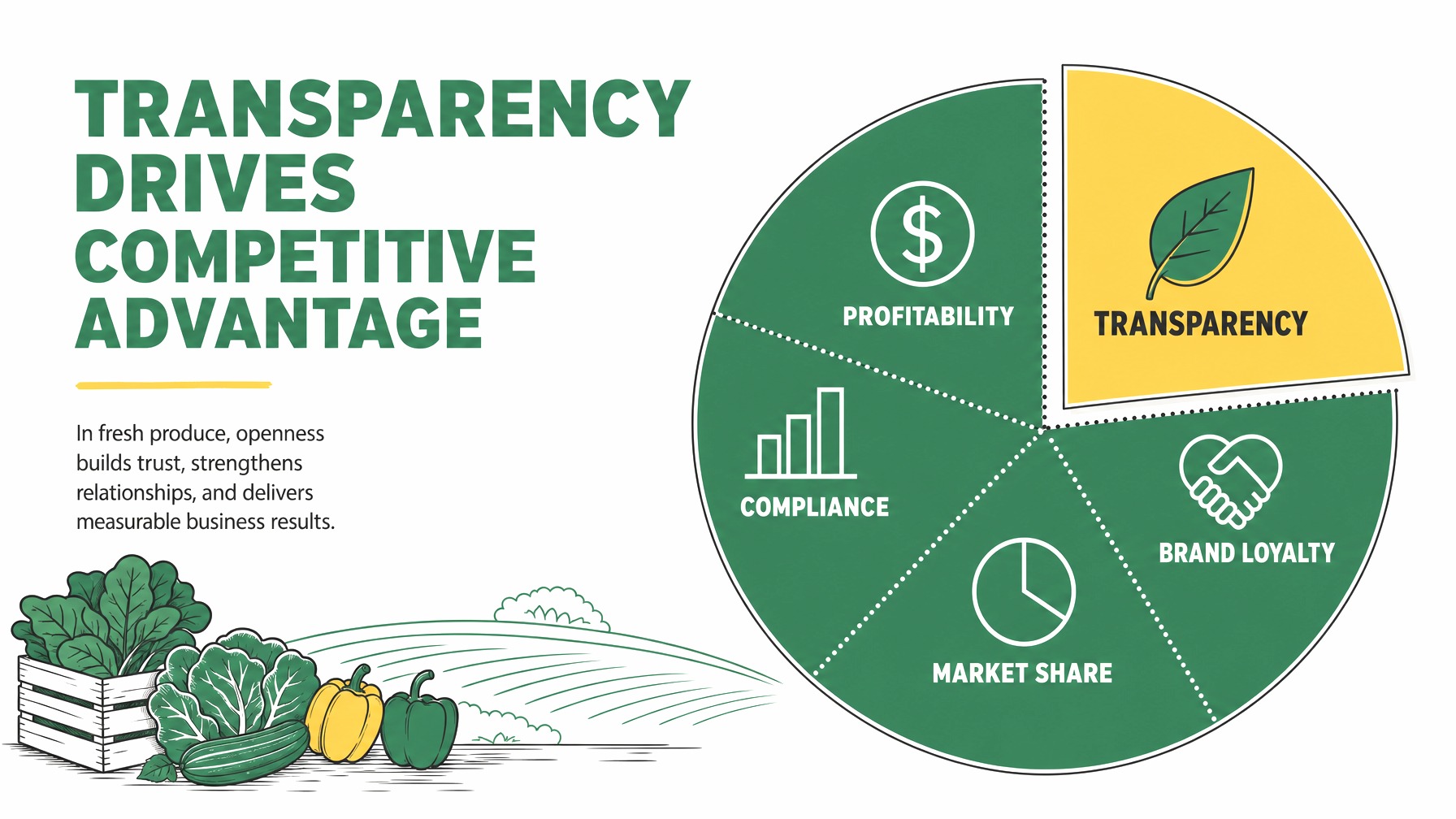
Transparency also empowers consumers to make informed choices about the products they purchase.
Companies that excel in transparency can build stronger brand loyalty and customer retention.
In the competitive landscape of the fresh produce industry, those who embrace transparency will likely see increased market share and profitability.
Ultimately, transparency is not just a strategy for crisis management but a long-term investment in brand reputation.
Producers’ Role in Reinforcing Safety Standards
Producers hold a pivotal role in reinforcing safety standards that align with consumer expectations and regulatory demands.
The commitment to elevated safety measures must be seen as intrinsic to operations rather than a mere compliance task.
Producers should actively participate in safety training programs and invest in rigorous internal audits to ensure standards are met consistently.
Fostering a culture of accountability and safety within organizations can lead to improved practices and reduced contamination risks.
Key strategies for producers include:
- Implementing continuous safety training for all staff
- Conducting regular and thorough internal safety audits
- Engaging with external consultants for unbiased safety evaluations
Such proactive measures can transform the industry’s approach to food safety and contribute to restoring consumer trust.
Moreover, producers can benefit from establishing open lines of communication with consumers, addressing their concerns directly and transparently.
This approach not only helps in crisis situations but also builds long-term relationships based on trust and reliability.
Stricter Safety Measures: A Non-Negotiable Path Forward
The path to restoring consumer confidence lies in the industry’s willingness to adopt stricter safety measures and enhance transparency.
While the FDA’s plan is a positive step, the responsibility for rebuilding trust ultimately falls on the producers themselves.
By committing to higher standards of safety and clear communication, the industry can navigate this crisis effectively and emerge stronger.
The fresh produce sector must embrace this opportunity to set a new standard for food safety, one that prioritizes the health and well-being of consumers above all else.
Only by taking decisive action can the industry ensure its long-term viability and regain the trust of a wary public.
Producers must view safety measures as integral to their operational strategies rather than regulatory burdens.
By doing so, they can transform current challenges into opportunities for innovation and growth.
The commitment to safety and transparency will define the future of the fresh produce industry, influencing consumer behavior and market dynamics for years to come.
Ultimately, the industry’s success depends on its ability to adapt and lead in the realm of food safety.