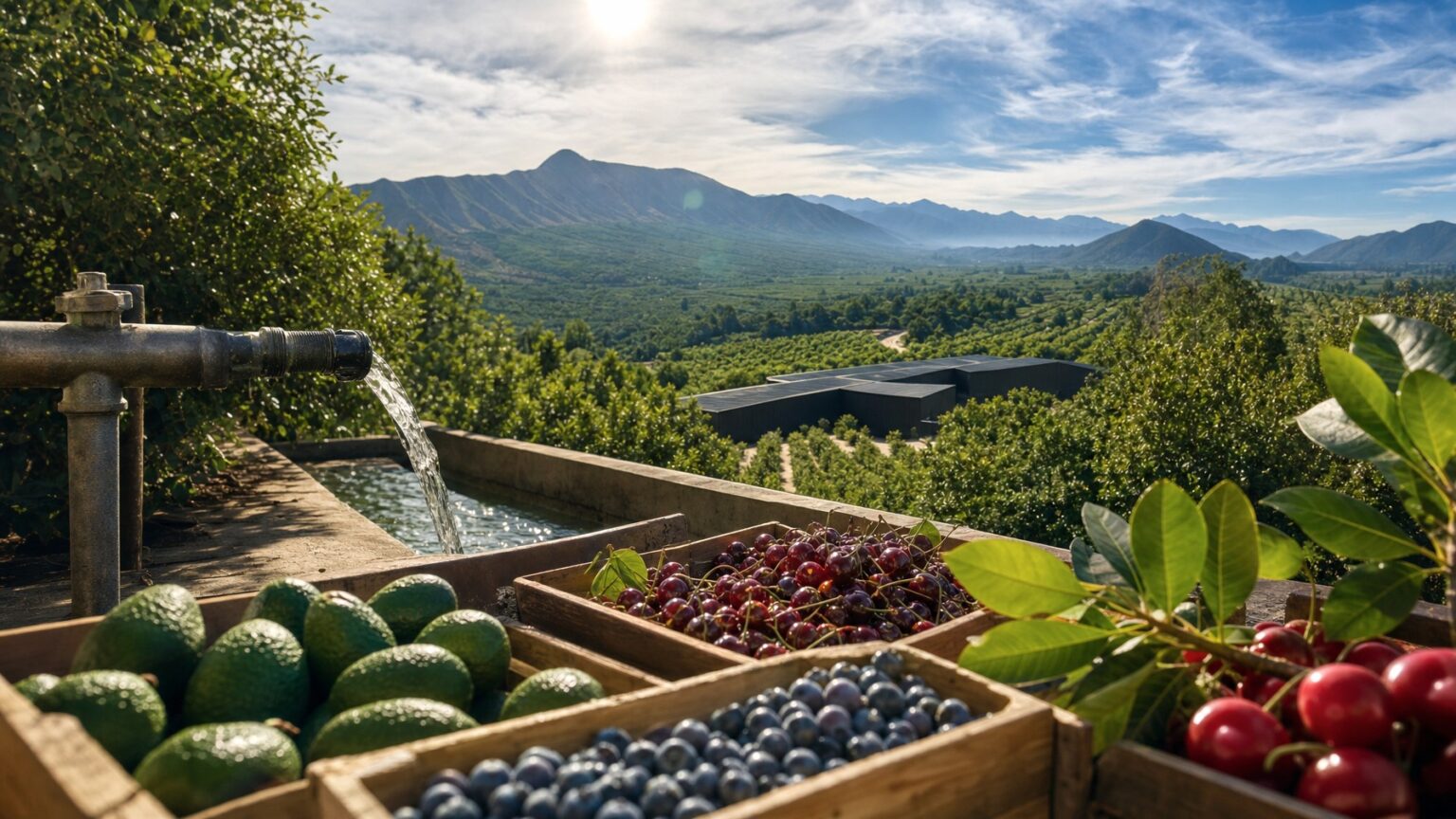
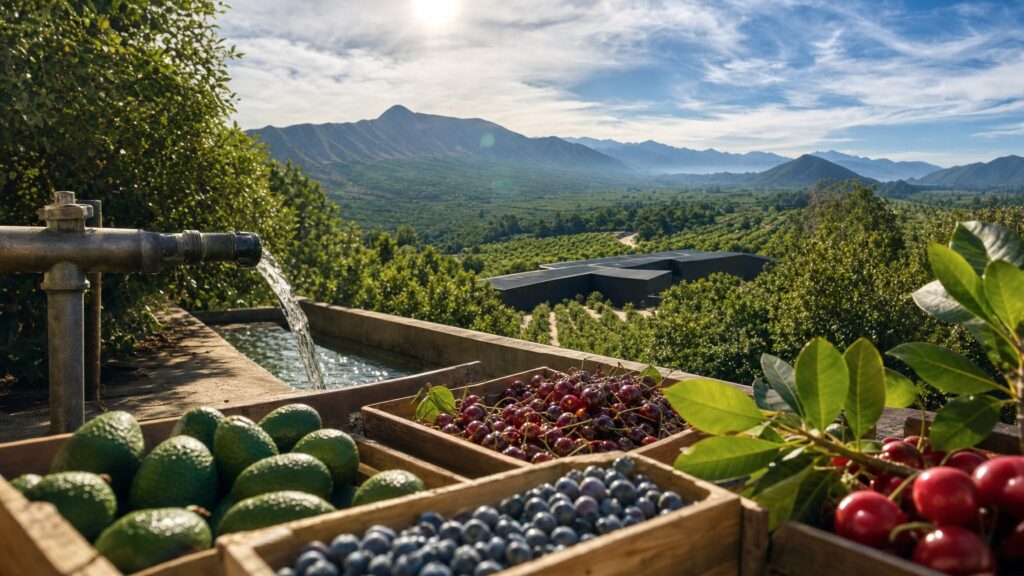
The Aconcagua Valley, one of Chile’s top fresh fruit-producing regions, has launched a new strategy to tackle its persistent water scarcity issues.
For years, this important agricultural area, known for its avocados, table grapes, citrus, and cherries, has faced significant challenges due to decreasing water levels.
The flow in the Aconcagua River has been approximately 50 percent below historical levels for the last 15 years, while groundwater levels have also significantly dropped.
The prolonged drought and rising temperatures have further intensified the pressure on the region’s ecosystems, with agriculture accounting for nearly 74 percent of the water demand.
In response to these challenges, a collaborative effort known as the WAVE Aconcagua Partnership has been initiated.
- Aconcagua Valley faces severe water scarcity impacting agriculture.
- WAVE Aconcagua Partnership unites key industry players and growers.
- Focus on coordinated water management and sustainability solutions.
- Partnership supported by the Dutch Government and local stakeholders.
- Shift from individual to collaborative strategies for resilience.
This partnership includes key players such as Dole, Nature’s Pride, and the Salling Group, along with the Aconcagua Network, which consists of 15 growers managing over 12,355 acres of farmland.
The initiative is supported by the Dutch Government’s Partners for Water program and the Embassy of the Netherlands in Chile.
Participants are working on a pre-competitive basis, focusing on areas like water management, regenerative agriculture, and grower transition plans.
During the partnership’s annual visit to Chile in July, participants reviewed progress and set priorities for the next stage.
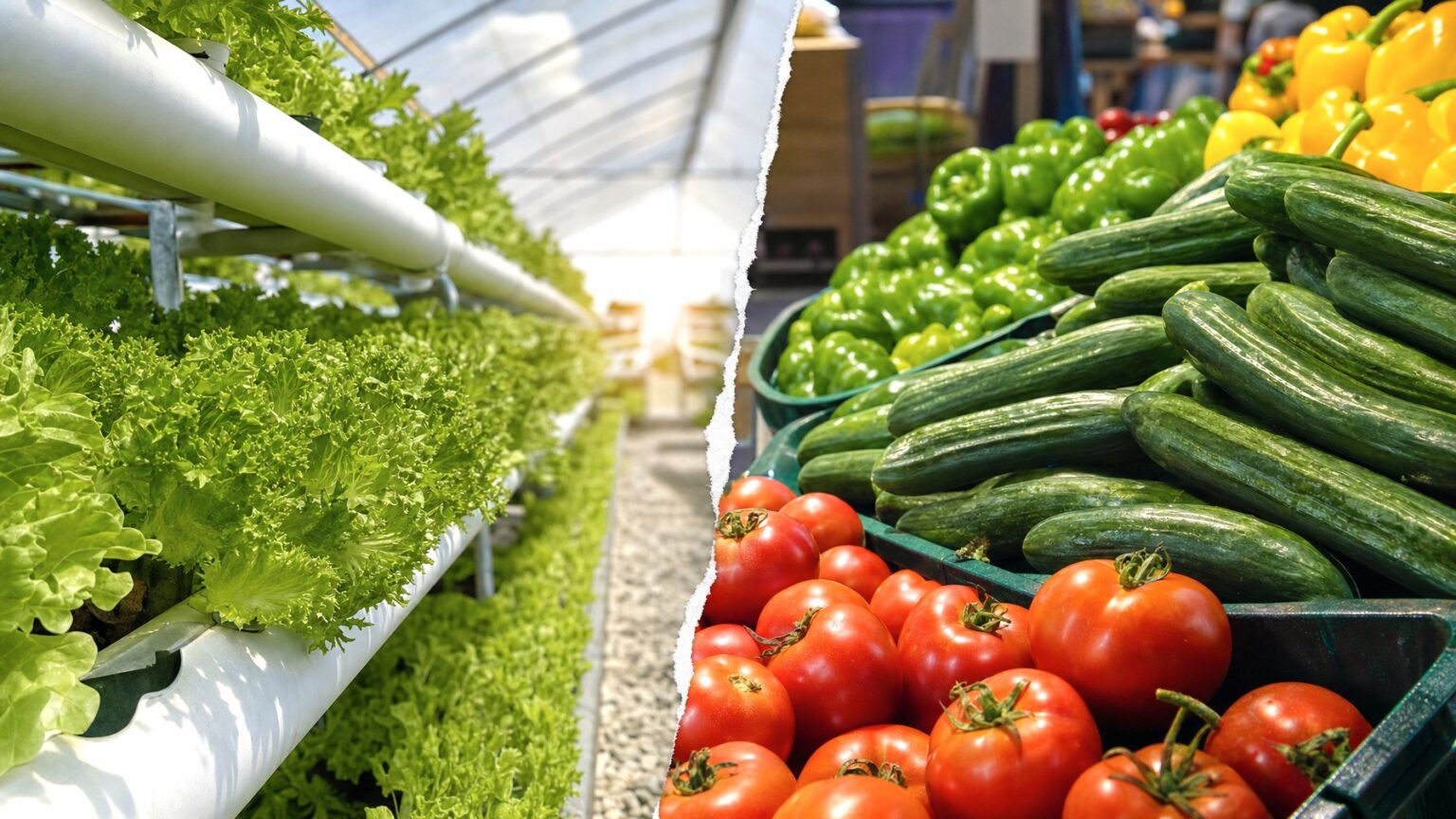
Growers are already testing several innovative approaches, including nano-drip irrigation, which delivers smaller amounts of water more frequently to manage soil moisture while reducing water and energy use.
The initiative has identified basin-level coordination as an important complement to individual farm projects.
The Strategic Water Resources Table for the Aconcagua Basin provides a forum for authorities and other water users to coordinate and exchange knowledge.
This approach aims to strengthen the region’s long-term resilience by sharing costs and reducing duplication among sustainability efforts.
The partnership is now moving into an expanded implementation phase.
Farm assessments and pilot-project results will help set priorities for individual growers, alongside increased joint monitoring and basin-level work.
For companies sourcing fruit from the Aconcagua Valley, the partnership represents a shift toward coordinated, territorial approaches to water and climate challenges.
This strategy signifies a move away from relying solely on individual farm-level sustainability projects, aiming instead for a more comprehensive and unified effort to tackle the region’s water issues.