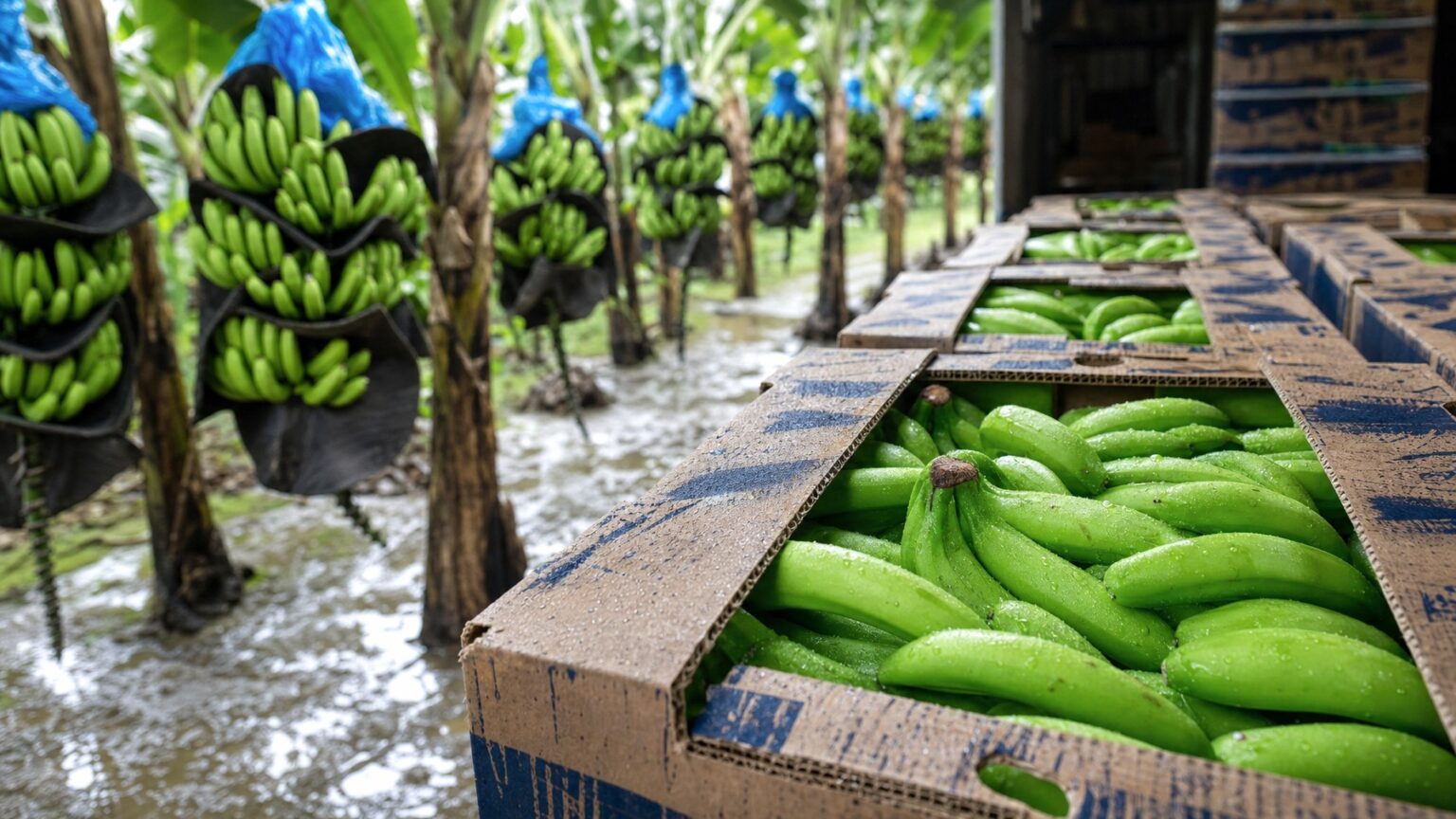
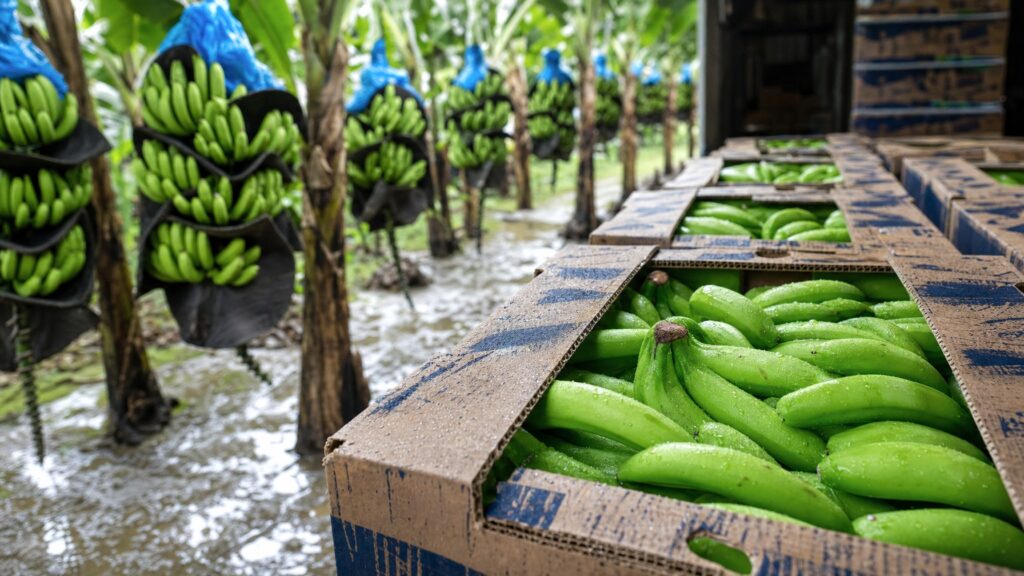
The looming threat of El Niño is casting a significant shadow over banana production across Latin America, with potential weather disruptions on the horizon.
Growers are bracing for a range of climate challenges, including excessive rainfall, flooding, and drought, which could have varied impacts on different regions.
According to Rob Desson, Senior Business Partnerships Manager for Fresh Produce North Americas at Fairtrade America, this El Niño is forecasted to be the strongest in the last 75 years.
Such conditions pose a significant risk to banana production, potentially exacerbating existing issues like disease risks and rising production costs.
Regions like Ecuador and Peru are particularly vulnerable to above-normal rainfall, which could increase the threat of diseases such as Moko, Fusarium TR4, and Black Sigatoka.
- El Niño threatens banana production in Latin America significantly.
- Growers face climate challenges: rainfall, flooding, and drought risks.
- This El Niño is predicted to be the strongest in 75 years.
- Regions like Ecuador and Peru are most vulnerable to disease risks.
- Colombia already suffers from flooding, affecting banana exports.
Meanwhile, Colombia is already grappling with the effects of excessive rainfall, with more than 3,000 acres flooded earlier this year, impacting export availability even before El Niño’s peak.
The consequences of such climatic disruptions are profound, with potential losses reaching up to 1.36 million metric tons, equivalent to approximately 75 million boxes of bananas.
In a worst-case scenario, yields could drop to levels that threaten the sustainability of the banana industry, affecting global supply.
Producers are investing in adaptation measures, with Peruvian growers enhancing soil resilience through practices like cover crops and biochar.
In Ecuador, a new climate platform provides real-time data to help growers monitor rainfall and disease risks, though these efforts require significant financial investment.
Despite these proactive measures, the financial burden often falls on growers, who are already under pressure from increasing costs of fertilizers and transportation.
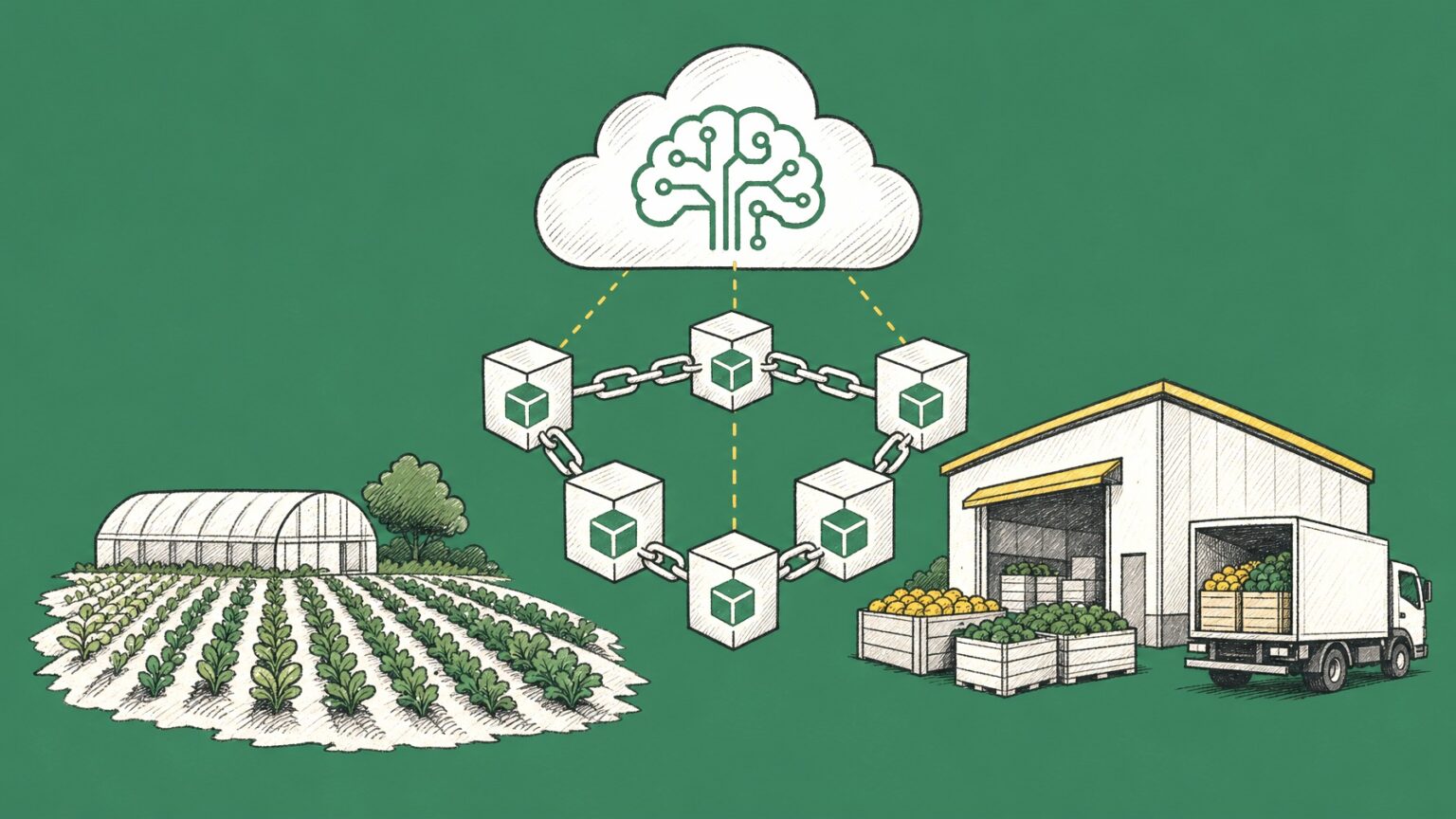
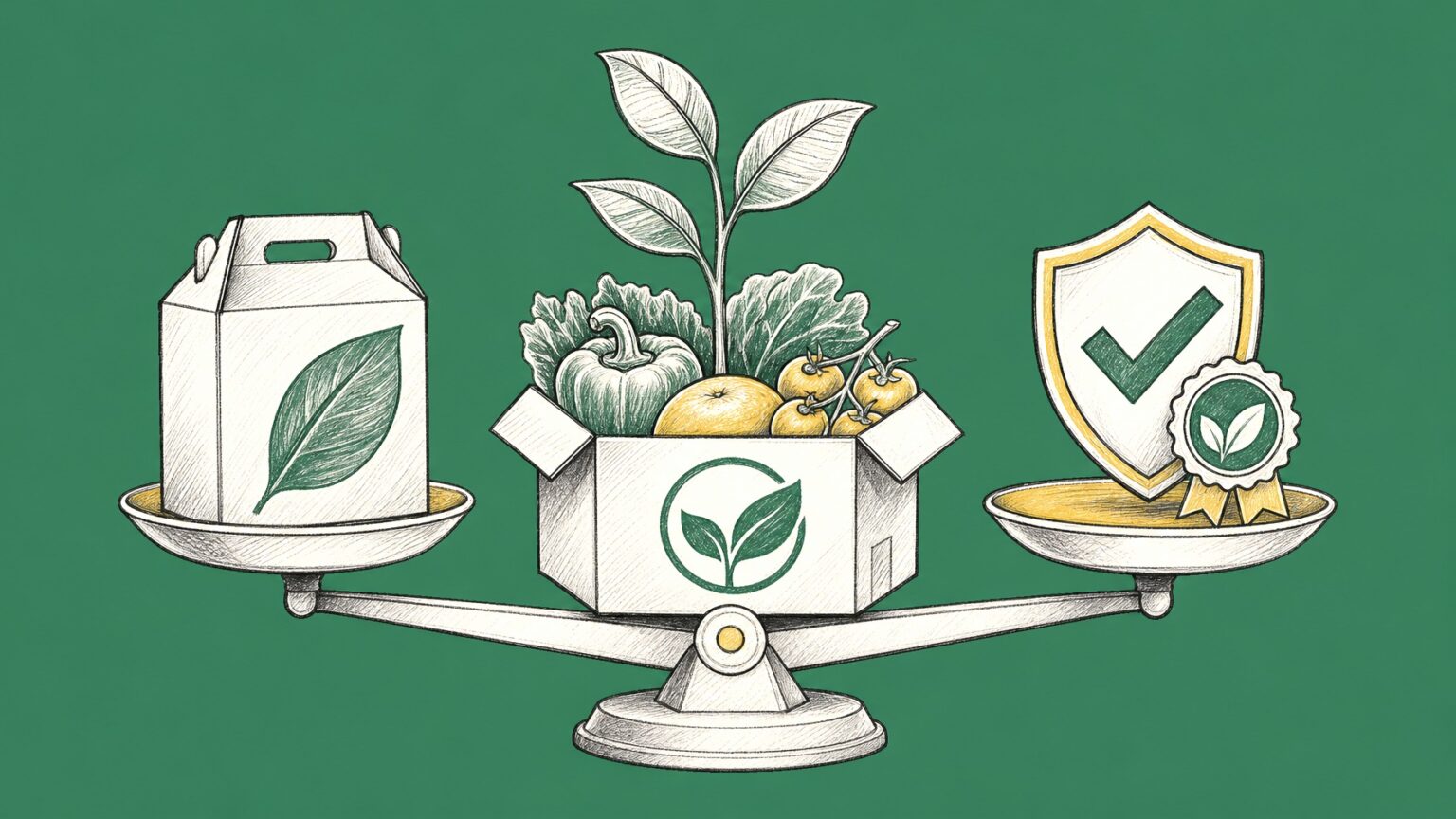
Desson emphasizes the need for shared responsibility across the supply chain, urging suppliers and retailers to establish long-term partnerships with growers.
Such commitments could provide the financial stability necessary for investing in irrigation, soil management, and disease prevention.
With persistently low prices limiting growers’ ability to invest, the industry faces a critical juncture where strategic partnerships and financial support could determine its future resilience.