In the fast-paced world of fresh produce distribution, staying ahead of the curve is crucial.
As demand for fresh produce continues to grow, the need for efficient distribution systems becomes even more pressing.
New technologies are playing a pivotal role in transforming how produce is distributed, enhancing efficiency and reducing waste.
Executives, shippers, and retailers are increasingly turning to technological innovations to streamline their operations.
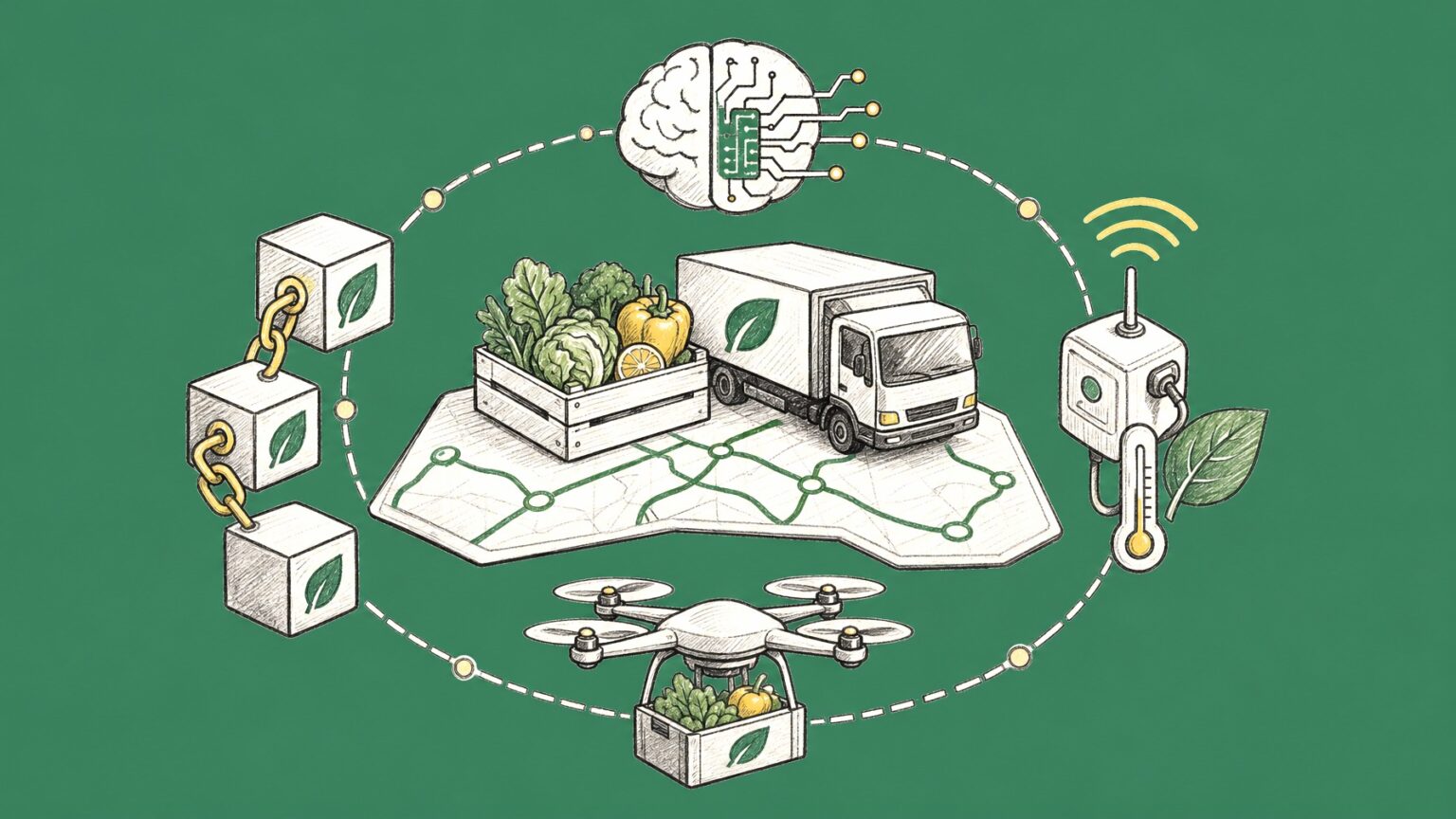
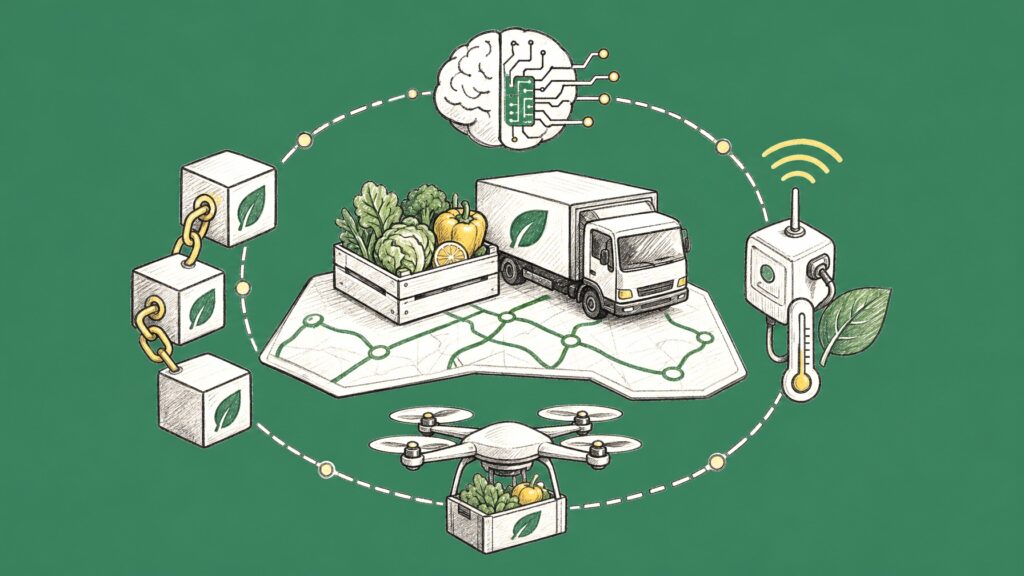
From AI-driven analytics to blockchain for traceability, the industry is ripe for transformation.
Understanding these technologies and their potential impact can provide a competitive edge.
This article explores six innovative technologies that are revolutionizing produce distribution.
By integrating these advancements into your operations, you can improve efficiency, reduce costs, and ensure the freshness of your produce from farm to table.
1. Artificial Intelligence and Machine Learning
Artificial Intelligence (AI) and Machine Learning (ML) are transforming the produce distribution landscape.
These technologies enable better demand forecasting, optimizing inventory levels and reducing spoilage.
AI-driven systems analyze historical data to predict demand patterns, allowing distributors to make informed decisions.
Machine learning algorithms can also optimize routes for delivery vehicles, reducing fuel consumption and delivery times.
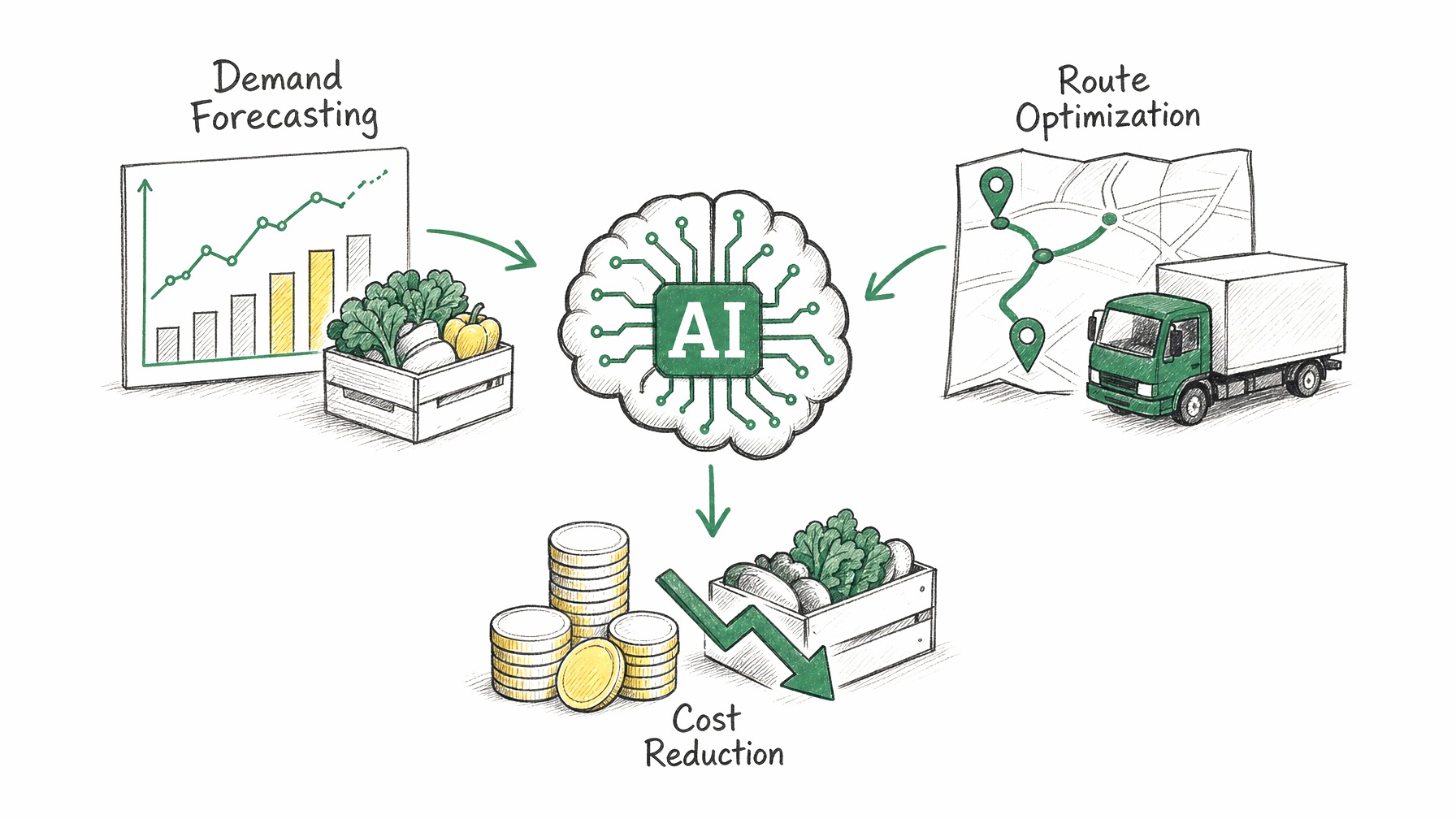
This not only cuts costs but also reduces the carbon footprint of distribution operations.
- Improved demand forecasting
- Optimized delivery routes
- Reduced operational costs
Implementing AI in your distribution strategy can lead to significant efficiency gains.
By automating routine tasks, companies can focus on strategic decision-making and customer satisfaction.
2. Blockchain Technology for Traceability
Blockchain technology offers an immutable ledger system, enhancing traceability throughout the produce supply chain.
This technology allows stakeholders to track the journey of produce from farm to table, ensuring transparency and accountability.
With blockchain, all parties involved in the supply chain can access real-time data, which is crucial for food safety and quality assurance.
This transparency builds trust with consumers and can be a significant differentiator in the market.
- Enhanced transparency
- Improved food safety
- Increased consumer trust
Integrating blockchain into your supply chain can help mitigate risks associated with recalls and contamination, protecting your brand and bottom line.
3. Internet of Things (IoT) for Real-Time Monitoring
The Internet of Things (IoT) is revolutionizing how fresh produce is monitored during transit.
IoT devices can provide real-time data on temperature, humidity, and location, ensuring optimal conditions are maintained throughout the supply chain.
By leveraging IoT, distributors can quickly identify and address issues, preventing spoilage and reducing waste.
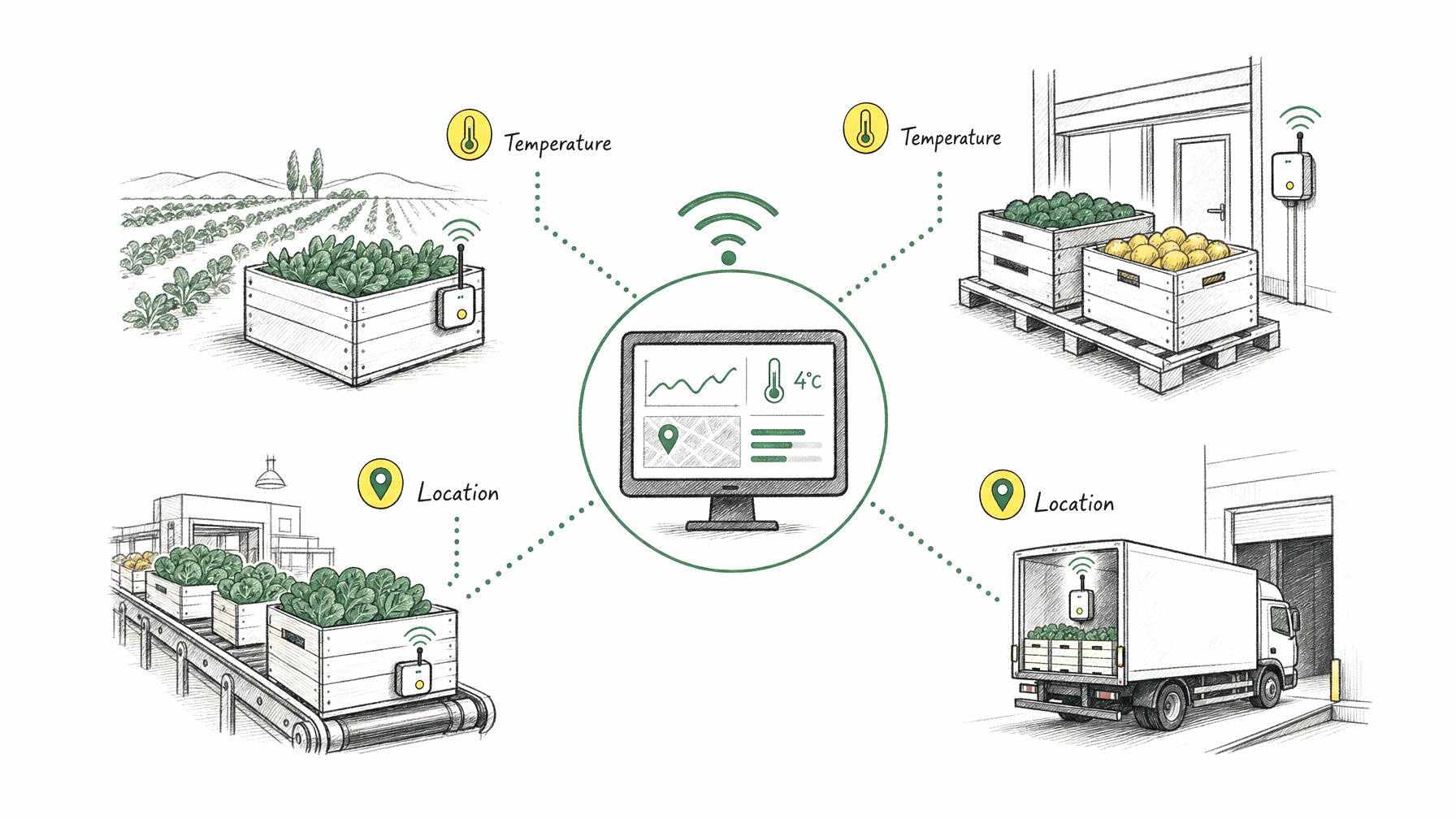
This technology also enables predictive maintenance for transportation equipment, minimizing downtime and improving efficiency.
- Real-time environmental monitoring
- Predictive maintenance
- Reduced spoilage
Implementing IoT solutions can lead to significant cost savings and enhance the quality of produce delivered to consumers.
4. Robotics and Automation in Warehousing
Robotics and automation are transforming warehousing operations within the produce industry.
Automated systems can handle repetitive tasks such as sorting, packing, and palletizing, increasing speed and accuracy.
Robots equipped with advanced sensors can work alongside human employees, enhancing productivity and reducing the risk of injury.
This technology allows warehouses to operate more efficiently, even with labor shortages.
- Increased operational speed
- Reduced labor costs
- Enhanced workplace safety
Investing in robotics can streamline your warehousing processes, allowing you to meet increasing demand with greater efficiency and precision.
5. Advanced Analytics for Data-Driven Decisions
Advanced analytics tools are empowering produce distributors to make data-driven decisions.
These tools analyze a vast array of data points, providing insights into market trends, consumer preferences, and operational performance.
By leveraging these insights, companies can optimize pricing strategies, improve customer service, and enhance supply chain collaboration.
Data-driven decisions lead to more efficient operations and improved profitability.
- Enhanced market insights
- Optimized pricing strategies
- Improved customer satisfaction
Adopting advanced analytics can transform your business strategy, providing a competitive advantage in the dynamic produce market.
6. Sustainable Packaging Innovations
Sustainable packaging is becoming increasingly important in the produce industry.
Innovations in biodegradable and recyclable materials are reducing the environmental impact of packaging.
These innovations not only appeal to eco-conscious consumers but also align with the sustainability goals of many produce companies.
Adopting sustainable packaging solutions can reduce waste and enhance brand reputation.
- Reduced environmental impact
- Increased consumer appeal
- Alignment with sustainability goals
By embracing sustainable packaging, you can contribute to a more sustainable future while meeting consumer expectations.
The Bottom Line
Innovative technologies are reshaping the produce distribution industry.
By adopting these advancements, companies can enhance efficiency, reduce costs, and improve product quality.
Staying informed about these technologies and integrating them into your operations can provide a significant competitive edge.
As the industry evolves, leveraging technology will be key to success.
Embrace these innovations to ensure your produce distribution operations are efficient, sustainable, and ready for the future.