In the competitive world of fresh produce, having a robust marketing plan is crucial for standing out and achieving growth.
With shifting consumer preferences and emerging technologies, the produce industry faces both challenges and opportunities in marketing strategies.
A well-crafted plan enables produce businesses to effectively reach their target audience, improve brand recognition, and drive sales.
To ensure success, it’s essential to consider various elements that can influence a marketing strategy’s effectiveness.
These range from understanding market trends to leveraging digital tools and engaging with consumers.
By focusing on these components, produce professionals can create a comprehensive plan that aligns with their business goals.
This article outlines seven essential elements that should be part of every successful produce marketing plan.
Whether you’re a grower, shipper, retailer, or marketer, these insights will help you navigate the dynamic landscape of produce marketing.
1. Research and Understand Market Trends
Staying ahead of market trends is vital for any successful marketing plan.
Understanding what consumers are looking for can guide your product offerings and promotional strategies.
Regularly analyzing market data helps identify emerging trends and shifts in consumer preferences.
- Monitor industry reports and consumer surveys.
- Analyze competitive strategies and market dynamics.
- Identify new opportunities in niche markets.
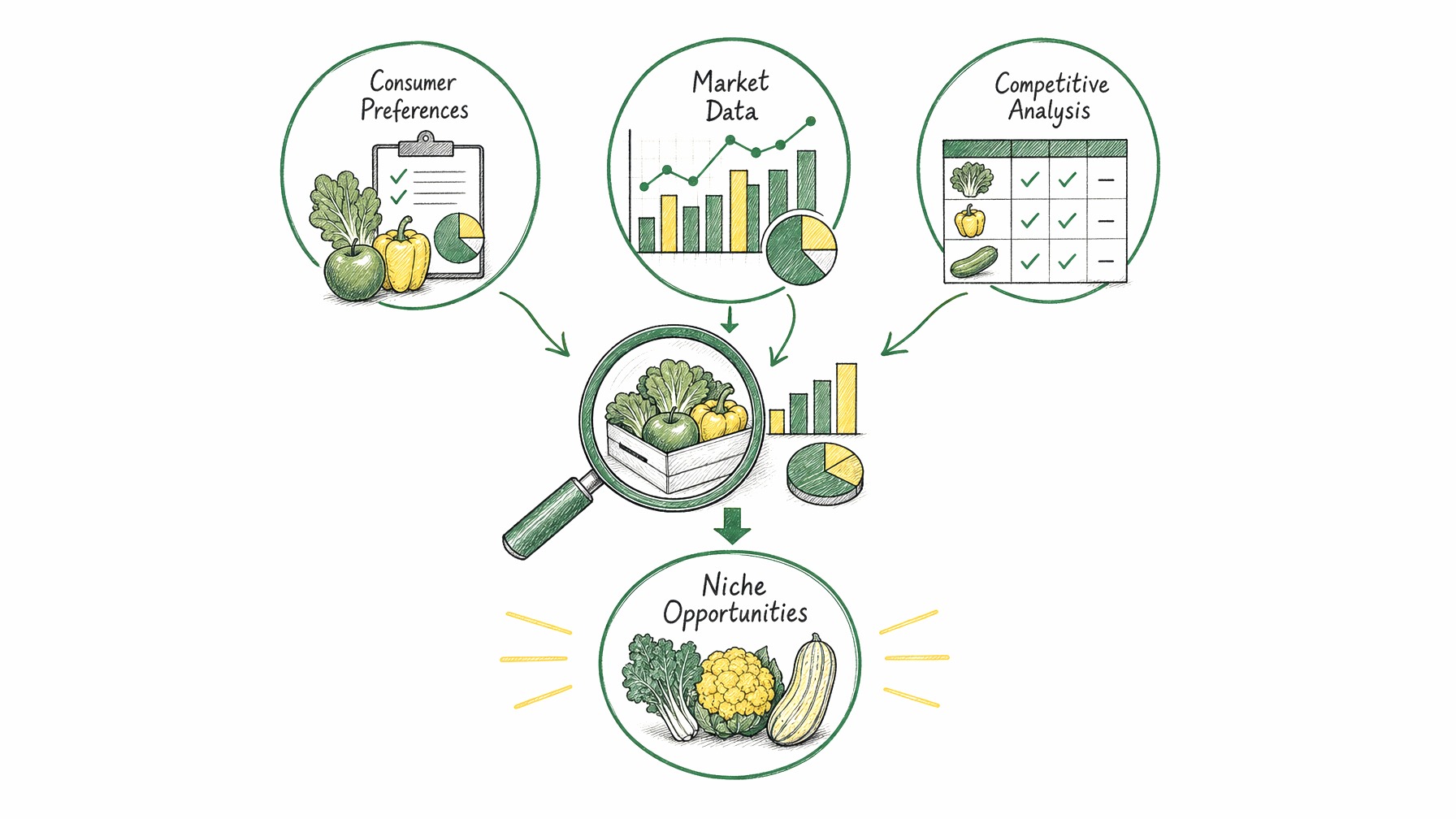
By leveraging this information, you can tailor your marketing efforts to meet demand and position your brand effectively.
Staying informed helps you make strategic decisions that align with current market conditions.
Incorporating market research into your plan allows you to anticipate changes and adapt quickly.
It ensures your marketing initiatives are relevant and resonate with your audience.
2. Define Your Brand Identity
Your brand identity is the foundation of your marketing strategy.
It encompasses your values, mission, and unique selling proposition (USP).
A strong brand identity differentiates your produce business from competitors and connects with consumers on an emotional level.
- Establish a clear brand message and tone.
- Highlight what sets your produce apart from others.
- Ensure consistency across all marketing channels.
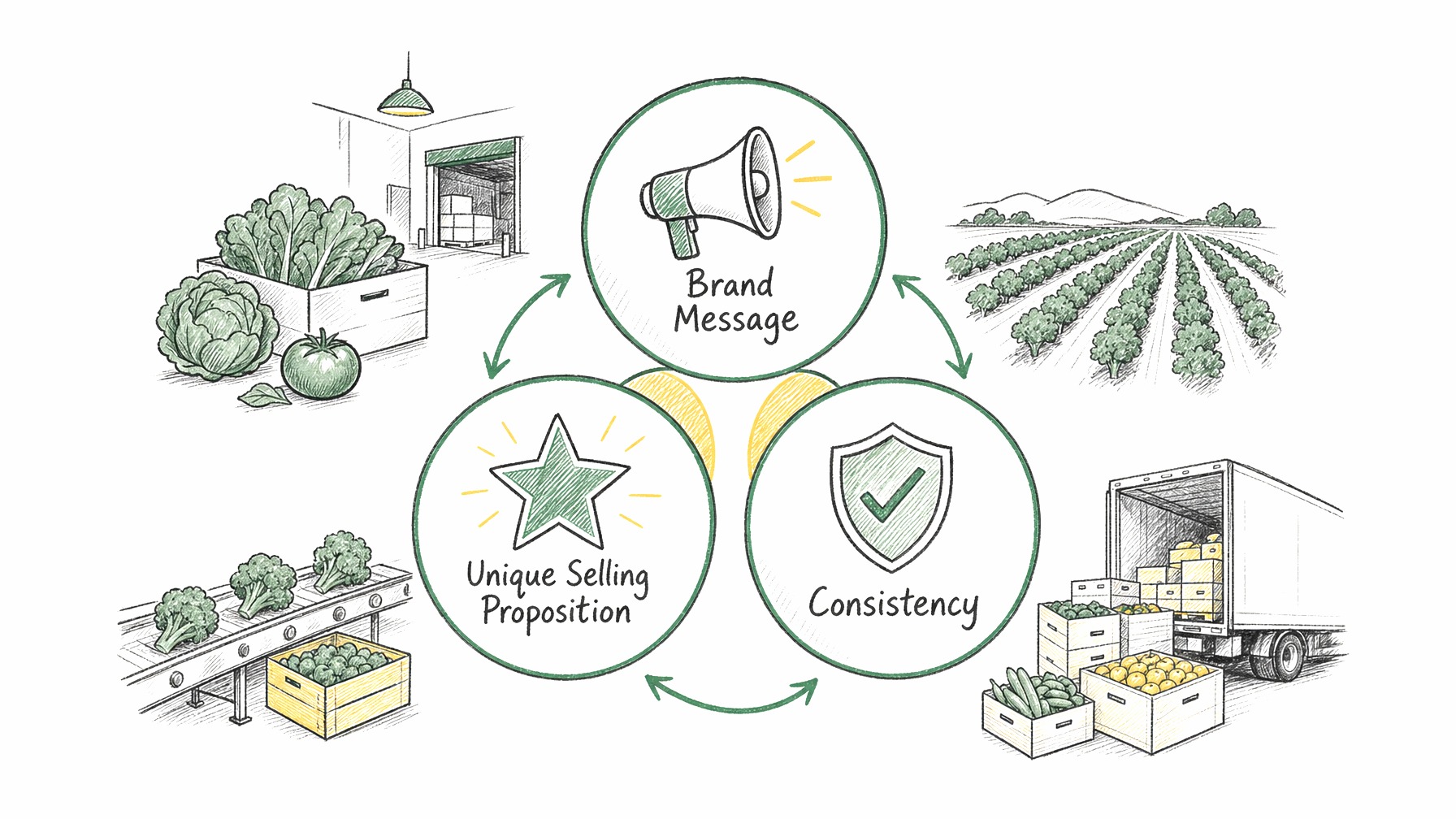
Consistent branding builds trust and recognition, making it easier for consumers to choose your products.
Your brand should reflect the quality and values that your company stands for.
Investing in brand development strengthens your market position and fosters longevity in consumer relationships.
Your brand identity should be evident in everything from packaging to promotional materials.
3. Leverage Digital Marketing Tools
In today’s digital age, leveraging technology is essential for reaching a wider audience.
Digital marketing tools offer cost-effective ways to promote your produce and engage with consumers.
From social media to email marketing, these tools provide valuable touchpoints for customer interaction.
- Create engaging content for social media platforms.
- Utilize email campaigns to nurture leads and retain customers.
- Implement SEO strategies to improve online visibility.
Digital marketing allows for precise targeting and measurable results.
By analyzing data from these tools, you can refine your strategies and maximize your marketing ROI.
Embracing digital marketing not only enhances brand awareness but also builds a community around your produce brand.
It provides opportunities for direct engagement with your audience, fostering loyalty and repeat business.
4. Optimize Product Packaging and Presentation
Packaging and presentation play a critical role in your marketing strategy.
They are often the first point of contact for consumers and can significantly influence purchasing decisions.
Ensuring your packaging attracts attention and communicates your brand message is essential.
- Design packaging that is visually appealing and informative.
- Highlight sustainability and eco-friendly materials.
- Ensure packaging functionality for freshness and convenience.
Effective packaging not only protects the product but also enhances the consumer experience.
It should reflect your brand identity and make your produce stand out on the shelf.
Investing in innovative packaging solutions can set your brand apart and create a lasting impression on consumers.
Consider how your packaging can tell your brand story and engage customers.
5. Build Strategic Partnerships
Partnerships with other businesses and organizations can expand your reach and enhance your marketing efforts.
Collaborating with complementary brands or industry stakeholders can provide mutual benefits and increase brand exposure.
- Identify potential partners with aligned values and goals.
- Leverage partnerships for co-marketing opportunities.
- Engage in community and industry events together.
Strategic partnerships can also open new distribution channels and provide access to new markets.
By working together, you can achieve greater impact than working alone.
Building and maintaining strong relationships with partners requires transparency and shared objectives.
Collaboration can lead to innovative marketing campaigns and increased brand visibility.
6. Focus on Customer Engagement
Engaging with customers is crucial for building loyalty and driving repeat business.
Creating meaningful interactions with your audience helps build a community around your brand and enhances customer satisfaction.
- Utilize social media platforms for direct communication.
- Offer personalized experiences through loyalty programs.
- Gather feedback and actively respond to customer inquiries.
Customer engagement fosters a sense of connection and trust.
By listening to your customers and addressing their needs, you can improve your products and services.
Engaged customers are more likely to become brand advocates, spreading positive word-of-mouth and attracting new customers.
Investing in customer relationships is a key component of a successful marketing strategy.
7. Measure and Analyze Performance
Regularly measuring and analyzing the performance of your marketing efforts is essential for continuous improvement.
By understanding what works and what doesn’t, you can refine your strategies and optimize your marketing plan.
- Set clear goals and key performance indicators (KPIs).
- Utilize analytics tools to track campaign performance.
- Adjust strategies based on data-driven insights.
Performance analysis allows you to allocate resources more effectively and achieve better results.
It helps you identify areas for growth and capitalize on successful initiatives.
By maintaining a data-driven approach, you can adapt to changing market conditions and stay ahead of competitors.
Continuous evaluation and optimization are crucial for long-term success.
The Bottom Line
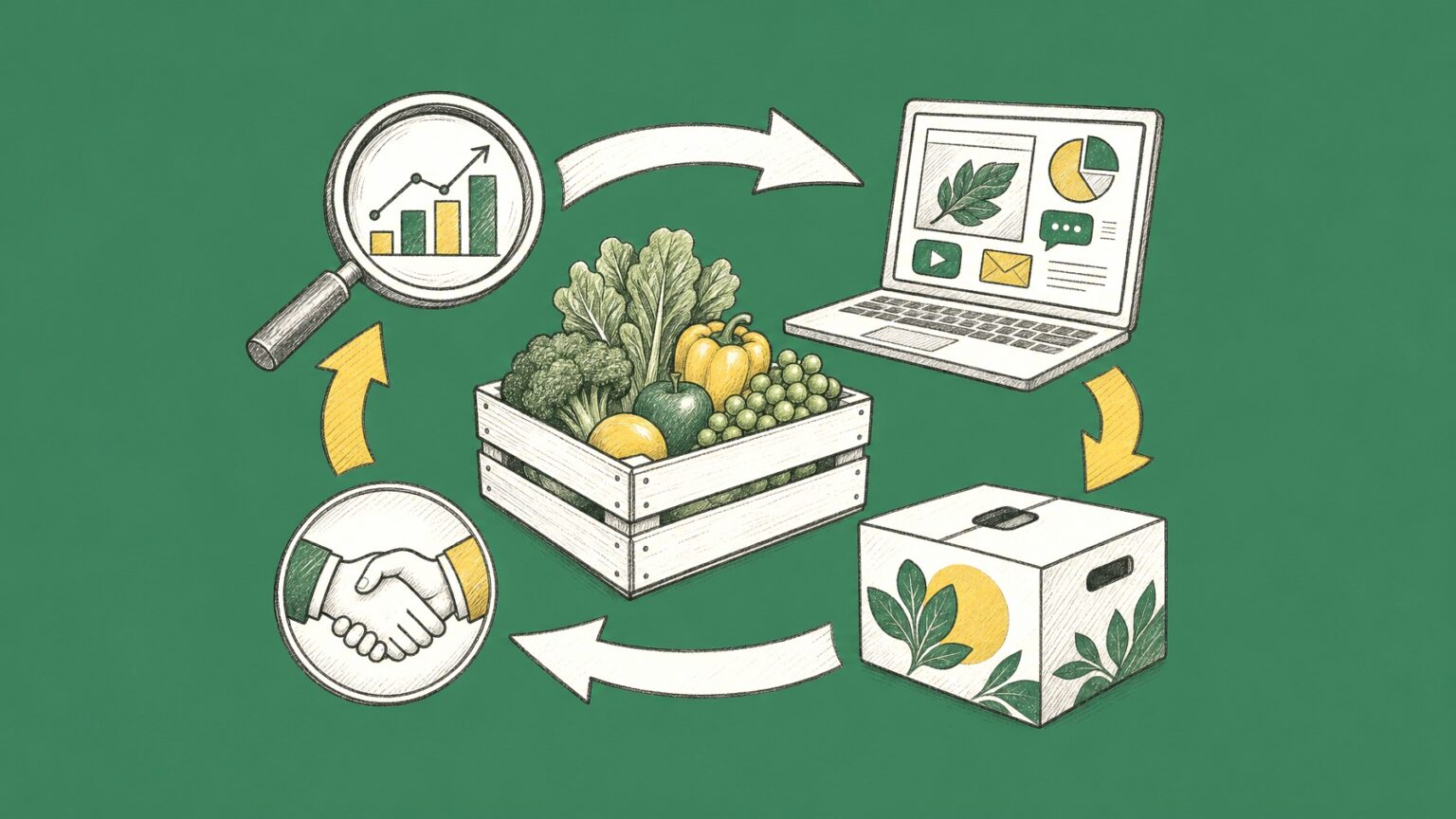
Developing a successful produce marketing plan requires a comprehensive approach that includes market research, brand identity, and digital tools.
By focusing on packaging, partnerships, and customer engagement, produce businesses can enhance their market presence and drive growth.
Regular performance analysis ensures your strategies remain effective and aligned with business goals.