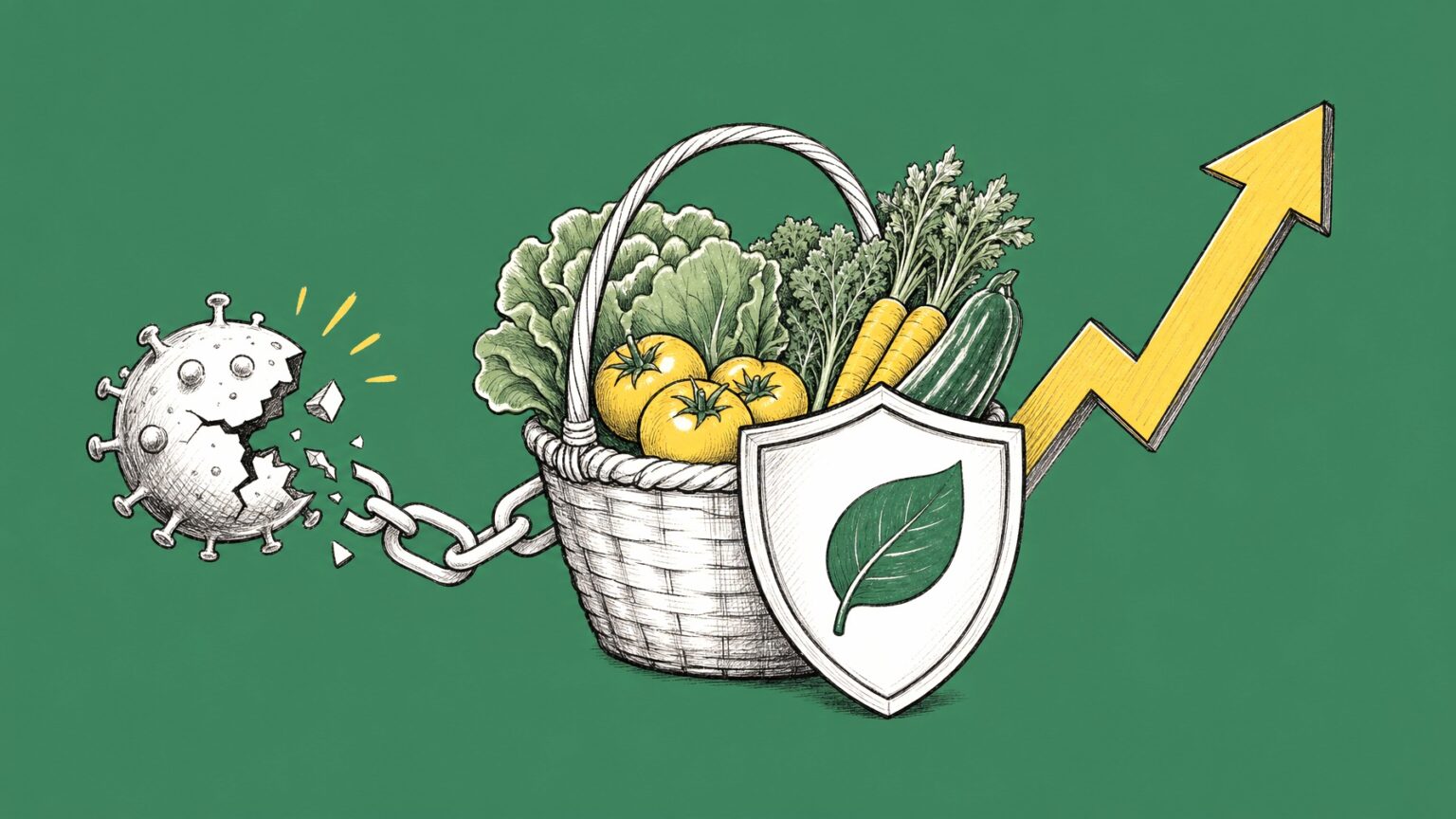
The global trade of fruits and vegetables is facing significant challenges due to ongoing supply chain issues.
According to the latest Fruit Logistica Trend Report, the trade value in this sector has seen a minimal growth rate of just 0.1 percent annually from 2021 to 2025, when adjusted for inflation.
This stagnation is attributed to a mix of geopolitical tensions, extreme weather conditions, and rising operational costs, which are reshaping the landscape for producers, exporters, and retailers alike.
The report, aptly titled “How to weather the storm?”, highlights the need for the industry to adapt to these rapid changes.
As Mike Knowles, Managing Director of Fruitnet Europe, points out, the sector has historically managed various crises, but current challenges are occurring with greater frequency and intensity.
- Global fruit and vegetable trade growth: only 0.1% annually (2021-2025).
- Challenges stem from geopolitical tensions, climate change, and rising costs.
- Companies must prioritize flexibility over efficiency to address disruptions.
- Tariffs can change quickly; agricultural adjustments take years to implement.
- Investing in innovation and resilient partnerships is crucial for competitiveness.
Companies must now focus on flexibility rather than solely on efficiency.
This means being prepared to act swiftly when faced with market disruptions, failed harvests, or sudden transport route closures.
The impact of geopolitical risks and climate change is particularly pronounced.
Tariffs and trade restrictions can be introduced quickly, whereas agricultural adjustments, such as establishing new orchards, take years.
The report suggests that companies should diversify their sales markets and account for geopolitical risks early on to reduce reliance on single trading partners.
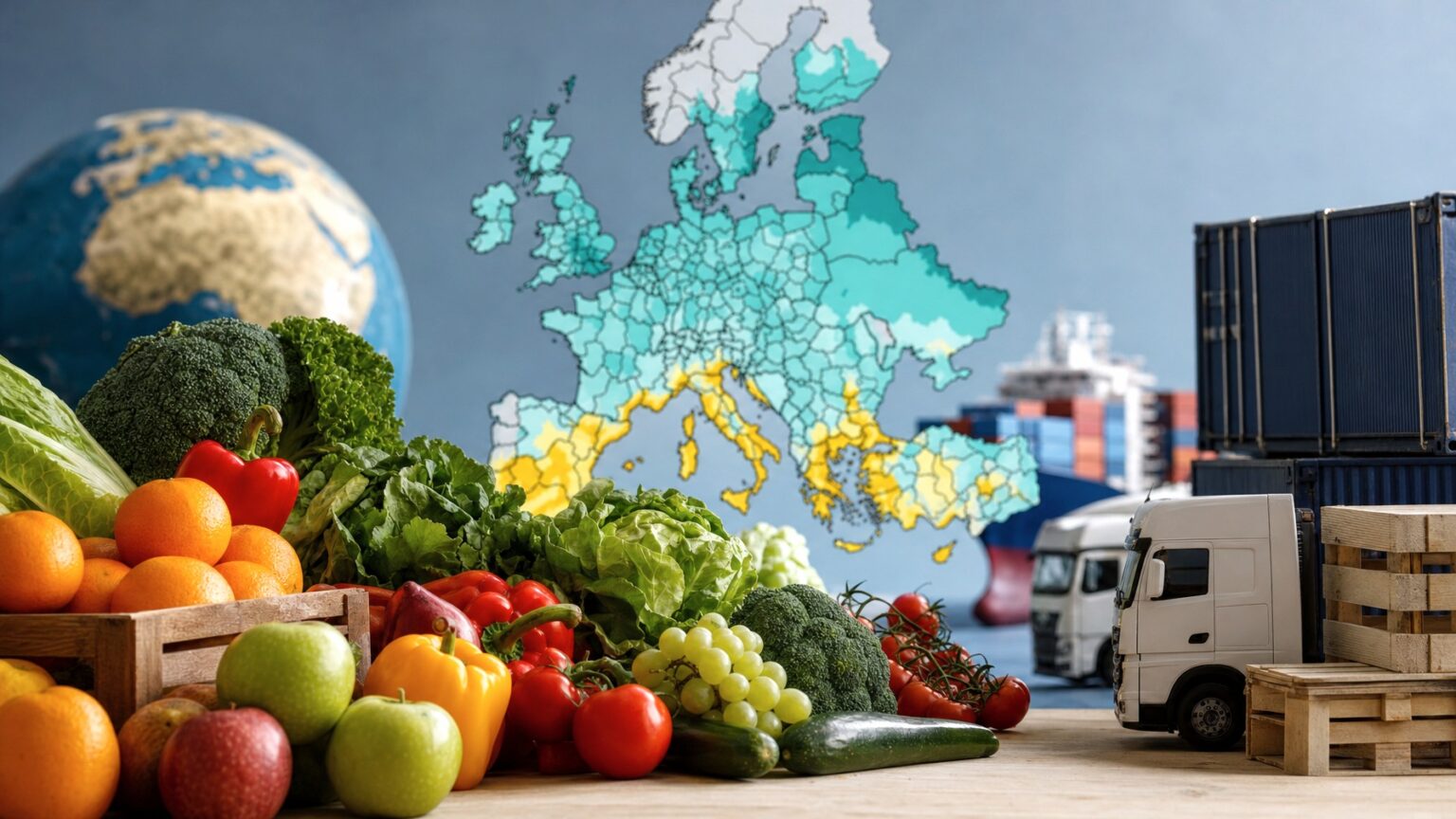
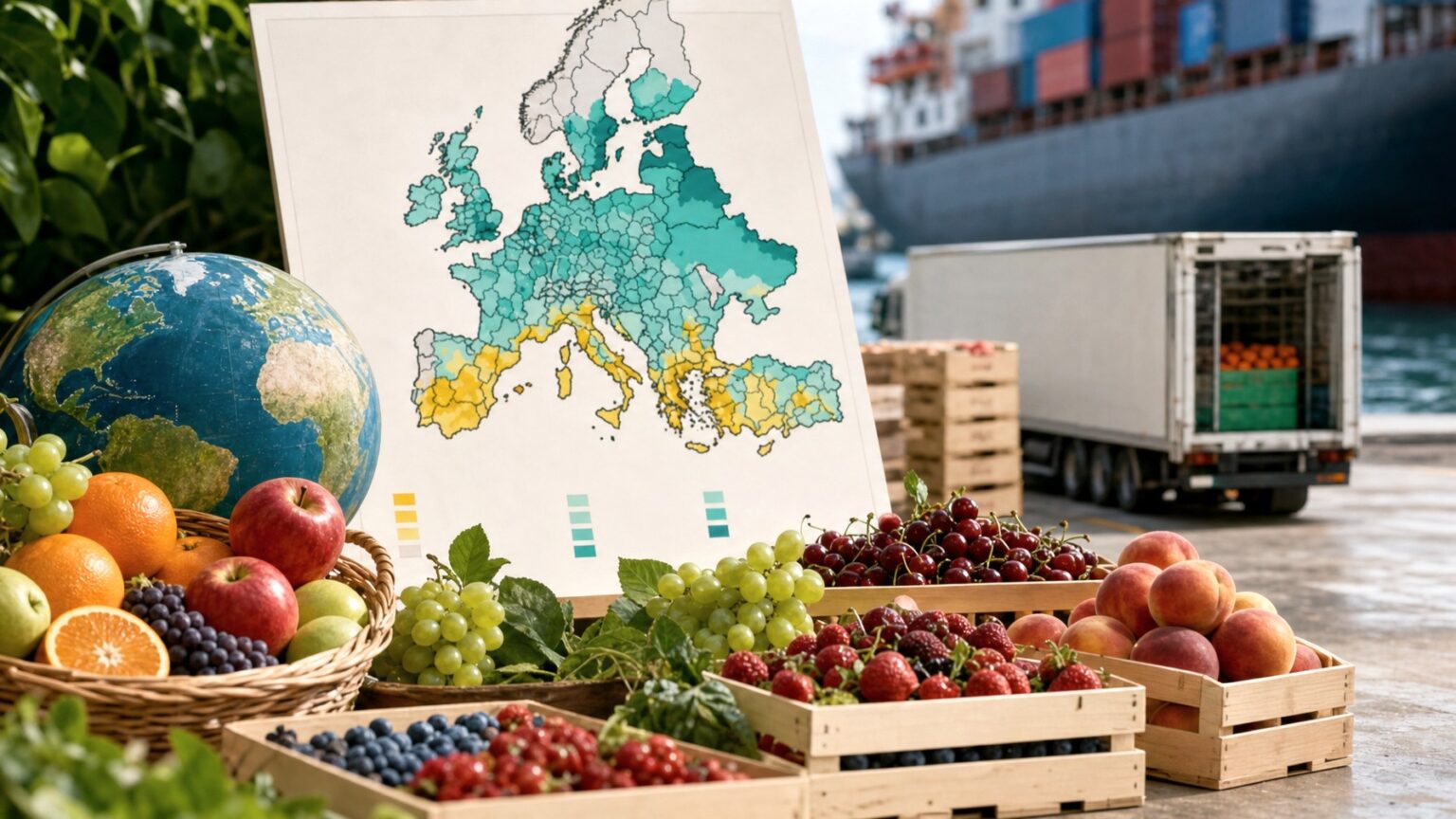
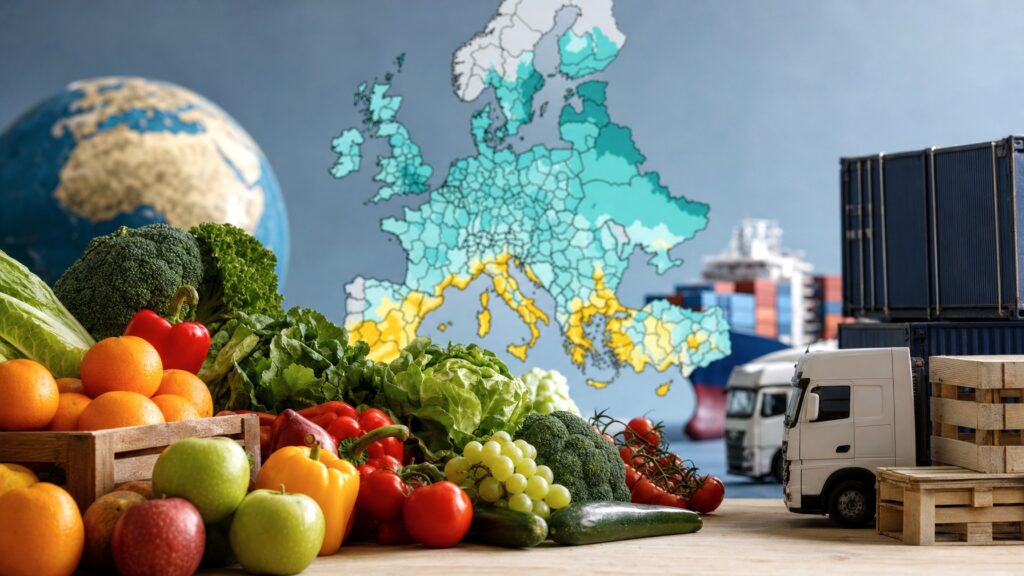
Meanwhile, climate change is altering growth conditions, especially in Europe, where climatic shifts could make cooler regions more viable for certain crops by 2050.
This necessitates investments in climate-resilient varieties and efficient irrigation systems.
Logistics providers are also under pressure as low water levels in crucial transport routes like the Panama Canal and the River Rhine, coupled with rising transport costs, threaten the reliability of global supply chains.
For perishable goods, even brief delays can lead to significant quality loss.
The report emphasizes the importance of identifying alternative routes and strengthening cooperation across the supply chain.
At the end of the day, while the industry cannot prevent every crisis, those that invest in innovation, resilient partnerships, and flexible business models will be better positioned to maintain competitiveness under uncertain conditions.