The fresh produce industry finds itself at a crossroads, grappling with the significant repercussions of a widespread Cyclospora outbreak.
This outbreak is not merely a health scare but a catalyst for profound changes in how the industry operates.
Companies like Taylor Farms and Sysco have taken drastic measures, such as product recalls and distribution halts, highlighting the severity of the situation.
Consumers, shaken by the outbreak, are increasingly prioritizing food safety over cost, demanding transparency and accountability from their produce suppliers.
This shift in consumer behavior is forcing the industry to reevaluate its priorities, putting food safety at the forefront of operations.
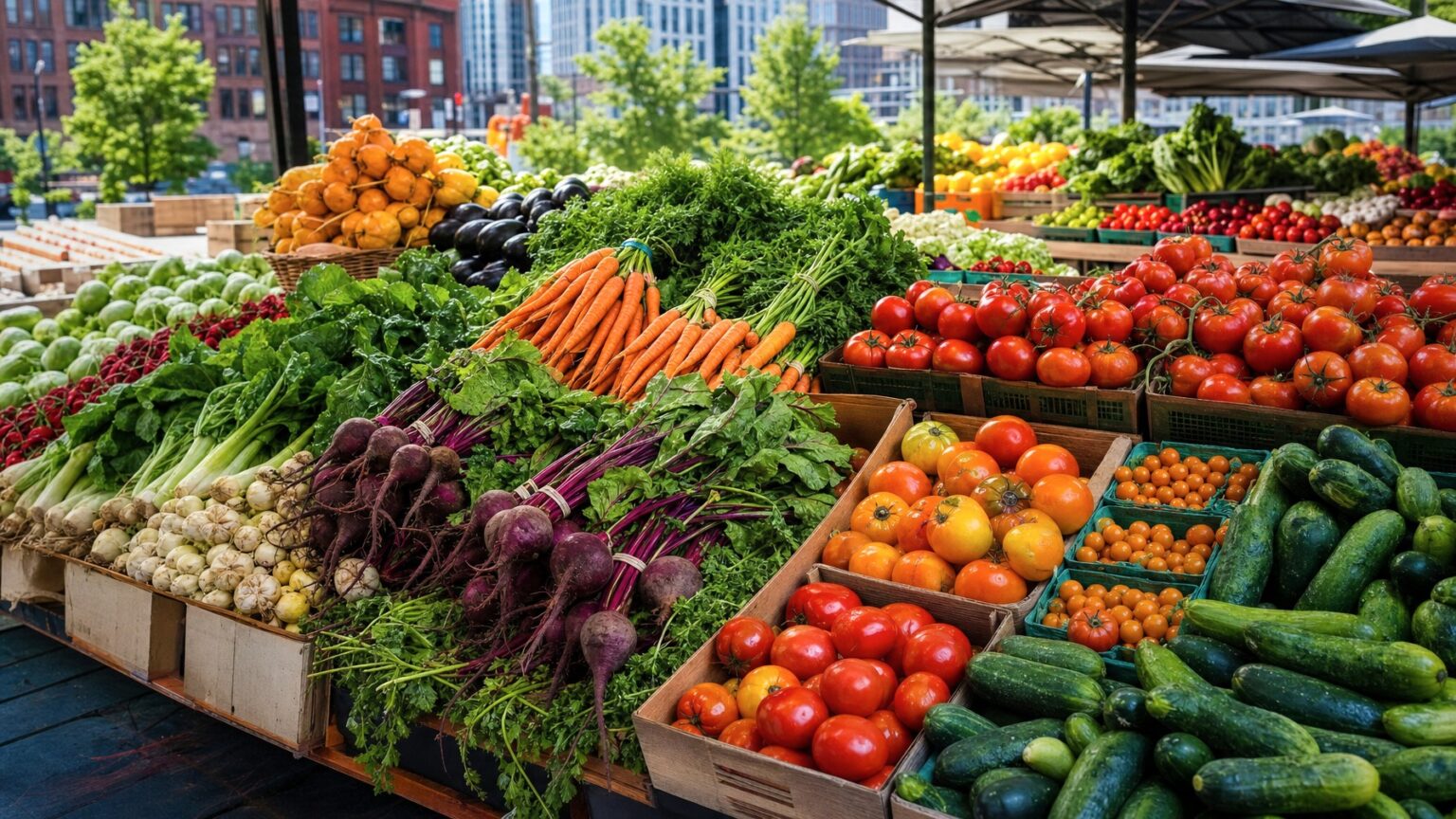
In Kentucky, local farmers are experiencing a surge in demand as consumers seek out safer, locally sourced options.
This trend underscores a growing distrust in large-scale supply chains and a preference for produce perceived as less risky.
As the outbreak continues to unfold, it becomes clear that the fresh produce industry must adapt to regain consumer trust.
This adaptation involves balancing cost efficiency with rigorous food safety measures, a challenge that will redefine the industry’s future.
Consumer Trust Dented by Product Recalls
The recent Cyclospora outbreak has severely dented consumer trust in fresh produce, with companies like Taylor Farms recalling multiple products.
These recalls are not only costly but damaging to brand reputation, creating a ripple effect across the industry.
Taylor Farms, a major player in the fresh produce sector, has been at the forefront of this crisis, recalling products linked to Cyclospora contamination.
This recall highlights the vulnerabilities in the supply chain and raises questions about the efficacy of existing food safety protocols.
The impact of such recalls extends beyond immediate financial losses, affecting long-term consumer trust and brand loyalty.
As consumers become more aware of food safety issues, their purchasing decisions increasingly prioritize safety over price.
In response to these concerns, companies are now investing in more stringent food safety measures to prevent future outbreaks.
These measures include improved tracing technologies and stricter supplier audits, which are essential to rebuilding consumer confidence.
However, these initiatives come at a cost, and companies must balance these investments with maintaining competitive pricing.
The challenge lies in ensuring that these safety measures are not only effective but also sustainable in the long run.
Impact on Supply Chains and Distribution
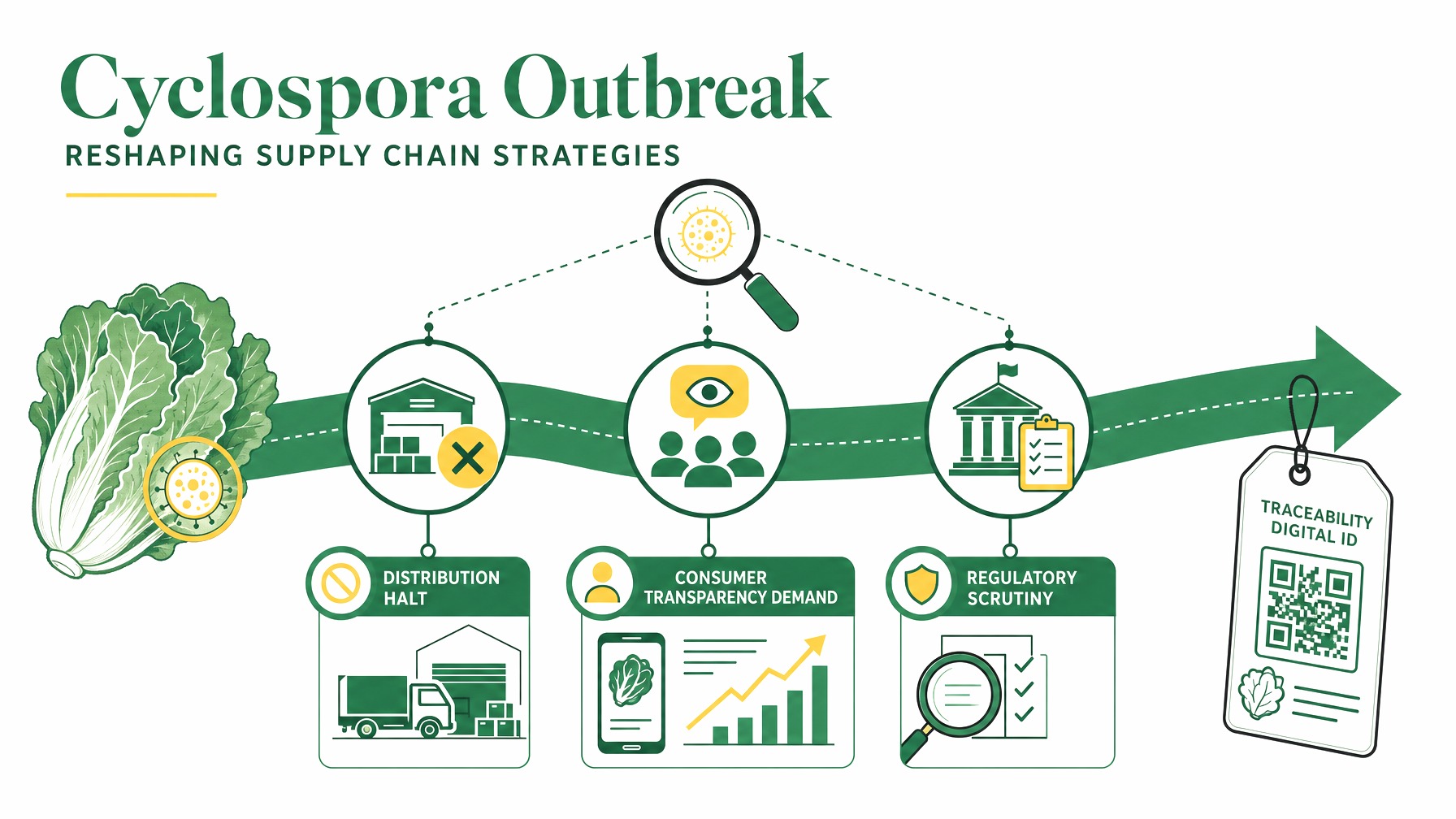
The Cyclospora outbreak has disrupted supply chains, with companies like Sysco halting the distribution of certain produce items, such as Mexican iceberg lettuce.
This decision was made amid ongoing investigations into the outbreak, reflecting the complexities of managing food safety at a large scale.
Supply chain disruptions have a cascading effect, impacting everything from distribution schedules to inventory management.
Companies are now forced to reassess their supply chain strategies, prioritizing food safety and traceability over cost efficiency.
Three main factors are driving these supply chain changes:
- Consumer demand for transparency
- Regulatory pressures for stricter safety measures
- Technological advancements in traceability
Together, these factors are reshaping supply chain dynamics, with an increased focus on local sourcing and shorter supply chains.
Companies are investing in technologies that enable better traceability and faster response to potential outbreaks.
While these changes are necessary, they also present challenges in terms of cost and logistics.
Balancing these factors will be crucial for companies looking to maintain profitability while ensuring food safety.
Local Farmers Benefit from Shift in Consumer Preferences
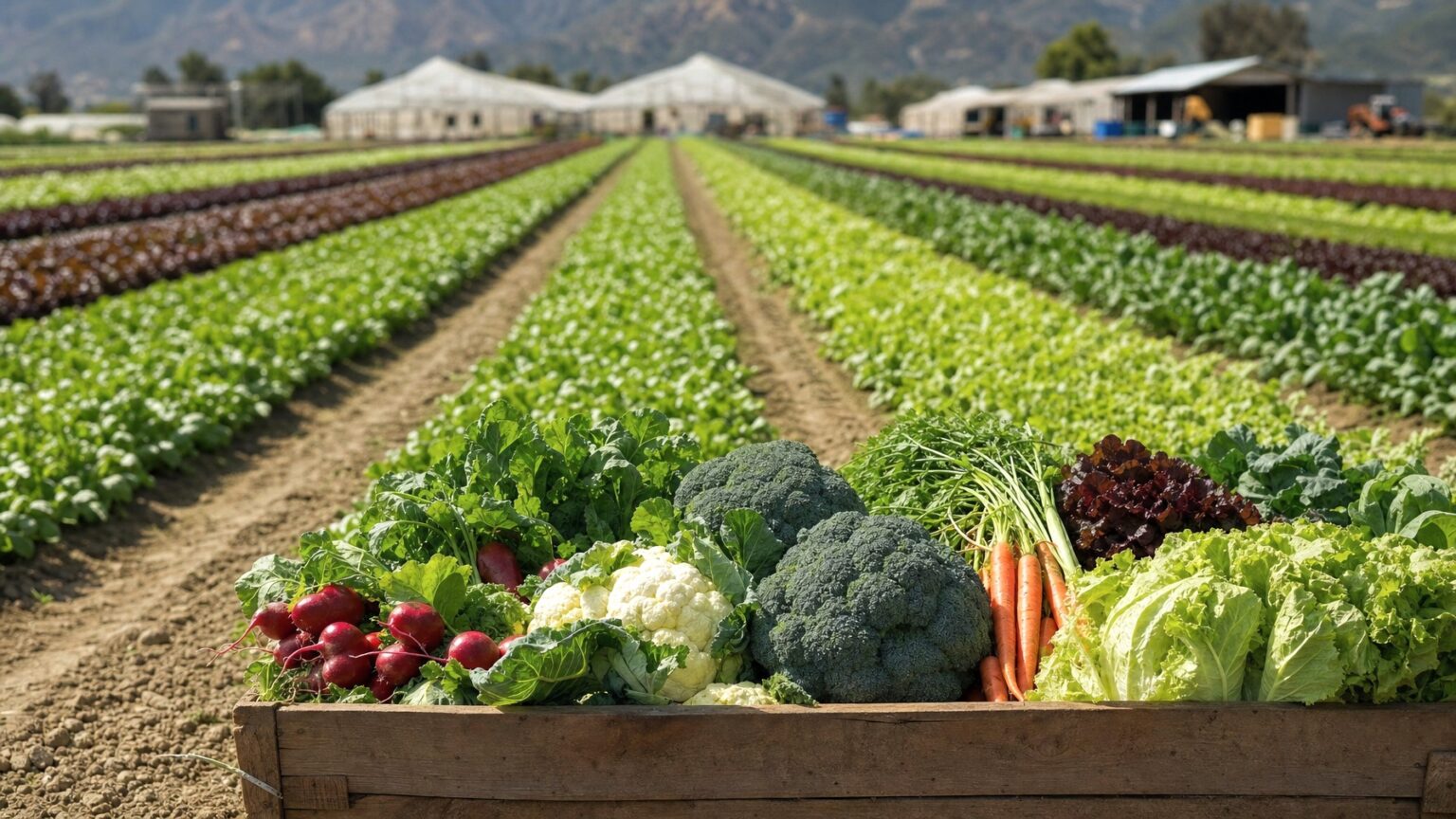
As consumers seek safer produce options, local farmers in places like Kentucky are experiencing increased demand.
This shift represents a significant opportunity for local agriculture, as consumers prioritize food safety over cost efficiency.
Local farmers are perceived as offering safer options due to their smaller scale operations and closer proximity to consumers.
This perception is driving a resurgence in local produce demand, as consumers seek to minimize risk by purchasing directly from local sources.
For local farmers, this trend translates into increased sales and a more stable market presence.
They are finding new opportunities to expand their offerings and reach a wider customer base.
Three main benefits for local farmers include:
- Increased demand for local produce
- Opportunities for direct-to-consumer sales
- Enhanced community support and trust
By capitalizing on these opportunities, local farmers can strengthen their position in the market and contribute to a more resilient food system.
This shift also highlights the importance of supporting local agriculture as a strategy for enhancing food safety and security.
Technological Advancements Drive Safety Improvements
Technological advancements are playing a crucial role in improving food safety across the fresh produce industry.
These technologies are enabling companies to better track and trace produce from farm to table, reducing the risk of contamination.
One of the key technologies being adopted is blockchain, which offers enhanced traceability and transparency in supply chains.
By leveraging blockchain, companies can quickly identify the source of contamination and take swift action to prevent further spread.
Another significant advancement is the use of IoT devices in monitoring environmental conditions during transport and storage.
These devices provide real-time data on temperature and humidity, ensuring optimal conditions for produce safety.
Technological advancements are having a transformative impact on food safety practices, driving improvements in traceability and transparency.
Three key impacts include:
- Enhanced traceability and transparency through blockchain
- Real-time monitoring with IoT devices
- Improved data analytics for risk management
While these technologies offer significant benefits, they also require substantial investment and infrastructure development.
Companies must weigh these costs against the potential benefits in terms of reduced risk and improved consumer trust.
Regulatory Pressures Intensify Focus on Safety
Regulatory pressures are intensifying as authorities seek to enhance food safety standards in response to the Cyclospora outbreak.
These pressures are driving companies to adopt more rigorous safety measures, impacting their operations and cost structures.
Regulators are implementing stricter guidelines and conducting more frequent inspections to ensure compliance with food safety standards.
These measures are necessary to prevent future outbreaks and protect public health.
The increased regulatory scrutiny is prompting companies to invest in compliance and safety initiatives.
These investments include upgrading facilities, enhancing employee training, and implementing advanced safety technologies.
Three regulatory actions impacting the industry include:
- Stricter safety guidelines and inspections
- Increased penalties for non-compliance
- Mandated use of advanced safety technologies
While these actions are essential for safeguarding public health, they also present challenges for companies in terms of cost and operational changes.
Companies must navigate these regulatory pressures while maintaining profitability and competitiveness.
Increasing Role of Consumer Education in Food Safety
As the Cyclospora outbreak underscores vulnerabilities in the produce supply chain, consumer education emerges as a vital component in enhancing food safety.
Educated consumers are more likely to make informed decisions that prioritize safety and support responsible producers.
Organizations and companies are investing in consumer education programs to raise awareness about food safety practices and risks.
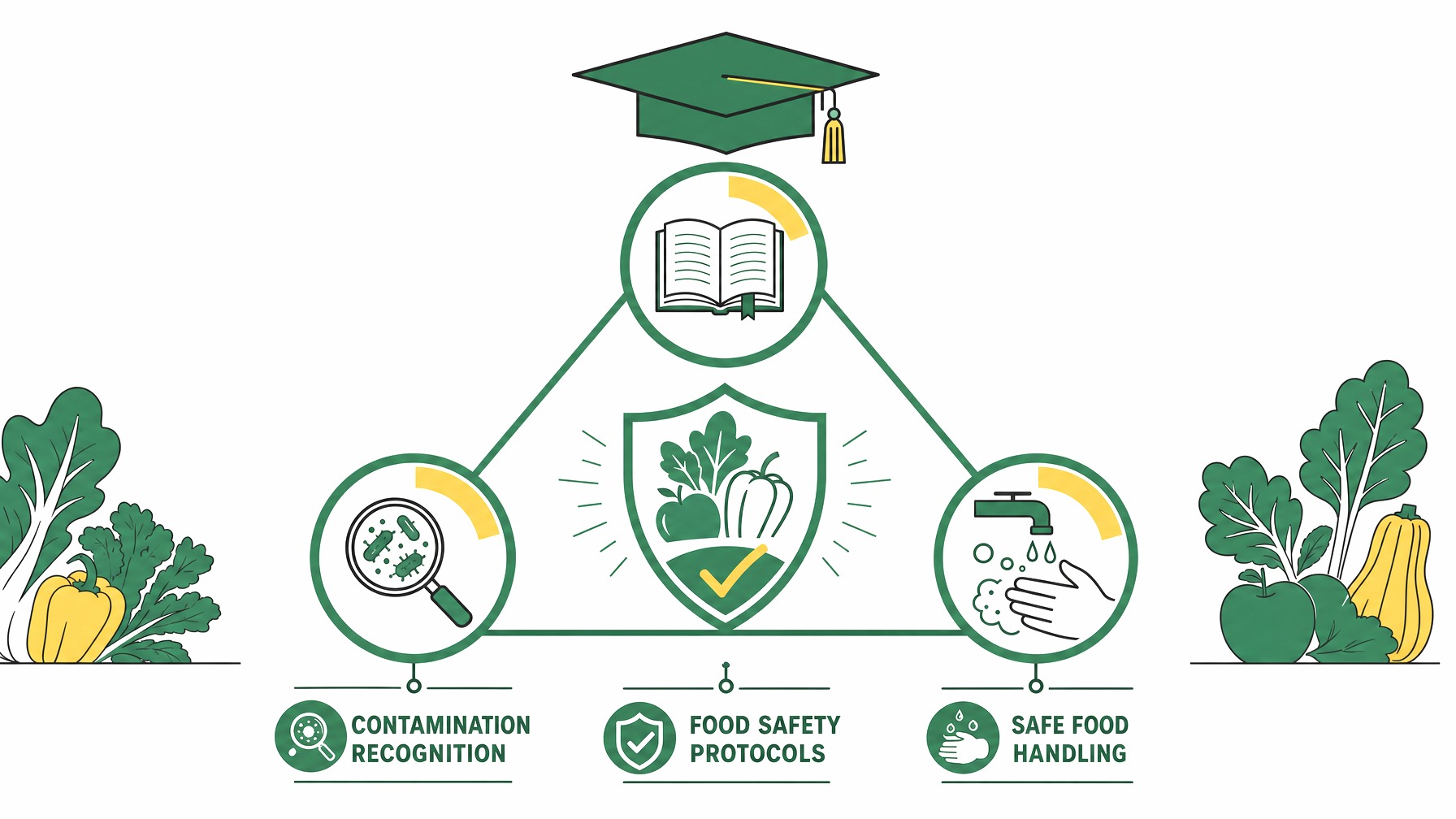
These initiatives aim to empower consumers with knowledge about how to handle produce safely, recognizing the signs of contamination, and understanding product labels.
Educated consumers can drive demand for safer products by making purchasing decisions that reward companies with robust safety records.
This consumer-driven pressure compels companies to maintain high standards and transparency in their operations.
Three key areas of focus in consumer education include:
- Understanding food safety protocols and certifications
- Recognizing symptoms and sources of contamination
- Practicing safe food handling at home
Consumer education not only enhances individual safety but also strengthens the overall food system by creating a more informed consumer base that demands accountability and transparency from the industry.
Food Safety Must Trump Cost Efficiency
The Cyclospora outbreak is a wake-up call for the fresh produce industry, underscoring the critical importance of food safety over cost efficiency.
Companies must prioritize consumer trust by implementing robust safety measures and investing in technologies that enhance traceability and transparency.
While these changes involve significant costs, the long-term benefits in terms of consumer trust and market stability are undeniable.
Companies that fail to adapt to these new priorities risk losing consumer confidence and market share.
Ultimately, the industry must embrace a new paradigm where food safety is not compromised for cost savings.
This shift is essential for rebuilding consumer trust and ensuring the long-term sustainability of the fresh produce industry.
The path forward involves a collaborative effort among all stakeholders, including producers, distributors, regulators, and consumers, to create a safer and more resilient food system.
Only by prioritizing food safety can the industry regain the trust of consumers and thrive in a post-outbreak world.