The fresh produce industry is facing a critical turning point as a recent surge in cyclosporiasis cases, linked to Taylor Farms’ lettuce, underscores a food safety crisis.
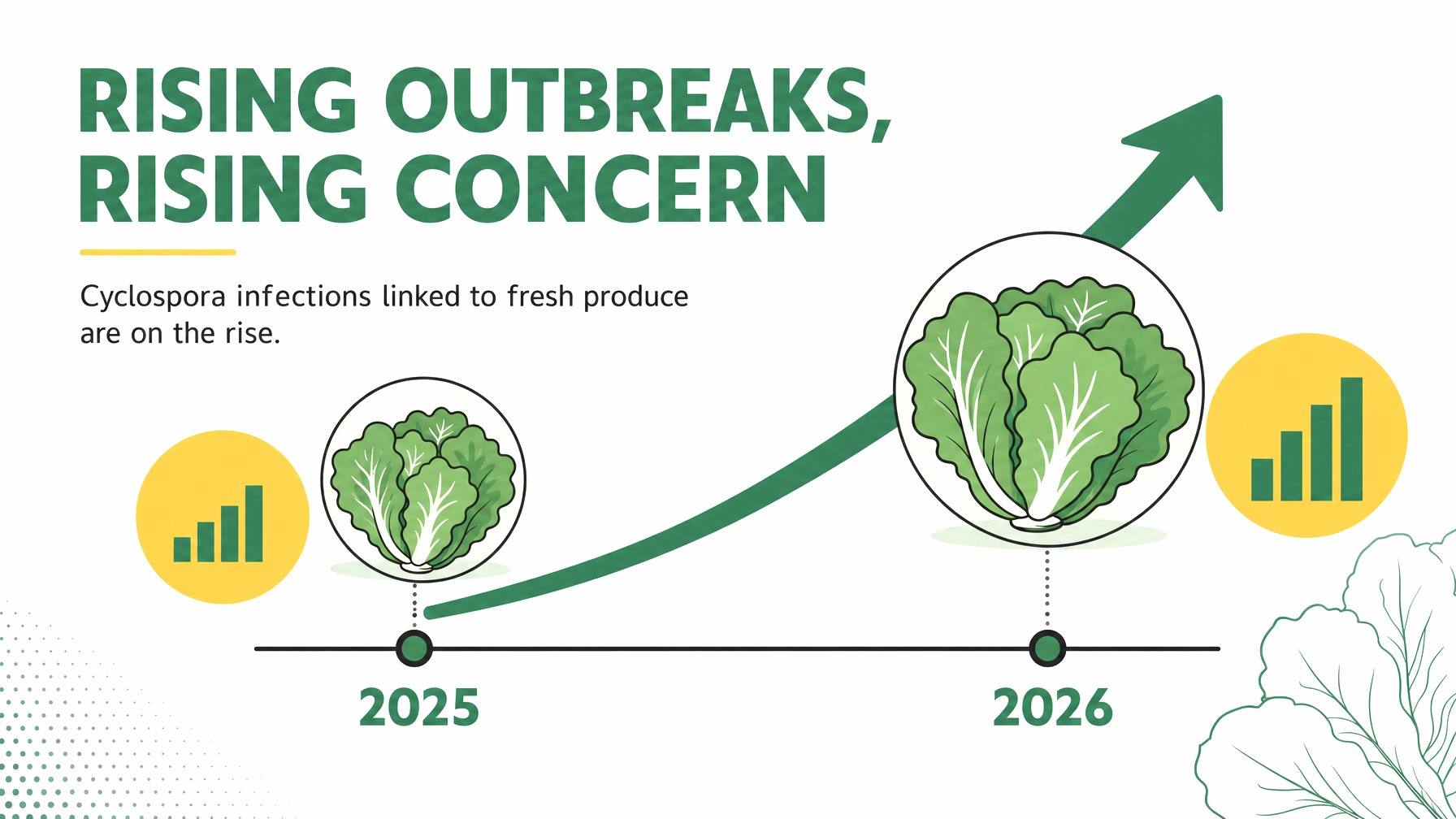
With nearly 7,000 confirmed or probable cases reported in 2026, up from 2,700 in 2025, the outbreak highlights systemic vulnerabilities in current food safety protocols.
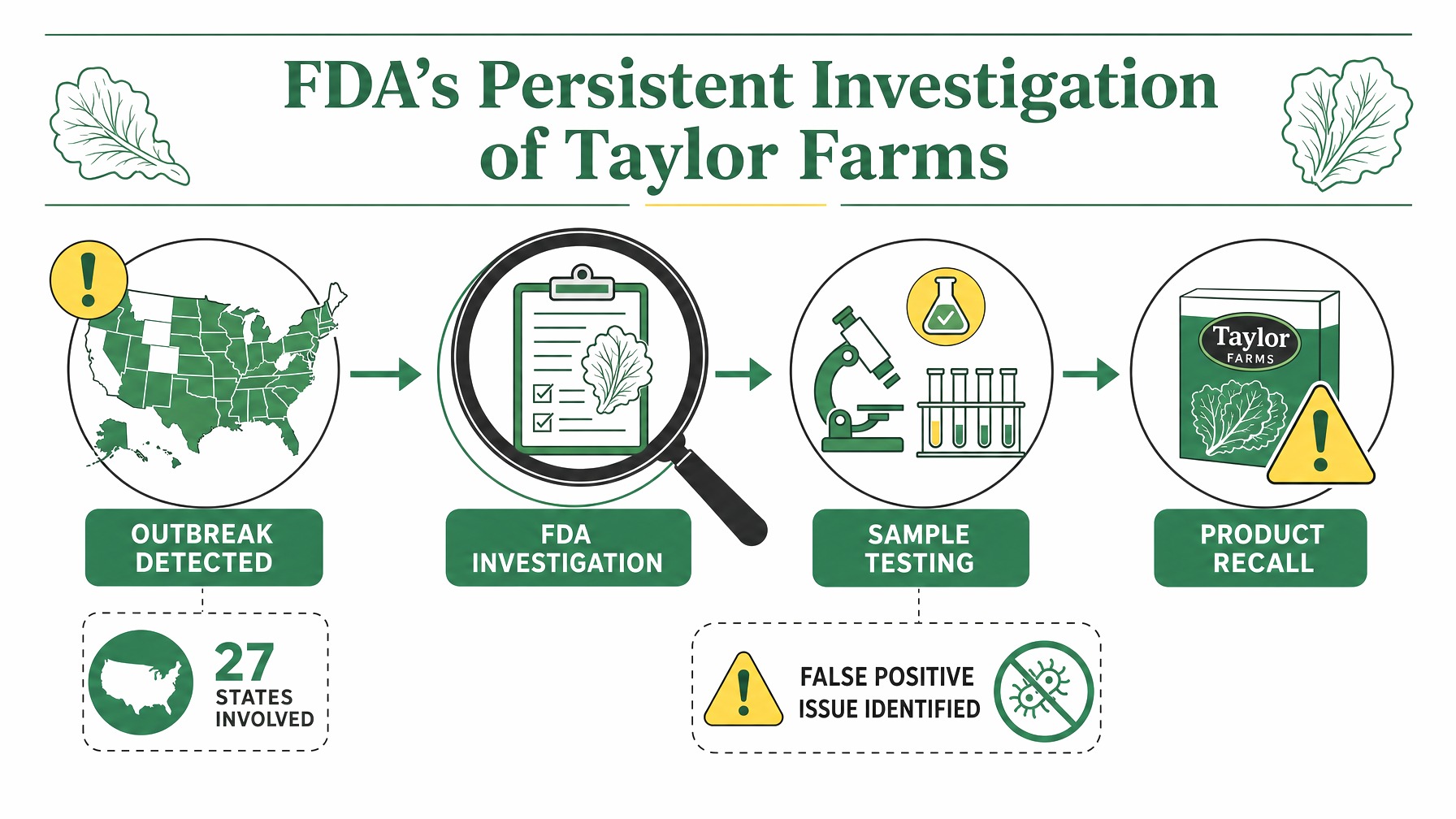
Taylor Farms, a major player in the industry, has recalled lettuce across 27 states, yet the FDA continues to associate their produce with the outbreak despite a false positive result initially casting doubt on this link.
These developments have not only eroded consumer trust but also spotlighted the urgent need for stringent food safety measures to prevent future outbreaks.
As the industry grapples with this crisis, stakeholders must prioritize restoring confidence through robust safety protocols and transparent communication.
Recurring Outbreaks Demand Urgent Action
The frequency of foodborne illness outbreaks in the fresh produce sector has reached alarming levels, necessitating immediate industry-wide reforms.
The current cyclosporiasis outbreak linked to Taylor Farms is just the latest in a series of incidents that have plagued the sector in recent years.
In 2025, the CDC reported 2,700 cases of cyclosporiasis, a figure that has more than doubled in 2026, indicating a troubling upward trend that cannot be ignored.
This rise in cases reflects not only the increasing complexity of supply chains but also the inadequacy of existing safety protocols to address these complexities.
Despite a false positive, the FDA’s insistence on Taylor Farms’ connection to the outbreak reveals flaws in current testing and tracing methods that must be addressed.
To effectively tackle these challenges, the industry must adopt more rigorous testing procedures and enhance traceability from farm to fork.
Three areas require immediate focus:
- Implementing advanced pathogen detection technologies
- Enhancing supply chain transparency
- Strengthening regulatory oversight
Failure to act decisively in these areas will only compound the risks and exacerbate consumer mistrust, potentially leading to further economic damage.
Taylor Farms’ Recall Highlights Systemic Failures
Taylor Farms’ recall of lettuce in 27 states serves as a stark reminder of systemic failures within the industry that have significant implications.
As a top producer and supplier, Taylor Farms’ involvement in the outbreak has far-reaching implications for both the company and the industry at large.
Despite the recall efforts, the FDA maintains its connection to the outbreak, underscoring the complexity of pinpointing contamination sources in a timely and accurate manner.
This situation reflects broader issues in the industry’s food safety practices, including inadequate sanitation and insufficient monitoring that are often revealed only after an outbreak occurs.
The reliance on reactive measures instead of proactive strategies has proven costly, both financially and reputationally, for companies like Taylor Farms.
To mitigate these risks, companies must prioritize a more proactive approach:
- Investing in preventive measures to stop contamination before it starts
- Conducting regular audits to ensure compliance with safety standards
- Training employees on stringent hygiene practices to prevent lapses
Such initiatives not only help prevent outbreaks but also play a crucial role in rebuilding consumer confidence in the safety of produce.
Consumer Trust Eroded by Safety Lapses
The recurring nature of produce-related outbreaks has significantly eroded consumer trust, posing a serious threat to the industry’s sustainability.
The cyclosporiasis outbreak linked to Taylor Farms has intensified fears about the safety of fresh produce among consumers.
Consumers are increasingly skeptical of the industry’s ability to ensure product safety, leading to decreased demand and shifting purchasing behaviors, as evidenced by recent trends.
In North Carolina, for instance, shoppers have turned to locally grown produce as a perceived safer alternative amid the ongoing outbreak, reflecting a broader shift in consumer behavior.
This trend underscores the need for national producers to adopt more transparent and reliable safety measures to regain consumer confidence.
To restore consumer confidence, companies must:
- Communicate transparently about safety measures being implemented
- Engage with consumers through educational initiatives
- Demonstrate accountability and swift action when issues arise
By doing so, the industry can rebuild trust and secure its future viability in an increasingly competitive market.
FDA’s Persistent Link to Taylor Farms Raises Questions
The FDA’s ongoing investigation linking Taylor Farms to the outbreak, despite a false positive, raises critical questions about current food safety protocols and their efficacy.
This situation highlights the challenges in accurately tracing contamination sources across complex supply chains that span multiple regions and involve numerous stakeholders.
While the FDA remains steadfast in its investigation, the lingering association with Taylor Farms reflects a need for more precise and reliable testing methods in the industry.
Such discrepancies not only confuse consumers but also undermine confidence in regulatory agencies tasked with ensuring food safety.
To resolve these issues, the industry and regulators must collaborate to develop:
- Enhanced testing accuracy to reduce false positives and negatives
- Improved tracing technologies to rapidly identify contamination sources
- Clear and consistent communication strategies to keep the public informed
These measures are essential to prevent future outbreaks and restore public trust in the safety of fresh produce, which is crucial for the industry’s longevity.
Technological Innovations as a Catalyst for Change
As the fresh produce industry grapples with recurring outbreaks, technological innovations offer a promising path forward to enhance food safety.
Advanced pathogen detection technologies, such as next-generation sequencing, can identify contaminants more quickly and accurately than traditional methods.
This allows for faster response times and reduces the likelihood of widespread outbreaks by catching issues early.
Blockchain technology, with its ability to provide a transparent and immutable record of each step in the supply chain, offers a solution to traceability challenges that have plagued the industry.
By leveraging these technologies, companies can not only improve safety but also increase operational efficiency, ultimately reducing costs associated with recalls and safety breaches.
For the industry to fully benefit from these advancements, it must:
- Invest in research and development to tailor technologies to specific needs
- Adopt industry-wide standards for technology use and data sharing
- Collaborate with tech companies to integrate solutions seamlessly into existing operations
Embracing technology will not only mitigate current challenges but also position the industry as a leader in food safety innovation.
Global Competition Intensifies the Pressure
The global produce market is fiercely competitive, and recent safety lapses have placed U.S. producers at a disadvantage compared to international counterparts.
Countries with stricter food safety regulations and more advanced technologies are gaining market share, as consumers opt for imports perceived as safer options.
This shift presents a significant threat to domestic producers who fail to address the underlying safety issues that have led to repeated outbreaks.
For U.S. companies to remain competitive, they must not only meet but exceed global safety standards, demonstrating a commitment to excellence in food safety.
Several strategies can help domestic producers regain their competitive edge:
- Benchmarking against countries with exemplary safety records
- Participating in international safety certifications
- Investing in cross-border collaborations to learn best practices
By emphasizing safety and innovation, U.S. producers can rebuild their reputation and regain consumer trust on a global scale.
Industry Must Act Decisively to Restore Trust
The fresh produce industry’s path forward is clear: it must act decisively to restore consumer trust by prioritizing stringent food safety measures.
The recent cyclosporiasis outbreak has exposed deep-seated vulnerabilities in current practices that demand immediate attention and action.
By embracing proactive safety protocols and transparent communication, the industry can avert future crises and secure its place in the market as a trusted source of safe produce.
Consumer confidence is a fragile commodity, and without decisive action, the industry risks further erosion of trust and market share, which could be devastating.
Now is the time for industry leaders to commit to a culture of safety and accountability to ensure a sustainable future and to protect the health of consumers and the reputation of the industry.