
The hidden costs of produce supply chain disruptions are a significant concern for the agricultural industry, affecting both producers and consumers alike.
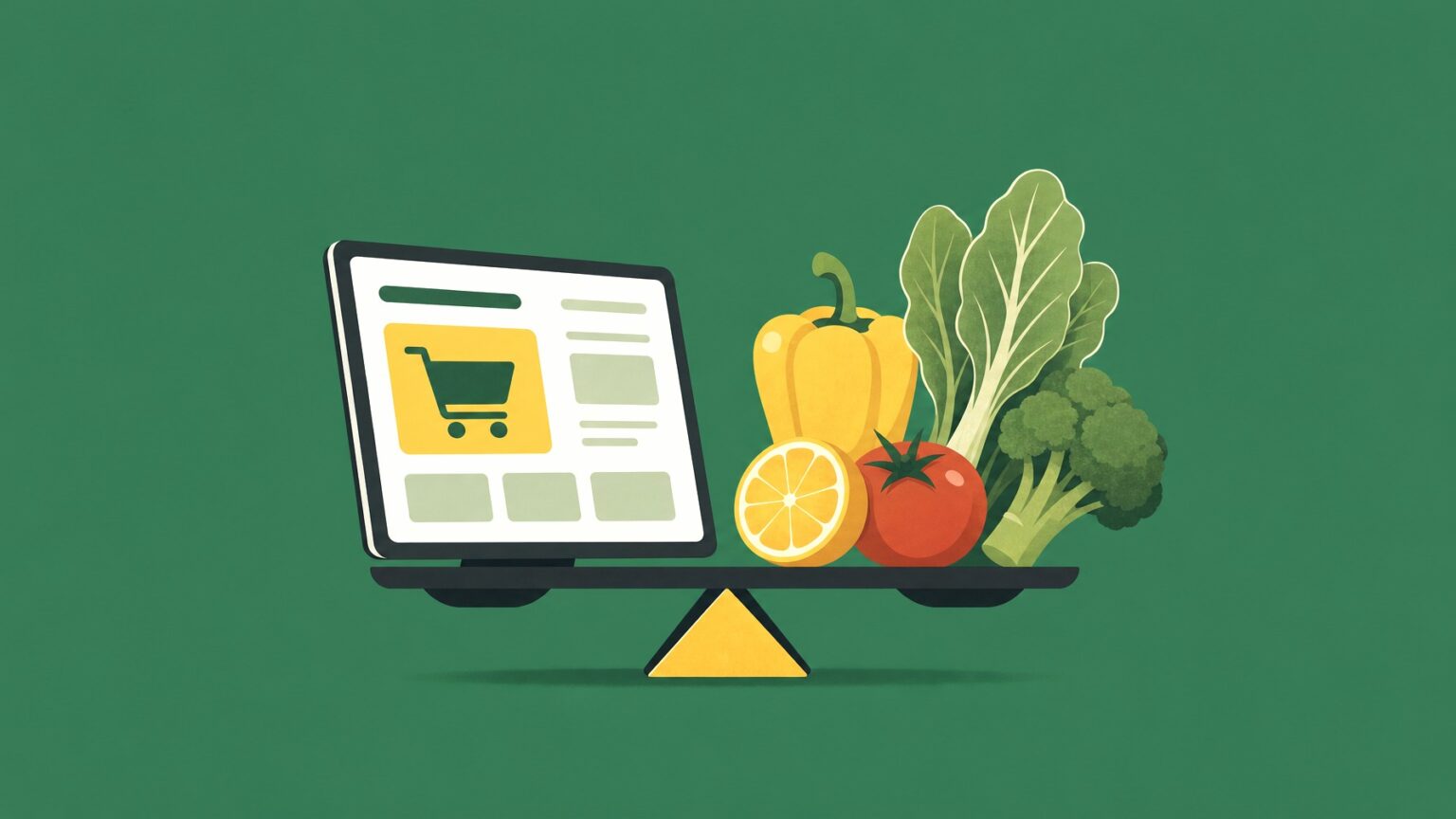
When the supply chain is disrupted, it can lead to increased costs for transportation and storage, which ultimately affects the price of produce on the shelves.
These disruptions can also cause delays in getting fresh produce to market, potentially leading to spoilage and waste, which further exacerbates the issue.
Supply chain disruptions can be caused by a variety of factors, including weather events, labor shortages, and logistical challenges.
Each of these factors can contribute to a domino effect that impacts the entire supply chain, from the farms where produce is grown to the markets where it is sold.
- Supply chain disruptions increase transportation and storage costs.
- Delays lead to spoilage and waste of fresh produce.
- Causes include weather, labor shortages, and logistical challenges.
- Food insecurity arises from produce scarcity and high prices.
- Investing in technology and partnerships mitigates disruption impacts.
The complexity of these disruptions means that even small issues can have large ripple effects throughout the industry, affecting the availability and affordability of fresh produce for consumers.
One of the most significant impacts of supply chain disruptions is the potential for food insecurity.
When fresh produce becomes scarce or too expensive, it can limit access for those who rely on it for a substantial portion of their diet.
This is particularly concerning in regions where nutritional needs are already not being met.
The industry must work collaboratively to develop resilient supply chains that can withstand disruptions and ensure a steady supply of fresh produce to all consumers.
Addressing these challenges requires innovative solutions and a commitment to improving supply chain efficiency.
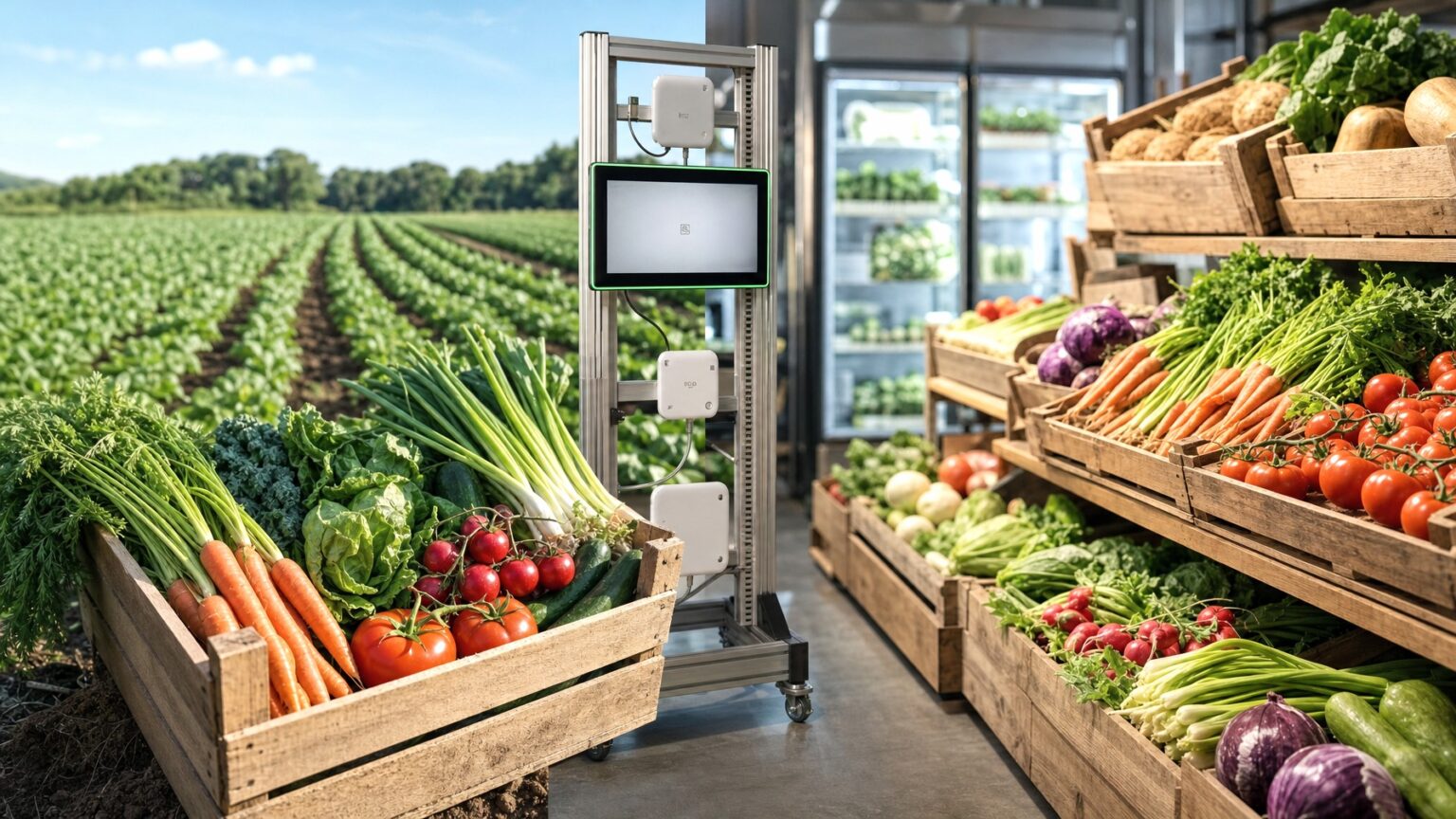
By investing in technology and infrastructure, the industry can better anticipate and respond to potential disruptions.
Additionally, fostering strong partnerships across the supply chain can help to share information and resources, reducing the impact of any single disruption.
As the industry continues to face these challenges, the focus must remain on ensuring that fresh produce remains accessible and affordable for all.