Food security in urban areas is becoming an increasingly pressing issue as city populations grow and resources become strained.
The fresh produce industry plays a crucial role in ensuring that urban dwellers have consistent access to nutritious fruits and vegetables.
By implementing innovative strategies, industry professionals can enhance food security in these densely populated areas.
This article highlights eight cutting-edge approaches that can be adopted by produce executives, growers, shippers, retailers, and marketers.
These strategies not only bolster food security but also contribute to sustainable urban food systems.
From urban farming to advanced logistics, these approaches address the unique challenges faced by the fresh produce industry in metropolitan regions.
The goal is to provide practical solutions that can be tailored to specific urban environments.
1. Embrace Urban Farming Initiatives
Urban farming has emerged as a vital tool for enhancing food security in cities.
These initiatives utilize underused spaces such as rooftops and vacant lots to grow fresh produce locally.
By reducing the distance food travels, urban farms can decrease transportation costs and minimize carbon footprints.
This localized approach ensures that fresh produce is available quickly and efficiently to urban consumers.
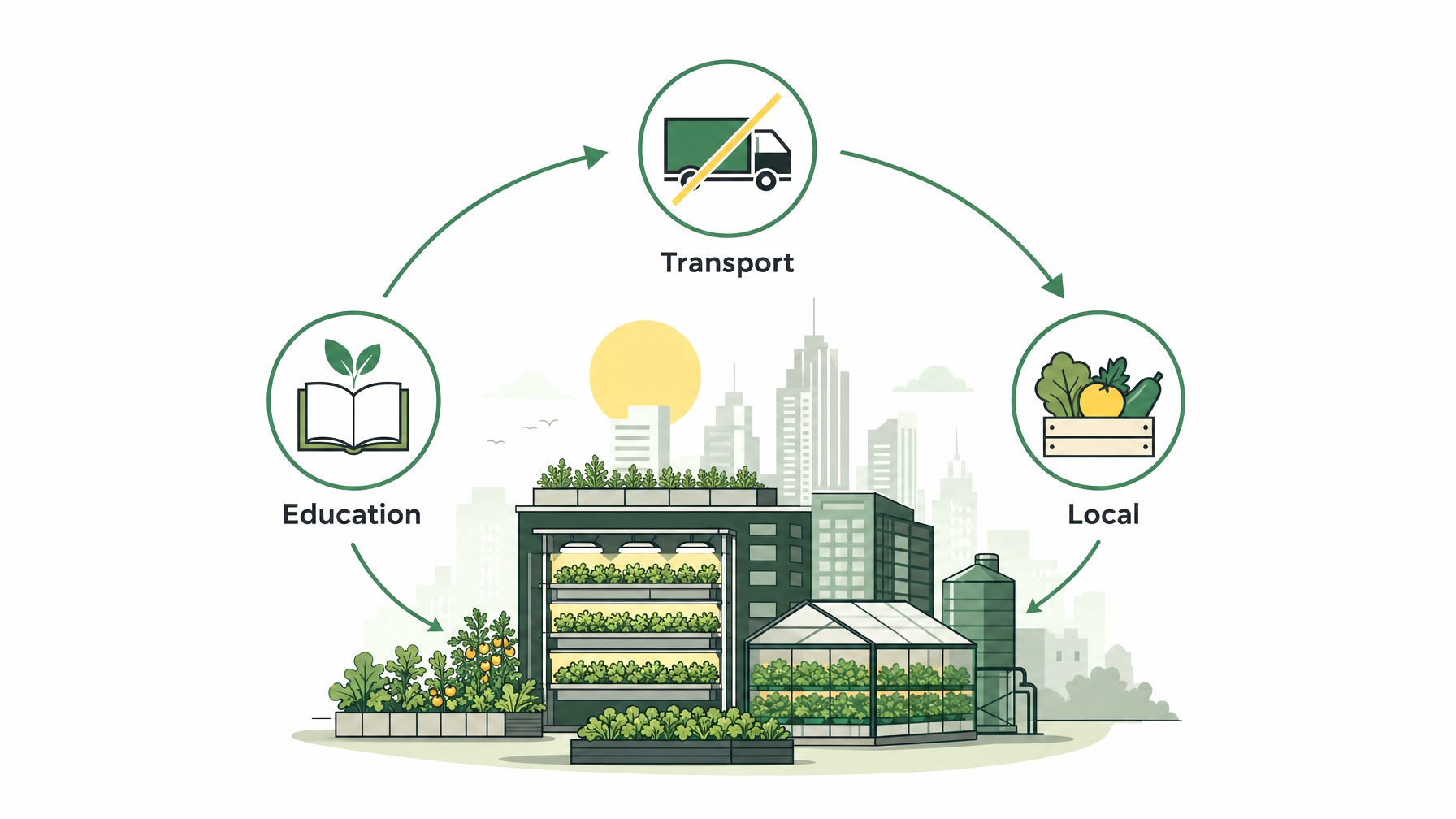
Urban farming also offers educational opportunities, allowing city dwellers to learn about food production and sustainability practices.
This educational component fosters a greater appreciation for fresh produce and encourages healthier eating habits.
Key benefits of urban farming include:
- Reduced transportation costs
- Increased local food production
- Educational opportunities for urban communities
2. Develop Advanced Cold Chain Solutions
Maintaining the freshness of produce is critical to ensuring food security.
Advanced cold chain solutions can help extend the shelf life of fruits and vegetables, ensuring they remain fresh as they make their way to urban markets.
Innovations in cold chain technology, such as temperature-controlled containers and real-time monitoring systems, allow for greater efficiency and reduced spoilage.
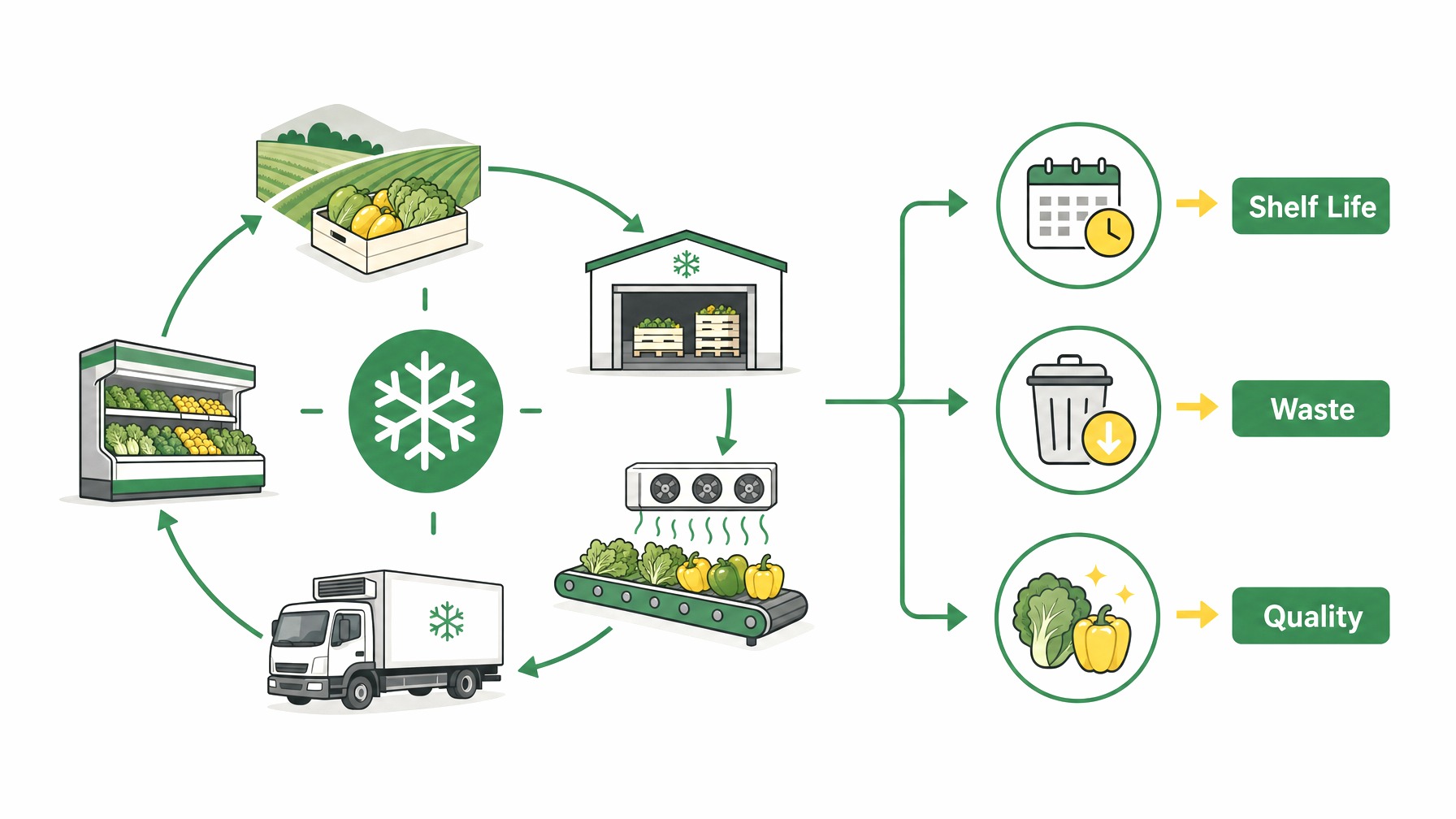
These technologies are essential for maintaining quality and safety standards.
Implementing cutting-edge cold chain solutions can result in:
- Extended shelf life for fresh produce
- Reduced spoilage and waste
- Improved quality control throughout the supply chain
3. Utilize Vertical Farming Techniques
Vertical farming offers a sustainable solution to grow produce in urban areas with limited space.
By optimizing vertical space, these farms can produce higher yields within small footprints.
With technologies like hydroponics and aquaponics, vertical farms can efficiently use water and nutrients, making them environmentally friendly.
These systems are often set up indoors, allowing for year-round production regardless of weather conditions.
Vertical farming provides numerous advantages, including:
- Maximized use of limited urban space
- Year-round production capabilities
- Environmentally sustainable practices
4. Implement Community-Supported Agriculture (CSA) Programs
Community-Supported Agriculture (CSA) programs connect urban consumers directly with local growers, providing a direct supply of fresh produce.
This model fosters a sense of community and creates a reliable market for small to medium-sized farms.
By participating in CSA programs, consumers gain access to seasonal produce, while growers benefit from a committed customer base.
This relationship strengthens local food systems and enhances food security.
Benefits of CSA programs include:
- Strengthened local food systems
- Increased consumer access to fresh produce
- Enhanced economic support for local farmers
5. Leverage Data Analytics for Supply Chain Optimization
Data analytics can play a pivotal role in optimizing the fresh produce supply chain.
By analyzing trends and consumer preferences, produce professionals can make informed decisions to enhance efficiency and reduce waste.
Advanced data analytics tools help predict demand, manage inventory, and streamline distribution processes.
These technologies ensure that the right products are delivered to the right locations at the right time.
Key outcomes of data-driven supply chain optimization include:
- Improved inventory management
- Reduced waste through accurate forecasting
- Enhanced customer satisfaction
6. Foster Public-Private Partnerships
Public-private partnerships (PPPs) can drive significant advancements in urban food security.
By collaborating with government agencies, nonprofits, and private entities, the produce industry can develop comprehensive strategies to address food insecurity.
These partnerships often lead to innovative solutions and shared resources, allowing for greater impact than individual efforts.
PPPs can support infrastructure development, educational programs, and policy initiatives.
Advantages of fostering PPPs include:
- Shared resources and expertise
- Comprehensive strategies for food security
- Enhanced community engagement and support
7. Enhance Food Distribution Networks
Efficient food distribution networks are vital for ensuring that fresh produce reaches urban consumers promptly.
By optimizing logistics and transportation routes, the industry can minimize delays and reduce costs.
Technology integration, such as GPS tracking and automated routing systems, can streamline distribution processes.
These improvements ensure timely deliveries while reducing the environmental impact of transportation.
Enhanced distribution networks result in:
- Faster delivery times
- Reduced transportation costs
- Lower environmental impact
8. Promote Policy Changes for Urban Agriculture
Advocating for policy changes that support urban agriculture can significantly enhance food security in cities.
By working with policymakers, the produce industry can help create a regulatory environment that encourages local food production.
Policies that provide incentives for urban farming, streamline zoning regulations, and support food access programs can create a more resilient urban food system.
These changes can empower communities to take an active role in their food security.
Key policy changes to consider include:
- Incentives for urban agriculture initiatives
- Streamlined zoning regulations
- Support for food access and nutrition programs
The Bottom Line
Enhancing food security in urban areas requires a multifaceted approach that involves innovation, collaboration, and strategic planning.
By adopting these eight strategies, the fresh produce industry can play a pivotal role in creating sustainable urban food systems.
These approaches not only address immediate food security challenges but also lay the groundwork for long-term resilience in urban environments.
The commitment to innovation and collaboration will be key to ensuring that all urban residents have access to fresh, nutritious produce.