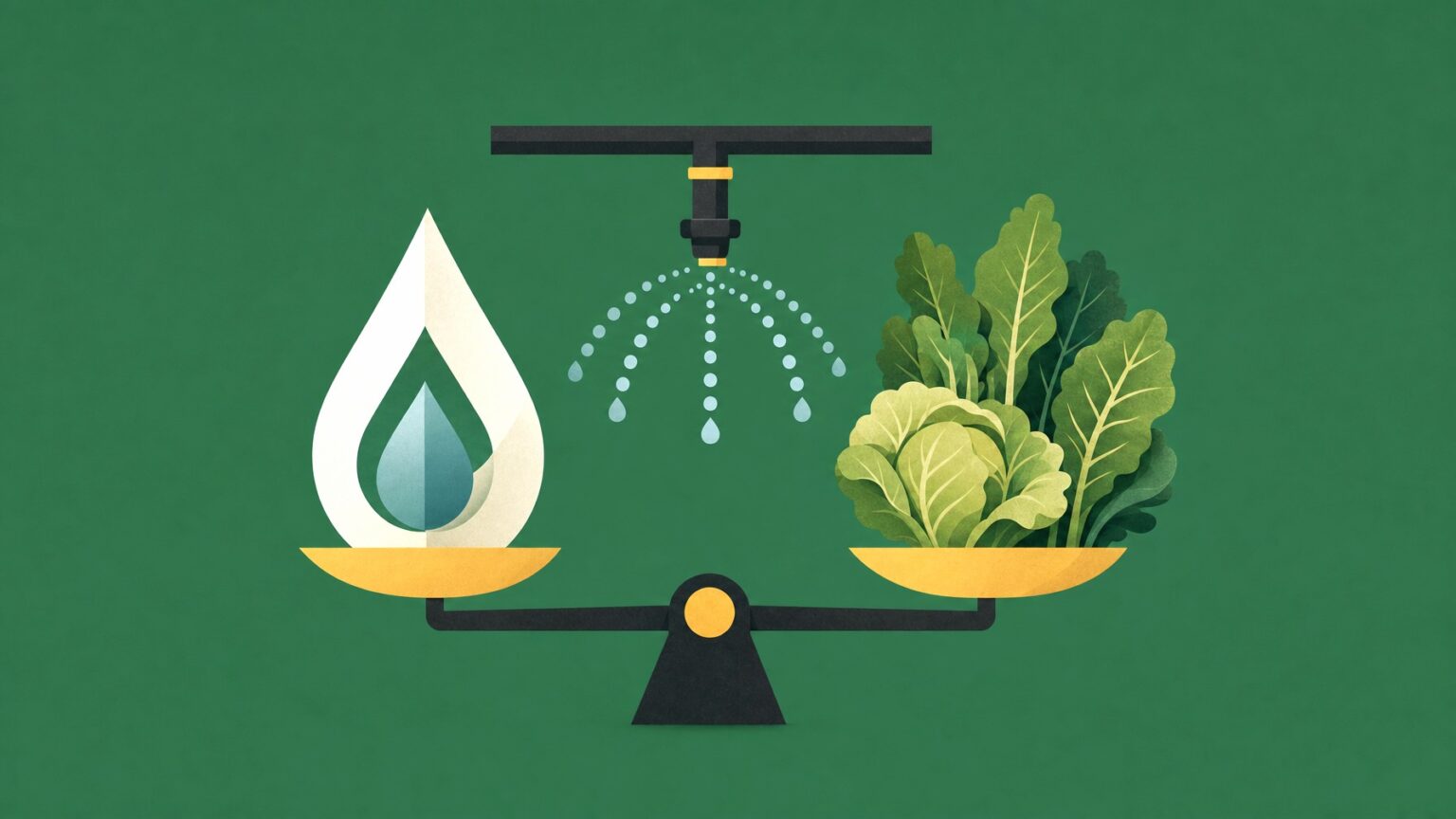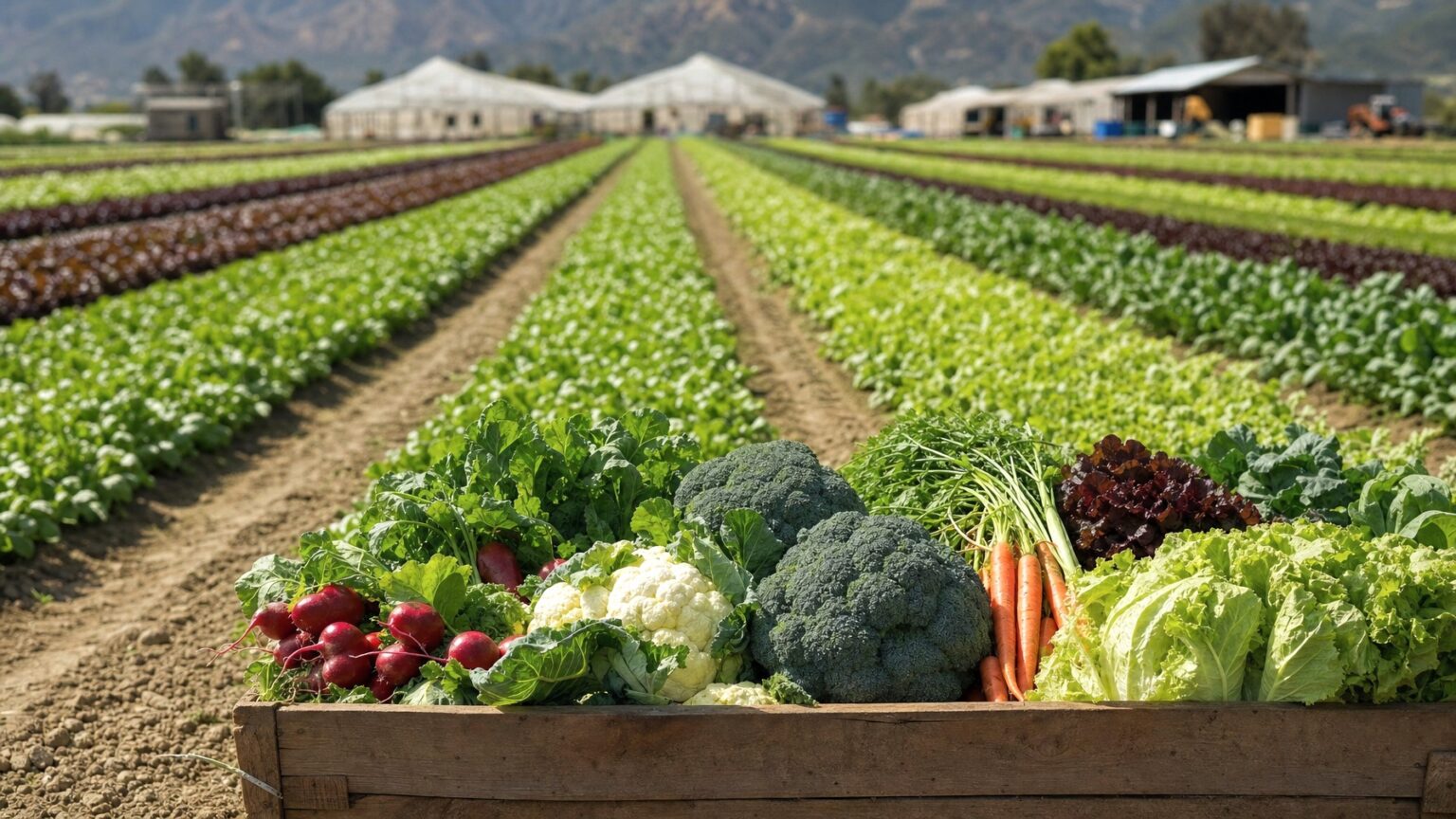
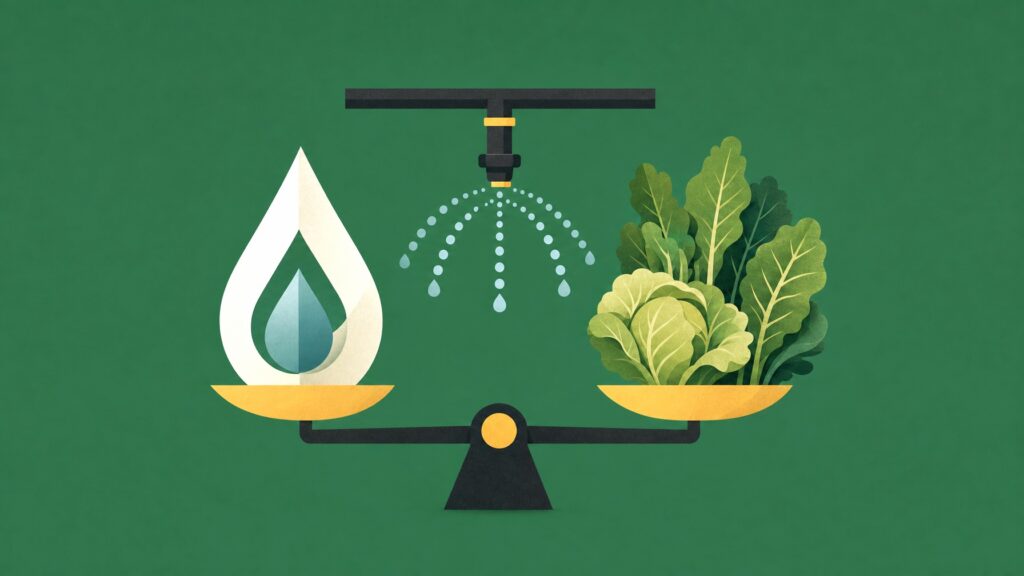
Water conservation is a critical concern for the fresh produce industry.
With increasing pressures on natural resources, reducing water waste has become more important than ever.
Innovative techniques are emerging that not only conserve water but also enhance crop yields and sustainability.
Growers, shippers, and retailers are all seeking new ways to optimize water use.
From advanced irrigation systems to data-driven solutions, the industry is witnessing a wave of innovation.
These approaches are designed to meet the dual goals of environmental responsibility and economic viability.
This article explores seven innovative techniques that are reshaping water management in agriculture.
By adopting these methods, the fresh produce industry can lead the way in sustainable water use.
1. Precision Irrigation Systems
Precision irrigation systems are revolutionizing water use in agriculture.
These systems deliver water directly to the plant roots, minimizing evaporation and runoff.
By using sensors and automation, precision irrigation ensures that water is applied only where and when it is needed.
- Reduces water waste by up to 30%
- Improves crop yield and quality
- Decreases energy and labor costs
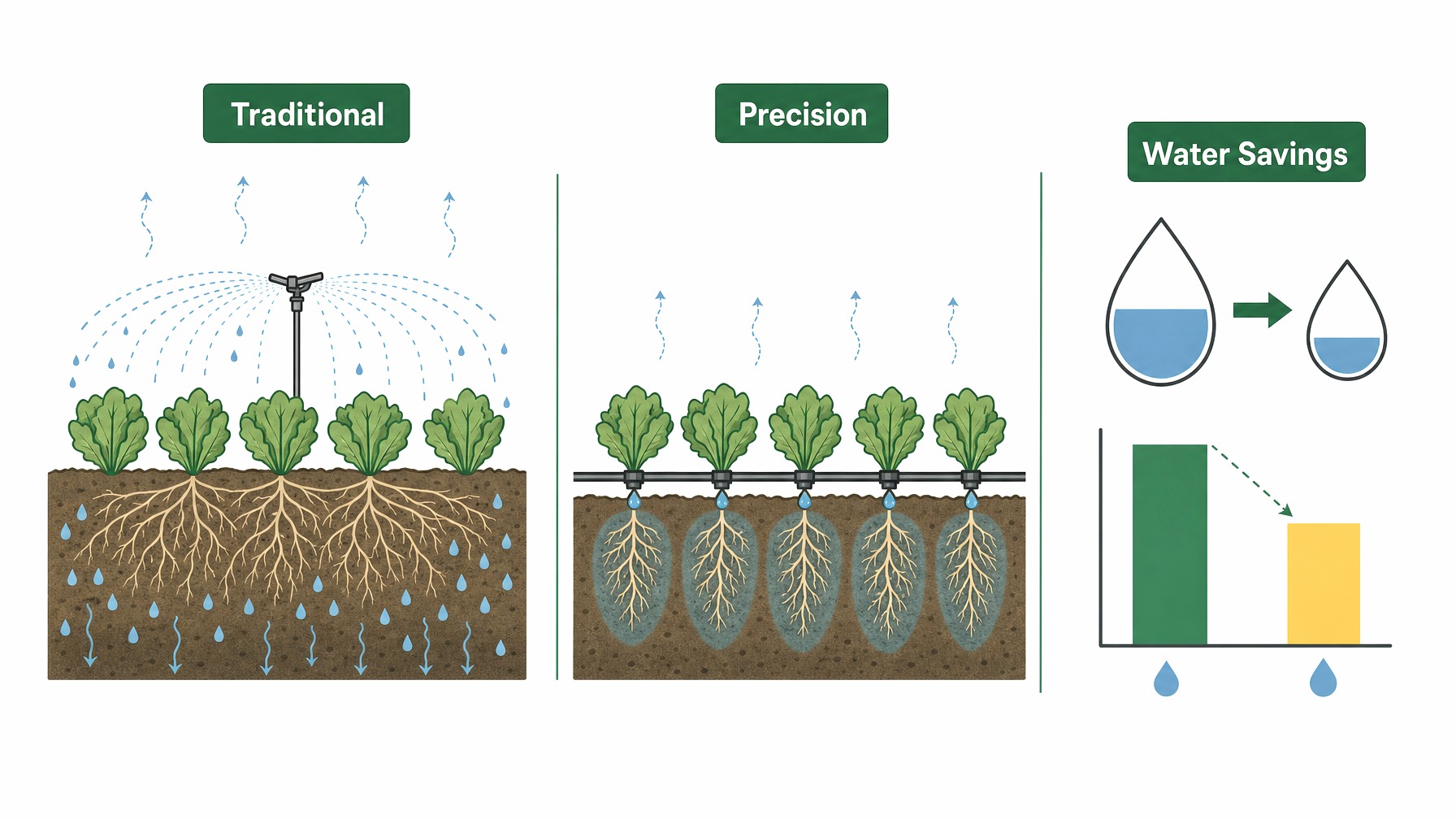
These systems utilize real-time data to adjust water delivery based on soil moisture levels and weather conditions.
This data-driven approach helps growers make informed decisions about water management.
Implementing precision irrigation requires an initial investment in technology.
However, the long-term benefits in water savings and crop performance often outweigh these costs.
2. Soil Moisture Monitoring
Soil moisture monitoring is a critical component of effective water management.
By understanding the moisture levels in the soil, growers can optimize irrigation schedules and reduce unnecessary water use.
Advanced sensors and wireless networks are now available to provide accurate and timely soil moisture data.
This technology enables growers to:
- Identify precise irrigation needs
- Prevent overwatering and waterlogging
- Enhance root health and nutrient uptake
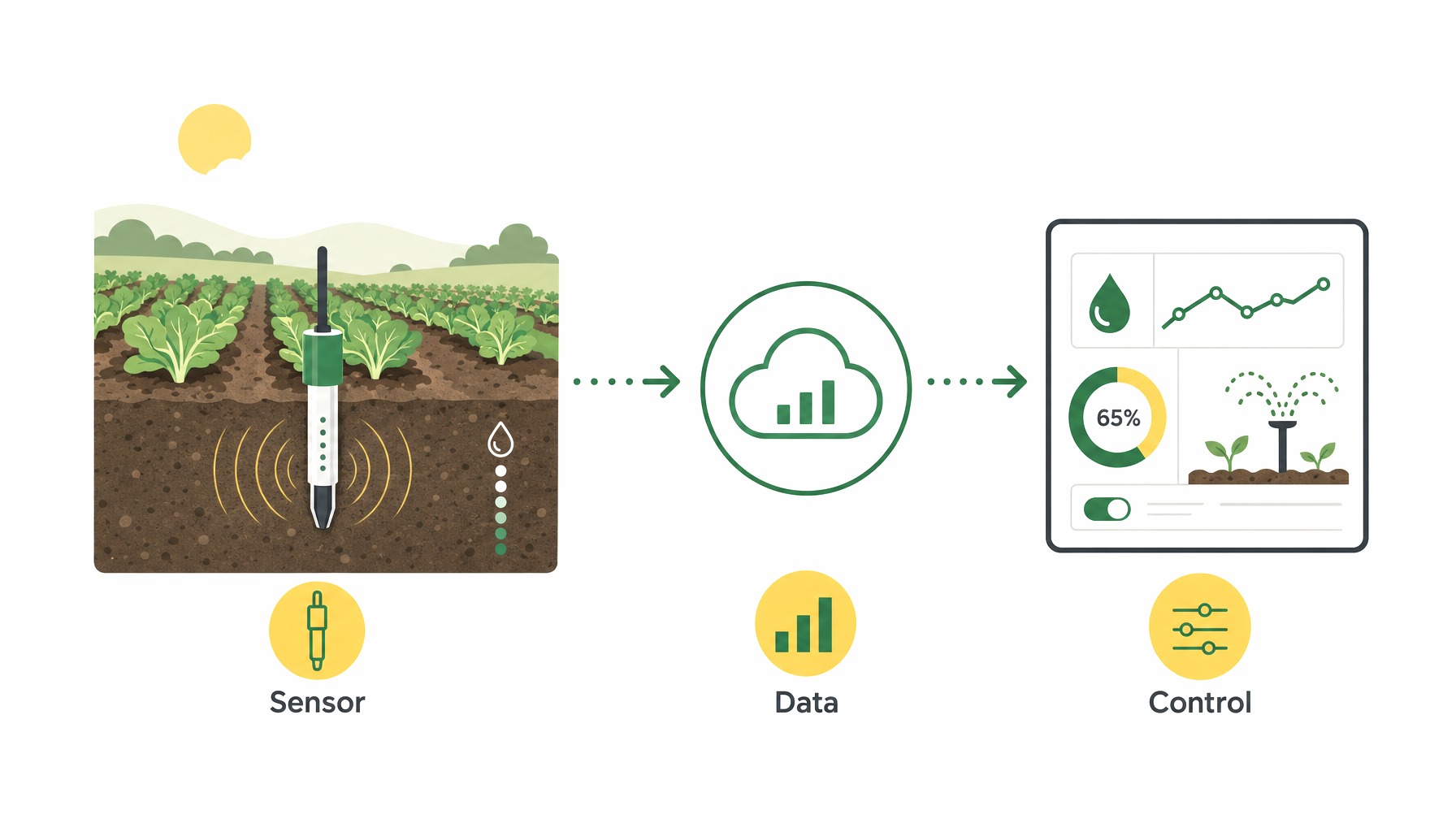
Soil moisture monitoring supports sustainable farming practices by aligning water use with crop requirements.
It also minimizes the environmental impact of water use in agriculture.
Investing in soil moisture technology can lead to significant water savings and improved crop health.
As the technology becomes more affordable, it is becoming an essential tool for modern agriculture.
3. Controlled Environment Agriculture
Controlled environment agriculture (CEA) offers a promising solution for reducing water waste.
By growing crops in controlled environments such as greenhouses or vertical farms, water use can be precisely managed.
CEA systems recycle water and maintain optimal growing conditions, leading to several benefits:
- Water savings of up to 90% compared to traditional farming
- Consistent crop production year-round
- Reduced need for chemical inputs
These systems are particularly effective in arid regions where water scarcity is a significant challenge.
By leveraging technology, CEA can help produce growers meet sustainability goals.
4. Drip Irrigation Innovations
Drip irrigation is a well-established method for conserving water, but recent innovations have further enhanced its efficiency.
New drip systems are designed to deliver water and nutrients directly to the plant root zone with greater precision.
These innovations offer several advantages:
- Enhanced water distribution uniformity
- Reduced weed growth and pest issues
- Lower water and fertilizer usage
Innovative drip irrigation systems are now being integrated with smart technology, allowing for automated control and monitoring.
This integration maximizes water efficiency while minimizing labor costs.
5. Rainwater Harvesting Techniques
Rainwater harvesting is an effective way to supplement water supplies and reduce reliance on conventional sources.
By collecting and storing rainwater, growers can ensure a sustainable water supply during dry periods.
Modern rainwater harvesting systems include:
- Advanced filtration for water quality
- Efficient storage solutions
- Integration with existing irrigation systems
These systems provide an environmentally friendly option for water conservation.
By utilizing rainwater, growers can reduce their environmental footprint and improve water management.
6. Artificial Intelligence in Water Management
Artificial intelligence (AI) is transforming water management by providing insights and predictions that enhance decision-making.
AI algorithms analyze vast amounts of data to optimize irrigation schedules and predict water needs.
This technology offers multiple benefits:
- Real-time water usage monitoring
- Improved irrigation efficiency
- Reduced water waste and costs
AI-driven water management systems are becoming increasingly accessible to growers of all sizes.
By leveraging AI, the fresh produce industry can achieve greater sustainability and profitability.
7. Drought-Resistant Crop Varieties
Developing drought-resistant crop varieties is a long-term strategy for reducing water use.
These crops are bred to thrive in low-water conditions, providing a reliable yield with less irrigation.
Benefits of drought-resistant crops include:
- Reduced water demand
- Improved resilience to climate change
- Enhanced food security
Research and development in biotechnology are driving the creation of these resilient varieties.
By adopting drought-resistant crops, producers can secure their operations against water scarcity.
The Bottom Line
Innovative techniques are crucial for reducing water waste in agriculture.
By implementing these strategies, the fresh produce industry can achieve significant water savings.
From precision irrigation to AI-driven solutions, each technique offers unique benefits.
Embracing these innovations will lead to greater sustainability and profitability.
The fresh produce industry has the opportunity to lead by example in water conservation.
By adopting these methods, we can ensure a sustainable future for generations to come.