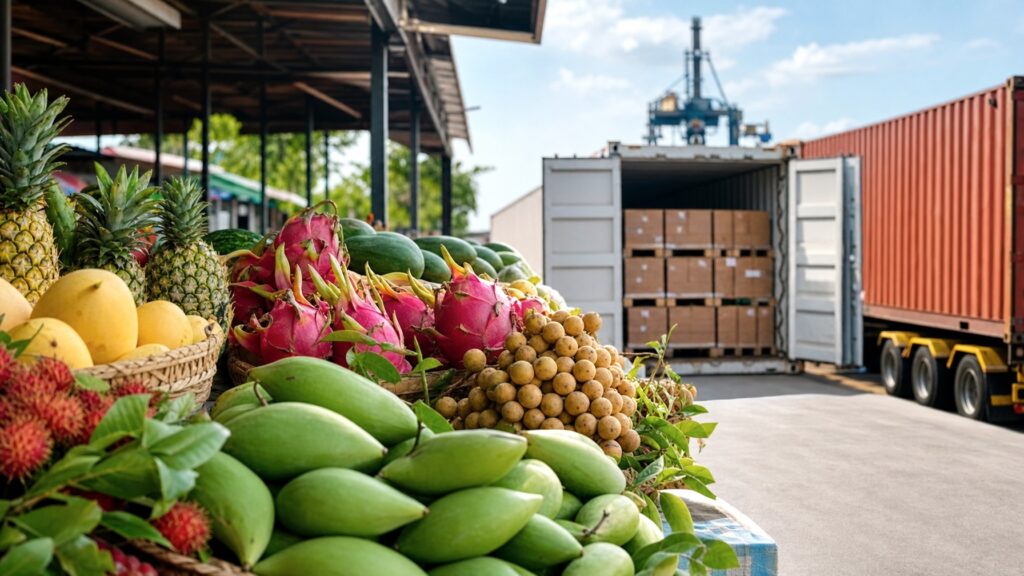
The potential exemption of fresh produce from Thailand from U.S. tariffs could significantly enhance import volumes of these goods into the United States.
Currently, Thai produce is part of a larger list of more than 2,000 agricultural and industrial products that the Office of the U.S. Trade Representative (USTR) has proposed for tariff exemption under Section 301 of the U.S. Trade Act.
This move is under consideration due to concerns over structural excess capacity, with a proposed tariff ceiling of up to 18 per cent for Thailand.
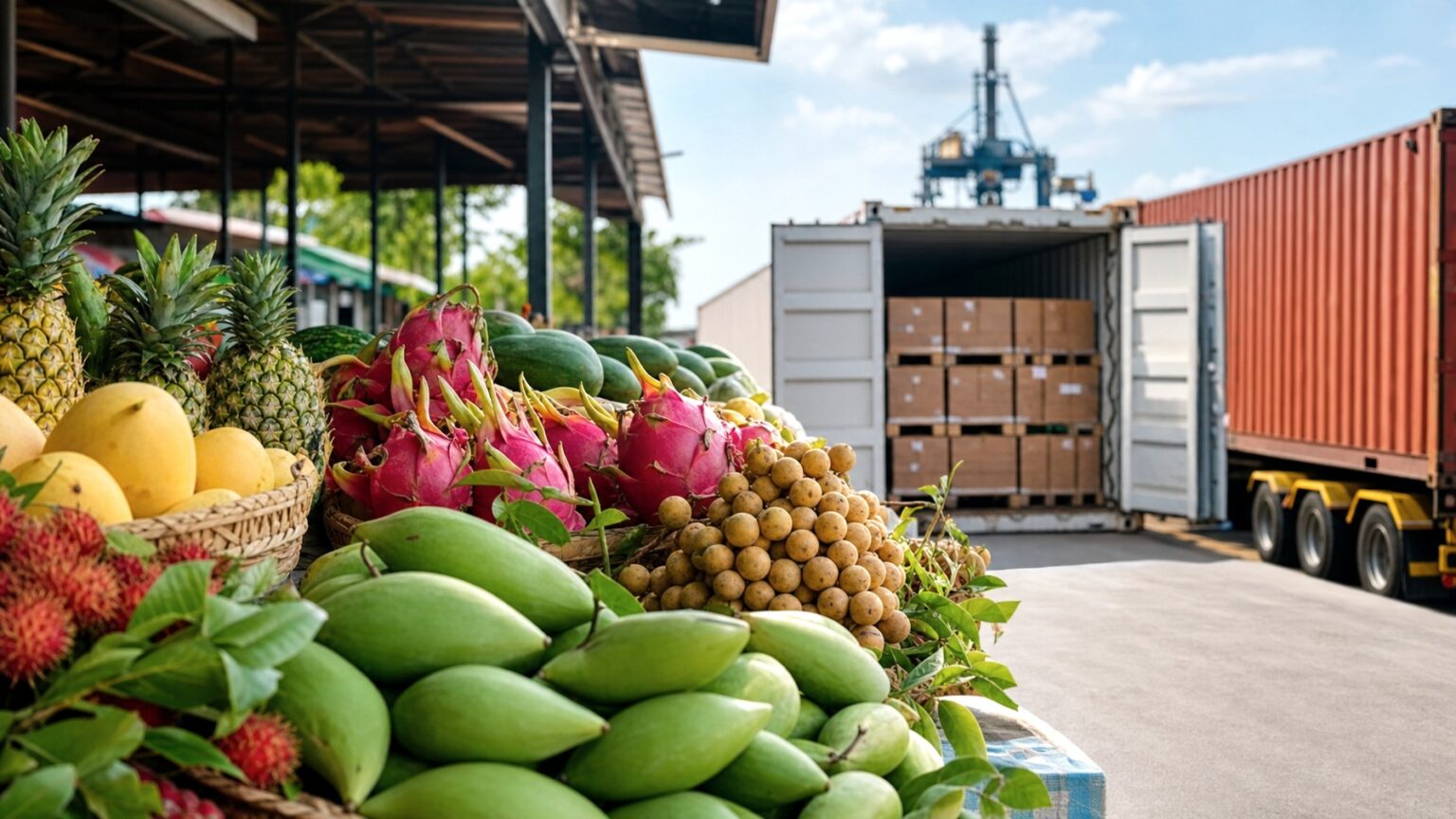
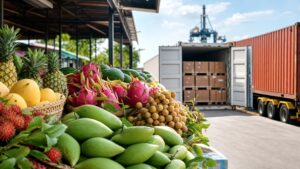
Products such as durian, mangosteen, mango, guava, and fresh pineapple are among those listed for potential exemption.
However, it is important to note that these exemptions apply solely to additional Section 301 tariffs, which means that shipments will still be subject to regular customs duties and other applicable tariff measures.
- U.S. may exempt Thai produce from tariffs, boosting imports.
- Proposed exemption includes over 2,000 Thai agricultural products.
- Thai fresh produce like durian and mango could benefit.
- Current Section 301 tariff is 12.5%; increase to 18% proposed.
- Thailand aims to enhance agricultural exports and trade relations.
The current Section 301 tariff on affected Thai exports is 12.5 per cent, and while the proposed increase is 18 per cent, this has not yet been implemented.
The Thai government has advised exporters to diligently verify Harmonized Tariff Schedule of the United States (HTSUS) codes and any product-specific exemption requirements that may be applicable.
This proactive measure is crucial as Thailand’s Ministry of Commerce intends to submit formal comments to the USTR by January 5, 2027, advocating for further exemptions.
Such efforts are aimed at ensuring that Thai exporters can maximize their opportunities in the U.S.
market while minimizing potential tariff burdens.
The implications of these proposed exemptions are considerable for both U.S. consumers and Thai exporters.
If implemented, the exemption could potentially lower costs for U.S. importers, thereby increasing the availability and competitiveness of Thai produce in the U.S. market.
For Thailand, this represents an opportunity to expand its agricultural exports footprint, potentially boosting the country’s economy and strengthening trade relations between the two nations.
Overall, the proposed tariff exemptions could serve as a catalyst for increased trade activity and economic growth, benefiting stakeholders on both sides of the Pacific.