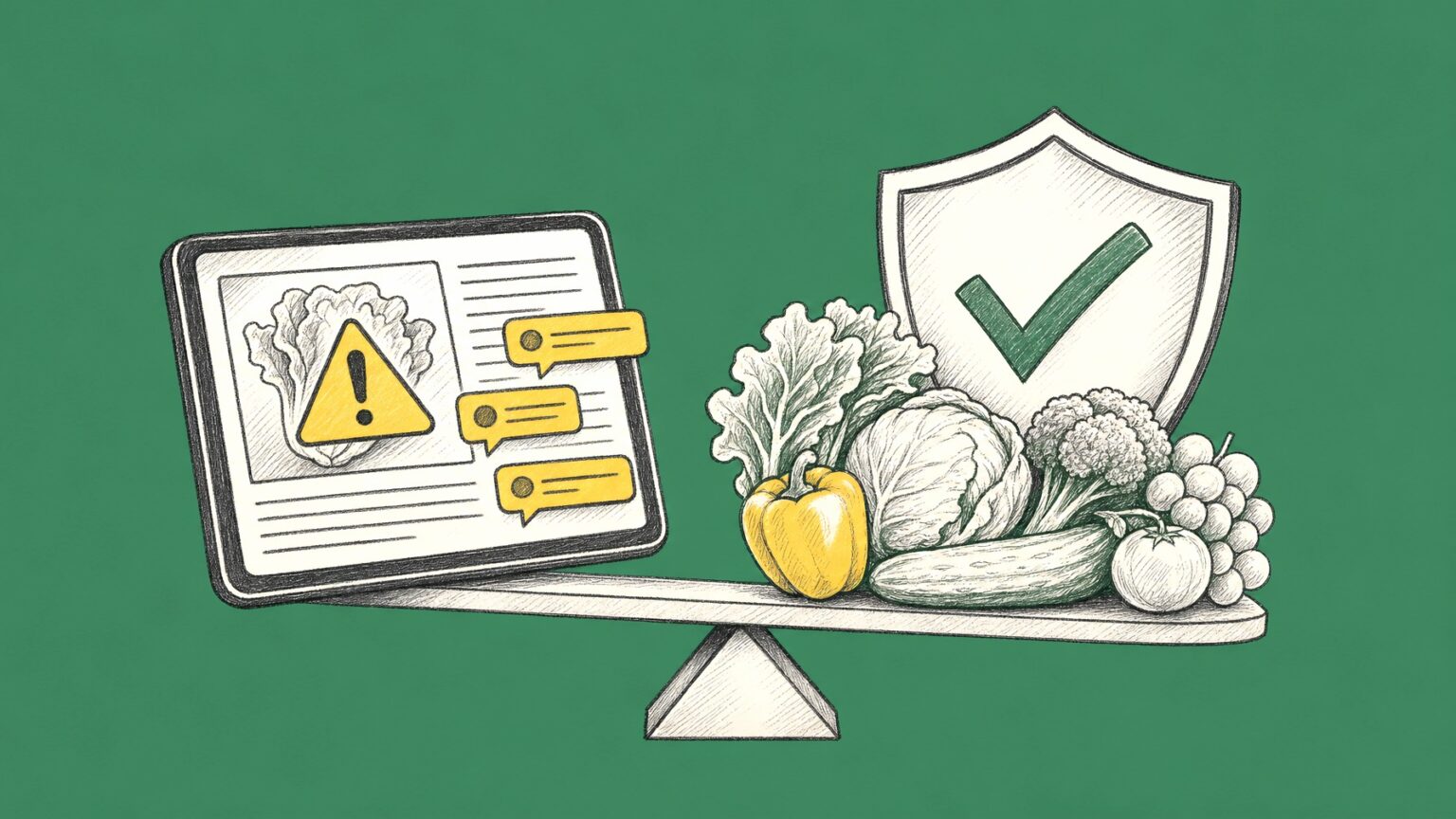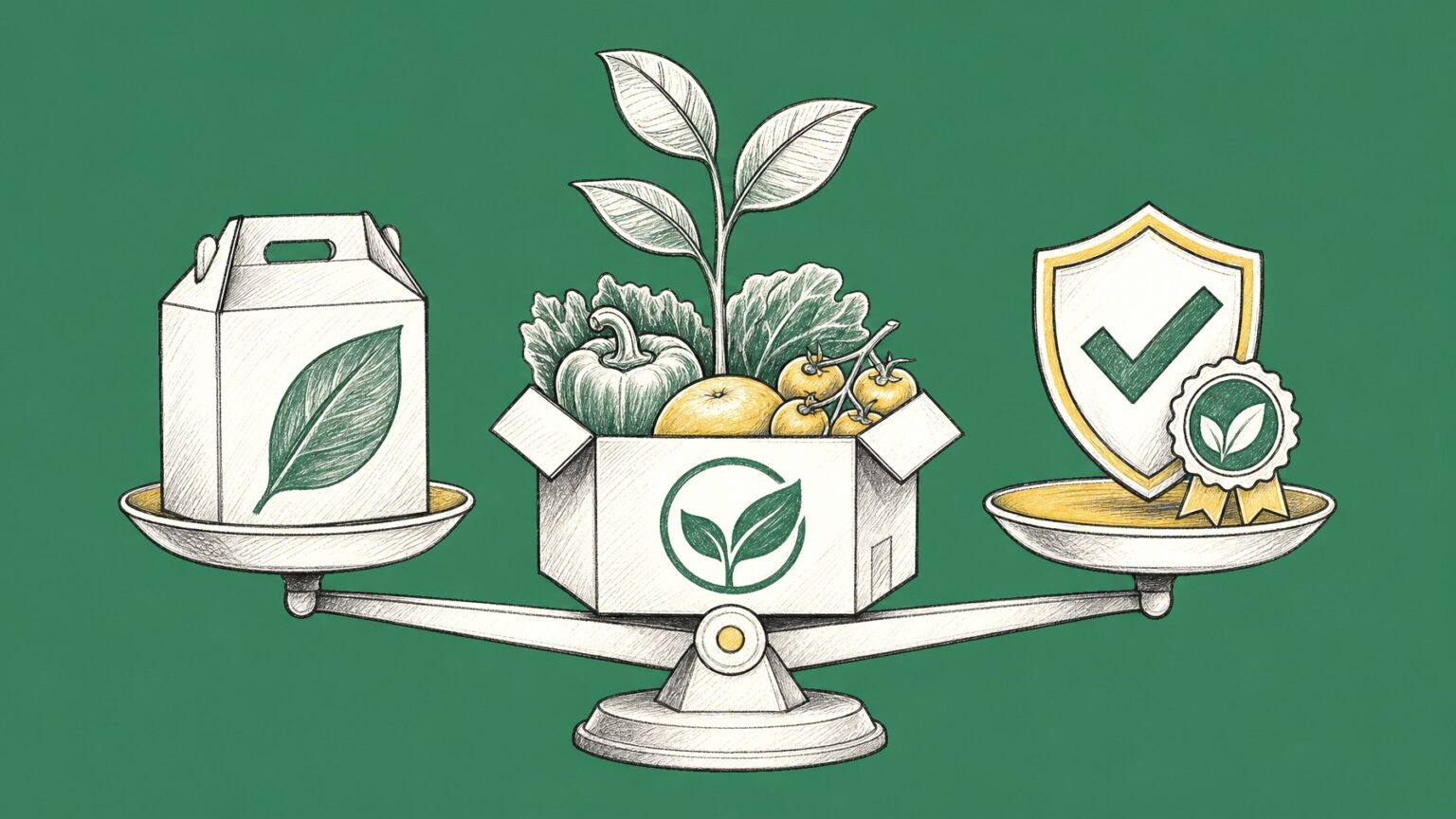
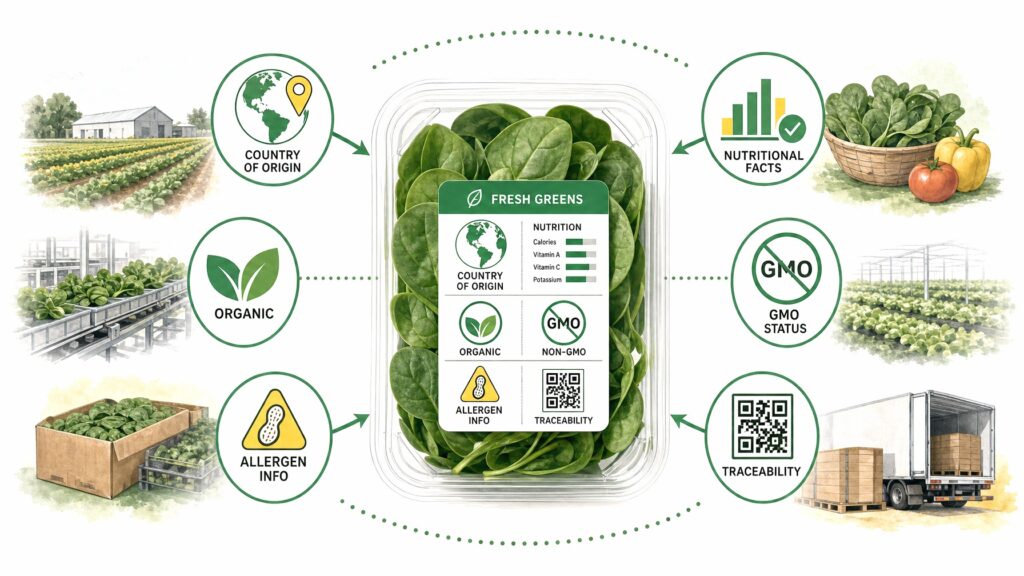
In the fresh-produce industry, labeling regulations are a cornerstone of compliance and consumer trust.
Accurate labels help in maintaining transparency and ensuring the safety of produce from farm to table.
For growers, shippers, and marketers, understanding these regulations is not just a legal requirement, but also a strategic advantage in a competitive market.
With increasing consumer awareness and stringent regulatory expectations, it is crucial for produce businesses to stay informed about labeling standards.
This article delves into six essential labeling regulations that every produce professional should be aware of to maintain compliance and protect consumer interests.
1. Country of Origin Labeling (COOL)
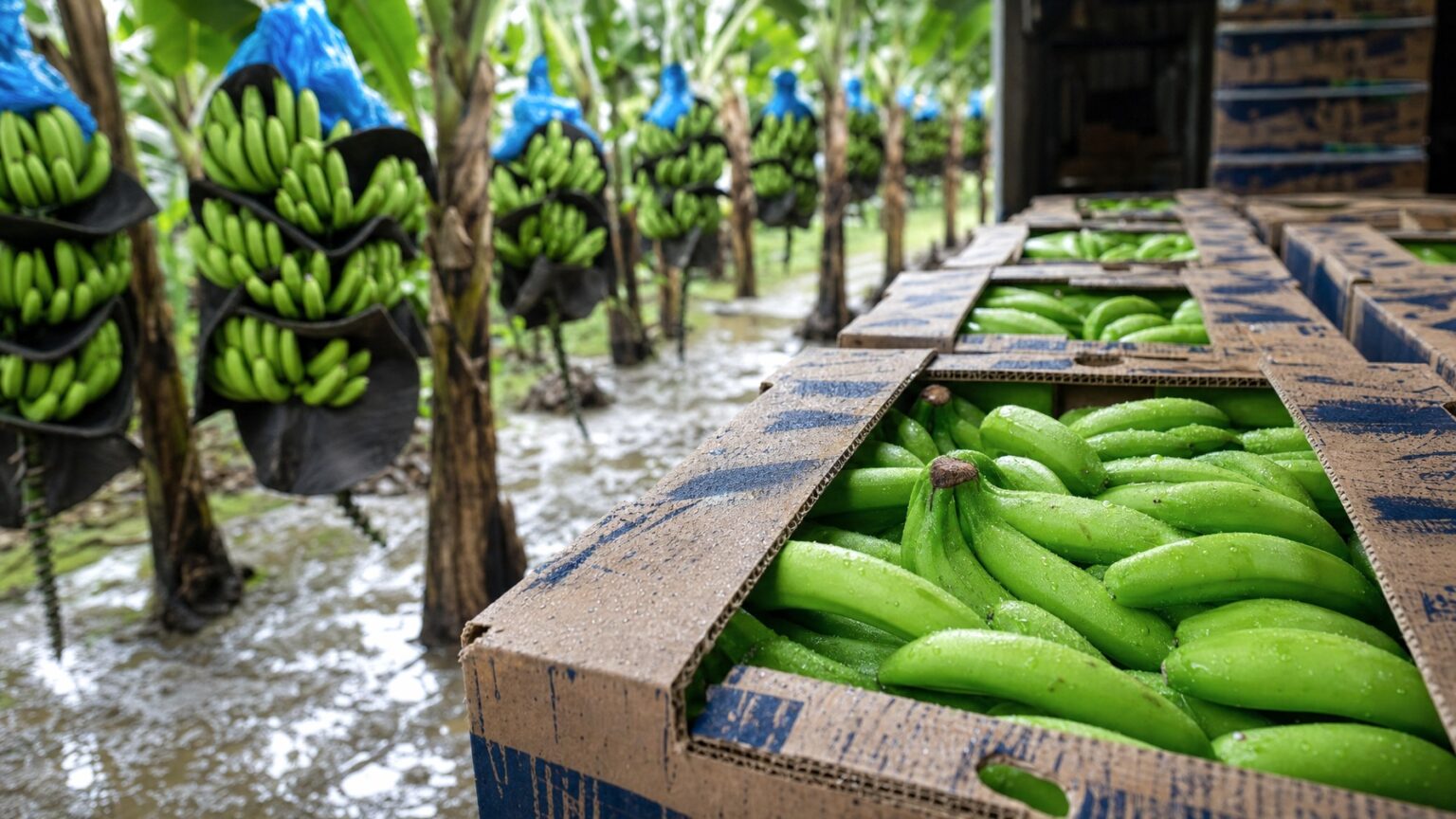
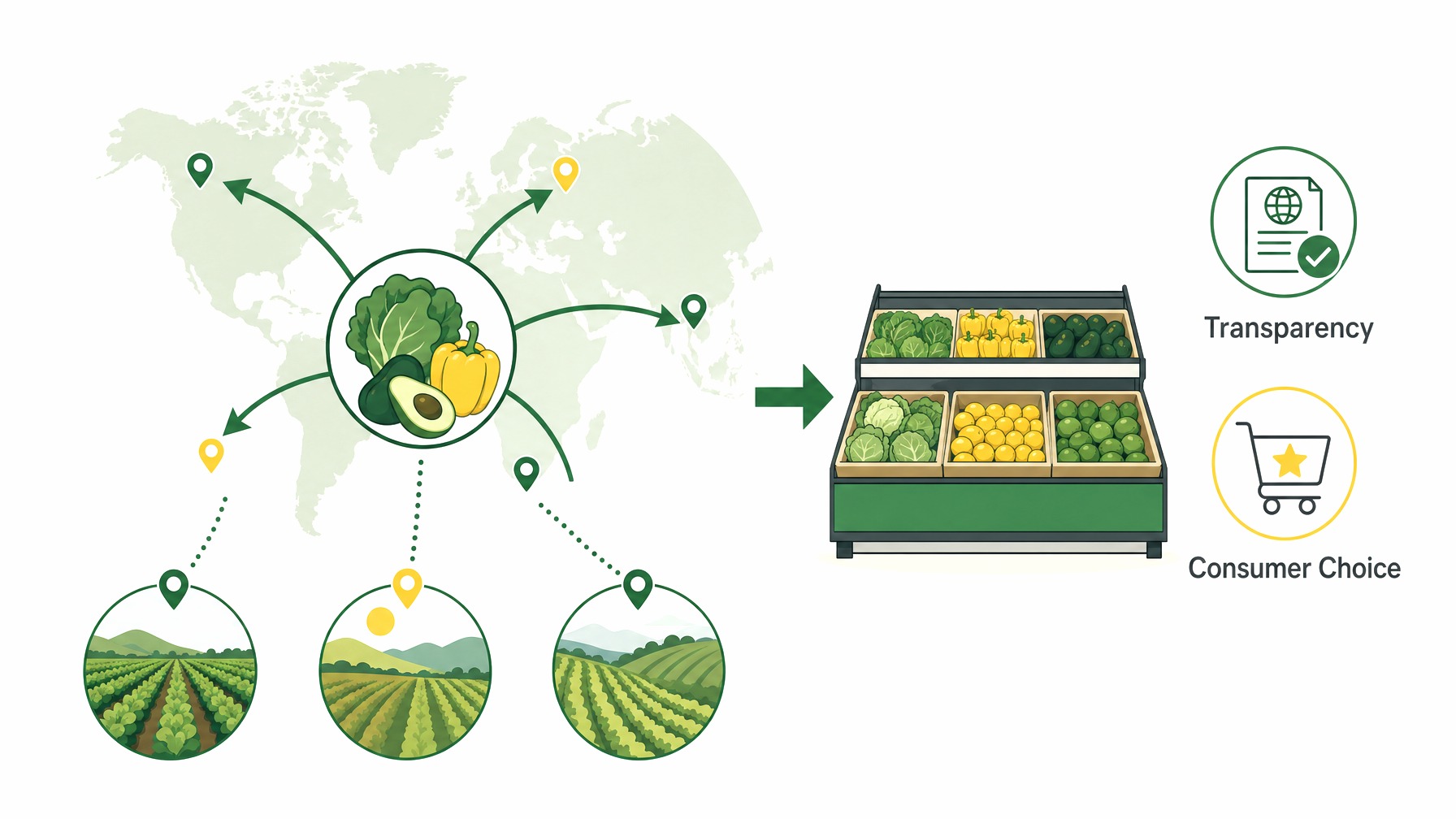
Country of Origin Labeling (COOL) is a critical requirement for fresh produce.
This regulation mandates that fresh produce labels indicate the country where the produce was grown.
Understanding COOL is essential for market access and consumer transparency.
- Applies to fresh fruits, vegetables, and other agricultural products.
- Helps consumers make informed purchasing decisions.
- Facilitates traceability in case of food safety issues.
Complying with COOL not only helps in regulatory adherence but also enhances consumer trust in the brand.
2. Nutritional Labeling Requirements
While not always mandatory for fresh produce, nutritional labeling can play a vital role when produce is packaged or processed.
Nutritional labeling helps consumers understand the nutritional value and potential allergens in the product.
- Mandatory for packaged produce that makes health claims.
- Includes serving sizes, calorie counts, and nutrient information.
- Becomes crucial in fresh-cut produce categories.
Providing nutritional information can also be a marketing tool, emphasizing the health benefits of fresh produce.
3. Organic Certification Labels
Organic certification labels are essential for producers and retailers involved in the organic produce market.
These labels signify that the produce meets specific organic farming standards and practices.
- Regulated by the USDA in the United States.
- Requires adherence to organic farming practices and audits.
- Enhances marketability to health-conscious consumers.
Organic labeling is not just a regulatory requirement but also a value proposition for consumers seeking organic options.
4. Genetically Modified Organism (GMO) Labeling
GMO labeling regulations are increasingly important in the produce industry.
These labels inform consumers about the presence of genetically modified organisms in their food.
- Mandatory in many regions, including the EU and certain U.S. states.
- Promotes transparency and informed consumer choice.
- Involves specific disclosure requirements on labels.
Understanding GMO labeling regulations can help businesses avoid compliance issues and satisfy consumer demand for transparency.
5. Allergen Labeling for Fresh-Cut Produce
Allergen labeling is crucial for fresh-cut produce that may be processed in facilities handling allergenic substances.
This regulation helps prevent allergic reactions and ensures consumer safety.
- Mandatory for products that may contain or come in contact with allergens.
- Includes common allergens like nuts, dairy, and soy.
- Requires clear labeling to inform consumers.
Being proactive in allergen labeling can improve market confidence and reduce liability risks.
6. Traceability and Lot Number Labeling
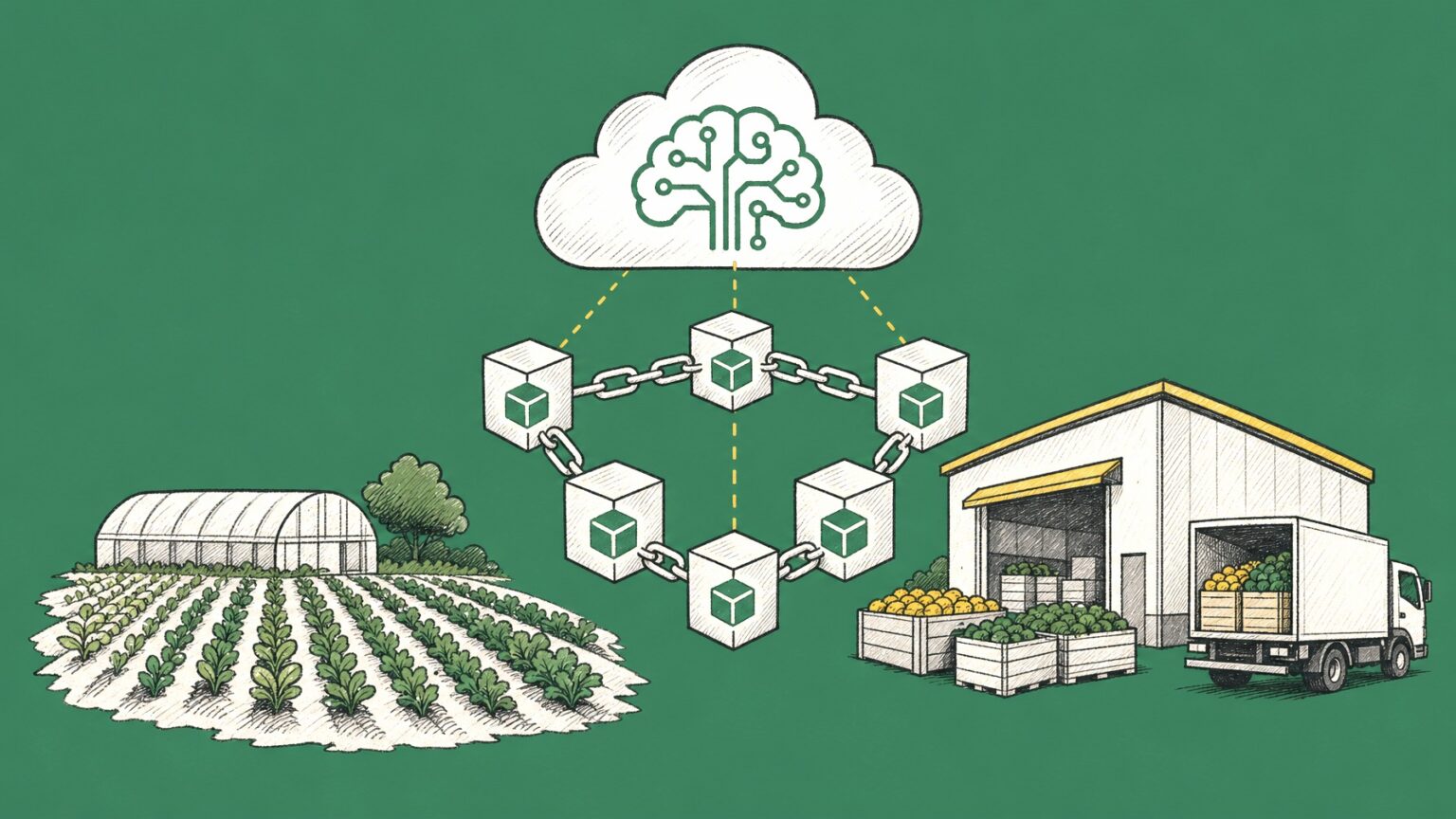
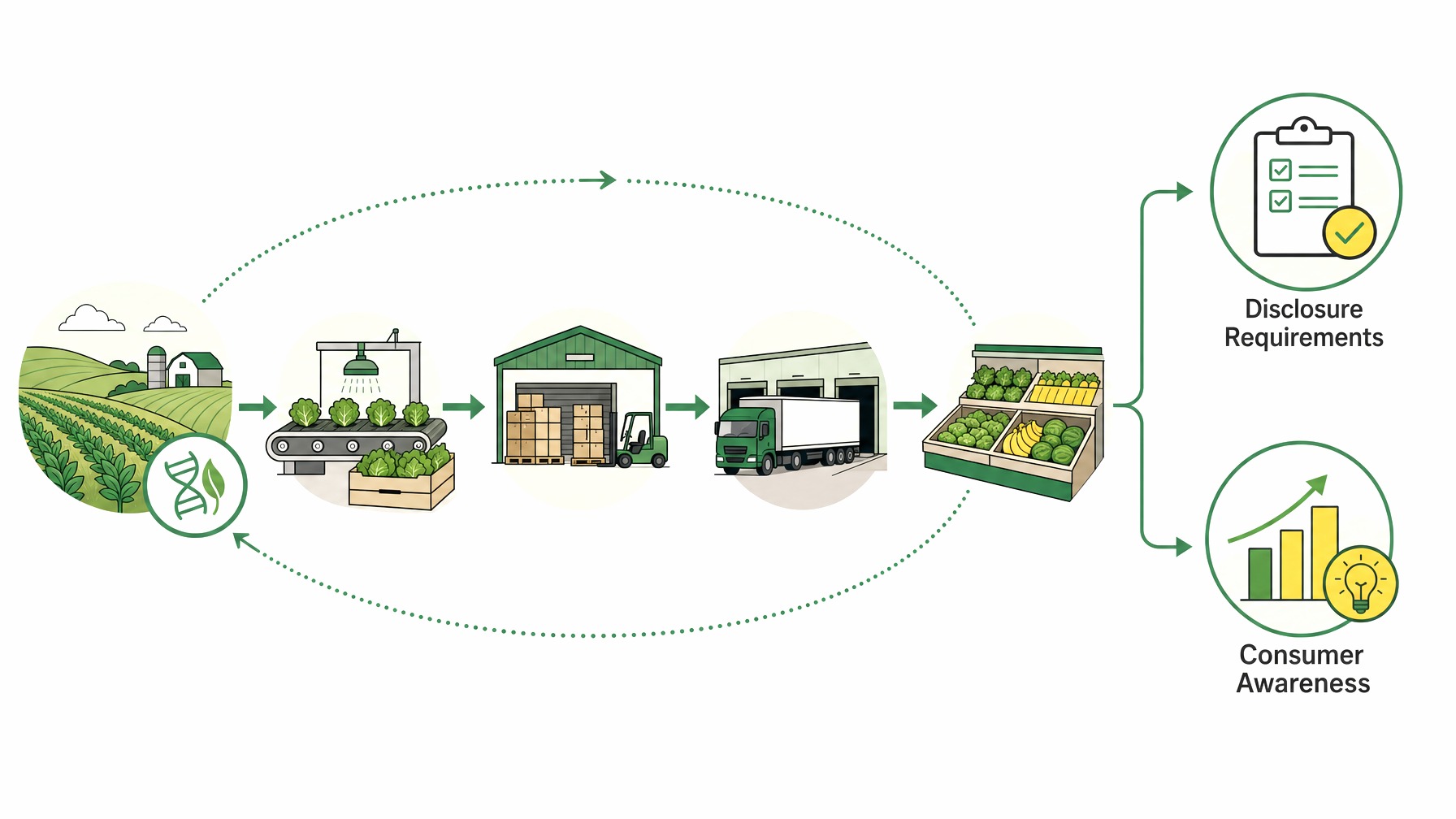
Traceability is an integral part of food safety, and lot number labeling is a fundamental aspect of it.
This regulation enables tracking of produce through the supply chain, facilitating recall processes when necessary.
- Allows for quick identification of affected products during recalls.
- Supports supply chain transparency and efficiency.
- Is becoming increasingly important under FSMA guidelines.
Implementing effective traceability labeling can enhance operational efficiency and consumer safety.
The Bottom Line
Labeling regulations in the fresh-produce industry are essential for compliance and consumer trust.
Adhering to these six key labeling requirements ensures that your business stays competitive and meets regulatory expectations.
By understanding and implementing these standards, produce professionals can safeguard their operations and enhance consumer confidence.