The recent increase in produce-related outbreaks is significantly reshaping consumer trends in the fresh produce market.
As concerns about food safety mount, consumers are becoming more discerning about the origins and handling of their produce.
In response, the industry is turning to advanced technologies and traceability systems to address these issues, ensuring that produce reaching the shelves is safe and high quality.
This shift is not only altering how produce is consumed but also how it is marketed and sold.
Technological advancements like Onza Corp.’s FreshSure technology are making significant strides in extending the shelf life of produce.
- Increase in produce-related outbreaks reshapes consumer safety concerns.
- Consumers prioritize traceability and origins of fresh produce.
- Technological innovations enhance shelf life and reduce waste.
- Strategic partnerships boost market adaptability and consumer connections.
- AI-driven commerce aids budget-conscious shopping and value propositions.
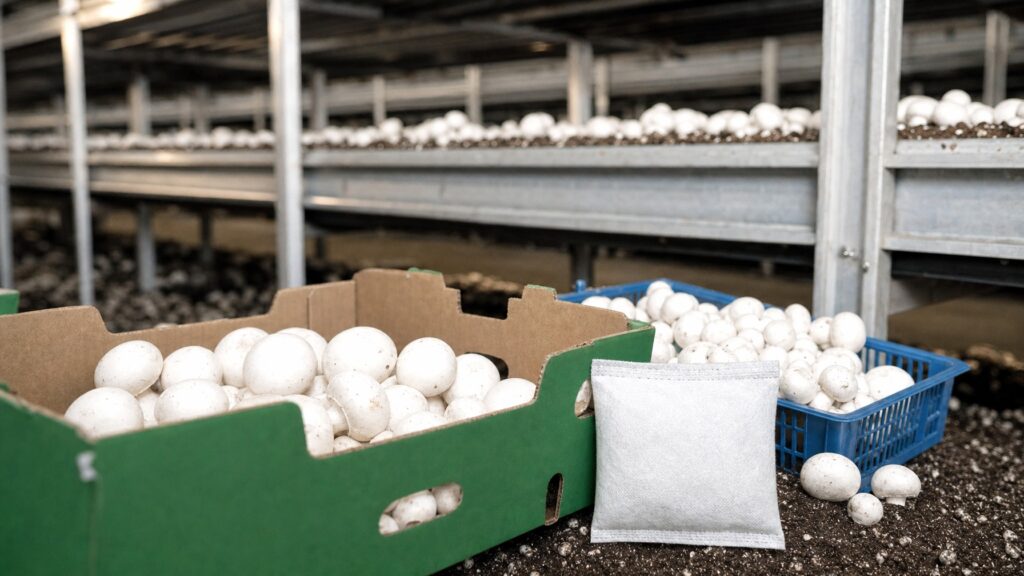
By converting volatile ozone gas into a stable, USDA-organic solid crystal matrix, this technology offers scalable sachets that achieve up to log-five pathogen reductions.
Such innovations are crucial in maintaining consumer trust and reducing waste, which is becoming increasingly important in a market wary of contamination risks.
Additionally, initiatives like Bayer Vegetable Seeds’ focus on seed genetics are tackling issues such as labor shortages and kitchen waste, further enhancing the sustainability of produce supply chains.
Another key trend is the industry’s shift toward strategic partnerships and promotional campaigns that resonate with younger consumers.
By leveraging viral social campaigns and smarter cross-merchandising, the industry seeks to align with the preferences of Gen Z and millennials.
This demographic is driving demand for produce that is not only fresh but also environmentally friendly and ethically sourced.
Retailers are also focusing on sourcing from multiple growing regions, ensuring a steady supply of high-quality produce even during critical seasons.
In light of these changes, the produce industry is striving to address traceability gaps and farm-level water safety as highlighted by former FDA deputy commissioners.
Brands and suppliers are urged to adapt to the evolving landscape by integrating AI-driven commerce and digital meal-planning technologies.
By doing so, they can capture budget-conscious shoppers and enhance their value proposition.
In the end, these efforts aim to build lasting connections with consumers while ensuring that the produce industry remains resilient amid ongoing challenges.