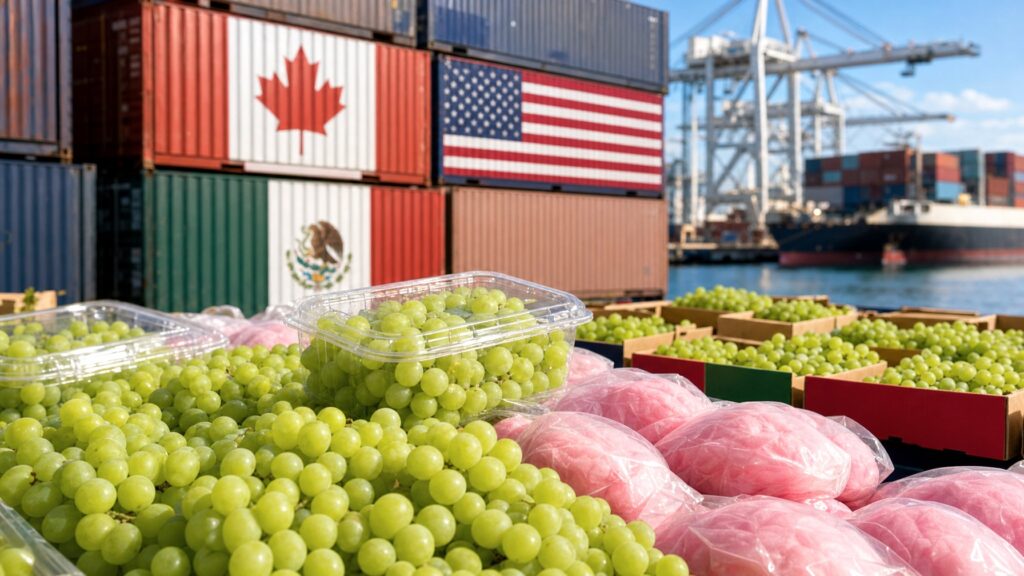
The United States-Mexico-Canada Agreement (USMCA) is once again under the spotlight as discussions about its renewal intensify.
The agreement, which facilitates approximately $1.6 trillion in annual trade among the three nations, is crucial for the produce industry and has become a focal point of recent trade negotiations.
As the July 1 deadline approaches for the three countries to decide on its renewal, the uncertainty surrounding the agreement has sparked concerns within the fresh produce sector.
For the North American produce industry, the USMCA is not merely a trade policy matter; it is an essential framework that supports the integrated supply chains that have developed over the past several decades.
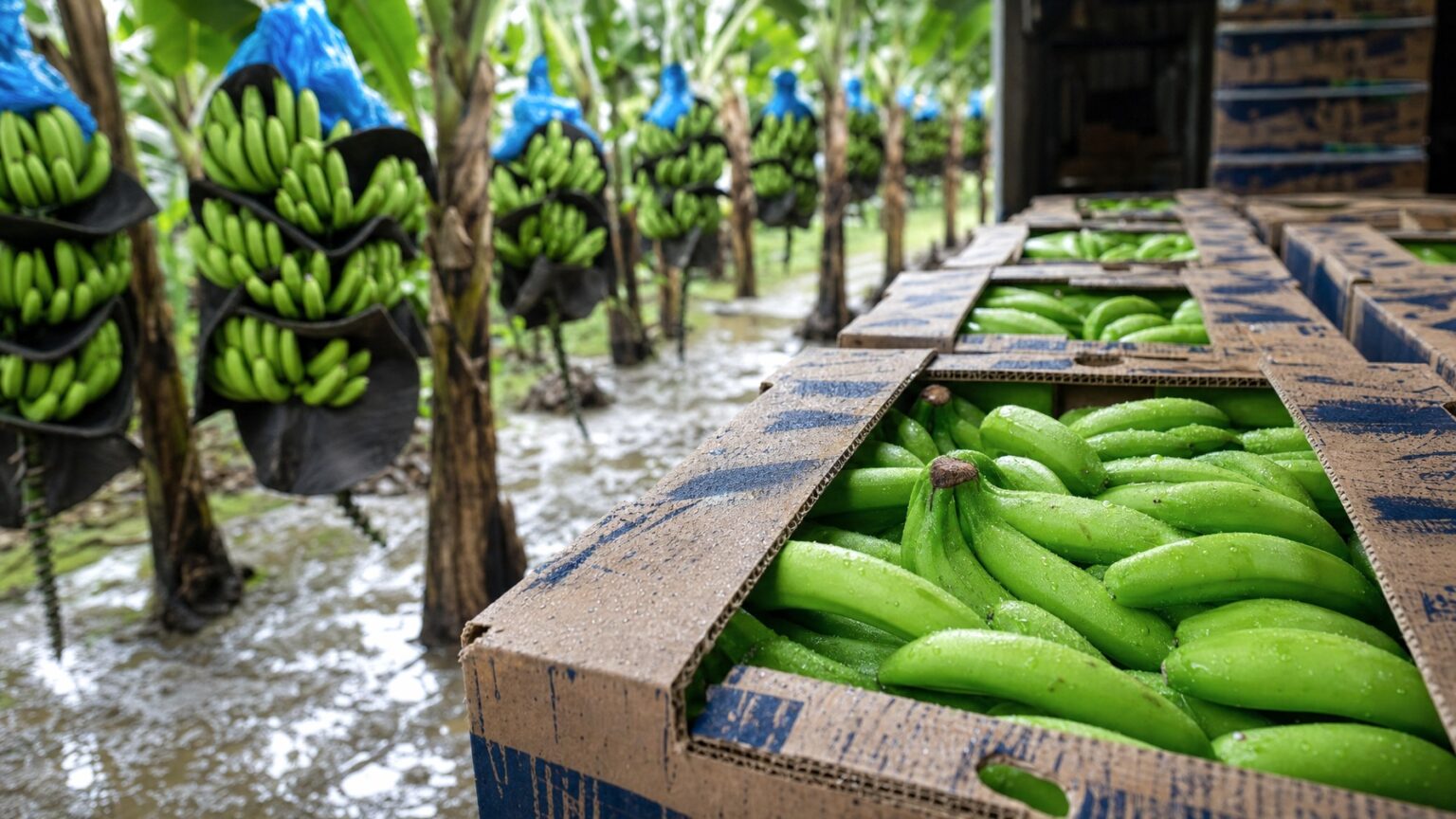
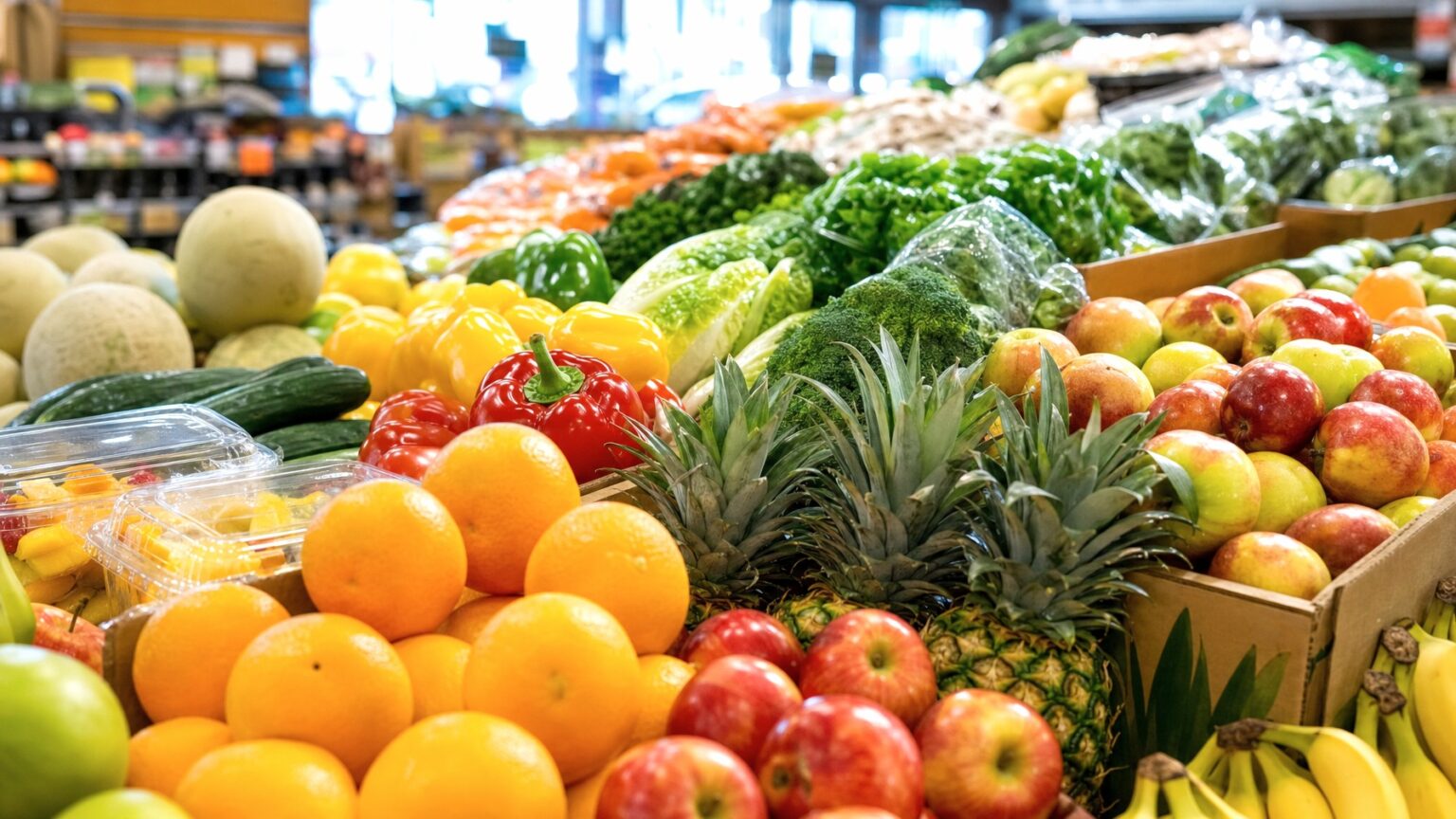
The agreement enables duty-free trade for agricultural products, ensuring year-round availability of fruits and vegetables across borders.
- USMCA crucial for $1.6 trillion annual North American trade.
- Facilitates duty-free agricultural trade, supporting integrated supply chains.
- Mexico essential for U.S. produce supply during off-seasons.
- Changes to USMCA could disrupt production and increase costs.
- Industry groups advocate for stable cross-border trade and resolution.
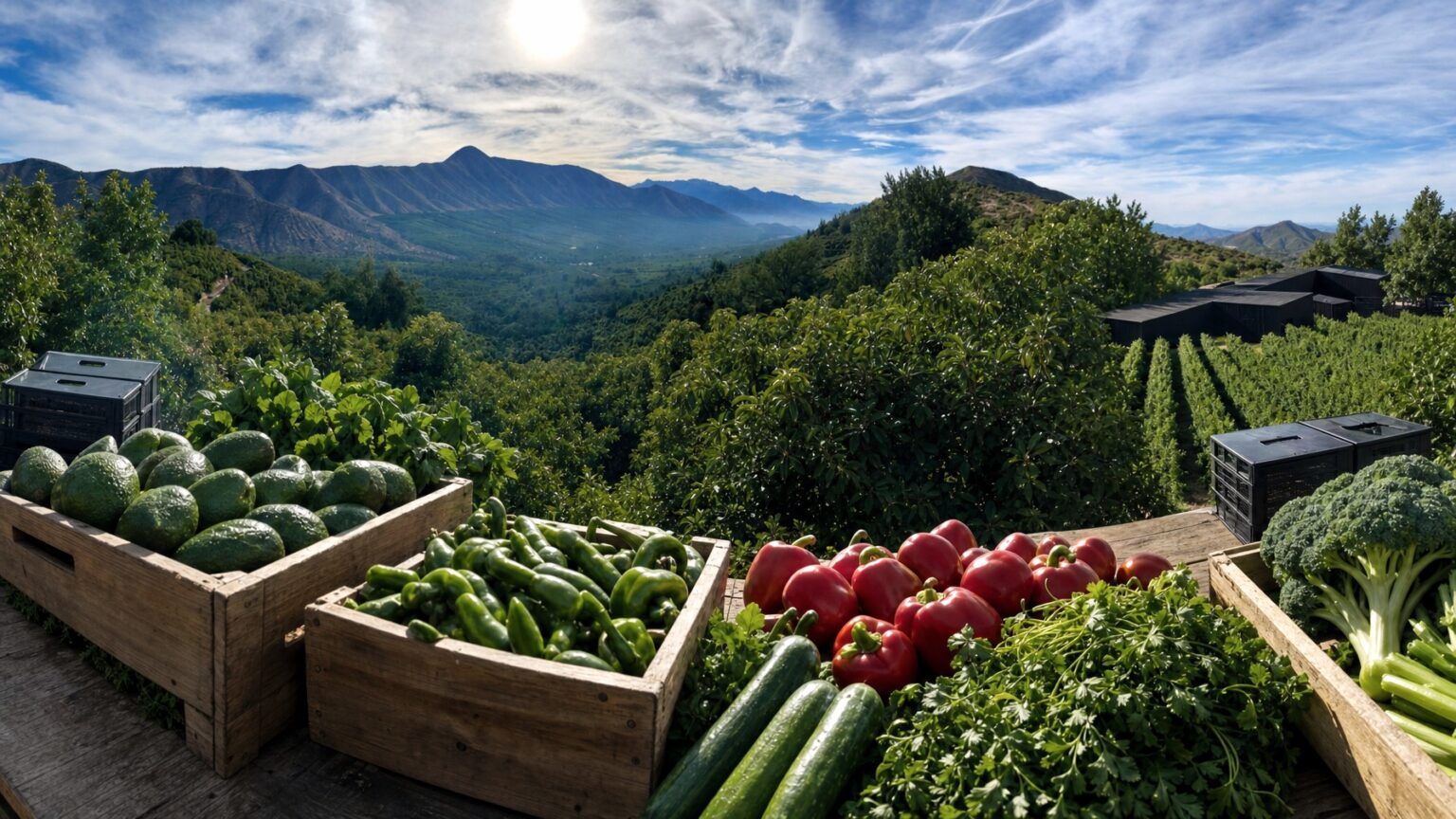
Mexico, in particular, plays a important role in supplying the U.S. market with key produce items like avocados, berries, and tomatoes during off-seasons.
Any significant changes to the USMCA could disrupt production flows, impact market access, and increase supply chain costs across the region.
While a complete breakdown of the agreement is unlikely, the ongoing negotiations introduce a degree of uncertainty that could affect the industry’s stability.
Industry groups on both sides of the border have largely supported maintaining the agreement’s core framework, emphasizing the need for predictable, rules-based trade.
The most likely outcome of the current review is the preservation of the USMCA’s core structure with potential targeted modifications aimed at specific trade issues.
While trade officials from the United States and Mexico continue to negotiate for a “level playing field,” the fresh produce industry remains hopeful for a resolution that will continue to foster efficient cross-border trade.
As discussions progress, the focus remains on safeguarding the agreement’s benefits for the agricultural sector and ensuring the continued flow of fresh produce across North America.