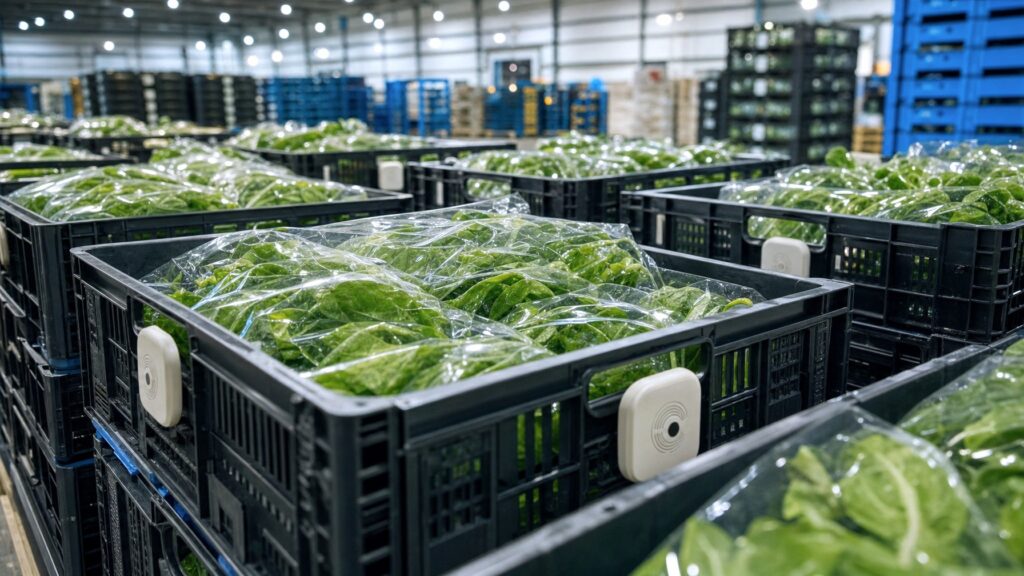
Traceability in the produce supply chain is no longer just a regulatory requirement; it’s an essential component of food safety and quality assurance.
As the industry continues to grow and evolve, the capacity to track products from farm to table is critical for building consumer trust and ensuring compliance with safety standards.
Implementing effective traceability strategies can significantly mitigate risks, enhance efficiency, and improve customer satisfaction.
With increasing consumer awareness and regulatory pressure, produce businesses must stay ahead by adopting advanced traceability solutions.
This involves integrating cutting-edge technology, ensuring data accuracy, and fostering collaboration across the supply chain.
By enhancing traceability, companies can not only safeguard their reputation but also create a competitive advantage.
In this article, we explore seven proven strategies to enhance traceability in the produce supply chain.
These strategies aim to streamline operations, bolster safety protocols, and ultimately deliver fresher, safer products to consumers.
1. Implementing Advanced Tracking Technologies
Investing in advanced tracking technologies is one of the most effective ways to enhance traceability.
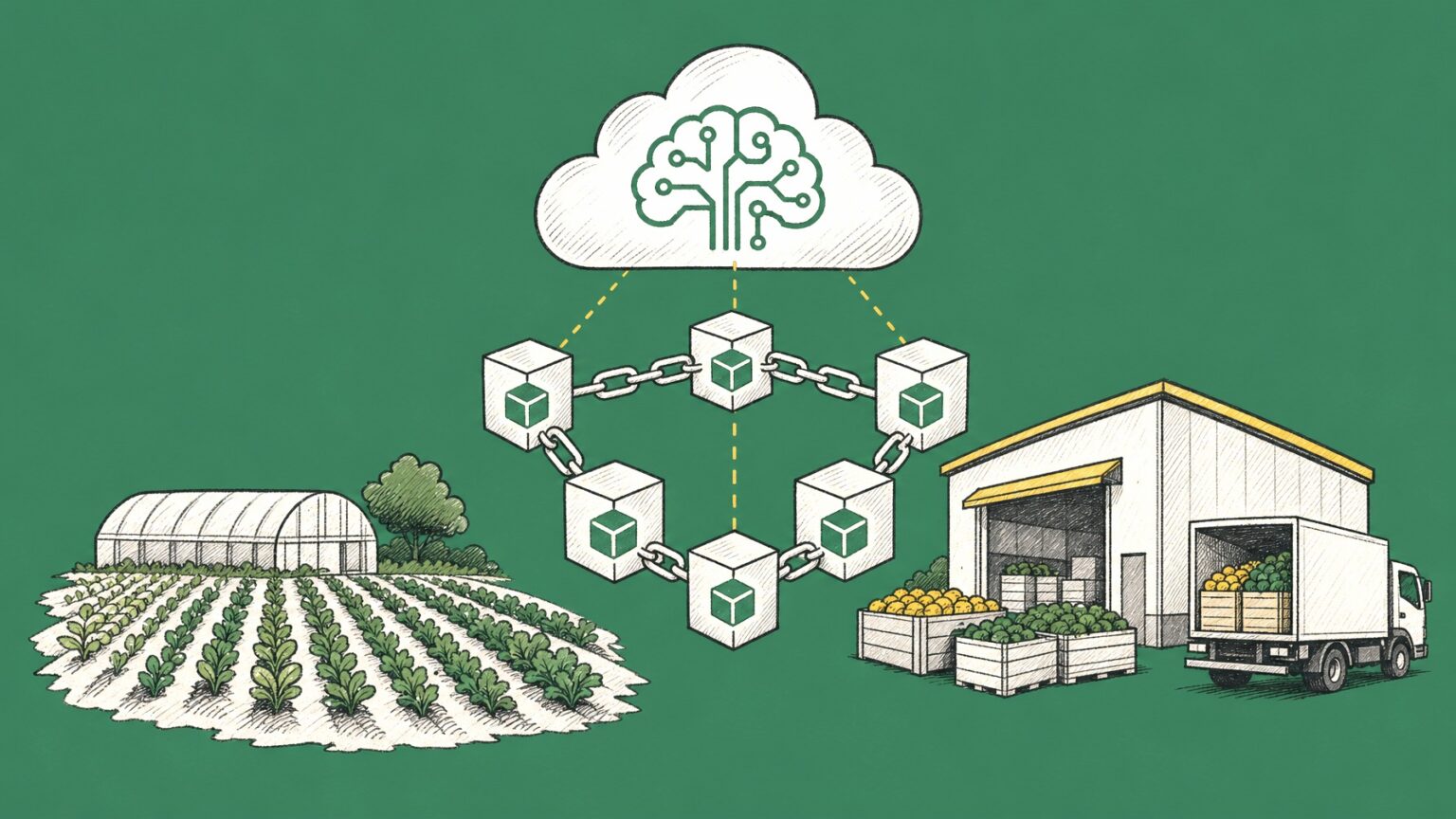
Radio Frequency Identification (RFID) and blockchain are two technologies gaining traction in the produce industry.
RFID tags allow for real-time tracking of produce, providing insights into location, temperature, and handling conditions.
Blockchain technology offers an immutable ledger that can securely record each transaction in the supply chain.
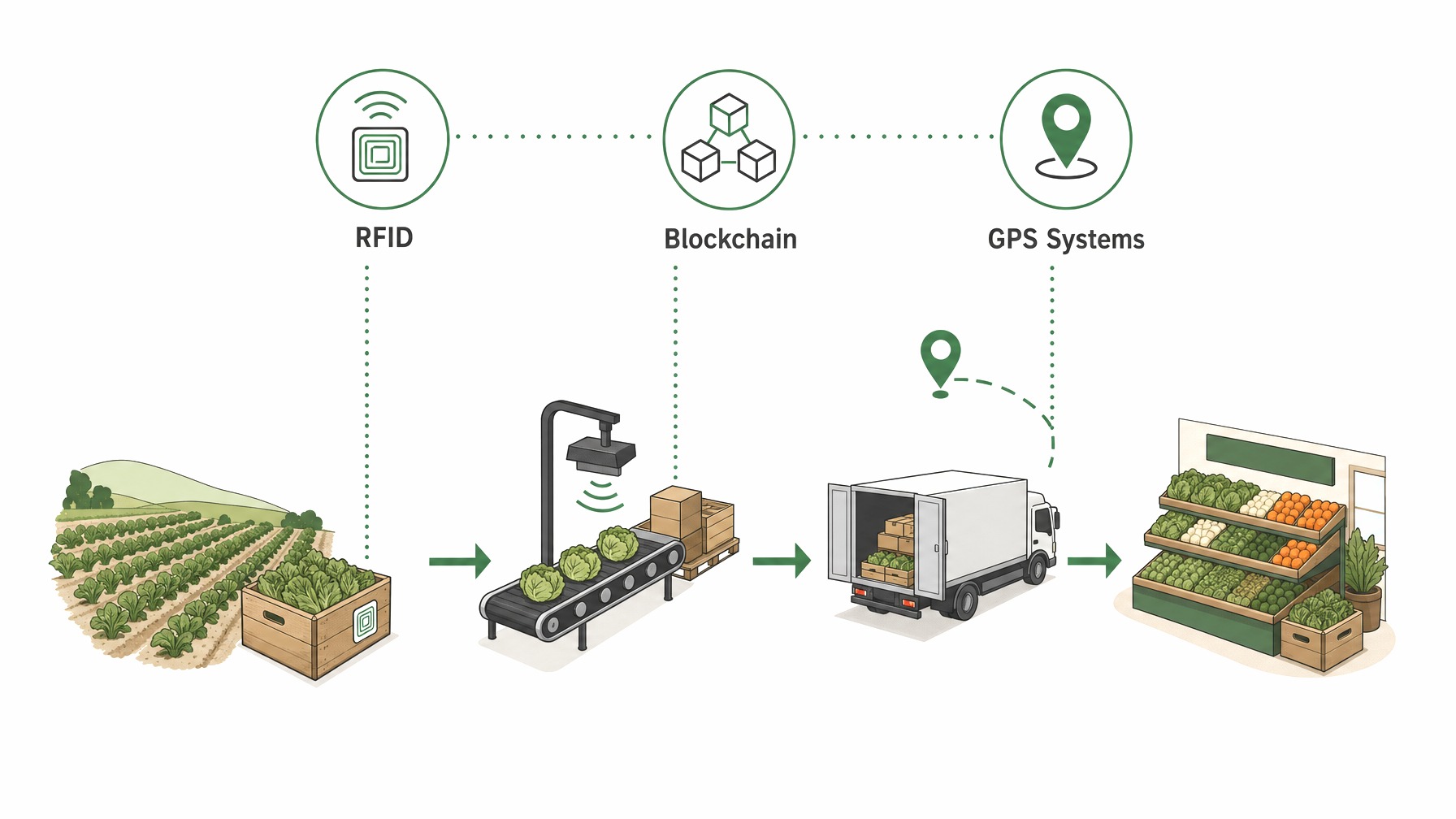
This technology ensures transparency and accountability, reducing the potential for fraud and enhancing trust among stakeholders.
- RFID Tags: Enable real-time tracking
- Blockchain: Securely records transactions
- GPS Systems: Monitor transport conditions
By integrating these technologies, companies can significantly increase the visibility and reliability of their supply chain operations.
This not only helps in ensuring compliance but also improves overall supply chain efficiency.
2. Standardizing Data Collection and Management
Standardizing data collection and management practices is crucial for ensuring data accuracy and consistency across the supply chain.
This involves creating uniform data standards that all stakeholders can adhere to, thereby facilitating seamless data exchange and integration.
Utilizing a centralized database can help maintain data integrity and provide a single source of truth for all supply chain participants.
This is essential for rapid response in the event of a food safety issue, allowing for efficient product recalls and minimizing potential damage.
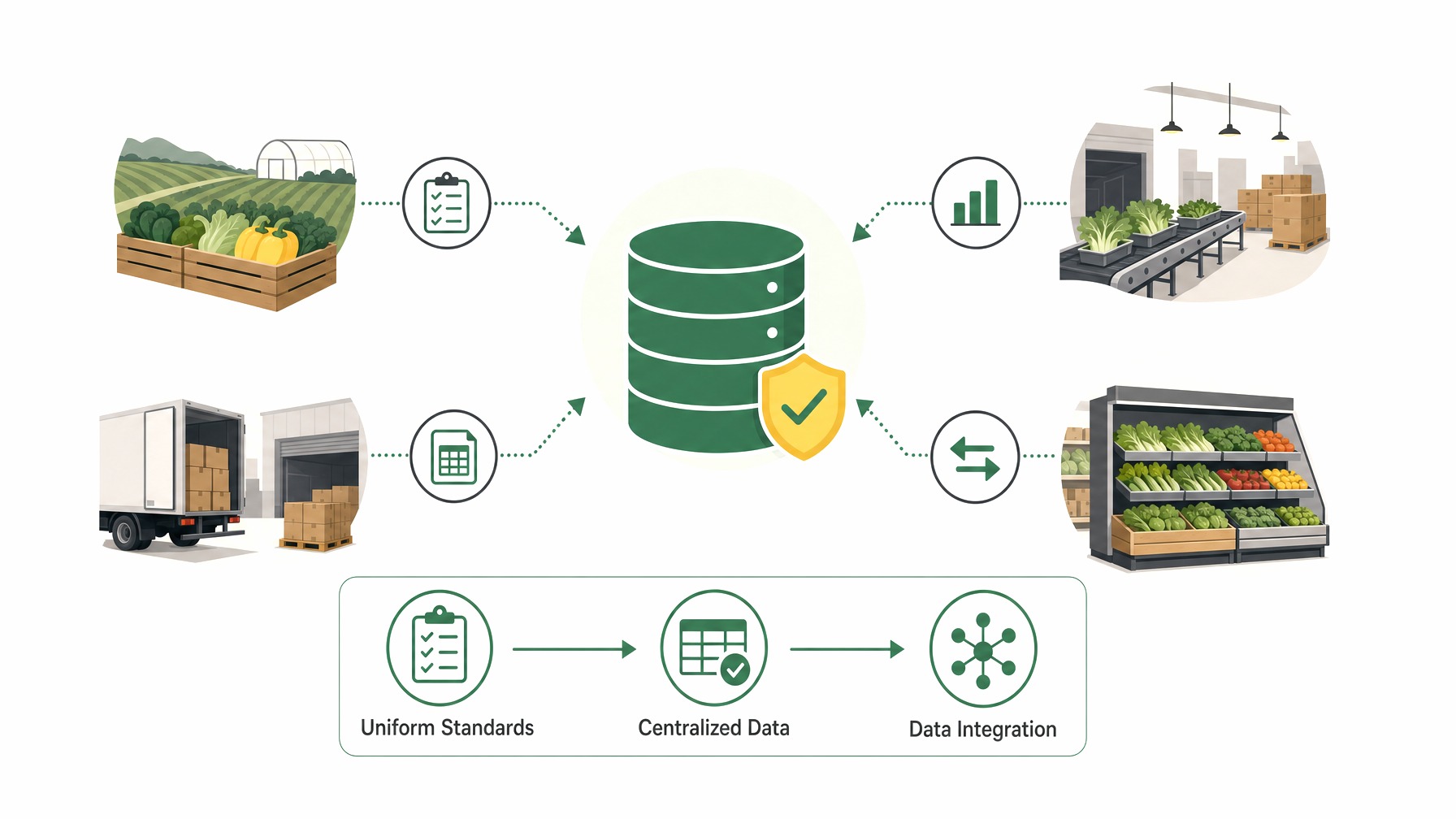
- Centralized Database: Single source of truth
- Uniform Standards: Consistent data formats
- Data Integration: Seamless information flow
By prioritizing data standardization, companies can enhance traceability efforts and ensure that all partners are working from the same playbook.
This not only streamlines operations but also fosters trust and collaboration among stakeholders.
3. Enhancing Supply Chain Collaboration
Collaboration among supply chain partners is fundamental to achieving effective traceability.
By fostering open communication and collaboration, companies can ensure that all stakeholders are aligned and working towards common goals.
Establishing partnerships with technology providers can also be beneficial, as they can offer valuable insights and solutions tailored to the produce industry.
Collaborative initiatives like joint training programs and industry forums can facilitate knowledge sharing and innovation.
- Open Communication: Aligning goals
- Technology Partners: Tailored solutions
- Industry Forums: Knowledge sharing
By enhancing collaboration, companies can create a more resilient and responsive supply chain, better equipped to handle challenges and capitalize on opportunities.
4. Implementing Robust Quality Control Measures
Quality control is a critical component of traceability, ensuring that products meet safety and quality standards at every stage of the supply chain.
Implementing rigorous quality control measures can help detect and address issues before they reach consumers.
Regular audits and inspections, coupled with automated monitoring systems, can provide real-time insights into product quality and safety.
This proactive approach helps prevent potential issues and ensures compliance with industry regulations.
- Regular Audits: Ensuring compliance
- Automated Monitoring: Real-time insights
- Proactive Measures: Preventing issues
By focusing on quality control, companies can enhance traceability efforts and deliver safer, higher-quality products to consumers, reinforcing trust and loyalty.
5. Leveraging Predictive Analytics
Predictive analytics can play a pivotal role in enhancing traceability by providing insights into potential risks and opportunities.
By analyzing historical and real-time data, companies can predict trends and make informed decisions.
These analytics can help identify patterns and anomalies in the supply chain, allowing for proactive measures to be taken.
This capability can significantly reduce the likelihood of food safety incidents and improve overall supply chain performance.
- Trend Analysis: Informing decisions
- Risk Identification: Proactive measures
- Performance Insights: Improving efficiency
By leveraging predictive analytics, companies can enhance traceability and ensure that they are well-prepared to address challenges and capitalize on opportunities.
6. Training and Educating Personnel
Training and education are vital components of successful traceability initiatives.
Personnel across the supply chain must be well-versed in traceability protocols and the technologies used to implement them.
Regular training sessions and workshops can help ensure that employees are up-to-date with the latest industry practices and technologies.
This not only improves operational efficiency but also fosters a culture of continuous improvement and innovation.
- Regular Training: Up-to-date practices
- Workshops: Hands-on learning
- Continuous Improvement: Fostering innovation
By prioritizing training and education, companies can empower their workforce to effectively implement traceability initiatives and drive business success.
7. Embracing Sustainability Practices
Sustainability practices are increasingly becoming integral to traceability efforts in the produce supply chain.
By adopting sustainable practices, companies can enhance traceability while reducing their environmental impact.
Implementing eco-friendly packaging, reducing food waste, and optimizing resource use are some ways to integrate sustainability into supply chain operations.
These practices not only enhance traceability but also align with consumer values and expectations.
- Eco-Friendly Packaging: Reducing impact
- Waste Reduction: Maximizing resources
- Resource Optimization: Sustainable operations
By embracing sustainability, companies can enhance traceability efforts and contribute to a more sustainable future, benefiting both the environment and their bottom line.