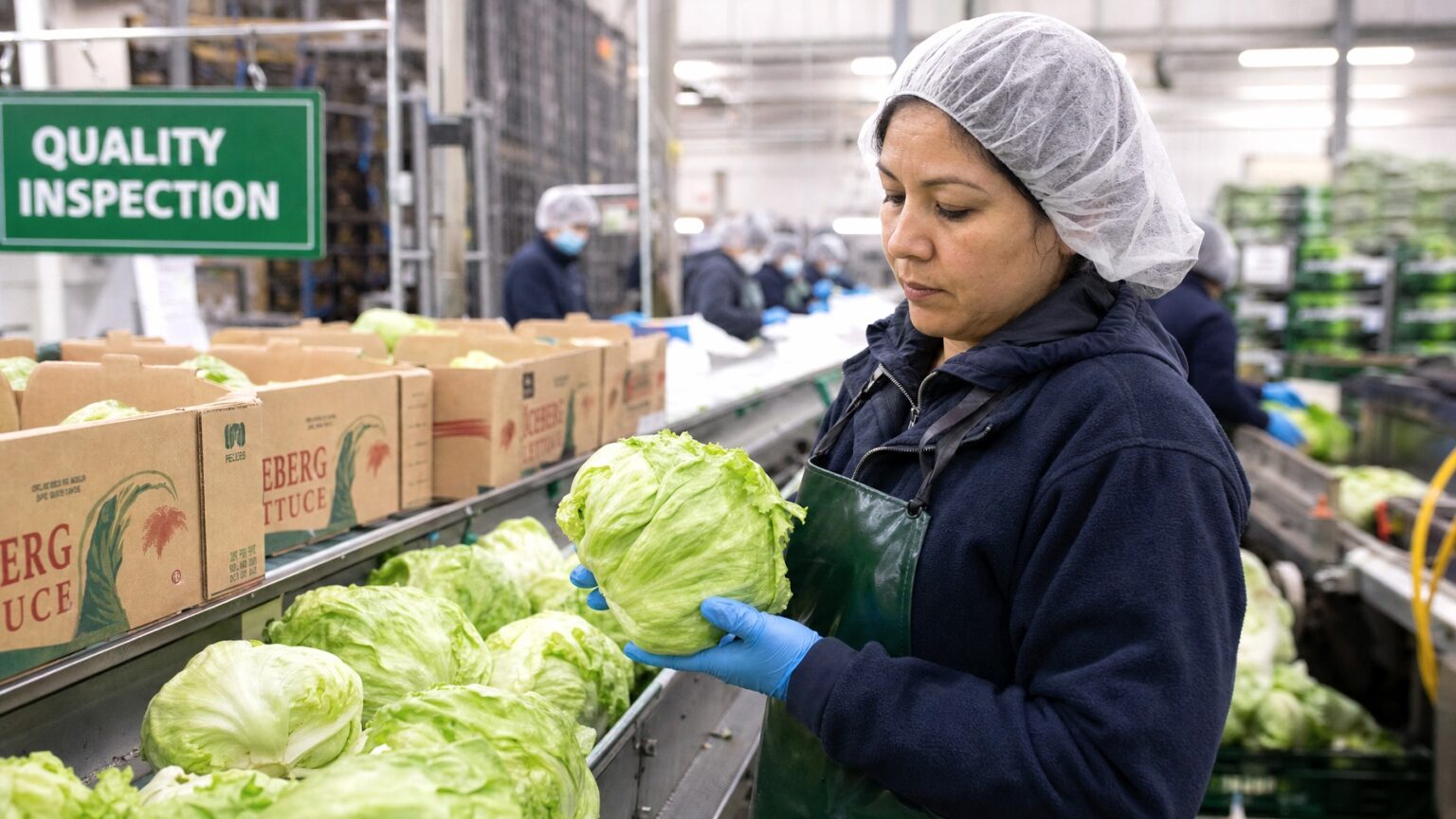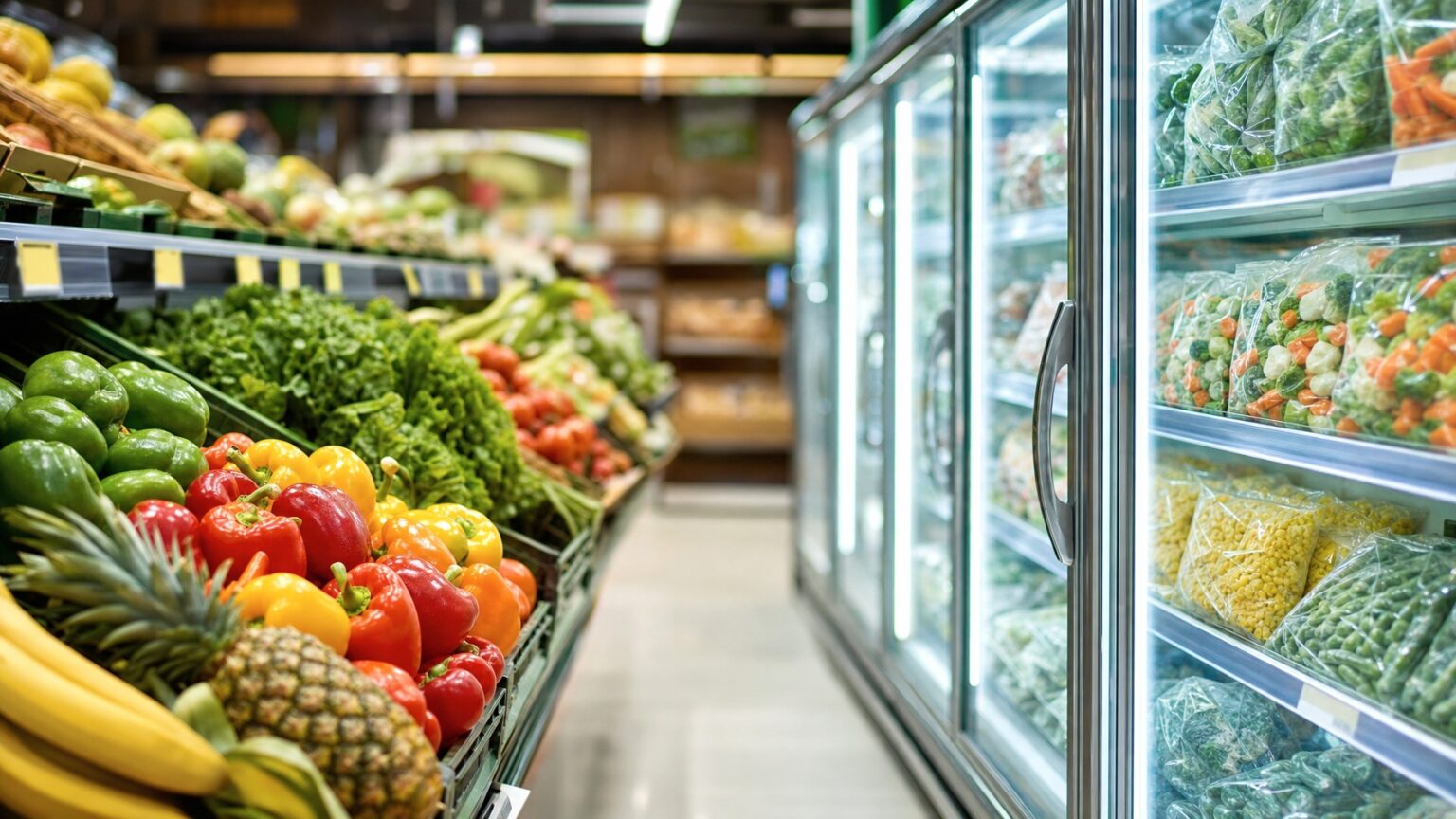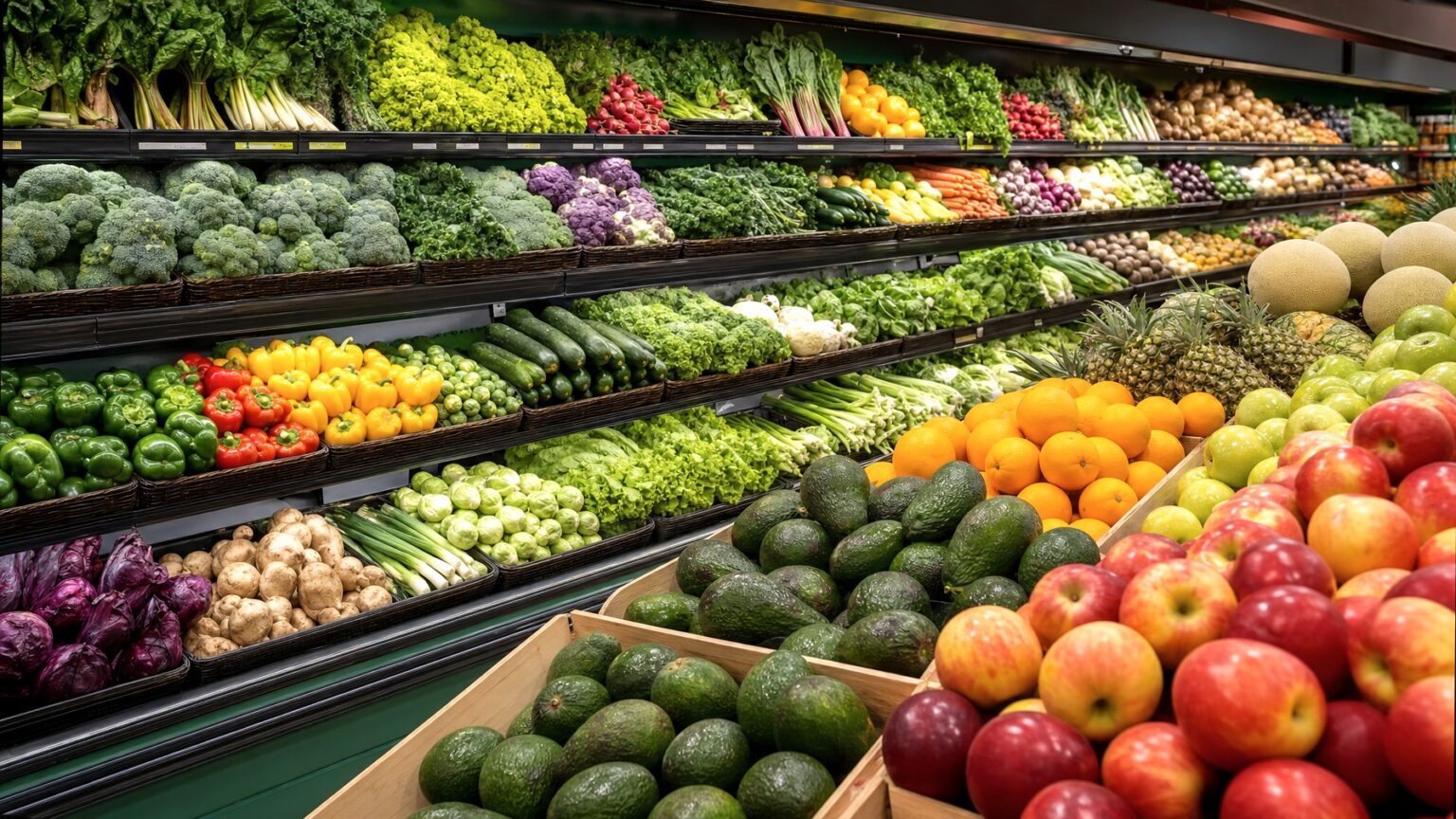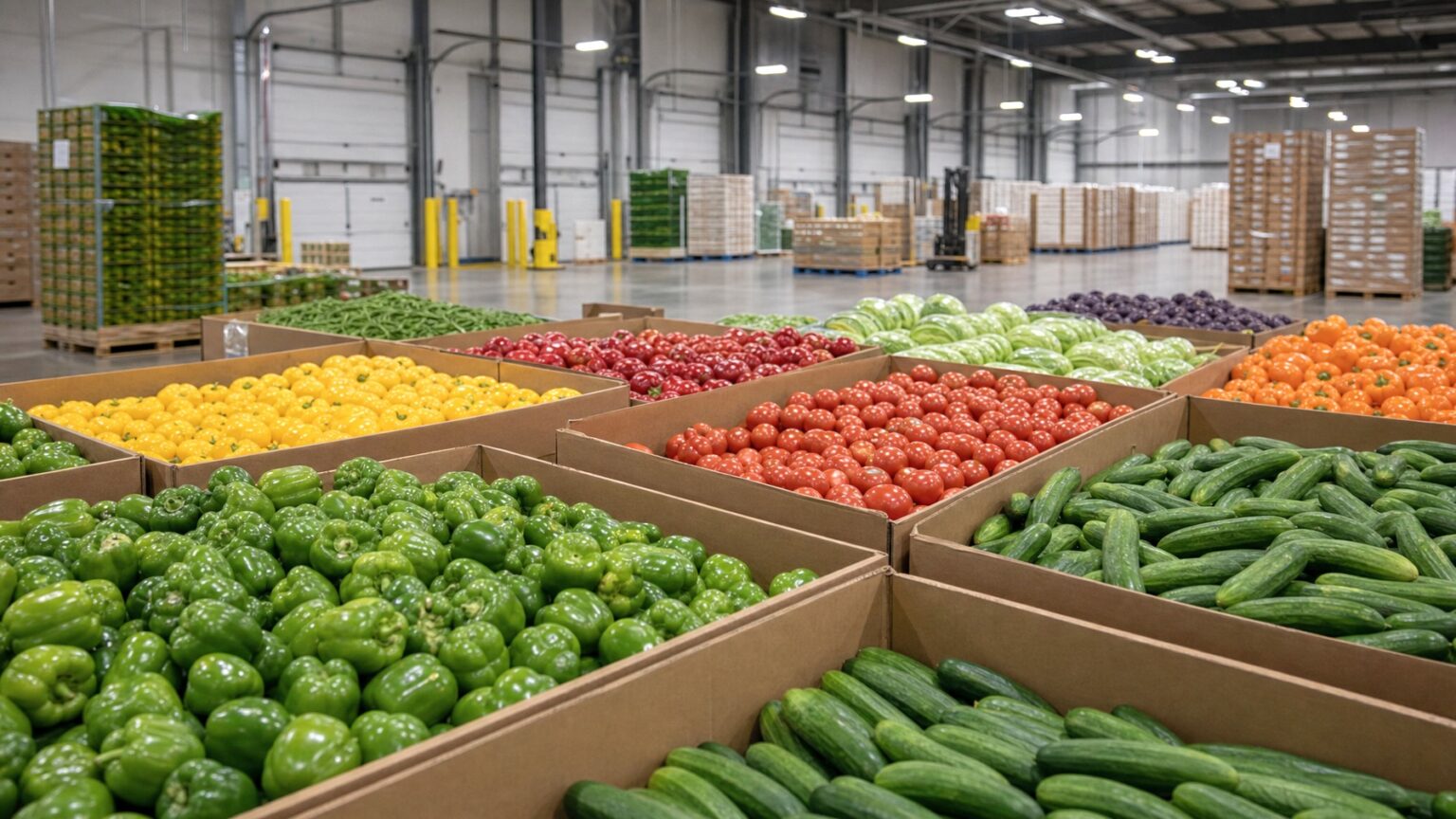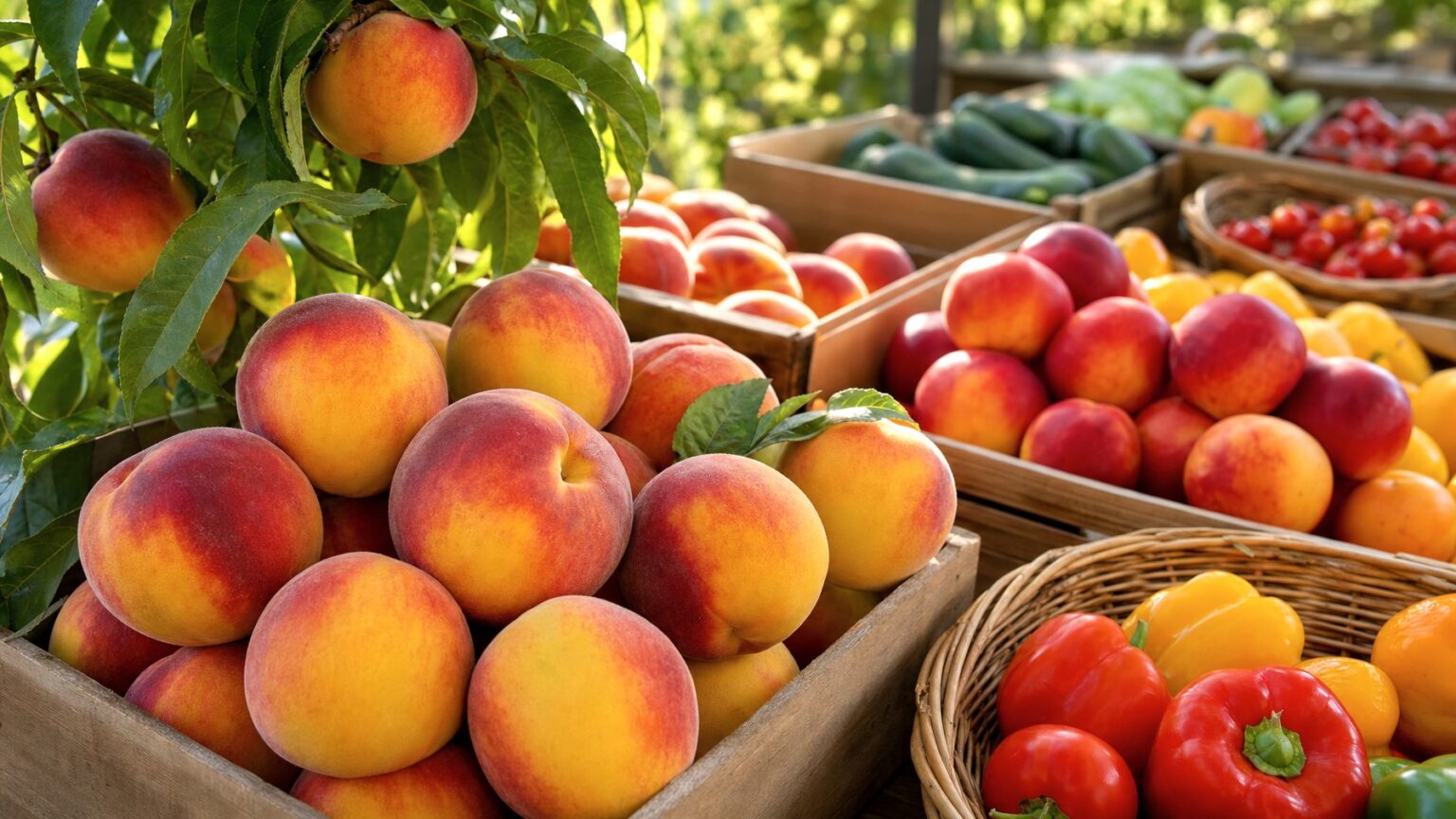
The European fresh produce sector is grappling with significant sustainability challenges as it approaches 2026, where operational economics take precedence over reputational narratives.
Yield stability, batch quality, and packaging costs are now critical variables that are reshaping the industry’s approach to sustainability.
At the upcoming FoodRevolution 2026 conference in Mestre, near Venice, from 11 to 13 May, the industry will address these pressing issues.
Soil health is a major concern, with the European Commission highlighting that 95 percent of EU food depends on soil, yet 60 to 70 percent of soils are in an unhealthy state, causing losses of nearly $58 billion annually.
The impact of climate change on the European produce sector is undeniable, as the continent remains the fastest-warming region globally.
- European produce sector faces increased sustainability challenges by 2026.
- Soil health issues threaten food supply and economic stability.
- Climate change causes significant direct financial losses for growers.
- Innovative technologies are being explored for improved crop resilience.
- EU’s packaging waste poses regulatory challenges and sustainability opportunities.
This has resulted in direct losses from extreme weather events, estimated at up to $58 billion from 2021 to 2024.
For growers, the challenge lies in preserving yields and reducing crop vulnerability while maintaining product quality.
Innovative solutions such as genomic agricultural technologies and biopesticides are being explored to enhance sustainability and crop resilience.
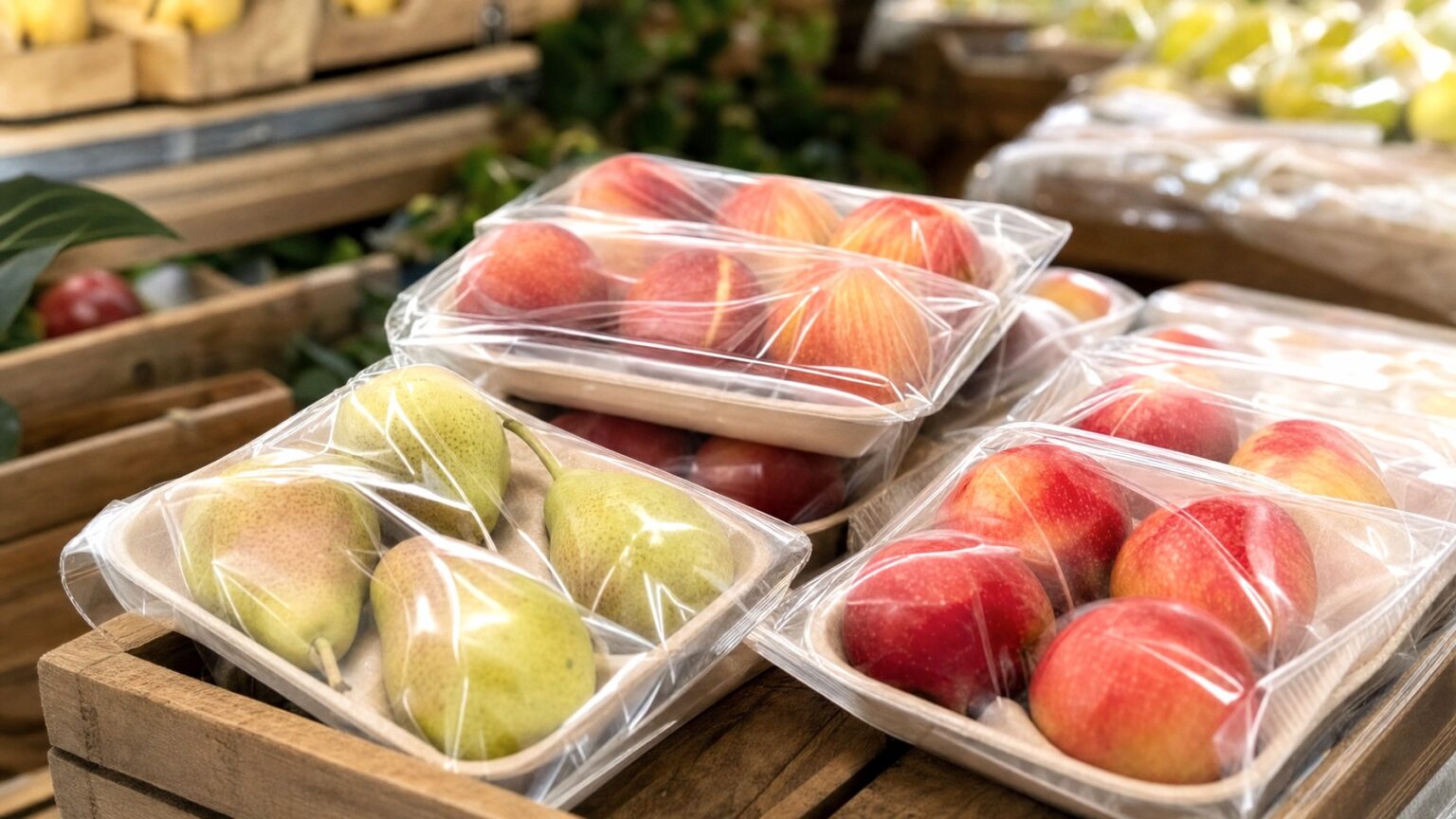
Packaging has emerged as a strategic component of sustainability, with the EU generating 79.7 million tonnes of packaging waste in 2023.
The new Packaging and Packaging Waste Regulation, effective from August 2026, underscores the importance of packaging in shelf life, food safety, and logistical efficiency.
Packaging decisions now directly impact food waste, as highlighted by Maurizio Paleologo, a biochemistry and food diagnostics specialist.
The focus on packaging aligns with the broader carbon agenda, as consumers and markets increasingly demand sustainability-minded practices.
The European Commission’s recent adoption of methodologies under the EU Carbon Removals and Carbon Farming regulation emphasizes the growing importance of carbon management.
However, the development of clear rules for assessing carbon farming remains a work in progress, with protocols expected later in 2026.
This regulatory landscape presents both challenges and opportunities for agrifood producers, as interest in carbon farming continues to outpace the establishment of unified guidelines.
As the European produce sector navigates these sustainability challenges, the focus remains on achieving operational efficiency while meeting market expectations.