In the competitive world of fresh produce, understanding consumer behavior is crucial for crafting effective marketing strategies.
As consumer preferences evolve, the fresh produce industry must adapt to meet new demands.
From sustainability to digital engagement, several key insights are redefining how produce is marketed.
This article explores seven consumer insights that are reshaping the landscape of fresh produce marketing.
By understanding these trends, industry professionals can better align their strategies with consumer expectations, ensuring they remain competitive in a rapidly changing market.
These insights are not just trends; they are pivotal shifts that require strategic responses.
Whether you’re a grower, retailer, or marketer, staying informed about these changes is essential for success.
1. Growing Demand for Sustainable Practices
Consumers are increasingly conscious of the environmental impact of their food choices.
This is driving a demand for sustainable practices in the fresh produce industry.
Shoppers are looking for transparency regarding sourcing and production methods.
Retailers and producers can capitalize on this trend by implementing and promoting sustainable practices.
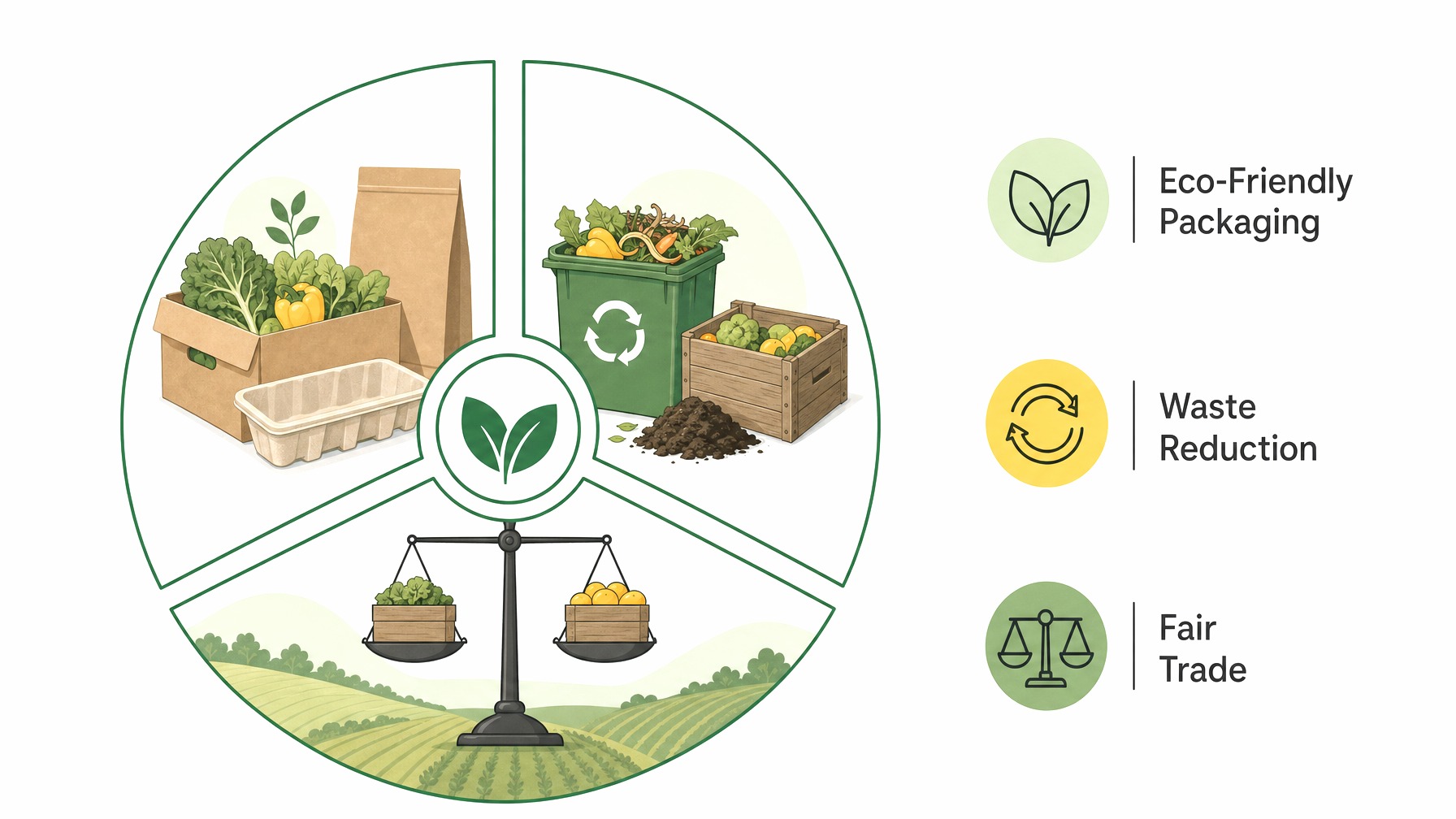
This can include reducing waste, using eco-friendly packaging, and supporting fair trade and organic farming.
- Eco-friendly packaging
- Reduced waste initiatives
- Fair trade and organic certifications
By highlighting these efforts, companies can connect with environmentally conscious consumers.
Adapting to this demand not only benefits the environment but also enhances brand reputation and loyalty.
2. The Rise of Health-Conscious Eating
Health-conscious eating is no longer a niche market.
Consumers are prioritizing fresh produce as part of a healthy diet.
This trend is driven by increased awareness of the health benefits of fruits and vegetables.
Marketers should focus on the nutritional value and health benefits of their products.
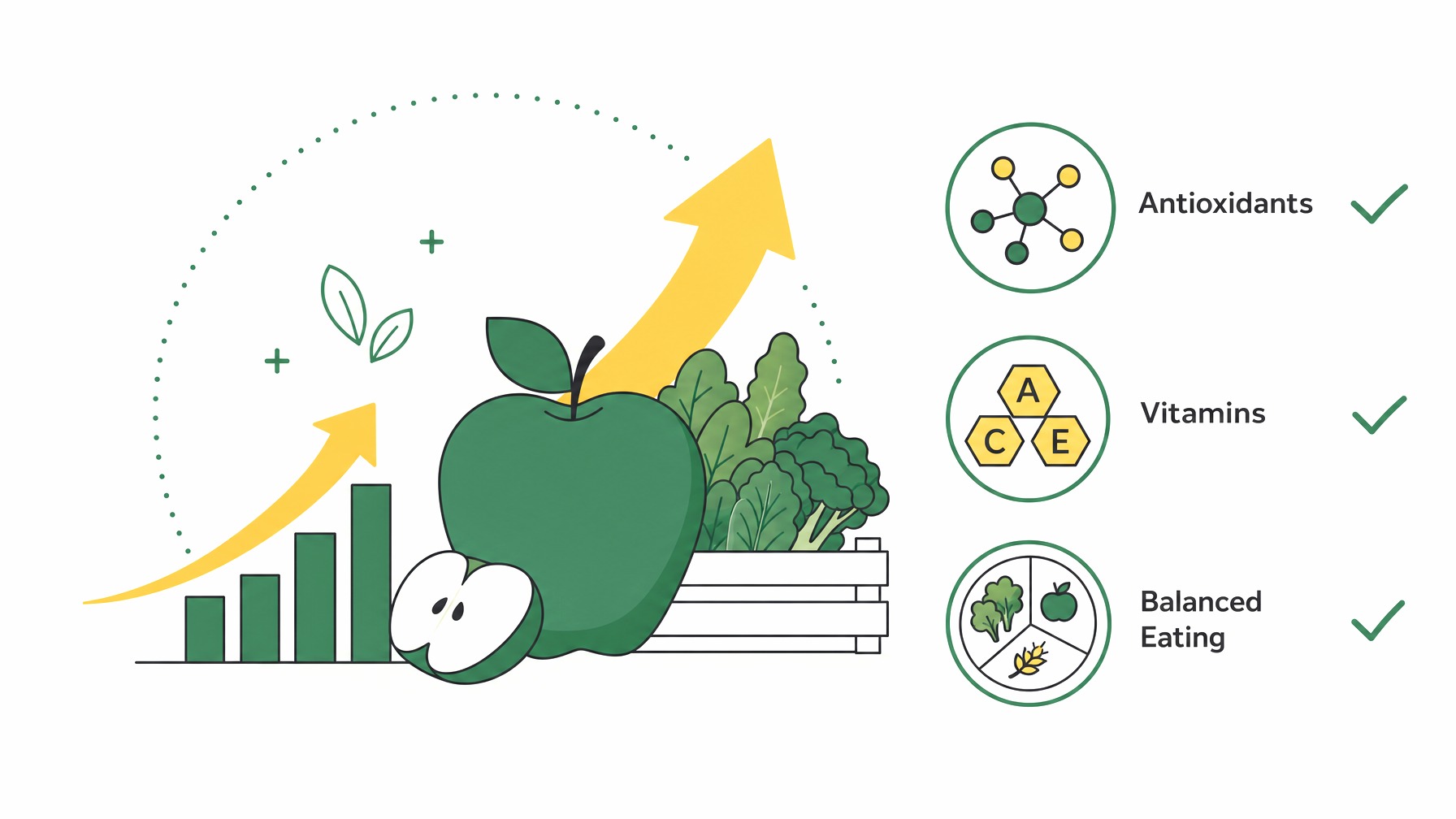
Highlighting antioxidants, vitamins, and other health benefits can attract health-focused consumers.
- Nutritional information
- Health benefit claims
- Dietary guidelines
Providing clear and accessible nutritional information can help consumers make informed choices.
Brands that align with this health trend can position themselves as leaders in the market.
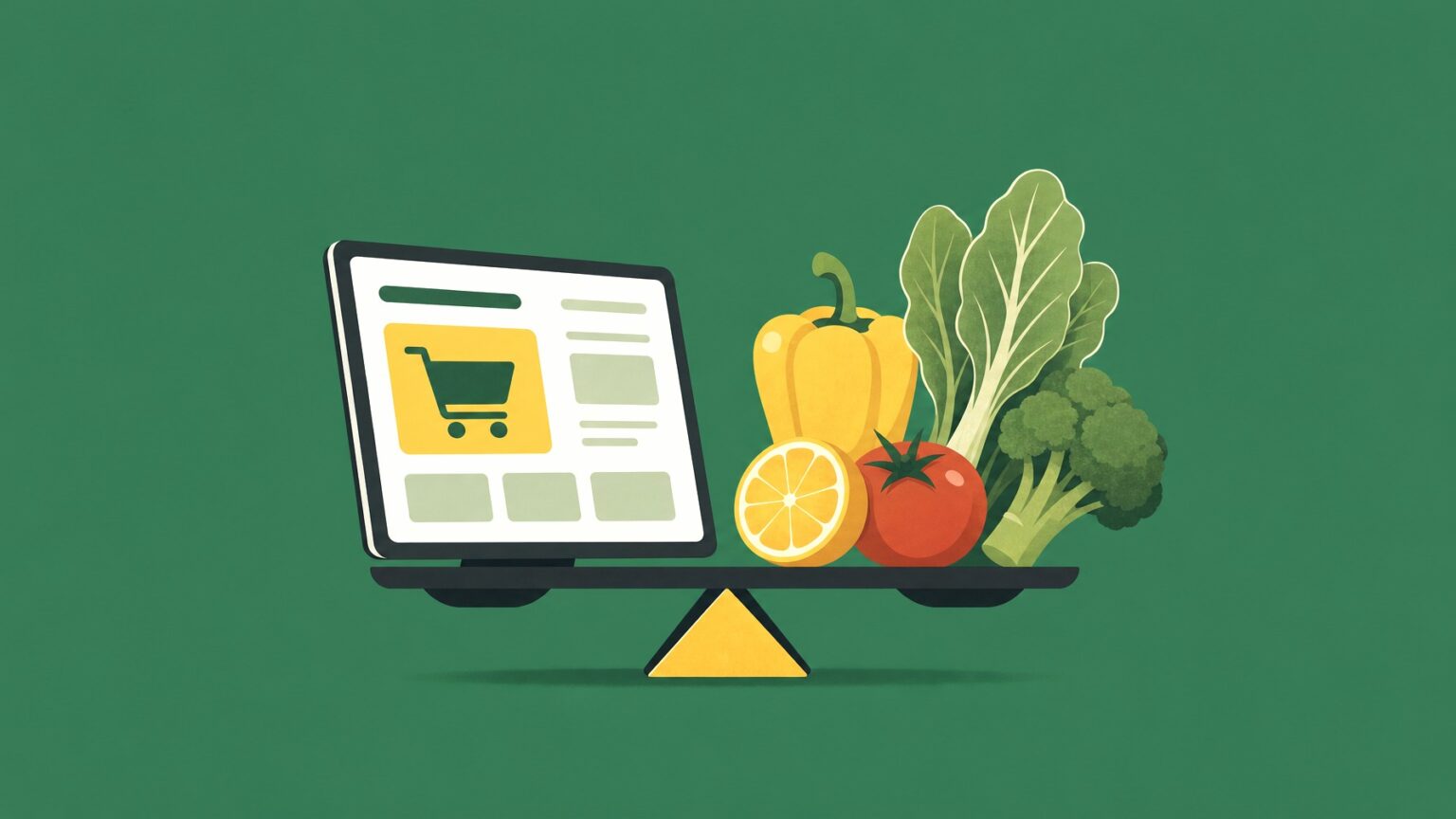
3. Digital Engagement and E-commerce
The digital transformation has changed how consumers shop for fresh produce.
Online grocery shopping and digital engagement are becoming increasingly popular.
Consumers expect a seamless online shopping experience with easy access to product information.
Produce marketers should invest in digital platforms and e-commerce solutions.
This includes optimizing mobile experiences and leveraging social media for engagement.
- Mobile-optimized websites
- Social media campaigns
- Online grocery platforms
By embracing digital tools, companies can reach a broader audience and enhance customer engagement.
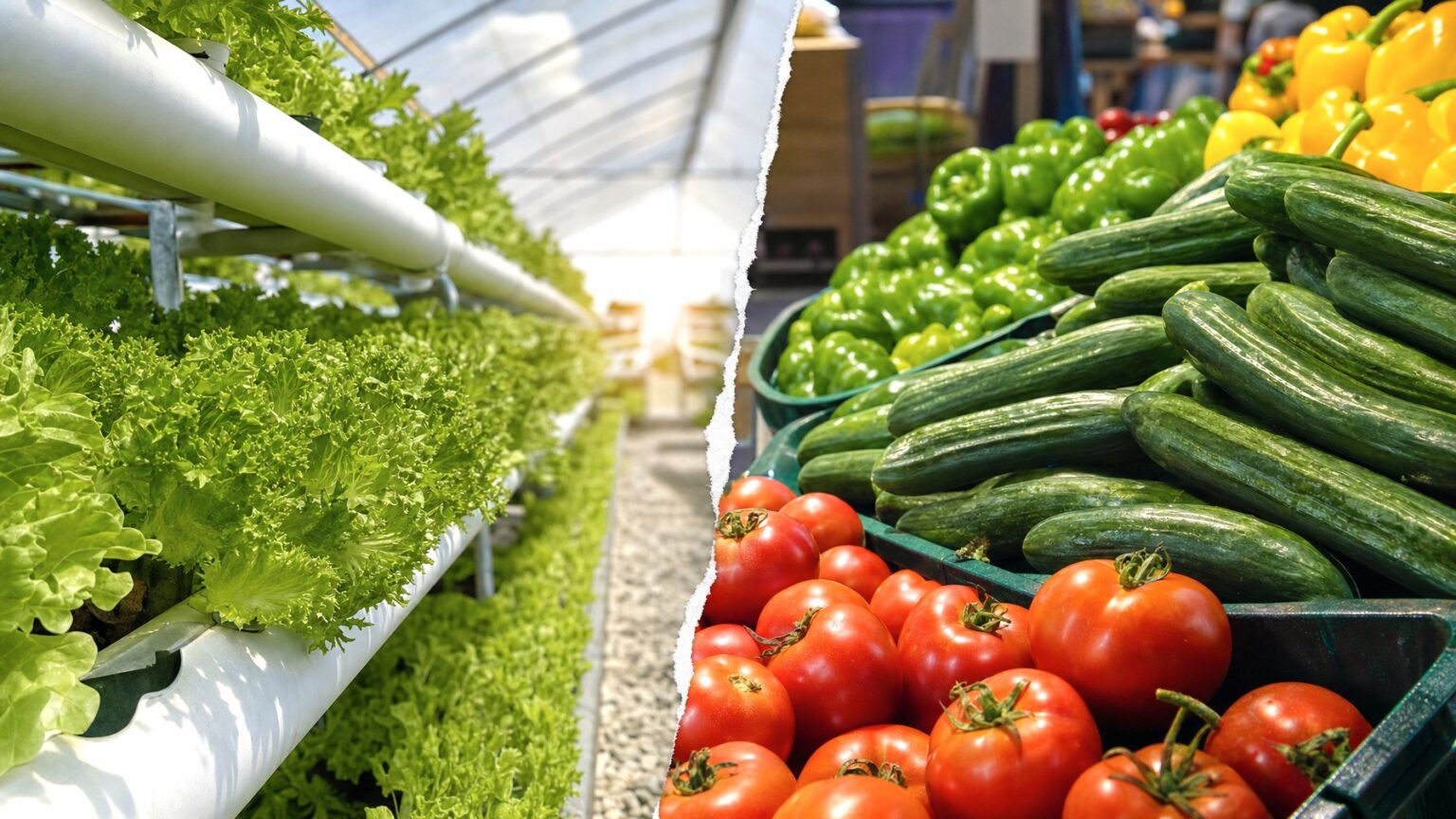
4. Local Sourcing and Community Support
Local sourcing is gaining traction as consumers show preference for locally grown produce.
This trend is rooted in a desire to support local economies and reduce carbon footprints.
Producers and retailers can highlight their local partnerships and emphasize community support.
This approach can enhance trust and loyalty among consumers.
- Local partnership promotions
- Community support initiatives
- Storytelling about local growers
Building strong local networks can differentiate brands in the market.
Emphasizing these connections can attract consumers who value local sourcing.
5. Convenience in Fresh Produce
Convenience remains a top priority for consumers.
The demand for ready-to-eat, pre-packaged, and fresh-cut produce is on the rise.
Busy lifestyles drive this trend, with consumers seeking quick and easy meal solutions.
Producers and retailers can meet this demand by offering a variety of convenient options.
This includes pre-cut vegetables, salad kits, and single-serving packages.
- Pre-packaged salads
- Fresh-cut fruits
- Single-serving options
Ensuring quality and freshness in these products is key to satisfying consumer expectations.
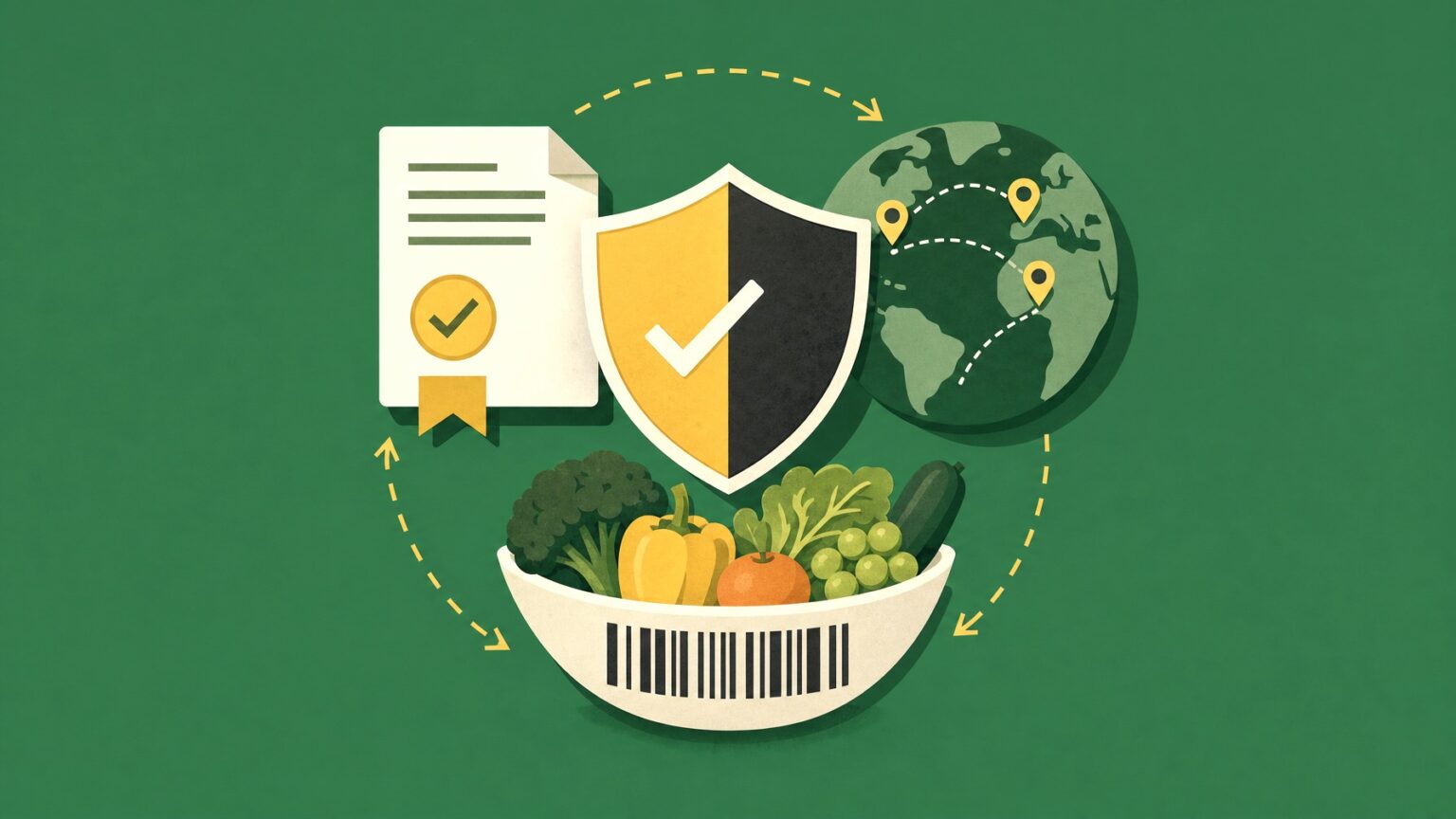
6. Ethical and Transparent Branding
Consumers are increasingly interested in the ethical practices of brands.
Transparency in sourcing, production, and labor practices is essential.
Shoppers want to know the story behind their food.
Brands can build trust by sharing their ethical practices and values.
This includes fair labor practices, humane treatment of workers, and sustainable sourcing.
- Fair labor certifications
- Transparency in sourcing
- Brand storytelling
Clear communication of these values can enhance consumer trust and brand loyalty.
7. Innovations in Packaging
Packaging innovations are meeting consumer demands for sustainability and convenience.
Biodegradable and recyclable packaging options are becoming more popular.
Producers can adopt eco-friendly packaging to appeal to environmentally conscious consumers.
Innovations such as resealable bags and easy-open containers add convenience.
- Biodegradable packaging
- Recyclable materials
- Resealable options
By prioritizing packaging innovations, brands can meet consumer expectations while reducing environmental impact.