As the conversation around food insecurity intensifies, a growing consensus emerges: fresh produce access must become a priority in addressing this crisis.
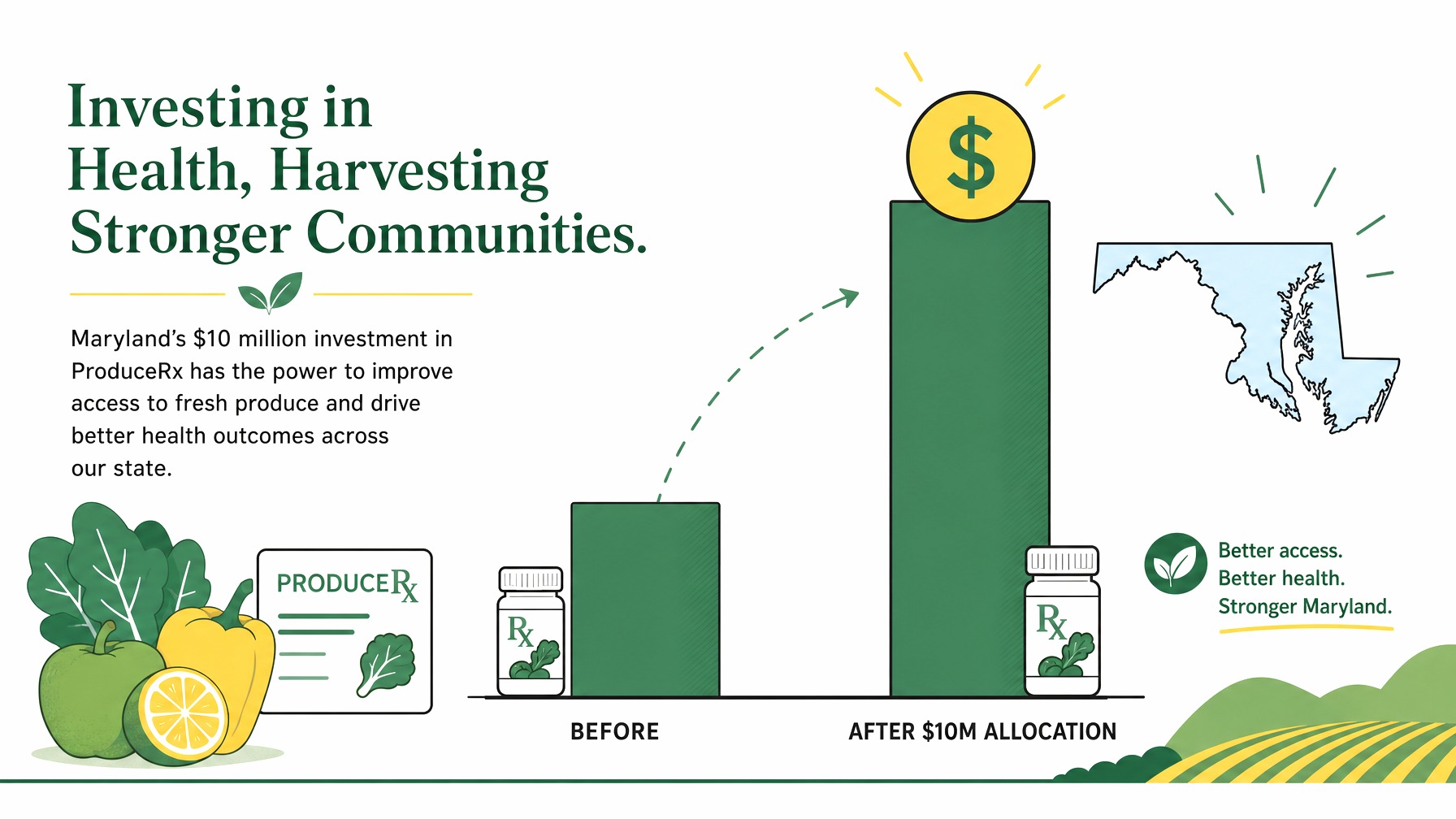
Recent initiatives highlight the momentum building in this area, with Maryland allocating a significant $10 million to ProduceRx grants.
This funding aims to boost fresh produce availability in high-poverty communities, a critical step in mitigating food deserts.
Similarly, the ‘Food Is Medicine Produce Fair’ in New Mexico exemplifies grassroots efforts to provide fresh produce to those in need, underscoring the role of local actions in national strategies.
Furthermore, the Farmer’s Market Nutrition Program in Central Illinois is making headway by enabling thousands of seniors to access fresh fruits and vegetables, proving the impact of targeted programs.
These actions collectively signal a necessary shift towards prioritizing fresh produce access in policy and funding decisions to effectively combat food insecurity.
Maryland’s Initiative Proves State-Level Impact
Maryland’s recent allocation of $10 million to ProduceRx grants is a landmark move in state-level intervention.
This funding is specifically targeted at increasing fresh produce access in the state’s high-poverty communities, addressing the chronic issue of food deserts.
ProduceRx is a prescription-based program that allows healthcare providers to prescribe fresh fruits and vegetables to patients.
This innovative approach not only addresses food insecurity but also integrates nutrition into healthcare.
The program’s funding will provide eligible residents with tangible access to produce, fostering healthier dietary habits.
- Increases fresh produce access
- Integrates food into healthcare prescriptions
- Addresses chronic food deserts
Maryland’s approach illustrates how state-level initiatives can significantly influence public health by prioritizing nutrition.
By leveraging healthcare systems, the state empowers communities with resources to combat both food insecurity and health issues.
This model could set a precedent for other states looking to blend health and nutritional policies effectively.
State governments have the unique ability to tailor these programs to their specific demographic needs, making initiatives like ProduceRx highly adaptable.
New Mexico’s Produce Fair as a Grassroots Model
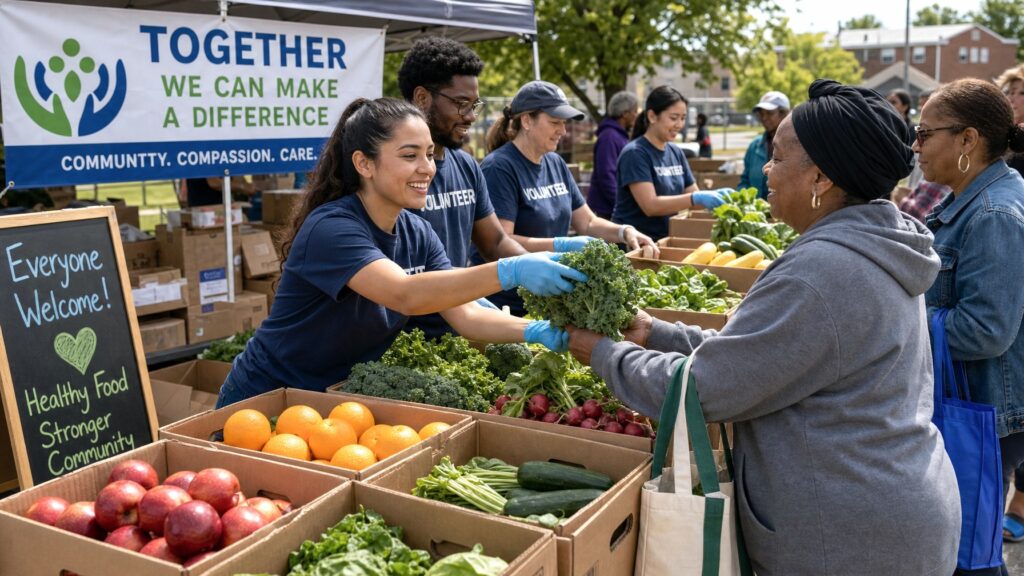
The ‘Food Is Medicine Produce Fair’ in New Mexico serves as a prime example of grassroots efforts making a tangible difference in food access.
Organized by the NAACP, UNM, and the New Mexico Department of Health, this event distributed fresh produce to local residents in need at Phil Chacon Park.
By collaborating with local farmers, the fair not only provided necessary nutrition but also supported regional agriculture.
This model demonstrates the power of community-driven initiatives in addressing food insecurity directly at the source.
Such events offer a replicable model for other regions facing similar challenges, proving that local action can complement broader policy measures.
- Collaborates with local farmers
- Supports regional agriculture
- Addresses food insecurity directly
New Mexico’s initiative underscores the importance of community involvement in solving food access issues.
The fair highlights the effectiveness of partnerships between public health entities and grassroots organizations in delivering resources efficiently.
Engagement with local communities ensures that initiatives are culturally relevant and tailored to specific regional needs.
This approach also fosters a sense of ownership among community members, encouraging sustained participation and support.
Farmers’ Markets Elevate Senior Nutrition in Illinois
The Farmer’s Market Nutrition Program in Central Illinois is a testament to the efficacy of targeted interventions in increasing produce access among vulnerable populations.
This program specifically aids seniors, a demographic often at risk of food insecurity due to fixed incomes and mobility issues.
By providing vouchers that can be redeemed for fresh produce at local farmers’ markets, the program enhances both dietary health and local economies.
The program is a collaborative effort involving multiple stakeholders, including local governments and agricultural agencies.
Such partnerships are crucial in ensuring the sustainability and reach of these initiatives.
- Aids seniors with fresh produce access
- Supports local farmers and markets
- Enhances dietary health
The success in Illinois highlights how targeted programs can have substantial impacts on food access for at-risk groups.
These programs also stimulate economic activity by increasing patronage at local markets.
Furthermore, they provide a platform for inter-generational engagement, where younger volunteers assist seniors, fostering community ties.
Illinois’ approach can serve as a blueprint for other states aiming to improve senior nutrition through community-oriented strategies.
Community Gardens Transform Urban Food Landscapes
Community gardens are emerging as vital tools in transforming urban food landscapes, providing fresh produce directly to underserved areas.
In Grand Island, a community garden initiative led by Trinity United Methodist Church has turned unused land into a thriving source of fresh produce.
Such gardens empower residents by allowing them to engage directly with food production, fostering a sense of ownership and community.
They also serve as educational hubs, teaching participants about sustainable agriculture and nutrition.
These gardens are a practical solution to urban food deserts, offering fresh produce where grocery stores often fail to reach.
- Transforms unused land into productive spaces
- Empowers community through engagement
- Serves as educational hubs
Community gardens highlight the potential for grassroots initiatives to reshape food access in urban areas.
They also promote biodiversity and environmental stewardship within cities, transforming urban spaces into green sanctuaries.
By involving local schools, these gardens become centers for hands-on learning and environmental education.
Such projects encourage collaborative efforts among residents, local governments, and nonprofits, enhancing their impact and sustainability.
Urban Agriculture Innovations Are Necessary
Urban agriculture innovations are becoming increasingly essential in addressing food insecurity and providing fresh produce in densely populated areas.
Vertical farming, for instance, offers a space-efficient method to grow produce in urban settings, maximizing yield in limited areas.
Hydroponics and aeroponics are revolutionizing how cities approach agriculture, allowing crops to be grown without soil and with minimal water usage.
These technologies can significantly reduce the carbon footprint associated with transporting produce from rural farms to city centers.
Urban agriculture initiatives can also stimulate local economies by creating jobs and supporting local food businesses.
- Maximizes yield in limited spaces
- Reduces carbon footprint of transportation
- Creates jobs and supports local economies
These innovations demonstrate that modern agricultural techniques are crucial in transforming urban food supply chains.
They also offer resilience against climate change by enabling year-round food production independent of weather conditions.
Urban agriculture can also enhance food quality and security by reducing dependency on long supply chains.
Such innovations necessitate investment in technology and infrastructure, ensuring cities are prepared to meet future food demands sustainably.
School-Based Produce Programs as Educational Models
Schools play a pivotal role in shaping dietary habits through innovative produce programs that integrate education with nutrition.
Initiatives like school gardens and farm-to-school programs have shown success in improving students’ understanding of food sources.
By incorporating fresh produce into school meals, these programs address food insecurity among children, a critical demographic.
They also provide a hands-on learning experience, teaching students about agriculture, sustainability, and healthy eating habits.
These programs can significantly influence lifelong dietary preferences, promoting healthier communities overall.
- Enhances student knowledge of food sources
- Incorporates fresh produce in school meals
- Teaches sustainability and healthy eating
School-based initiatives ensure that children receive consistent access to nutritious foods, reducing reliance on less healthy options.
They also engage parents and local communities, creating a holistic approach to food education and access.
These programs are adaptable to various environments, from urban centers to rural areas, making them a versatile tool in combating food insecurity.
Investing in school-based produce programs is crucial for fostering a new generation informed about and engaged in sustainable food practices.
Federal Support Must Amplify Local Efforts
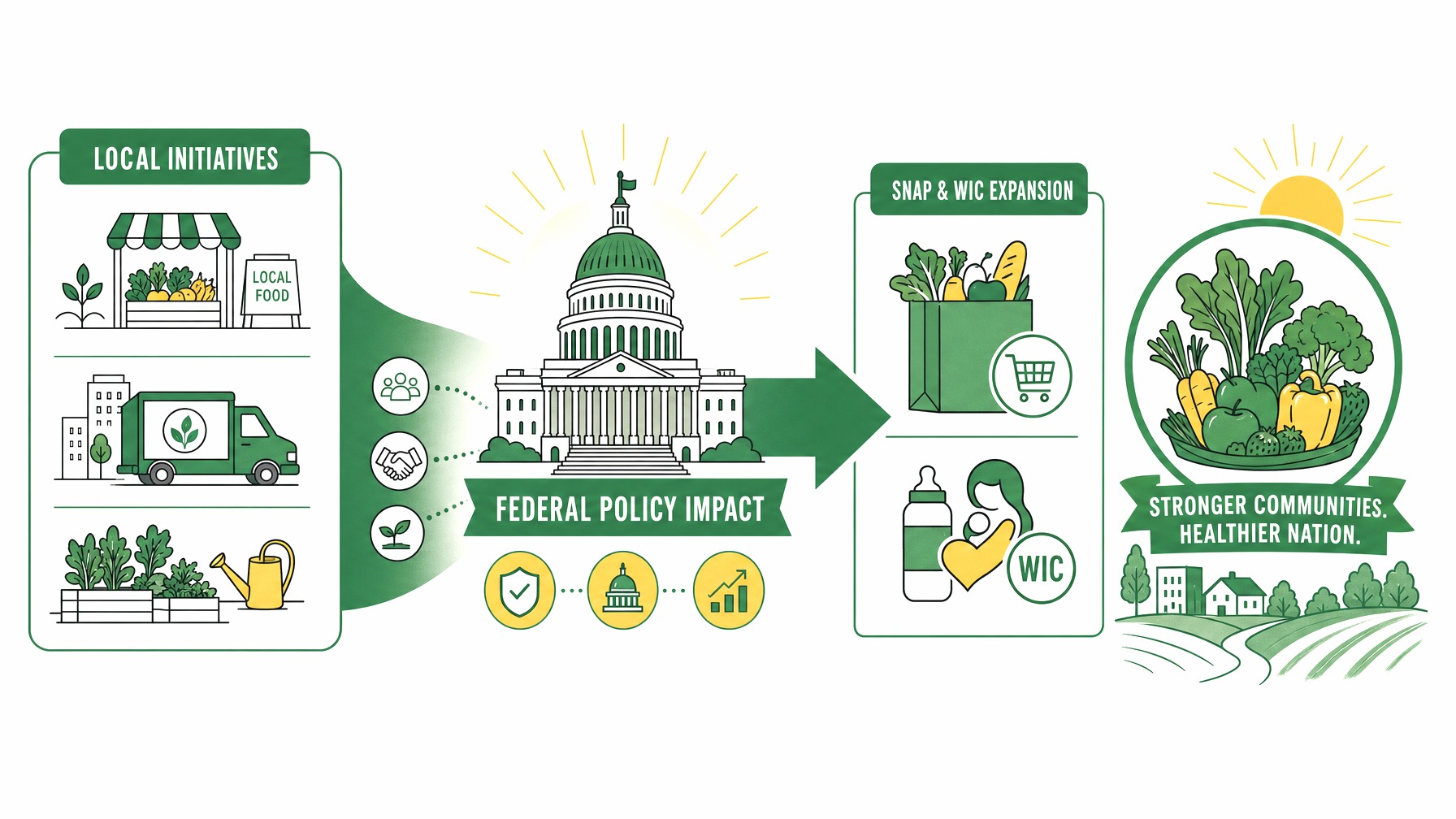
While state and local initiatives show promise, federal support is crucial to amplifying these efforts and ensuring nationwide impact.
Current programs like the SNAP and WIC benefits should be expanded to include more fresh produce options, aligning nutritional assistance with health outcomes.
The federal government has the unique capacity to set standards and direct resources at a scale that local efforts cannot match alone.
By prioritizing fresh produce in national food policy, the government can significantly influence dietary habits and public health outcomes across the country.
Federal investment in infrastructure, subsidies, and educational programs around fresh produce access could transform the national landscape.
Investing in Fresh Produce is a Moral Imperative
It is imperative that government initiatives prioritize funding and support for fresh produce access in underserved communities.
Addressing food insecurity requires a multifaceted approach, where fresh produce plays a central role.
The examples from Maryland, New Mexico, and Illinois demonstrate effective strategies that can be scaled and replicated elsewhere.
Federal, state, and local governments must work in tandem, creating policies and programs that ensure all communities have access to healthy food options.
Investing in fresh produce access is not just a matter of health, but a necessary step toward social equity and justice.