The plant-based revolution is reshaping the produce industry, driven by an increasing consumer demand for healthier and more sustainable options.
This shift is not just a fleeting trend but a substantial movement with deep-rooted consumer insights.
Understanding these insights is crucial for produce executives, growers, shippers, and retailers looking to stay ahead in the market.
As more consumers pivot towards plant-based diets, produce professionals must be aware of the underlying factors propelling this change.
From health and wellness to ethical considerations, the motivations are diverse and significant.
This article delves into eight key consumer insights driving the rise of plant-based produce choices.
The following sections will explore these insights, offering practical strategies for industry stakeholders to align with consumer expectations.
By leveraging these insights, produce businesses can enhance their offerings and strengthen their market position.
1. Health and Wellness Priorities
Consumers are increasingly prioritizing health and wellness, leading to a surge in plant-based produce consumption.
This shift is driven by a growing awareness of the health benefits associated with plant-rich diets.
Fruits and vegetables are rich in essential nutrients, antioxidants, and fibers, making them integral to a balanced diet.
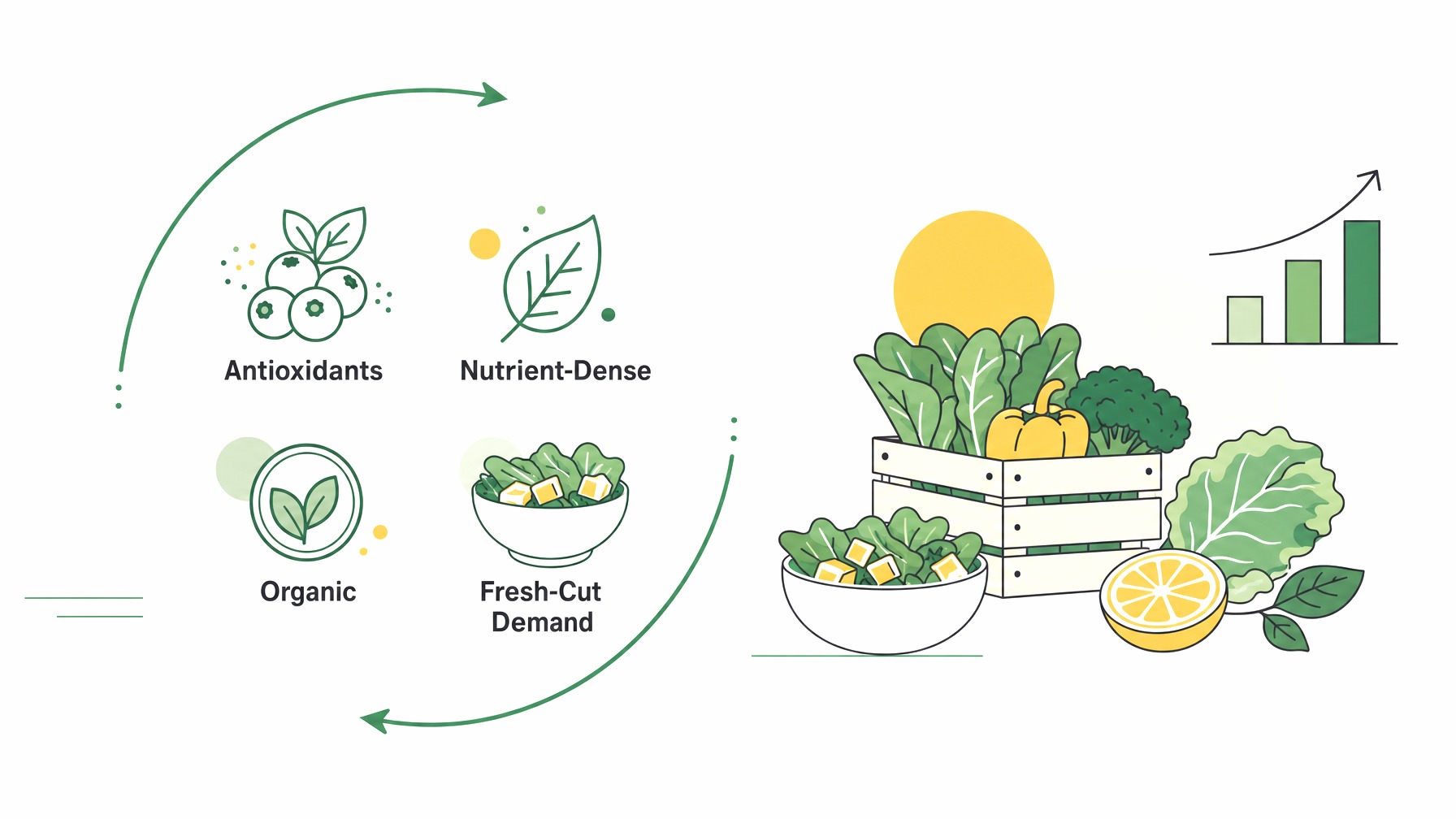
As health concerns rise, consumers are opting for produce that supports their well-being.
- Increased demand for nutrient-dense fruits
- Preference for organic and non-GMO options
- Interest in fresh-cut and ready-to-eat produce
Produce professionals can capitalize on this trend by emphasizing the health benefits of their offerings in marketing and educational initiatives.
2. Environmental Sustainability Concerns
Environmental sustainability is a significant factor driving the plant-based movement.
Consumers are becoming more environmentally conscious, seeking to reduce their carbon footprint through their dietary choices.
Plant-based diets are generally associated with lower greenhouse gas emissions and resource usage compared to meat-based diets.
This environmental advantage is appealing to eco-conscious consumers.
- Emphasis on sustainable farming practices
- Interest in locally sourced produce
- Demand for minimal packaging and waste
Producers can meet this demand by adopting sustainable practices and communicating these efforts to consumers effectively.
3. Ethical and Animal Welfare Considerations
Ethical considerations and animal welfare concerns are increasingly influencing consumer choices.
Many consumers are turning to plant-based produce as a way to avoid supporting industries that they perceive as harmful to animals.
This shift is particularly evident among younger generations who are more vocal about their ethical stances and more likely to support brands that align with their values.
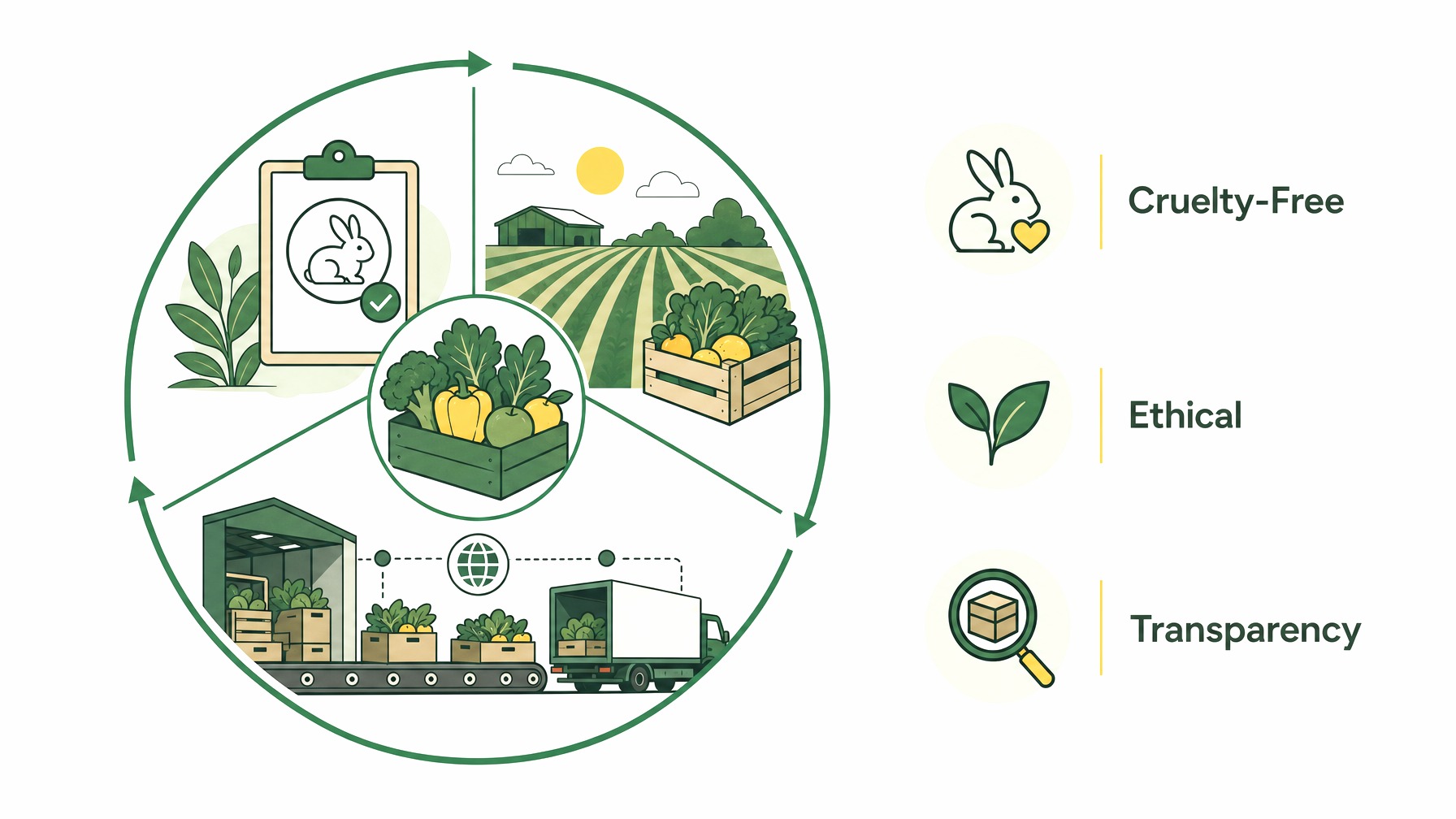
- Interest in cruelty-free certifications
- Support for brands with ethical sourcing
- Preference for transparency in supply chains
Aligning marketing strategies with ethical considerations can enhance brand loyalty and attract ethically-minded consumers.
4. Cultural Influences and Globalization
Cultural influences and globalization are expanding consumer palates, leading to a greater acceptance and demand for a variety of plant-based produce.
Diverse cuisines that emphasize fruits and vegetables are becoming mainstream.
This cultural shift is opening up new opportunities for exotic and lesser-known produce varieties to enter the market, appealing to adventurous eaters.
- Rising popularity of Asian and Mediterranean cuisines
- Interest in traditional and heirloom produce
- Exploration of novel produce options
Produce professionals can tap into this trend by diversifying their product lines to include culturally significant produce.
5. Economic Considerations and Cost Efficiency
Economic considerations are playing a role in the rise of plant-based diets.
As meat prices fluctuate, plant-based produce often presents a more cost-effective option for budget-conscious consumers.
The perceived value of plant-based options is enhanced by their versatility and ability to serve as a staple in various meals.
- Cost savings associated with plant-based diets
- Value perception of versatile produce
- Potential for home meal preparation
Retailers can appeal to budget-savvy consumers by highlighting the cost benefits of plant-based produce selections.
6. Technological Advancements in Produce Innovation
Technological advancements in produce cultivation and processing are contributing to the appeal of plant-based options.
Innovations in greenhouse technology and vertical farming are enabling year-round production of fresh produce.
These advancements ensure consistent quality and availability, meeting consumer expectations for fresh and reliable options.
- Year-round availability of fresh produce
- Enhanced quality through controlled environments
- Reduction in supply chain disruptions
Embracing technology can enhance operational efficiency and product quality, benefiting both producers and consumers.
7. Social Media and Influencer Impact
Social media and influencers play a crucial role in shaping consumer perceptions and trends.
The visibility of plant-based diets on these platforms is significantly influencing consumer choices.
Influencers advocate for plant-based lifestyles, showcasing recipes and benefits that resonate with their followers.
- Increased exposure to plant-based recipes
- Influencer endorsements of produce brands
- Engagement with plant-based community trends
Harnessing the power of social media can amplify brand messaging and connect with a broader audience.
8. Personalization and Customization Preferences
Consumers increasingly seek personalization in their dietary choices, driving the rise of customizable plant-based options.
Personalized nutrition aligns with the unique dietary needs and preferences of individuals.
Plant-based produce offers versatility, allowing consumers to tailor their meals to suit their tastes and health goals.
- Demand for personalized meal plans
- Interest in customized produce packages
- Preference for individually tailored nutrition solutions
Offering customizable produce solutions can enhance consumer satisfaction and foster brand loyalty.