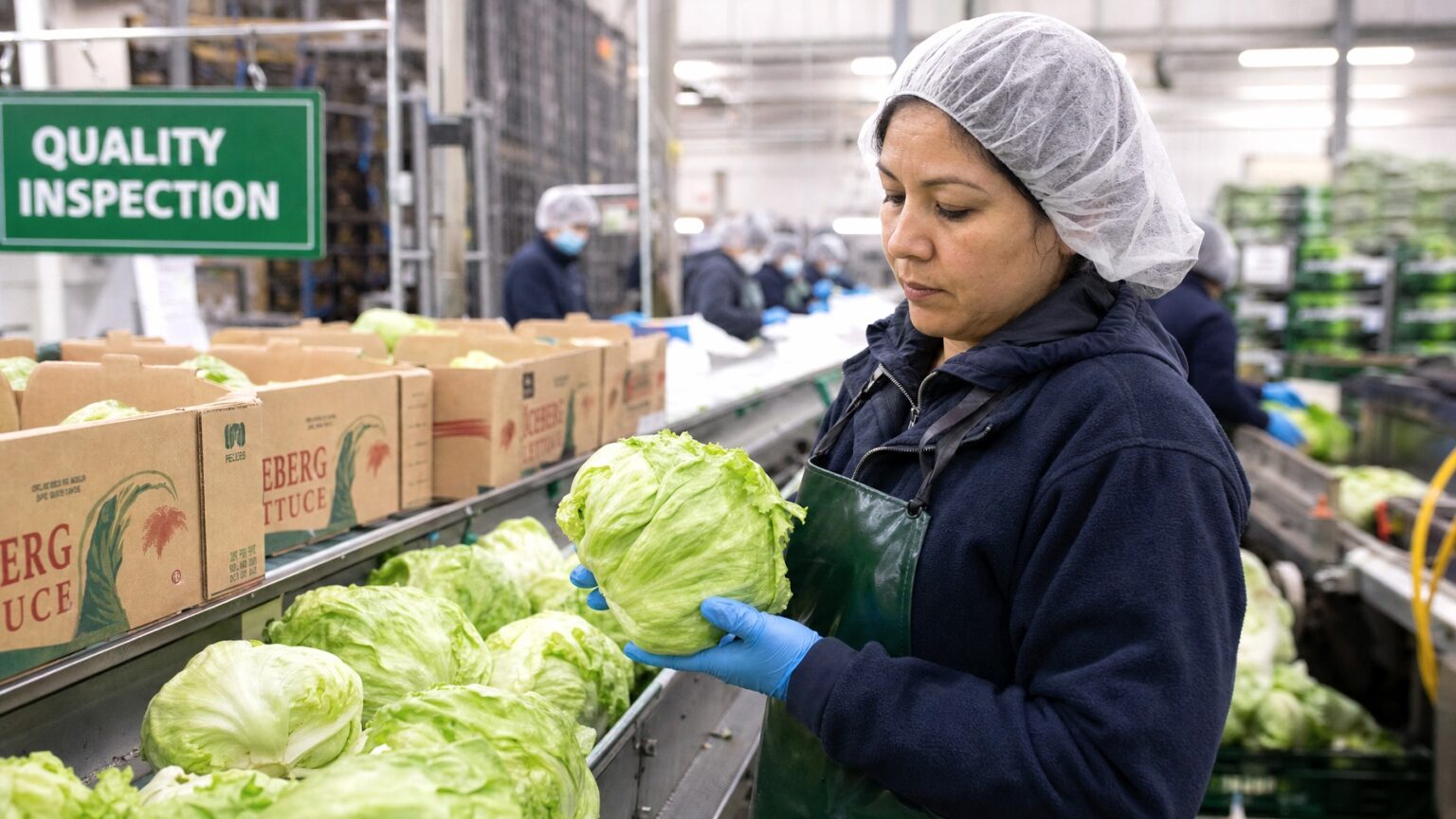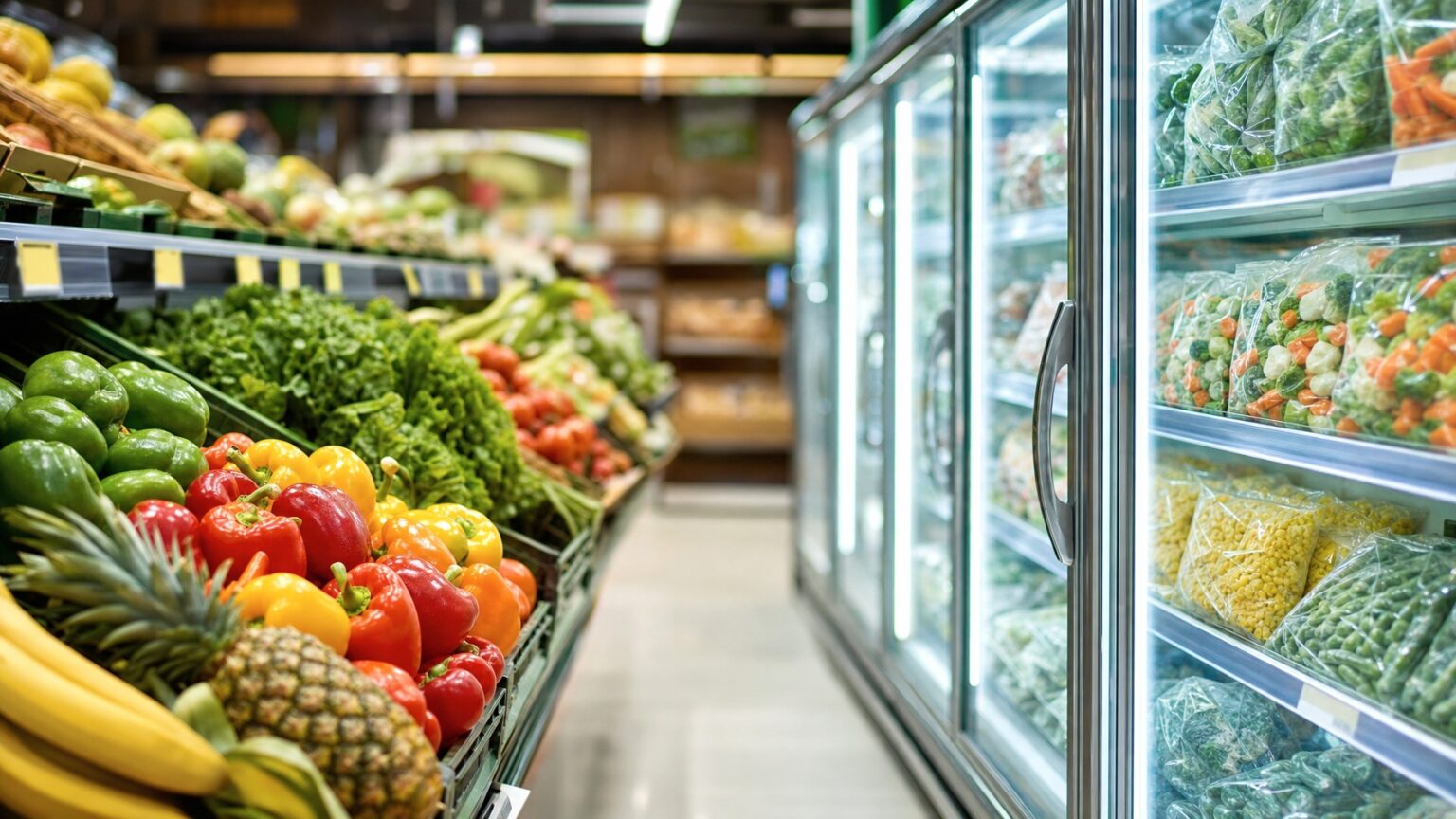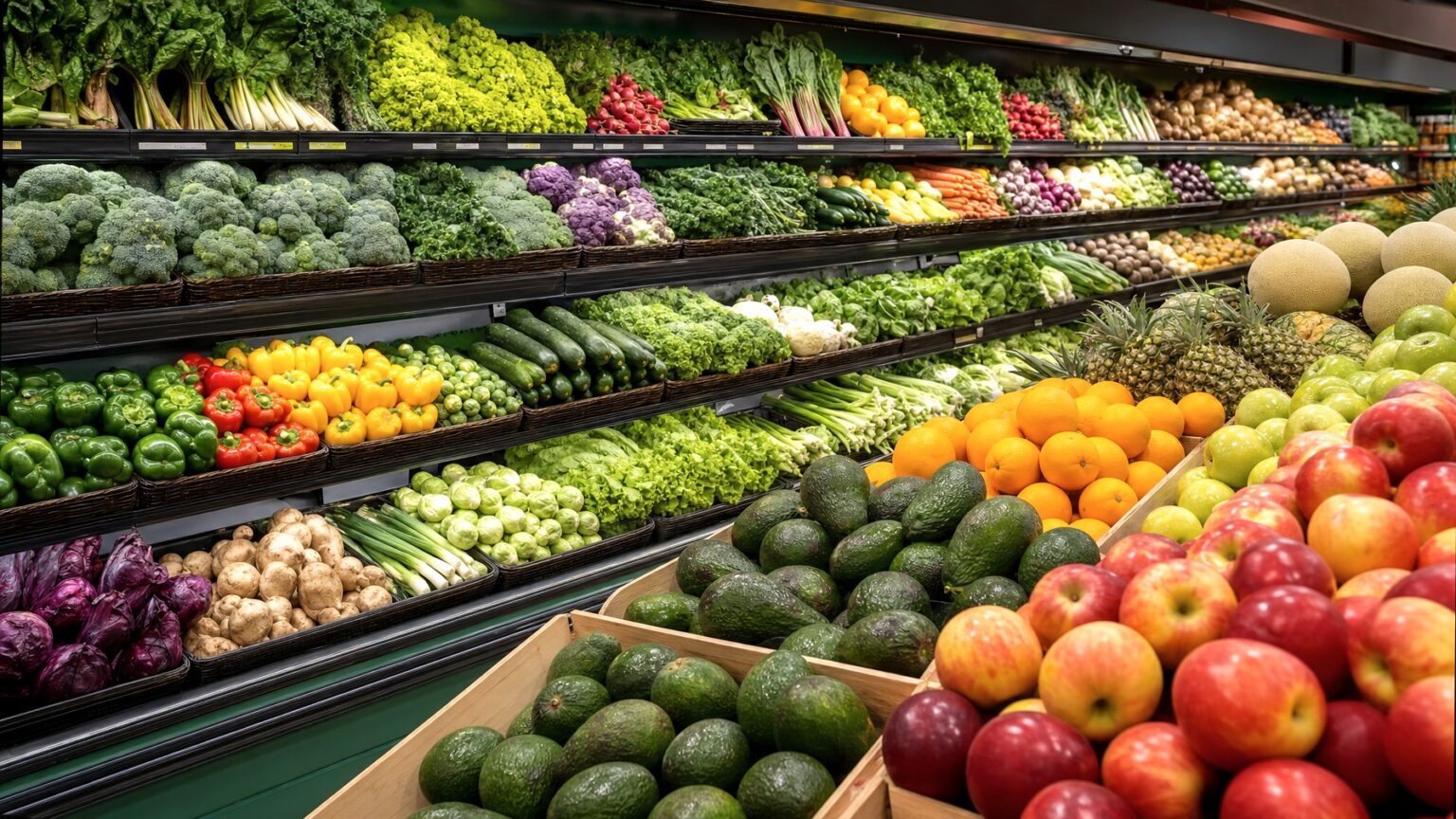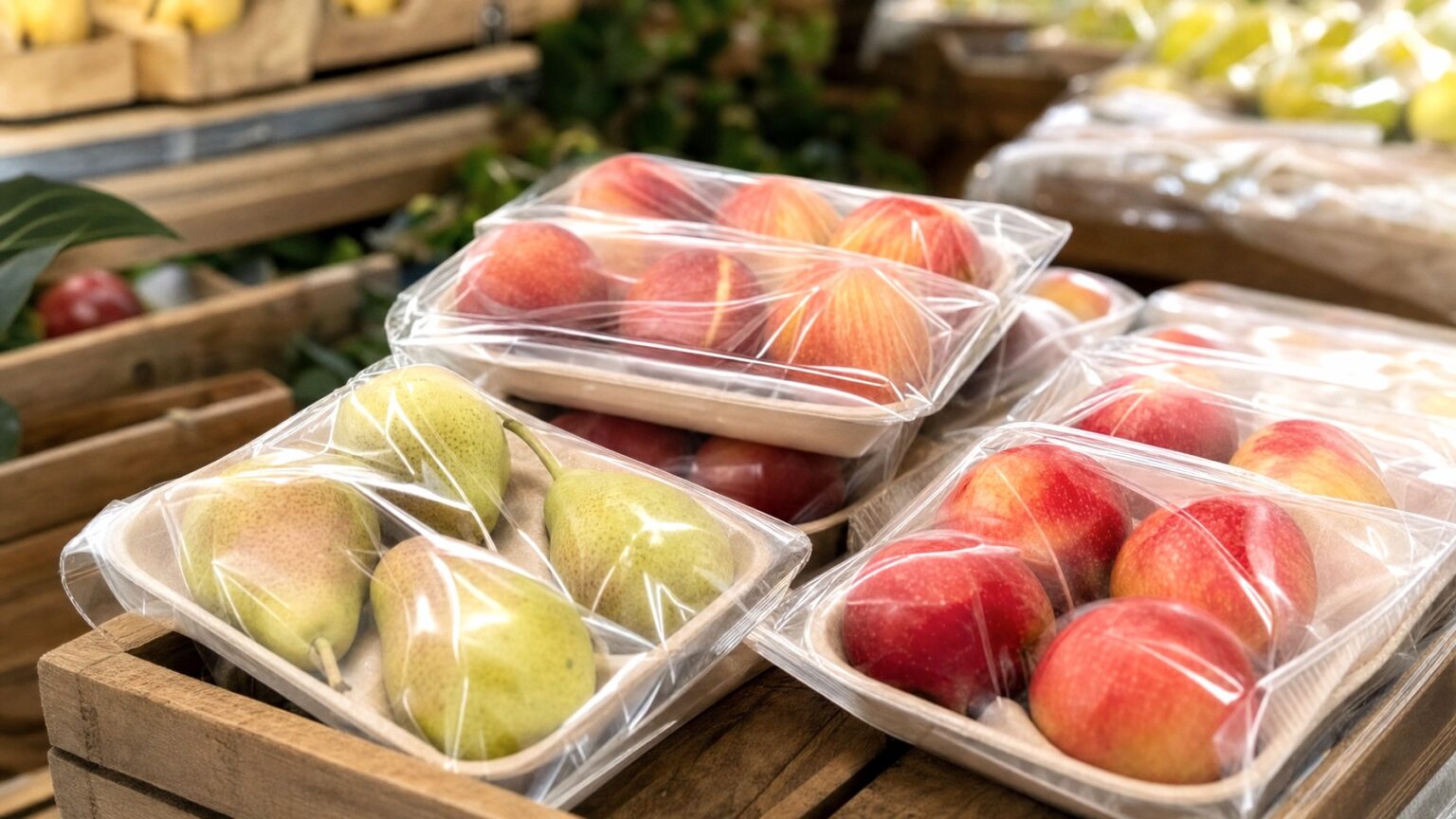
The global fresh-cut produce market is poised for a significant expansion by 2034, marking a transformative shift from being a niche convenience offering to becoming a primary pillar of the global fruit and vegetable supply chain.
According to marketing insight firm DataIntelo, the market, valued at $142.6 billion in 2025, is expected to grow at a robust CAGR of 5.5 percent, reaching an estimated $231 billion by 2034.
This expansion is driven by distinct regional factors across the United States, Asia, and Latin America, where consumer demand for “ready-to-eat” formats is evolving beyond basic slicing towards advanced post-harvest technologies that enhance quality and extend shelf life.
In the United States, the fresh-cut produce market maintains its leadership, accounting for nearly 37 percent of the global market revenue in 2025.
This dominance is supported by a sophisticated cold-chain infrastructure and high consumer adoption rates.
- Fresh-cut produce market expected to reach $231 billion by 2034.
- North America leads with 37% of global market revenue in 2025.
- Consumer demand is shifting toward advanced post-harvest technologies.
- Latin America shows strong growth potential in fruit exports.
- Investments in UV-C light technology enhance quality and shelf life.
However, the market is witnessing a shift towards value-added growth, particularly in segments like fruit-and-yogurt parfaits and meal kits.
The trend of “Fruit as the main” is gaining traction, with fresh-cut fruit holding a 38 percent market share in North America’s value-added produce segment.
Retailers are increasingly investing in localized, high-tech greenhouses to ensure freshness and support sustainability claims, aligning with the think-global-buy-local trend.
Asia, particularly China, is emerging as the fastest-growing market, with China experiencing a 6.2 percent compound growth rate.
By 2034, China is expected to command nearly 45 percent of the Asia Pacific market, driven by the rapid adoption of e-commerce grocery platforms like Meituan, JD.com, and Alibaba’s Hema.
These platforms have revolutionized the sector with same-day delivery of fresh-cut items.
In urban centers such as Singapore, Tokyo, and Shanghai, there is a surging demand for pre-washed, portion-controlled leafy greens, reflecting a strong culture of convenience and willingness to pay for quality.
In Latin America, the fresh-cut produce market is transitioning from being a “raw commodity exporter” to a leader in value-added and processed produce.
The region, accounting for over 30 percent of the global net food trade surplus, is led by countries like Mexico, Peru, and Brazil.
Brazil’s fruit export volumes rose by 29 percent in 2023, showcasing strong international trade potential.
The industry is heavily investing in emerging post-harvest technologies such as UV-C light and high-pressure homogenization, which allow exporters to ship fresh-cut pulp and slices while preserving quality.
This strategic focus positions Latin America as a key player in the future of the global fresh-cut produce market.