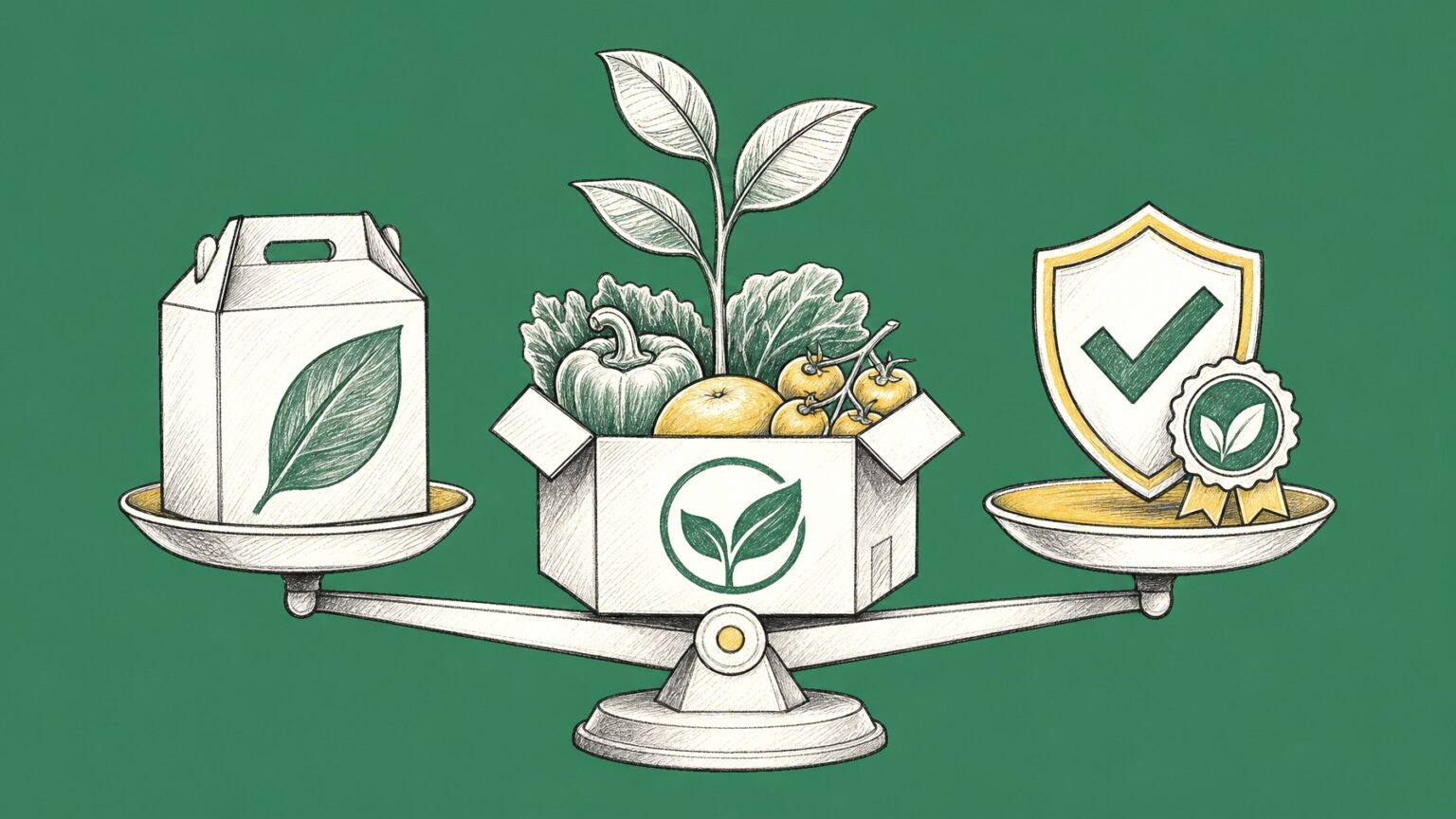

The organic produce market continues to evolve, driven by changing consumer preferences and regulatory landscapes.
For produce executives and industry professionals, staying abreast of new policies is crucial for strategic planning.
Emerging policies not only affect the immediate business environment but also shape long-term market dynamics.
Understanding these policies can help growers, shippers, and retailers navigate both challenges and opportunities.
With organic products gaining popularity, it’s essential to comprehend how policy decisions can influence supply chains, pricing, and market access.
This article explores six key policies that are currently reshaping the organic produce market.
From labeling standards to international trade agreements, these developments are central to future growth and sustainability in the sector.
1. New Organic Labeling Standards
As consumer demand for organic products rises, so too does the need for clear and consistent labeling standards.
Recent policy changes aim to enhance transparency and consumer trust.
These standards ensure that products labeled as organic meet specific criteria, reducing confusion in the marketplace.
For growers and shippers, adhering to these labeling standards is crucial.
It involves aligning production practices with regulatory requirements and maintaining thorough documentation throughout the supply chain.
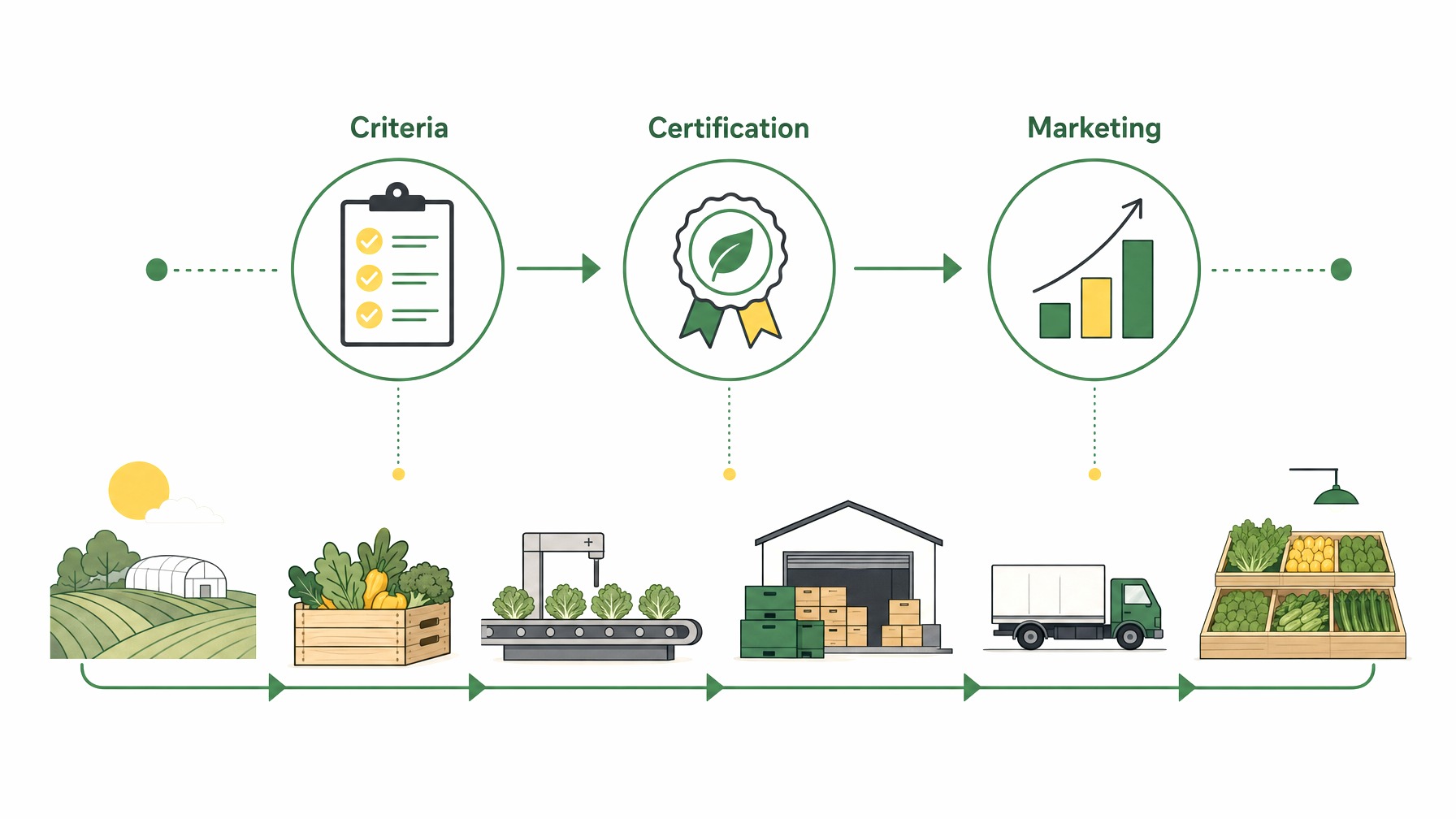
Key aspects of the new labeling standards include:
- Detailed criteria for what constitutes ‘organic’
- Requirements for third-party certification
- Guidelines for the use of organic labels in marketing
These standards pose both challenges and opportunities for businesses aiming to differentiate their products in a competitive market.
2. Policies on Organic Pesticide Use
Regulations surrounding pesticide use in organic farming continue to evolve.
Recent policies focus on limiting the use of synthetic substances, promoting natural alternatives.
This shift is driven by consumer demand for cleaner, safer produce.
For producers, transitioning to natural pesticides may require changes in pest management strategies.
This involves evaluating the efficacy of alternatives and ensuring compliance with new regulations.
Considerations for producers include:
- Assessing the impact on crop yields
- Understanding cost implications
- Training staff on new practices
Adapting to these changes is vital for maintaining organic certification and market competitiveness.
3. International Trade Agreements
International trade policies significantly impact the organic produce market.
Recent agreements have opened new avenues for export, while also imposing stricter import standards.
These developments affect how organic produce is traded globally.
For exporters, understanding these agreements is crucial for accessing new markets and meeting international standards.
It involves navigating complex trade regulations and ensuring product compliance.
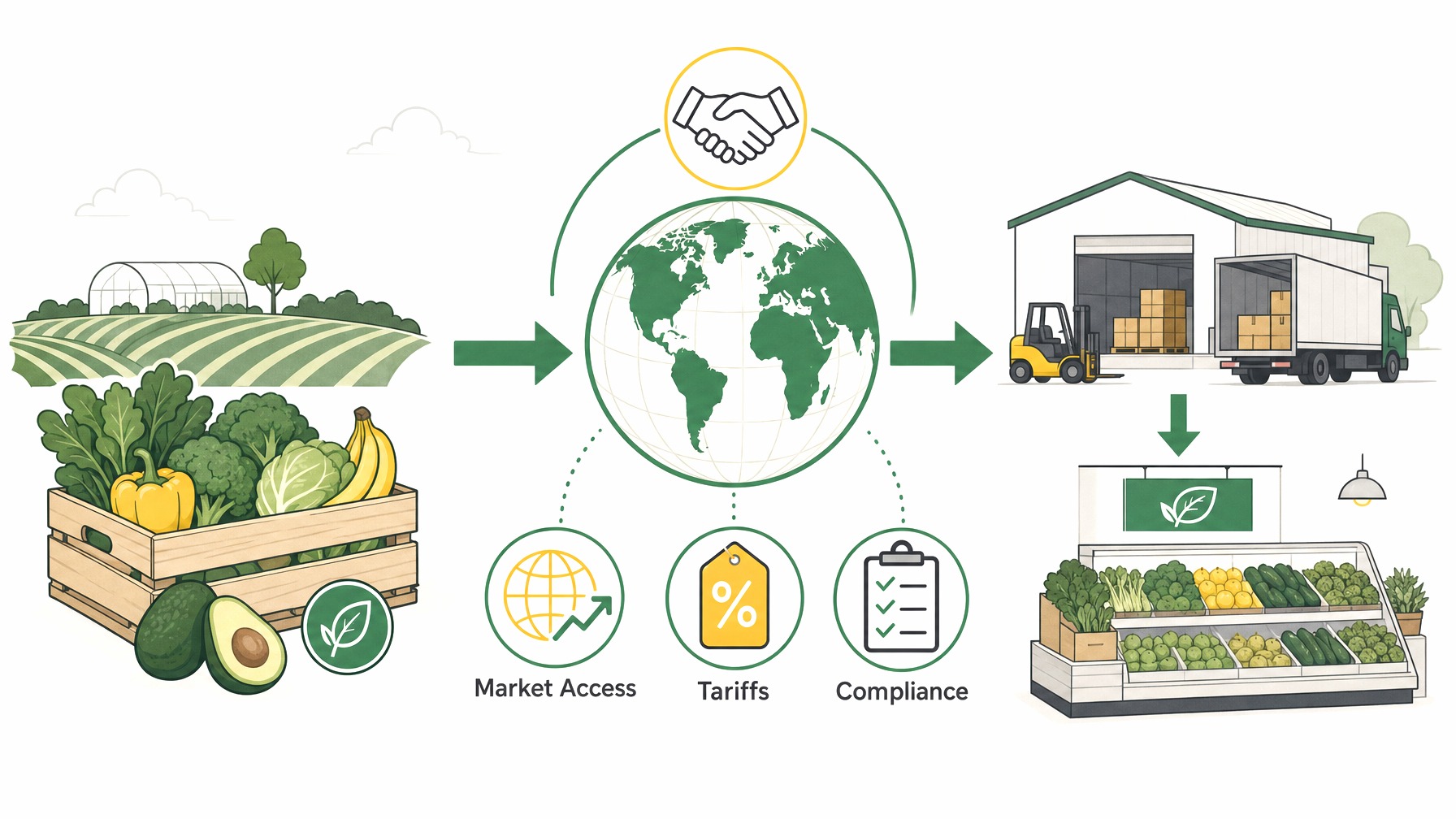
Trade agreements impact:
- Market access for organic products
- Tariff and non-tariff barriers
- Certification and compliance requirements
Staying informed about these agreements helps businesses capitalize on new opportunities while mitigating potential risks.
4. Incentives for Organic Farming
Government incentives play a crucial role in promoting organic farming practices.
Recent policy shifts have increased support for organic growers, providing financial aid and resources to encourage sustainable agriculture.
These incentives include subsidies for organic certifications, grants for research and development, and tax breaks for organic producers.
Such support can ease the transition to organic farming and enhance profitability.
Key incentives for organic farmers include:
- Subsidies for organic transition
- Funding for research on sustainable practices
- Tax incentives for certified organic producers
Leveraging these incentives can help businesses reduce costs and improve production efficiency.
5. Food Safety Regulations
Food safety remains a critical concern in the organic produce market.
Recent regulations have introduced stricter safety standards to protect consumers and ensure product integrity.
These policies focus on preventing contamination and ensuring safe handling practices.
For producers and retailers, compliance with food safety regulations is essential.
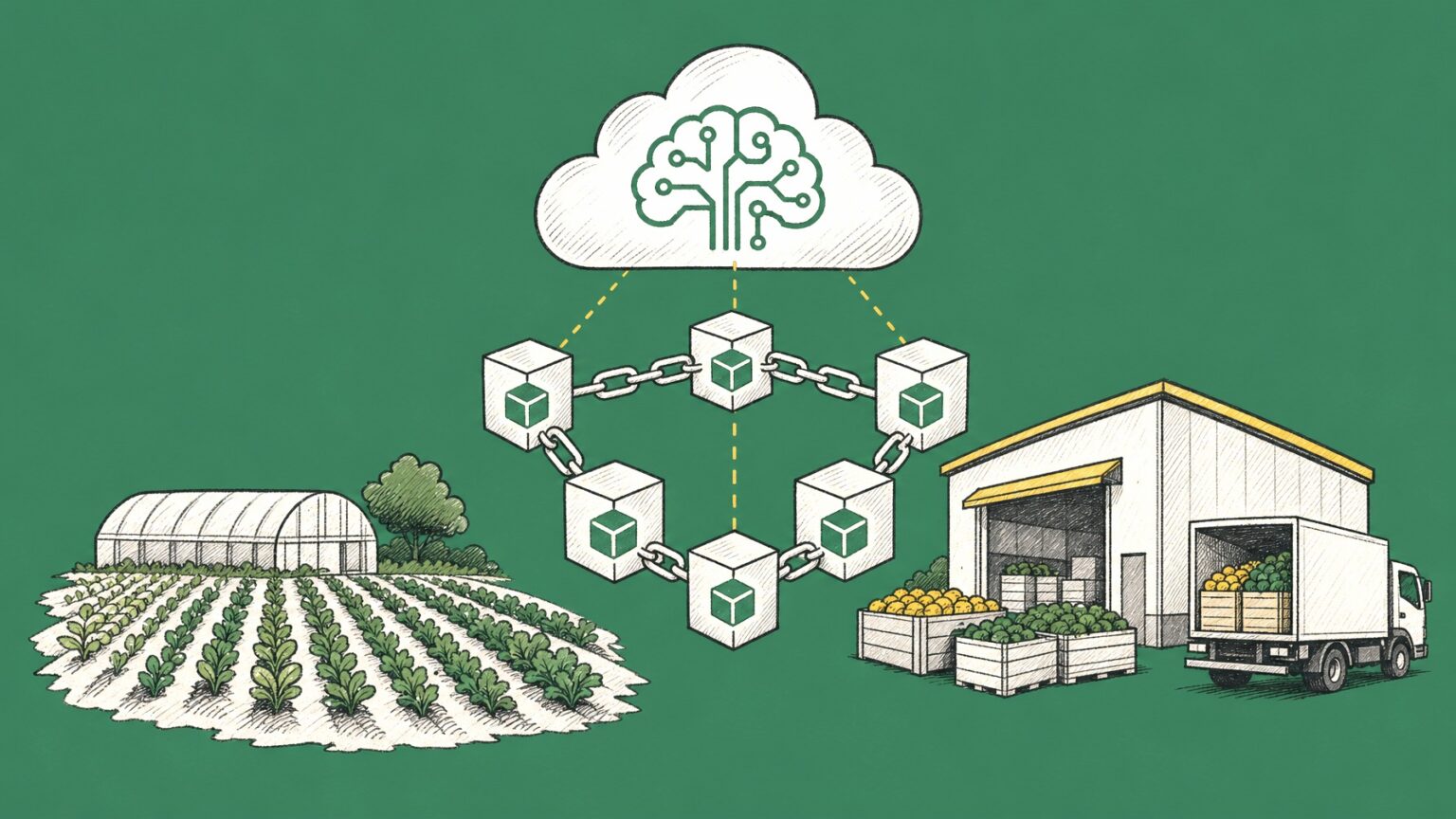
This involves implementing rigorous safety protocols and maintaining traceability throughout the supply chain.
Components of food safety regulations include:
- Standards for handling and processing
- Requirements for traceability and record-keeping
- Protocols for contamination prevention
Compliance not only safeguards consumer health but also enhances brand reputation and market credibility.
6. Environmental Sustainability Policies
Environmental sustainability is at the forefront of policy agendas affecting the organic produce industry.
New regulations aim to reduce the environmental footprint of farming practices and promote biodiversity.
For the industry, this means adopting practices that align with sustainability goals, such as reducing carbon emissions and conserving natural resources.
These policies impact operational strategies and long-term planning.
Sustainability policies focus on:
- Encouraging eco-friendly farming practices
- Promoting biodiversity and soil health
- Reducing waste and resource consumption
Integrating sustainability into business strategies is essential for meeting regulatory requirements and satisfying consumer expectations.