The growing disparity between organic and conventional produce prices is significantly affecting consumer choices in the U.S. market.
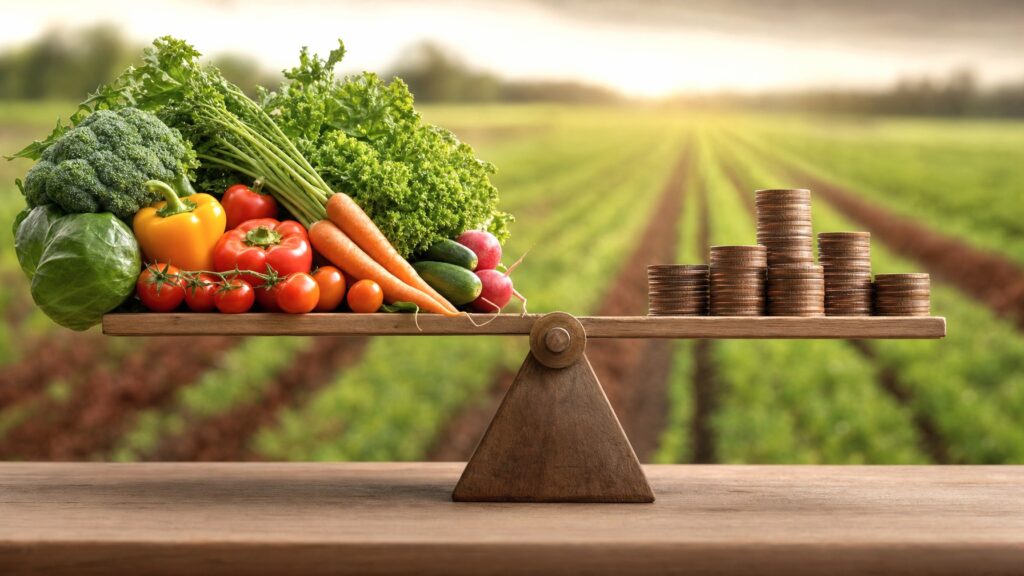
According to a recent analysis by LendingTree of USDA retail pricing data, organic fruits and vegetables now cost an average of 59.0 per cent more than their conventional counterparts.
This price gap has widened from 52.6 per cent the previous year, highlighting a trend that could alter purchasing decisions.
Among the 52 fruit and vegetable items analyzed, organic Roma tomatoes have shown the highest premium at 133.9 per cent, priced at $2.83 per pound compared to $1.21 for conventional tomatoes.
Other produce like organic orange and yellow bell peppers also exhibit significant price differences, both being 131.5 per cent more expensive than their conventional versions.
- Organic produce prices average 59% higher than conventional prices.
- Price gap increased from 52.6% the previous year.
- Organic Roma tomatoes have the highest premium at 133.9% more.
- Rising costs include labor, certification, and weather variability.
- Consumers may shift to more affordable conventional produce options.
The factors driving these rising prices include higher labour, certification, water, and input costs, as well as weather variability and labour availability challenges.
Despite these cost increases, demand for organic produce remains strong, with the Organic Produce Network reporting that total U.S. organic food sales reached $10.6 billion in 2025, marking a 5.9 per cent increase from 2024.
Interestingly, while organic produce prices rose by 10.0 per cent between January 2025 and January 2026, conventional produce prices increased by only 0.3 per cent.
This trend is forcing consumers to weigh their desire for organic products against their financial constraints more carefully.
Moreover, some conventional produce categories have seen price declines, which may further influence consumer choices.
For instance, the prices of long seedless cucumbers, tomatoes, and Hass avocados have decreased significantly by 40.5 per cent, 28.0 per cent, and 22.4 per cent respectively.
In contrast, organic produce like Gala and Royal Gala apples, Honeycrisp apples, and raspberries have also seen price reductions, although at a lower rate of 33.6 per cent, 33.2 per cent, and 32.3 per cent respectively.
These price adjustments in both organic and conventional categories suggest a dynamic market where consumers may shift their purchasing habits based on evolving price structures.
Financially, U.S. households are feeling the pinch, with the average household spending $7,995 on groceries in 2024, which represents 7.0 per cent of the average household income.
In states like Utah, Alaska, and Idaho, grocery spending is even higher, with Utah households recording the highest annual spending at $11,008.
The financial burden of higher organic produce prices is more pronounced in states like Arkansas, where households spend the highest share of their income on groceries at 10.0 per cent.
As organic prices continue to climb, the impact on consumer choices will likely become more pronounced, potentially leading to a shift towards more affordable conventional produce options.