The price gap between organic and conventional produce in the United States has reached significant levels, according to a recent study by Lending Tree.
On average, consumers are now paying a 59 percent premium for organic fresh produce.
This marks a notable increase from the 52.6 percent premium observed in 2025, highlighting a growing divide.
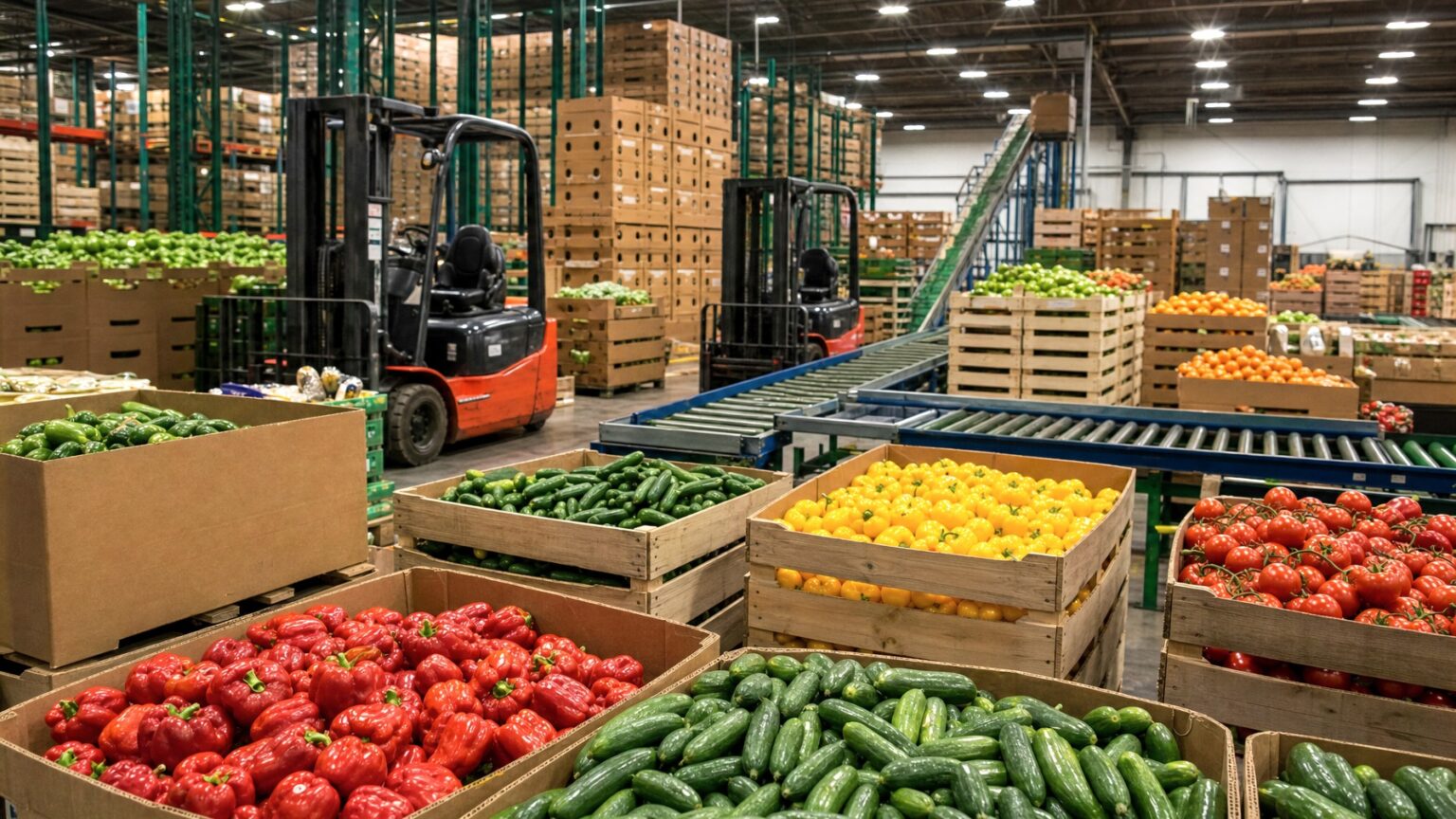
Organic prices have surged by 10 percent year on year, with items like Roma tomatoes and bell peppers displaying some of the most dramatic differences.
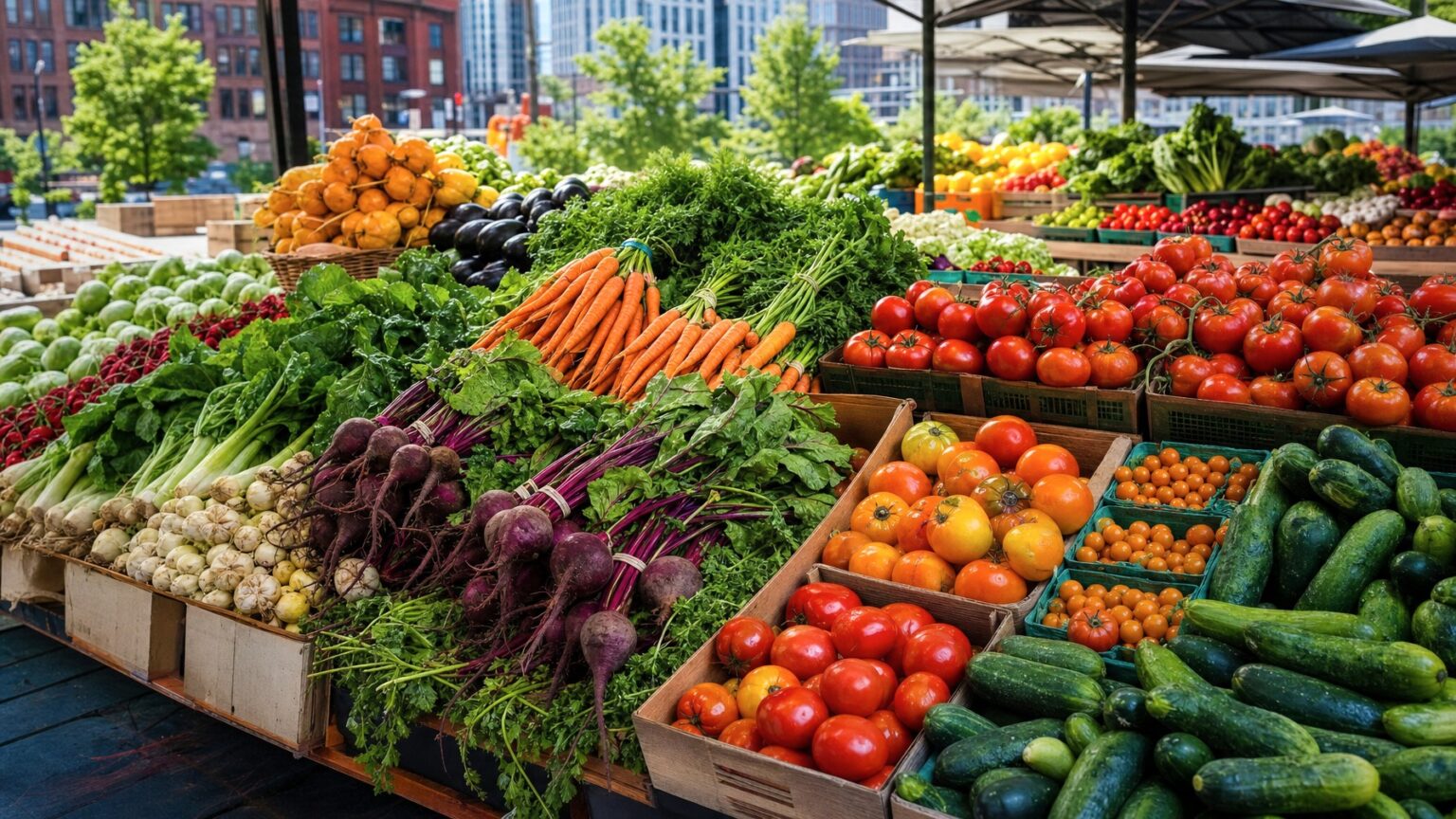
Roma tomatoes are now 134 percent more expensive than their conventional counterparts.
- US organic produce now costs 59% more than conventional options.
- Price gap increased from 52.6% in 2025, indicating larger disparity.
- Roma tomatoes have seen a 134% price increase since 2025.
- Nearly half of analyzed items are at least 50% pricier if organic.
- Organic market growth surpasses conventional, despite rising costs.
This stark difference is attributed to a 186 percent price rise since 2025, with prices soaring from 99 cents per pound to $2.83.
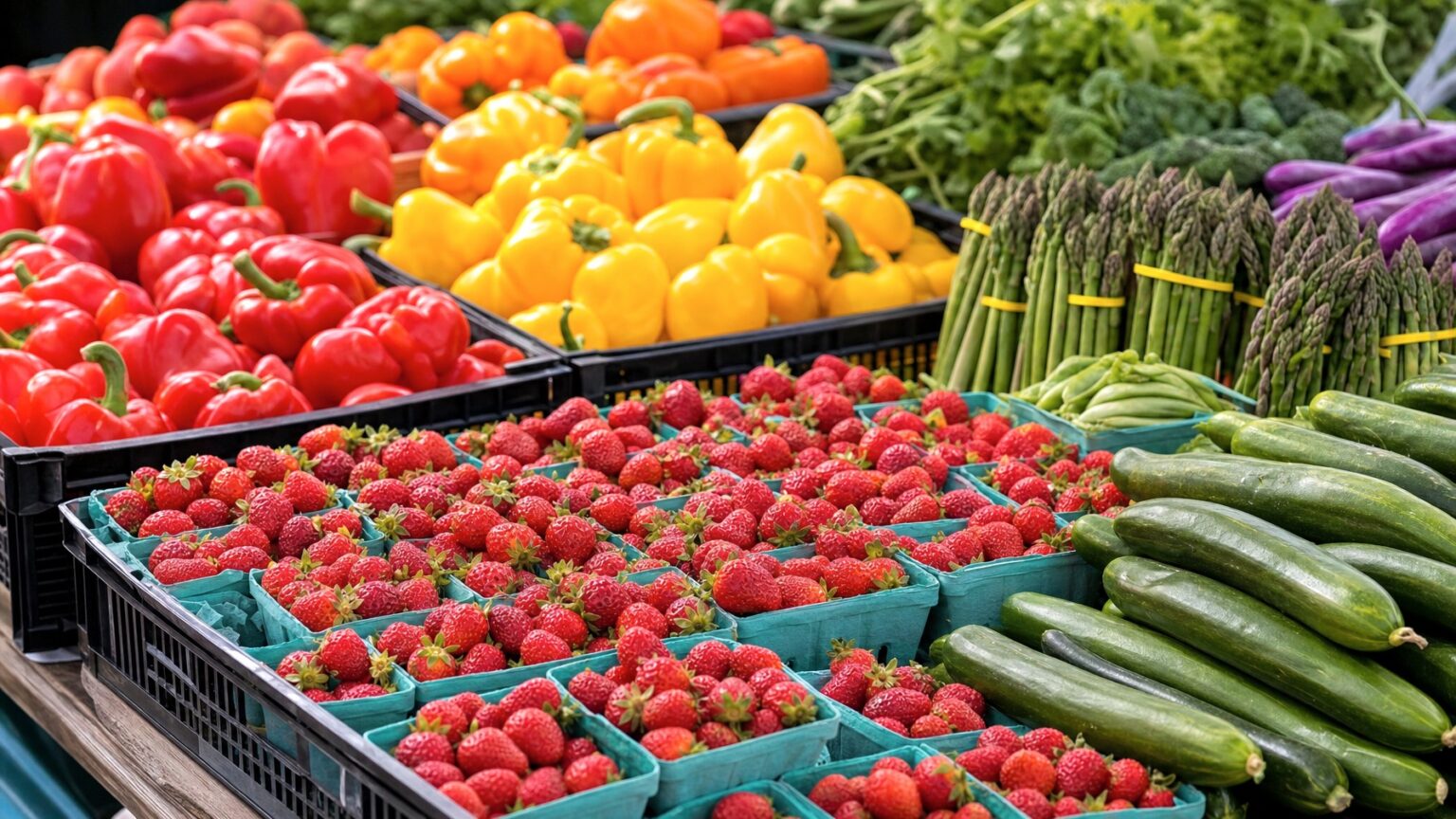
Similarly, organic bell peppers, particularly the orange and yellow varieties, have a price difference of 131.5 percent compared to non-organic versions.
The Lending Tree study found that nearly half of the 52 items analyzed cost at least 50 percent more when purchased organic, with 14 items costing at least 75 percent more.
Matt Schulz, LendingTree’s chief consumer finance analyst, noted that this significant price gap can shift consumer habits.
He pointed out that what once seemed a necessity might now feel like a luxury, leading consumers to alter their purchasing behavior.
Instead of buying all organic produce, consumers might opt for only a few organic items or switch to canned or frozen varieties.
Despite these challenges, the demand for organic produce remains strong, with organic food sales in the US reaching $10.6 billion in 2025, reflecting a nearly six percent increase from the previous year.
The study attributes the increasing organic price gap to several factors, including higher labor, input, and certification costs.
Additionally, diminished labor availability, water access issues, and increasingly volatile weather conditions contribute to the challenges faced by organic producers.
Despite these hurdles, the organic market continues to grow, with organic sales outpacing conventional produce, which only saw a 1.3 percent growth in the same period.
This trend underscores the resilience and continued appeal of the organic sector amidst rising costs and economic pressures.