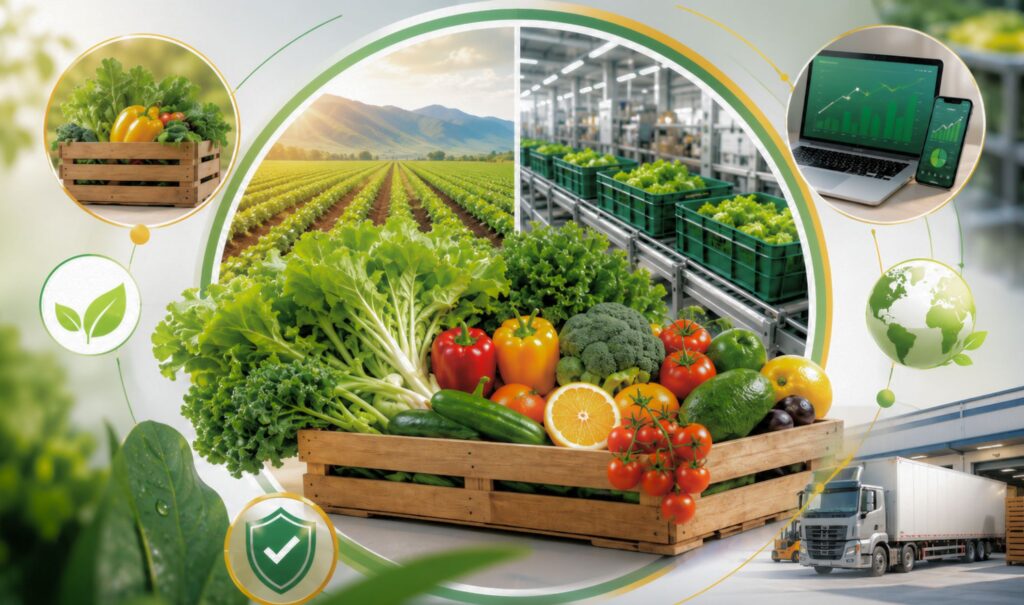
In today’s rapidly evolving produce industry, building a resilient supply chain is crucial for success.
Unforeseen disruptions, whether due to weather, logistics issues, or market changes, can severely impact operations.
To mitigate risks and ensure stability, industry leaders must adopt proactive strategies.
Resilient supply chains not only weather storms but also capitalize on opportunities.
They adapt quickly to changes, ensuring that fresh produce reaches consumers efficiently.
By implementing robust strategies, produce professionals can safeguard their operations and foster growth.
Here, we explore six strategies that industry leaders can employ to build more resilient produce supply chains.
Each approach addresses critical areas such as collaboration, technology, diversification, sustainability, risk management, and continuous improvement.
1. Strengthen Collaborative Networks
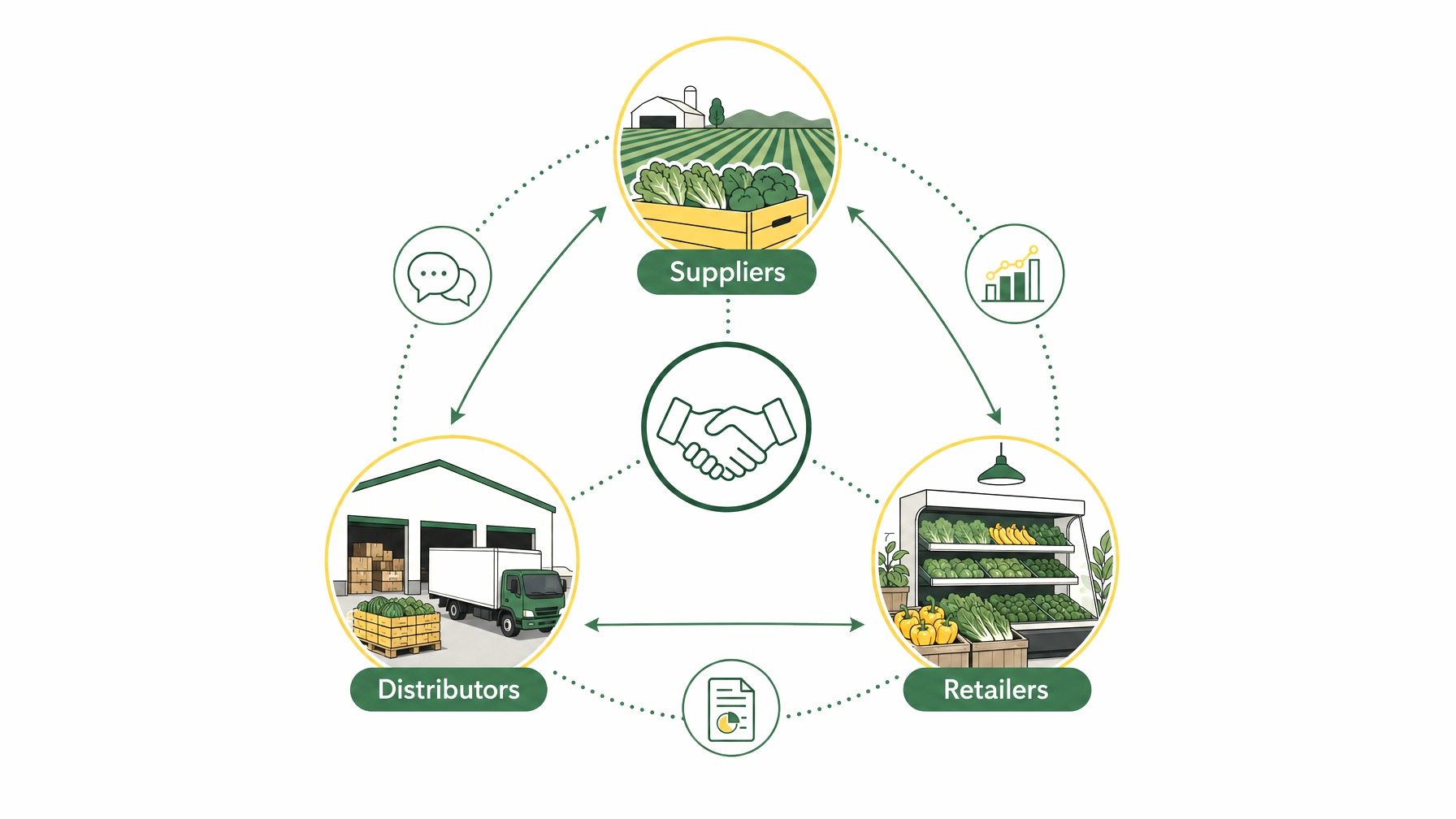
Collaboration is the cornerstone of a resilient supply chain.
By fostering strong relationships with suppliers, distributors, and retailers, produce companies can improve communication and response times.
This collaborative approach enables faster problem-solving and innovation.
- Develop partnerships with key logistics providers.
- Engage in joint ventures with other produce companies.
- Share data and insights across the supply chain.
Collaborative networks help in anticipating potential disruptions and creating joint strategies to overcome them.
Strong partnerships also offer shared resources, reducing individual burdens.
2. Embrace Technology and Innovation
Technology plays a pivotal role in enhancing supply chain resilience.
From real-time tracking systems to advanced analytics, technology offers solutions to streamline operations and improve decision-making.
Investing in the right tools can significantly boost efficiency.
- Utilize IoT devices for monitoring produce conditions.
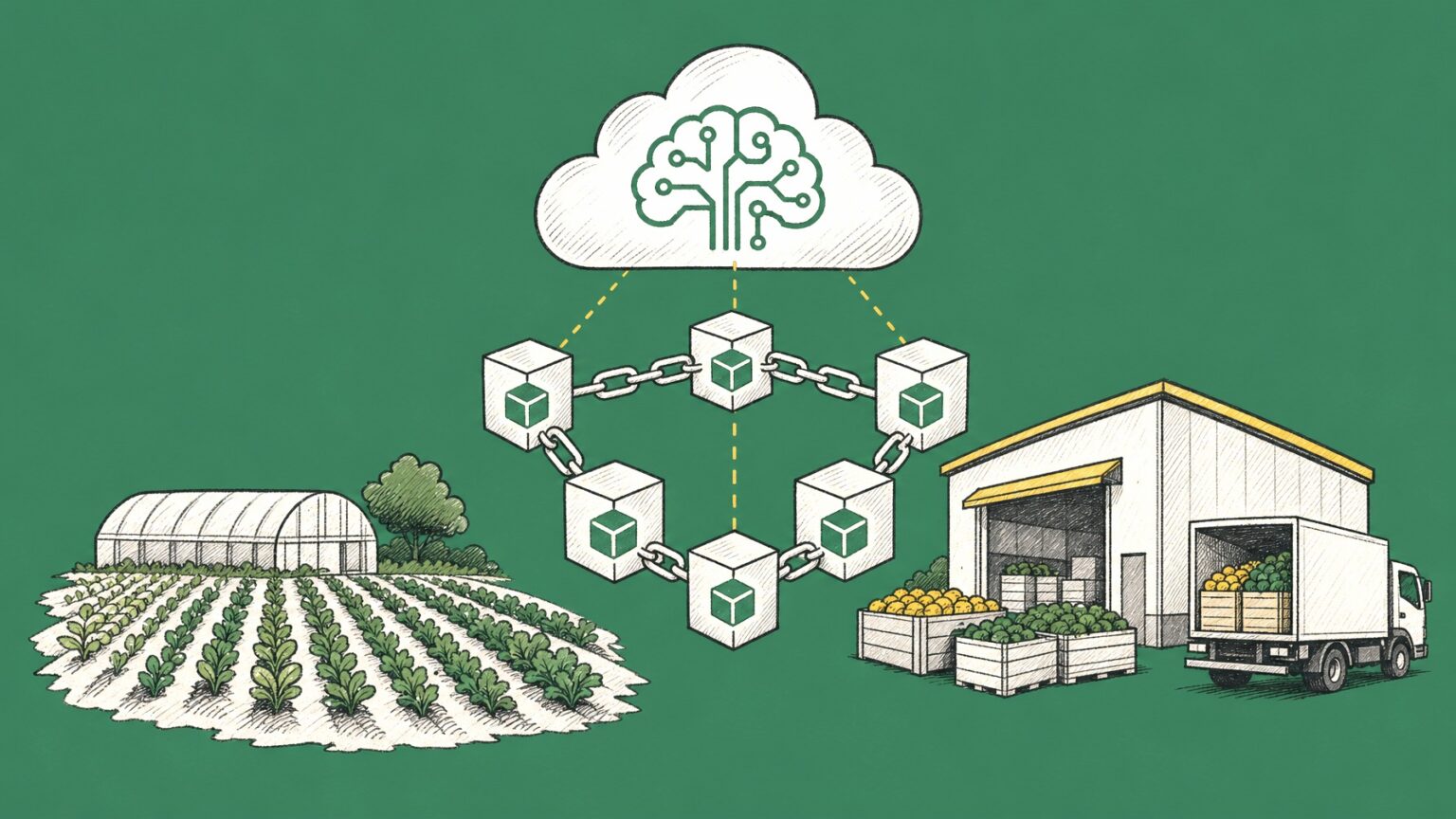
- Implement AI-driven forecasting tools.
- Adopt blockchain for transparent transaction records.
These technologies allow for better inventory management and enhanced visibility into the supply chain, reducing the risk of spoilage and waste.
3. Diversify Supply Sources
Diversification is a critical strategy for mitigating risk.
Relying on a single source or region for produce can leave companies vulnerable to disruptions, such as natural disasters or political instability.
By diversifying, companies spread risk and increase resilience.
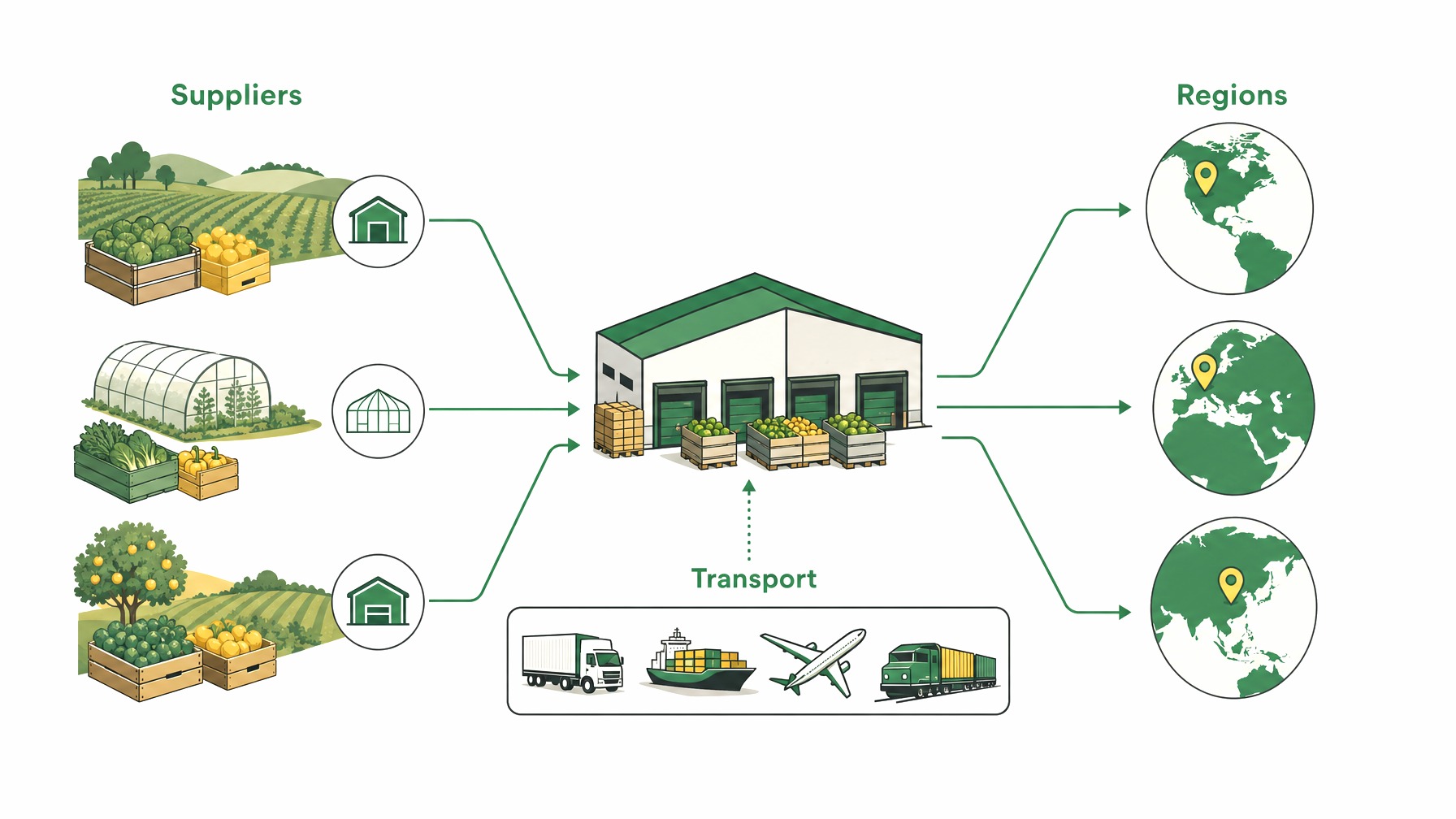
- Source produce from multiple geographic regions.
- Engage with various suppliers to avoid dependency.
- Explore alternative transport routes and methods.
This approach not only secures supply but also opens up new market opportunities and fosters competitive advantage.
4. Prioritize Sustainability Practices
Incorporating sustainability into the supply chain is essential for long-term resilience.
Sustainable practices help conserve resources, reduce waste, and improve overall efficiency.
They also align with consumer demand for environmentally friendly products.
- Implement water-saving irrigation techniques.
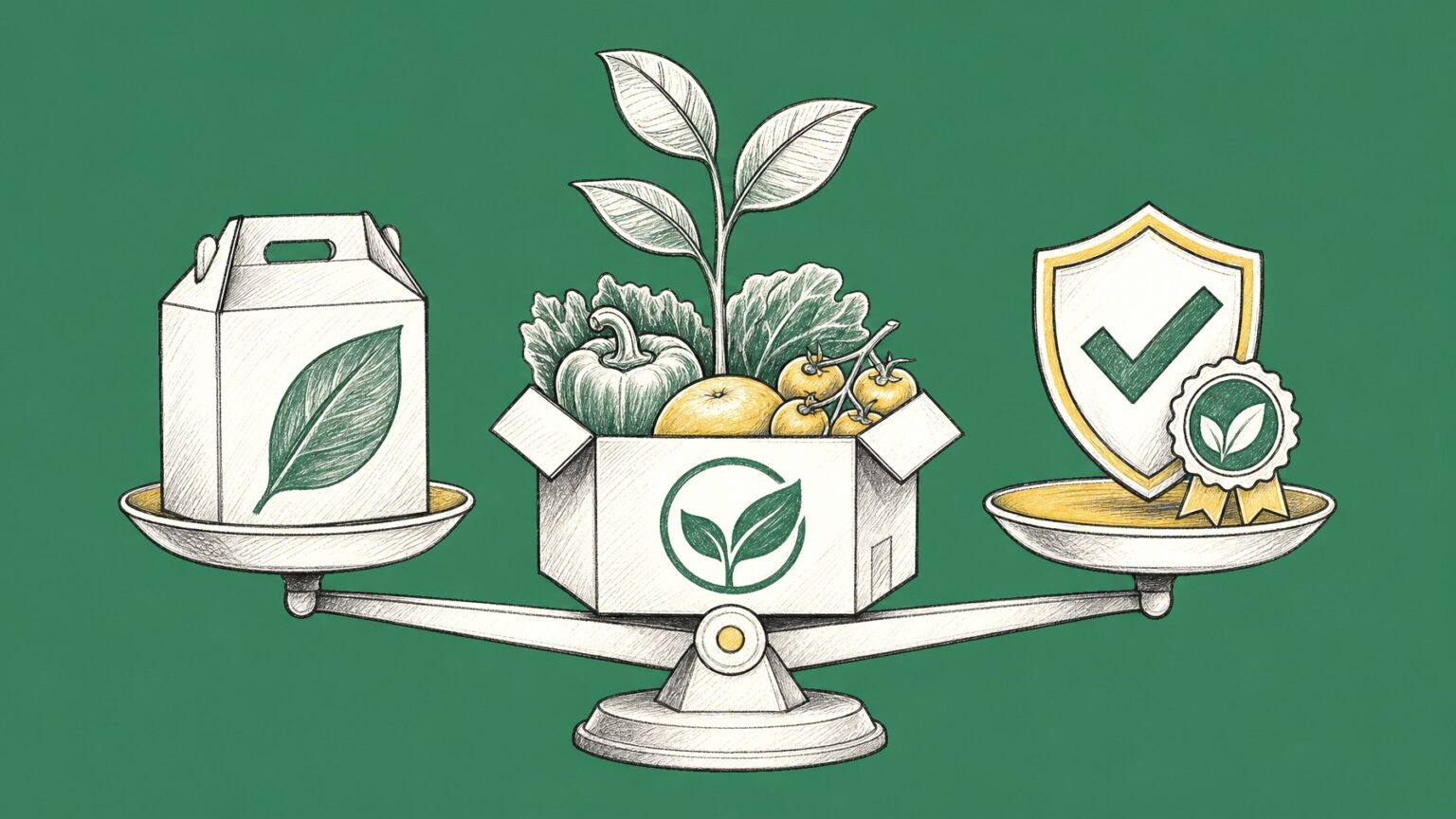
- Adopt eco-friendly packaging solutions.
- Reduce carbon emissions through optimized logistics.
Sustainability efforts not only protect the environment but also enhance brand reputation and customer loyalty, leading to increased market share.
5. Implement Robust Risk Management
Effective risk management is crucial for navigating uncertainties in the produce industry.
By identifying potential risks and developing contingency plans, companies can better prepare for unexpected events.
This proactive approach minimizes disruptions and financial losses.
- Conduct regular risk assessments across the supply chain.
- Develop emergency response plans for critical situations.
- Invest in insurance coverage for key assets.
Robust risk management enables companies to respond swiftly and effectively, maintaining operational continuity.
6. Focus on Continuous Improvement
Continuous improvement involves regularly evaluating and enhancing supply chain processes.
By fostering a culture of innovation and adaptability, produce companies can stay ahead of industry trends and challenges.
This commitment to progress is vital for long-term resilience.
- Regularly review and refine supply chain processes.
- Encourage employee feedback and suggestions.
- Invest in training programs for workforce development.
Continuous improvement leads to greater efficiency, reduced costs, and improved customer satisfaction, building a stronger supply chain.
The Bottom Line
Building a resilient produce supply chain requires a multifaceted approach.
By focusing on collaboration, technology, diversification, sustainability, risk management, and continuous improvement, companies can enhance their resilience.
These strategies not only safeguard against disruptions but also create opportunities for growth and innovation.
Implementing these practices ensures that produce companies remain competitive and successful in a dynamic market.