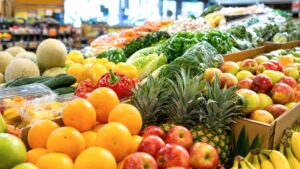
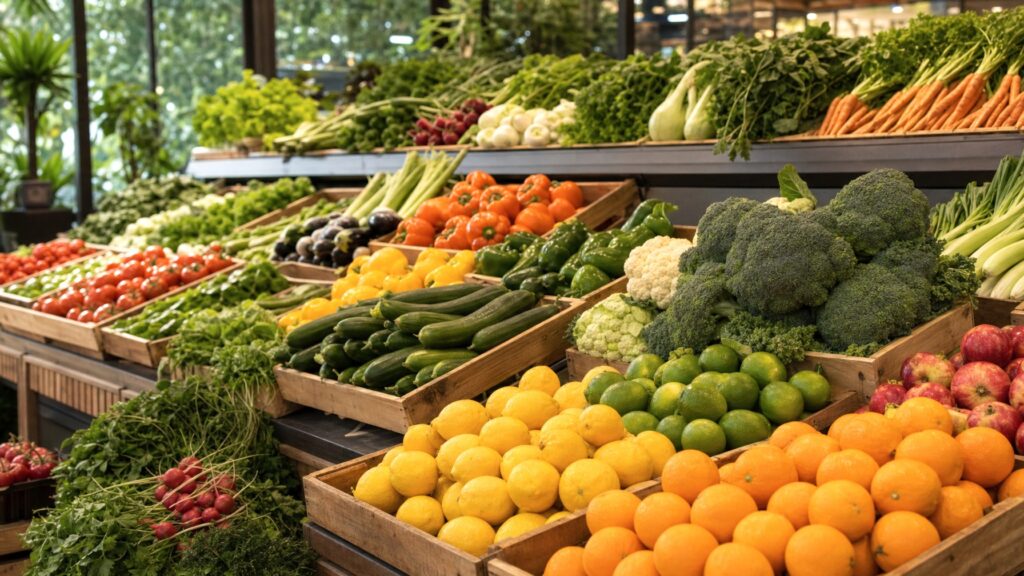
The organic produce industry continues to evolve, influenced by an array of factors reshaping its landscape.
Industry professionals must stay informed about these changes to remain competitive.
From technological advancements to shifting consumer preferences, the future holds many opportunities and challenges.
Organic produce is more than just a market trend; it reflects a growing commitment to sustainability and health.
Understanding the key trends in this dynamic sector can help stakeholders make informed decisions.
These trends not only influence production but also impact marketing, distribution, and retail strategies.
As we explore these developments, it’s crucial to consider how they will affect various segments of the supply chain.
By anticipating changes, produce leaders can position themselves at the forefront of the organic movement, driving innovation and growth.
1. Increasing Consumer Demand for Transparency
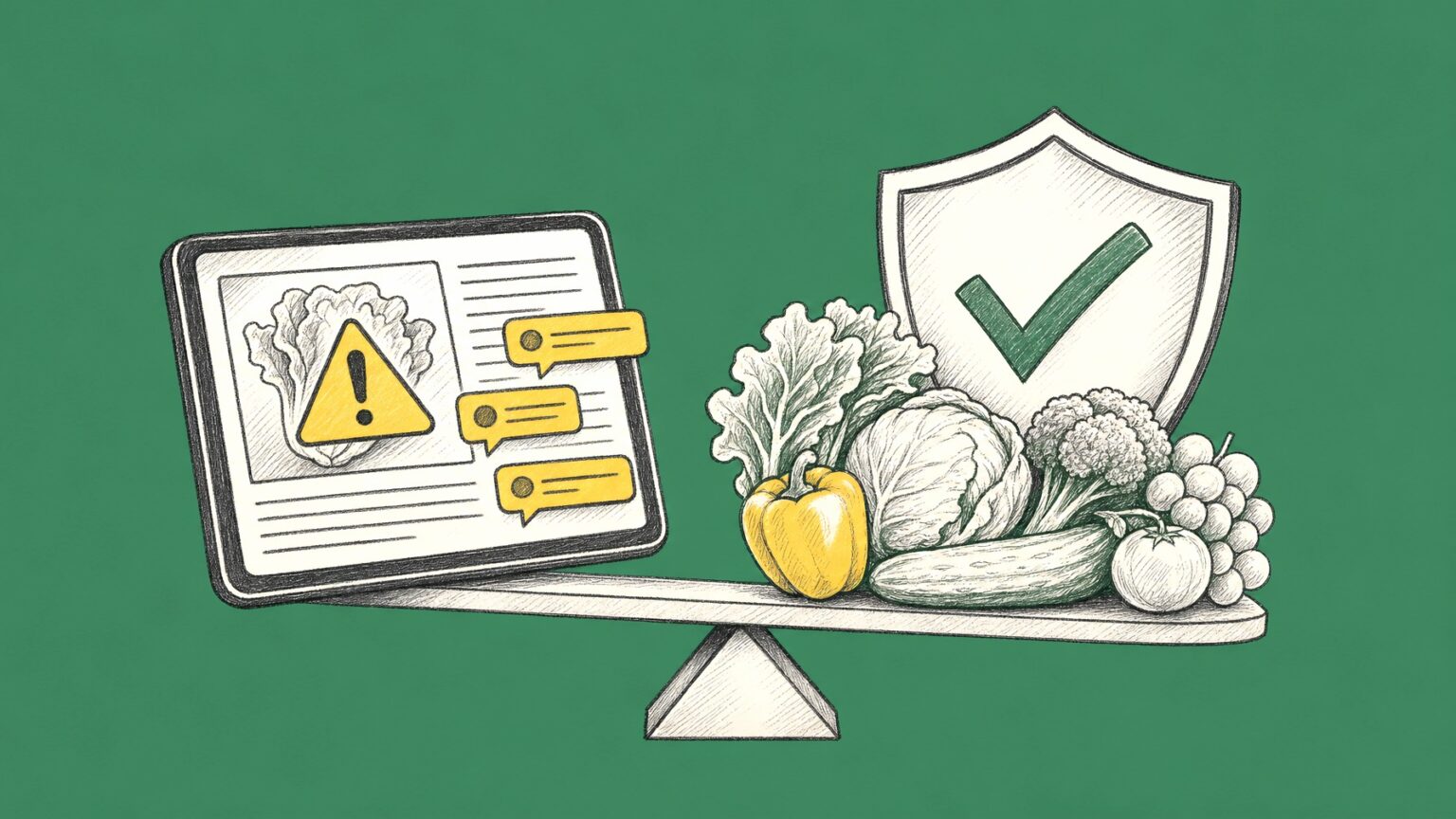
Consumers are becoming more discerning, seeking transparency in the food they purchase.
They want to know how and where their produce is grown.
This demand for transparency is pushing the industry to adopt more transparent practices.
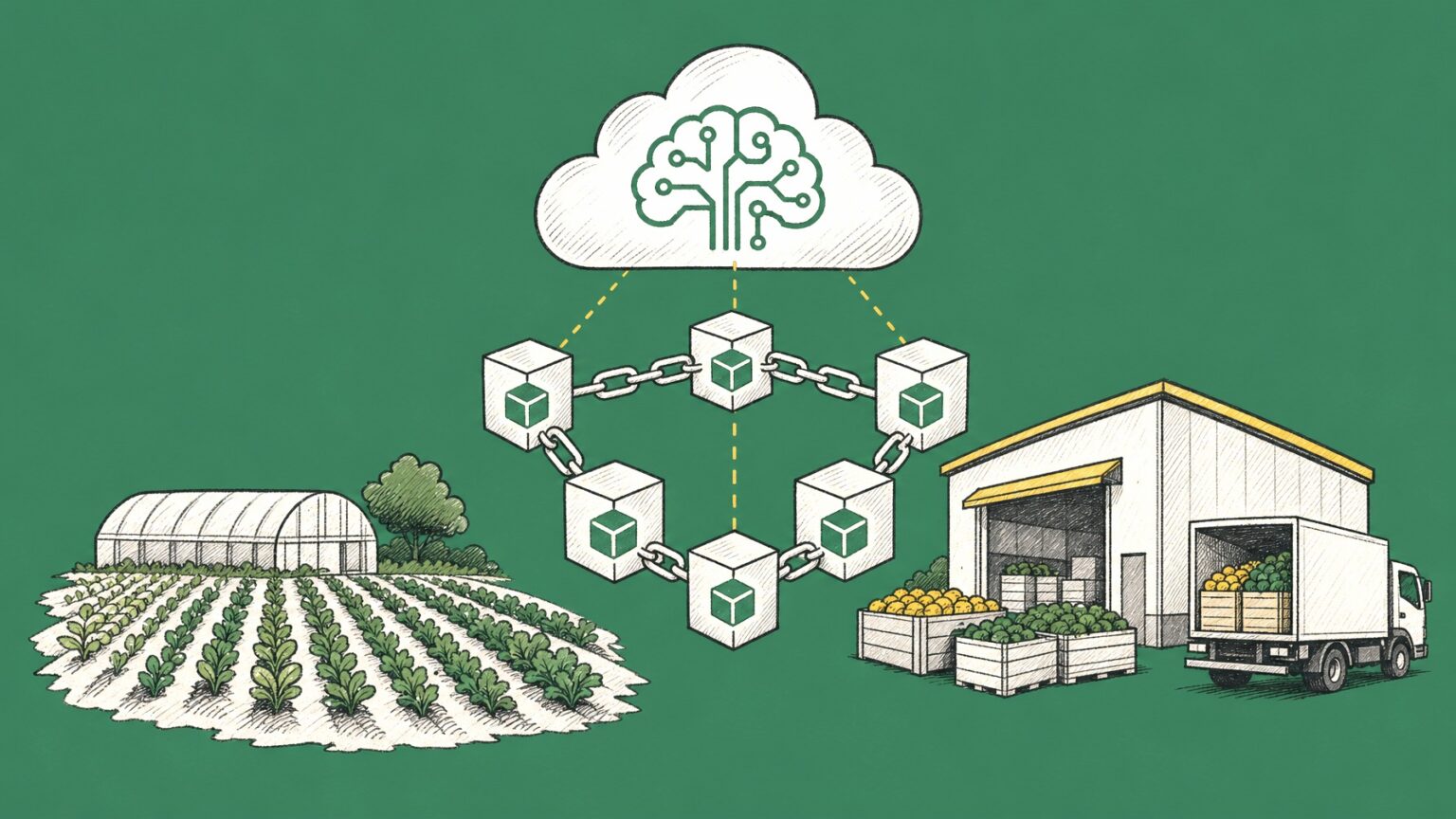
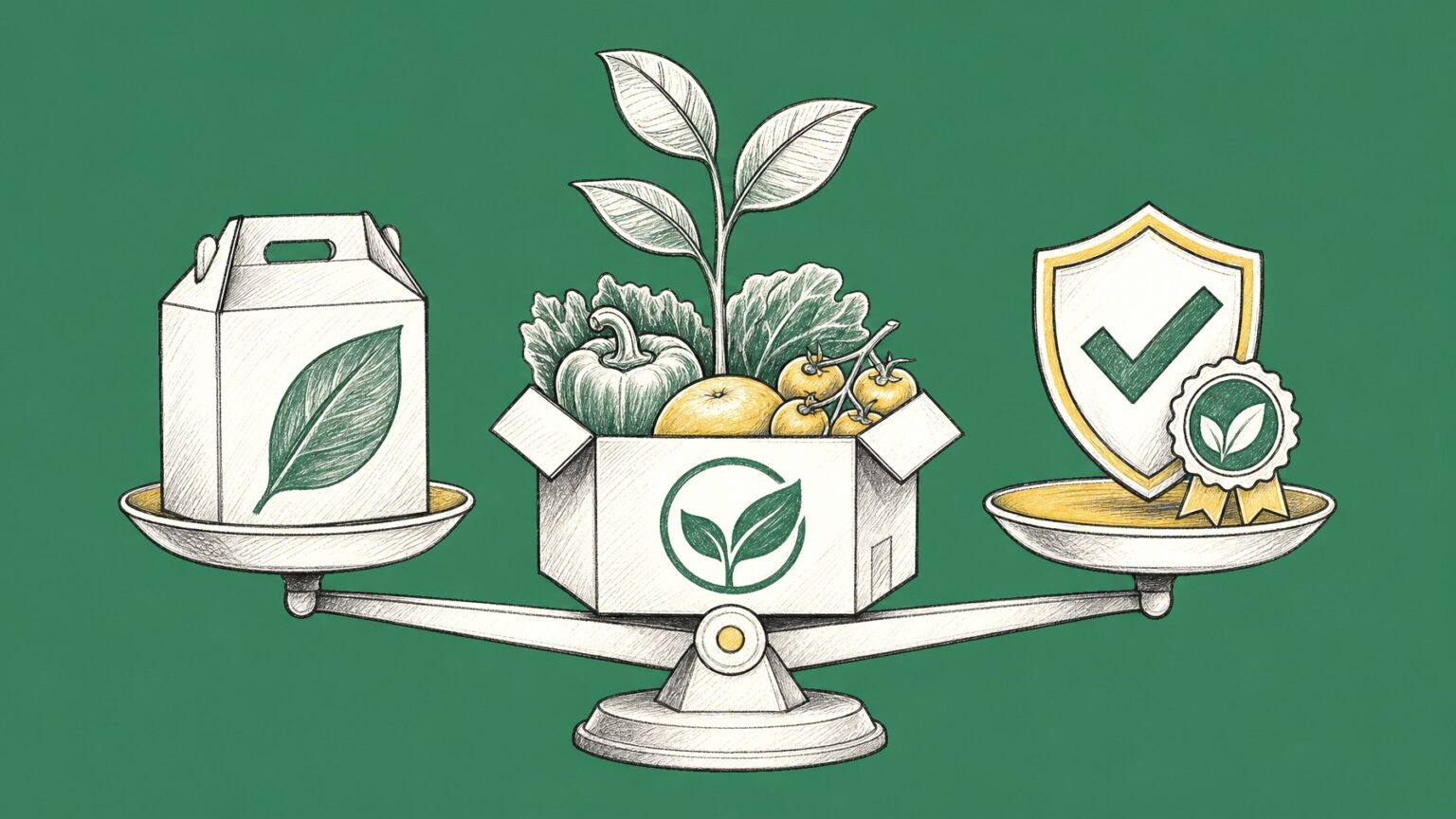
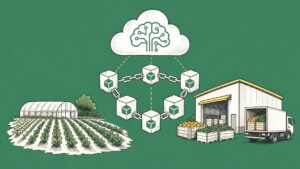
Certification labels and blockchain technology are being utilized to provide traceability.
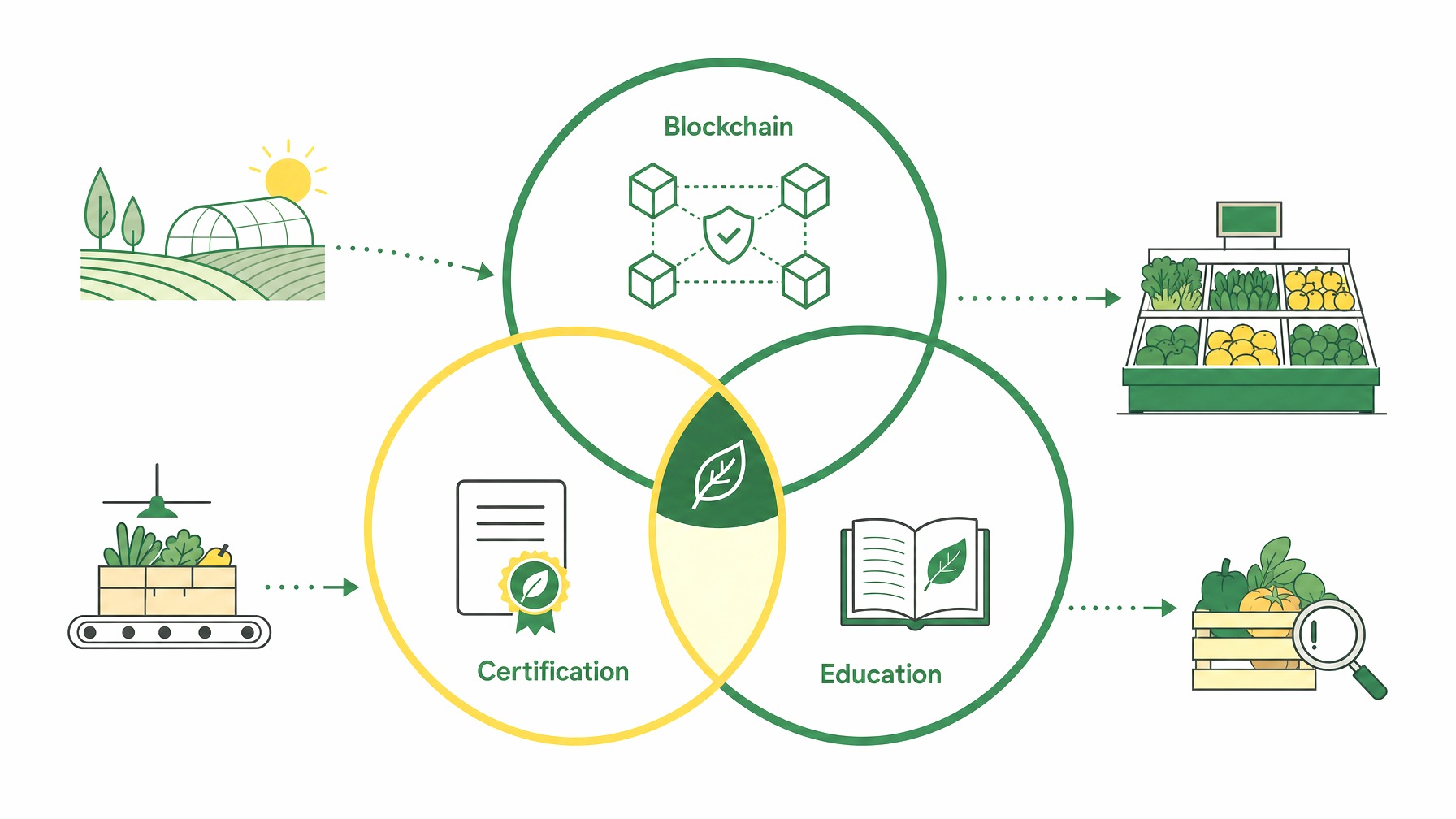
These tools help verify the organic status of products and build consumer trust.
- Blockchain for traceability
- Clear labeling and certifications
- Enhanced consumer education
Producers and retailers who prioritize transparency are more likely to attract and retain customers.
This shift challenges the industry to offer clear and accessible information about their products.
2. Technological Advancements in Farming Practices
Technology is revolutionizing organic farming, introducing new tools and methods that increase efficiency and yield.
From drones to soil sensors, these innovations are transforming how organic produce is grown.
Precision agriculture is helping farmers optimize resource use, leading to more sustainable practices.
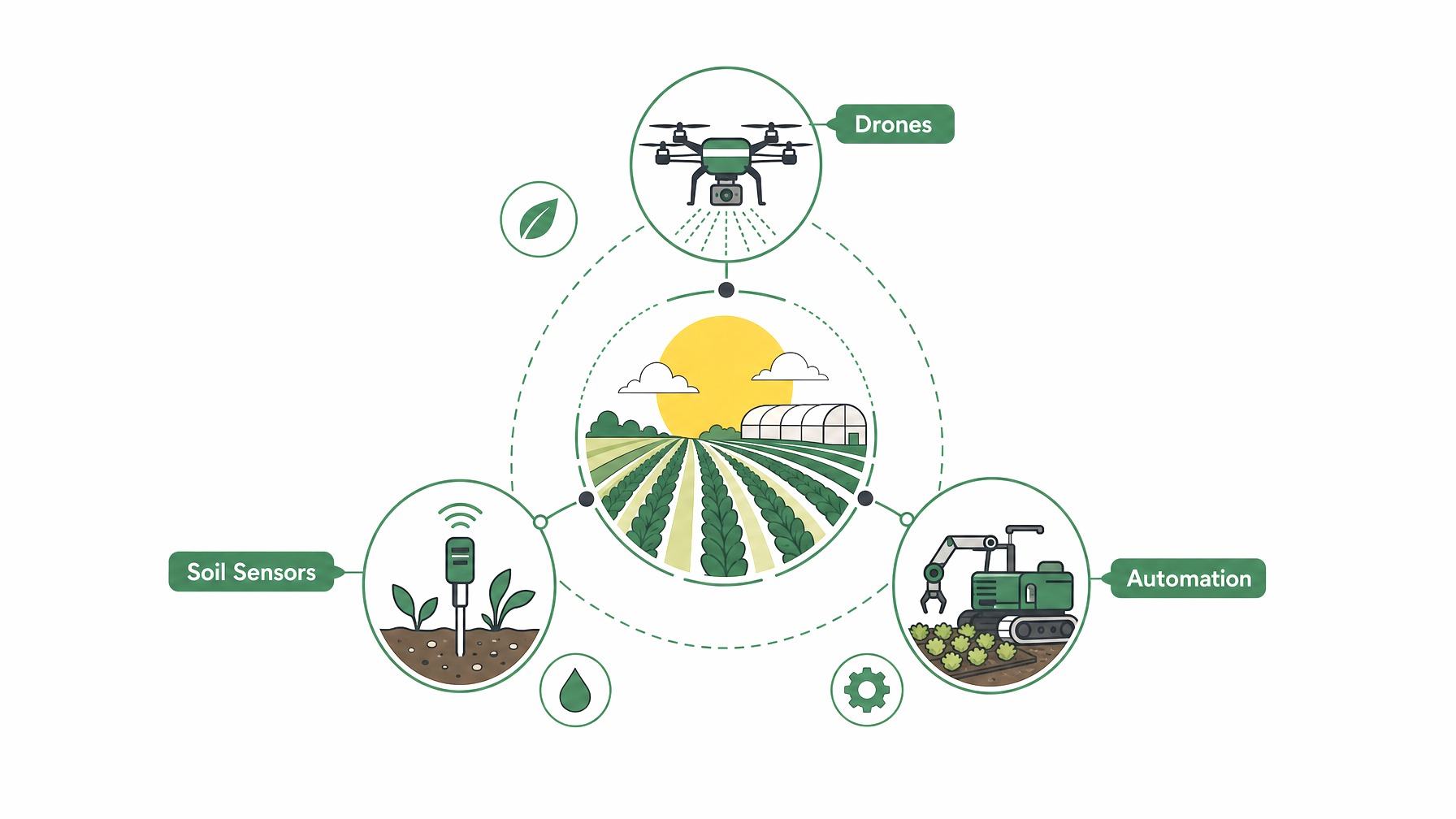
Technology also aids in pest management and crop monitoring.
- Use of drones for monitoring
- Soil and moisture sensors
- Automated machinery for planting and harvesting
These advancements are essential for meeting the growing demand for organic produce while maintaining environmental integrity.
3. Expansion of E-commerce and Direct-to-Consumer Models
The rise of e-commerce is reshaping how consumers purchase organic produce.
Direct-to-consumer models allow farmers to bypass traditional retail channels, reaching customers directly.
This shift provides opportunities for smaller producers to compete in the market.
It also offers consumers fresher produce and the convenience of home delivery.
- Online marketplaces for organic produce
- Subscription box services
- Local farm-to-table initiatives
Embracing e-commerce allows producers to expand their reach and improve customer engagement.
4. Regulatory Changes and Policy Support
Government policies play a significant role in shaping the organic produce industry.
Regulatory changes can create opportunities or pose challenges for producers.
Supportive policies, such as subsidies for organic certification, can encourage more farmers to transition to organic practices.
Conversely, stringent regulations can increase operational costs.
- Subsidies and financial incentives
- Changes in organic certification requirements
- Policy initiatives for sustainable practices
Understanding these regulatory dynamics is crucial for strategic planning and compliance.
5. Focus on Sustainability and Environmental Impact
Sustainability remains a core focus for the organic produce industry.
Consumers are increasingly aware of environmental issues and prefer products that align with their values.
Producers are adopting practices that minimize environmental impact, such as crop rotation and organic fertilizers.
These efforts not only appeal to consumers but also contribute to long-term agricultural sustainability.
- Reduction of carbon footprint
- Water conservation techniques
- Use of renewable energy sources
Emphasizing sustainability can enhance brand reputation and customer loyalty.
6. Innovation in Packaging Solutions
Packaging plays a critical role in maintaining the quality and shelf life of organic produce.
Innovations in packaging are addressing both ecological and functional aspects.
Biodegradable and reusable packaging options are gaining popularity.
These solutions reduce waste and appeal to environmentally conscious consumers.
- Biodegradable materials
- Reusable packaging options
- Eco-friendly design
Innovative packaging not only supports sustainability but also enhances the consumer experience.
The Bottom Line
The organic produce industry is navigating an era of significant transformation driven by consumer demands, technological advancements, and sustainability goals.
Staying ahead of these trends is essential for industry leaders.
By adopting transparent practices, leveraging technology, and embracing sustainability, stakeholders can thrive in this evolving market.
The future of organic produce is promising, with opportunities for growth and innovation.