The landscape of fresh produce is shifting dramatically, and not in a direction favorable for the average consumer.
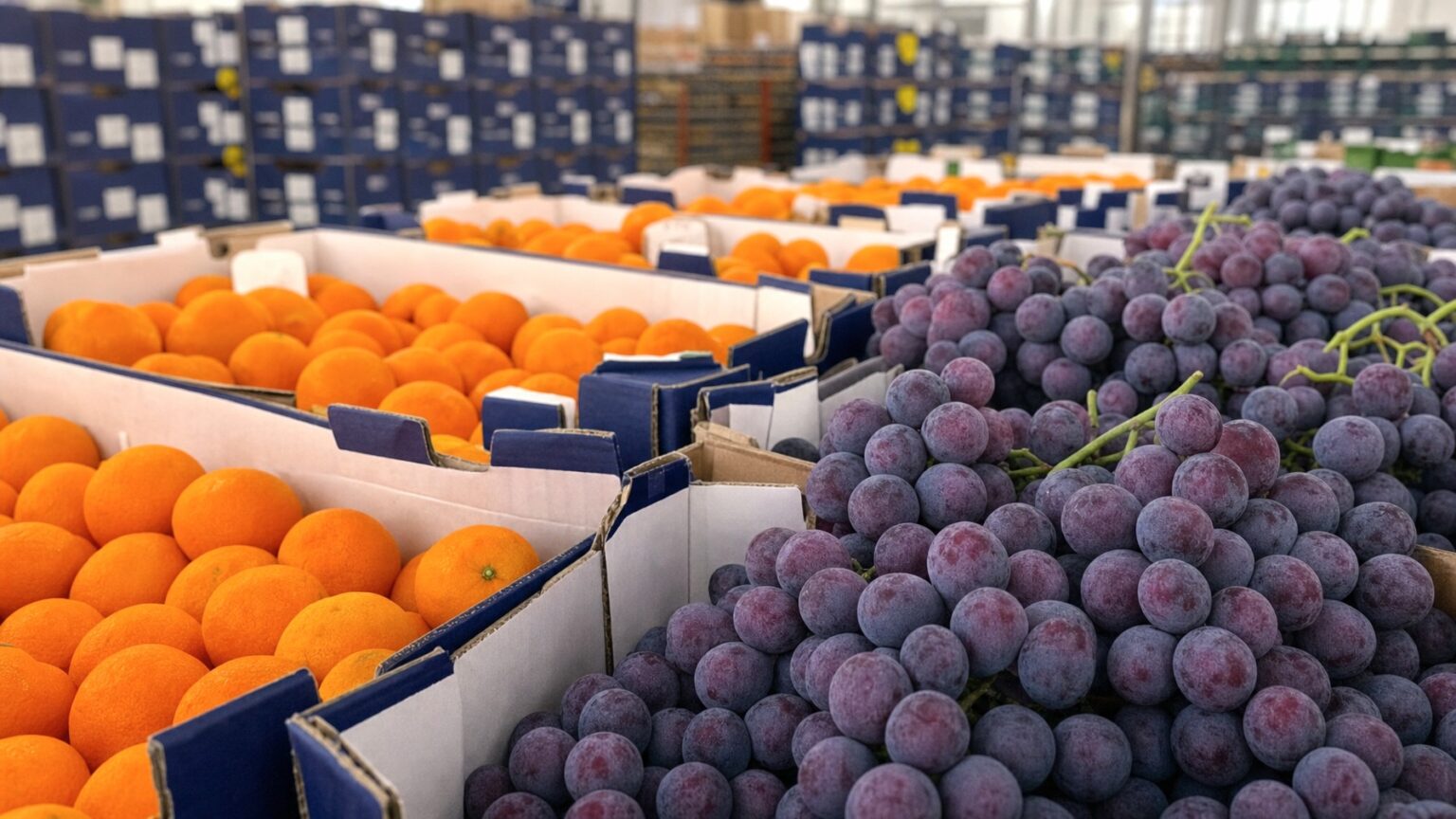
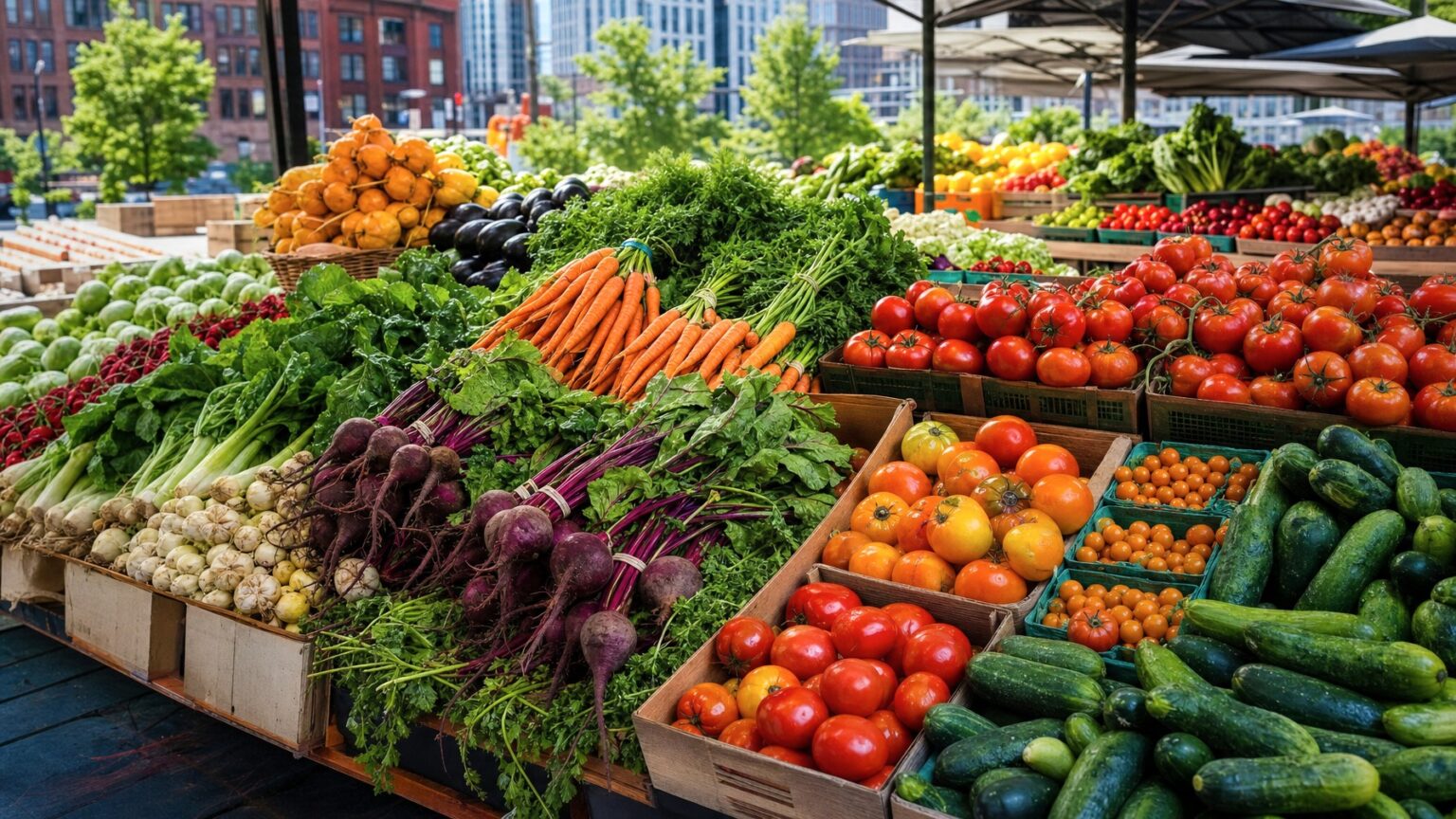
As prices rise and supply chains face increasing strain, fresh fruits and vegetables are being pushed into the realm of luxury items.
Recent events highlight this troubling trend.
In California, many consumers are experiencing sticker shock, leading to cutbacks on essential produce purchases like fruits and vegetables.
Meanwhile, cantaloupe and honeydew melon growers confront critical short-term supply shortages, further exacerbating availability and price issues.
Amidst these dynamics, an editorial has articulated a growing perception: fresh produce is becoming a luxury due to relentless economic pressures.
California’s Sticker Shock Forces Dietary Changes
California, a state renowned for its robust agricultural output, is ironically facing a significant consumer crisis in the fresh produce sector.
The rising costs of fruits and vegetables have led to a noticeable decline in purchases, as consumers grapple with the reality of limited budgets.
This sticker shock is not just a fleeting anomaly but a reflection of deeper systemic issues affecting affordability.
Factors such as increased transportation costs, water scarcity, and labor expenses continue to push prices upward.
As a result, even basic staples like apples and broccoli are being viewed through a luxury lens by budget-conscious shoppers.
- Transportation costs have surged due to fuel price hikes.
- Water scarcity drives up irrigation expenses.
- Minimum wage increases raise labor costs.
These elements collectively contribute to the growing perception that fresh produce is a premium option, rather than a dietary staple.
In areas where agriculture is a major economic driver, such as the Central Valley, the irony of local abundance juxtaposed with consumer inaccessibility is particularly stark.
Many families are forced to choose cheaper, less nutritious alternatives, which could have long-term repercussions on public health.
Supply Shortages Drive Up Melon Prices
The melon market, particularly for cantaloupes and honeydews, is currently experiencing a tumultuous period.
Growers are confronting critical short-term supply shortages, which are inevitably leading to price hikes.
This scarcity is largely due to adverse weather conditions and logistical challenges in key growing regions.
Consequently, consumers are finding that these once-common fruits have become less accessible and more expensive.
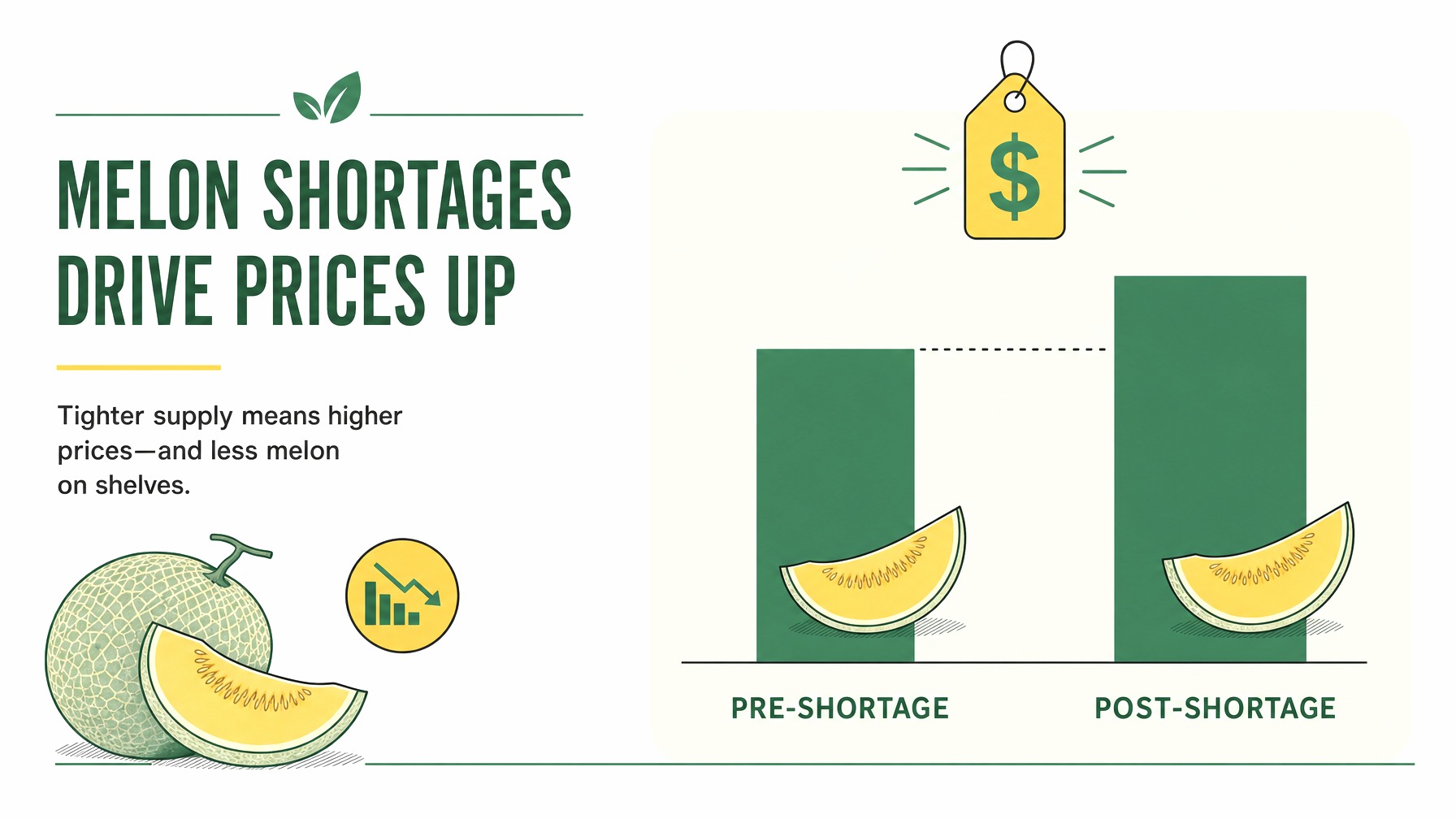
These shortages serve as a stark reminder of the fragile nature of produce supply chains, where a single disruption can have widespread impacts.
Weather events such as droughts and unseasonal frosts have decimated crops, leaving gaps that are difficult to fill quickly.
Logistical challenges, including shipping delays and port bottlenecks, further complicate the timely distribution of available produce.
As melon growers try to navigate these challenges, they often face a no-win situation: increase prices to cover losses or risk significant financial shortfalls.
This situation underscores the precarious balance producers must maintain to remain viable while satisfying consumer demand.
Editorials Reflect the Luxury Perception Shift
Media outlets are increasingly spotlighting the notion that fresh produce is becoming a luxury item, a sentiment echoed in a recent editorial.
This perspective is gaining traction as economic pressures continue to mount on both producers and consumers.
The editorial underscores how economic factors such as inflation and supply chain disruptions have transformed the produce aisle into a battleground of intentions versus affordability.
Consumers are now forced to weigh the health benefits of fresh produce against the constraints of their grocery budgets.
This shift in perception is not just anecdotal but is supported by market data showing declining purchase volumes for certain fresh produce items.
- Inflation impacts consumer purchasing power.
- Supply chain issues reduce product availability.
- Consumer choices are increasingly budget-driven.
These insights highlight the growing disconnect between consumer intentions and economic realities in the produce sector.
Market analysts have noted a trend where consumers prioritize processed and packaged foods over fresh produce due to cost considerations.
This trend could have adverse effects on public nutrition, as processed foods often contain higher levels of sodium and preservatives.
Editorials calling for policy intervention suggest that government subsidies or incentives could help mitigate these negative impacts and restore access to fresh produce.
Economic Pressures on Growers Intensify
The challenges facing growers are compounding, driven by a combination of rising costs and unpredictable market conditions.
Farmers are dealing with increased expenses in labor, equipment, and inputs like fertilizers.
These financial strains are further exacerbated by climate-related disruptions that affect crop yields and reliability.
As growers struggle to maintain profitability, they are forced to pass these costs onto consumers, further contributing to the luxury perception of fresh produce.
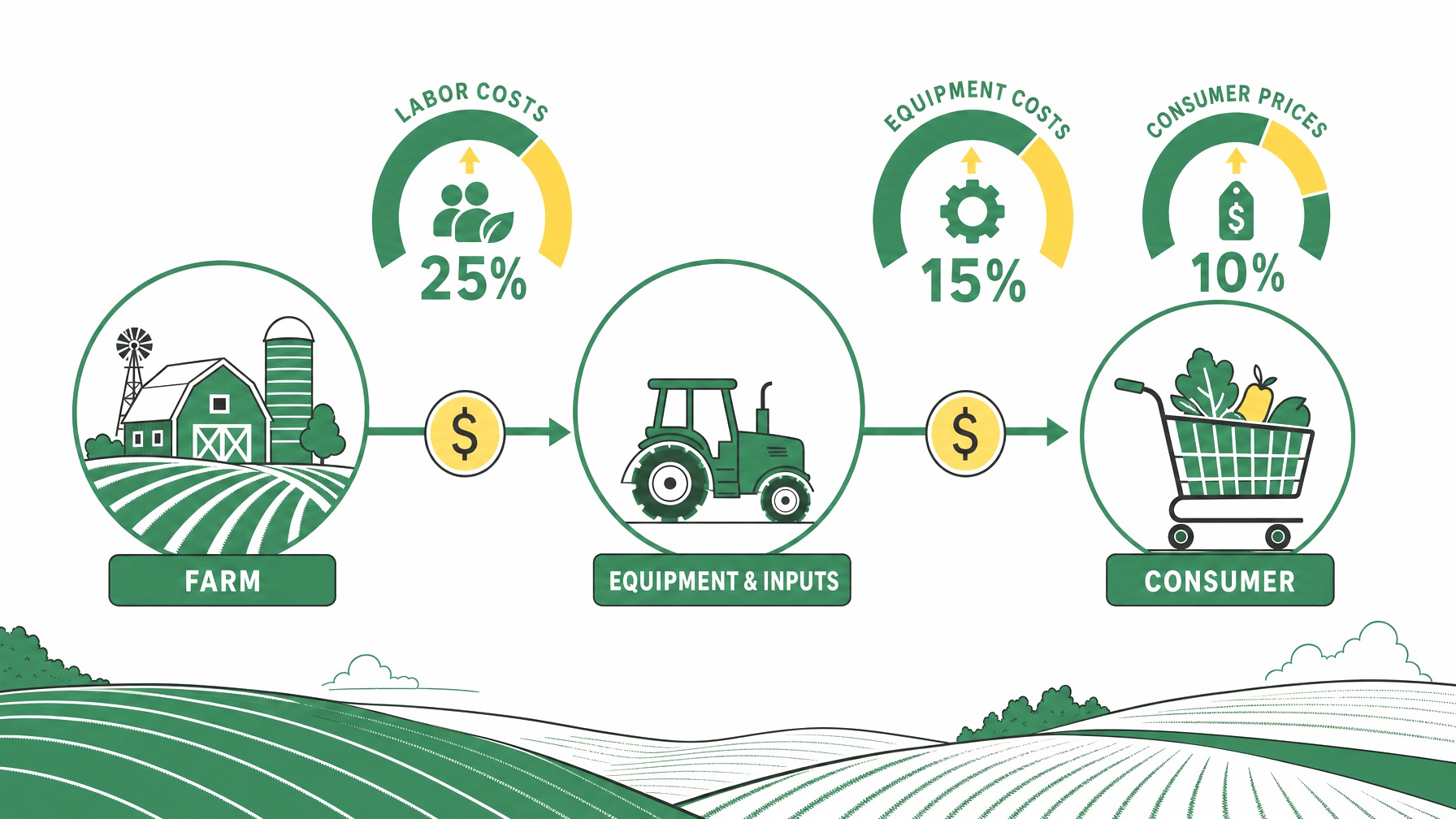
This cycle of rising costs and prices creates a feedback loop that intensifies the luxury image of produce, making it less attainable for average consumers.
Climate change has introduced an added layer of unpredictability, with extreme weather events becoming more frequent and severe.
Farmers must invest in new technologies and practices to adapt to these changes, often at significant cost.
These adaptations include drought-resistant crops and advanced irrigation systems, which require substantial upfront investment.
While these innovations can enhance resilience, they also contribute to the rising costs that ultimately impact consumers.
Retail Strategies Reflect Luxury Branding
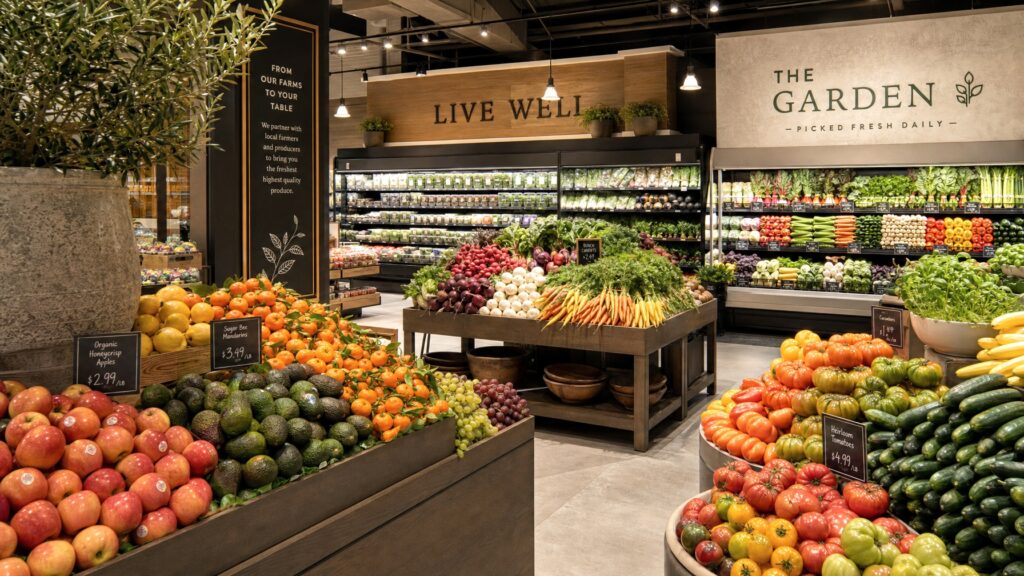
Retailers are adapting their strategies to align with the luxury perception of fresh produce, often prioritizing premium branding and packaging.
This approach caters to consumers who can afford higher-priced items, further alienating budget-conscious shoppers.
Stores are increasingly focusing on organic and specialty products, which carry higher price tags and reinforce the luxury status of fresh produce.
The result is a growing divide between consumers who can indulge in these options and those who are forced to compromise on quality due to financial constraints.
This marketing strategy not only impacts consumer choice but also influences overall market dynamics, solidifying the luxury perception of fresh produce.
Retailers employ visually appealing displays and targeted marketing campaigns to attract affluent consumers.
However, this emphasis on premium goods can marginalize essential produce that should be available to all demographics.
In some cases, retailers have even reduced shelf space for lower-priced, conventional produce in favor of higher-margin items.
Such practices raise questions about the role of retailers in perpetuating the luxury narrative and their responsibility to ensure food accessibility.
Government Policies and Their Role in Produce Pricing
Government policies play a significant role in shaping the pricing and availability of fresh produce.
Subsidies for staple crops like corn and soybeans have historically overshadowed support for fruits and vegetables.
This imbalance creates a market environment where fresh produce is less financially viable for growers.
Without equitable subsidies, producers of fruits and vegetables face higher risks and lower profit margins.
Policy shifts that prioritize fresh produce could stabilize prices and improve access.
- Revamping subsidy allocations
- Introducing tax incentives for produce growers
- Investing in agricultural infrastructure
These measures could help mitigate some of the economic pressures that contribute to the luxury perception of fresh produce.
Government intervention could also address supply chain inefficiencies that lead to price spikes and availability issues.
Investments in infrastructure such as transportation and storage facilities would enhance the resilience of produce markets.
Ultimately, balanced policy measures are essential to ensuring that fresh produce remains an accessible, affordable option for all consumers.
Technological Innovations and Their Potential to Lower Costs
Technological advancements offer a promising avenue for reducing the costs associated with fresh produce production and distribution.
Automation in farming can significantly decrease labor costs, allowing growers to maintain or even lower their prices.
Precision agriculture technologies enable farmers to optimize resource use, improving yields while reducing water and fertilizer consumption.
These technologies include drones, sensors, and GPS-guided equipment that allow for more efficient farm management.
Adopting such innovations could help mitigate some of the financial pressures growers face, potentially lowering the retail price of produce.
- Automation reduces reliance on manual labor
- Precision agriculture optimizes input use
- Drones and sensors enhance farm efficiency
The integration of technology in agriculture is not without challenges, including the initial investment and training required.
However, the long-term benefits could be substantial, making fresh produce more accessible to a wider audience.
As technology becomes more affordable and widespread, its potential to drive down costs and increase supply could reshape the market.
This shift would help reverse the current trend of fresh produce as a luxury item and make it a staple once again.
From Necessity to Indulgence: A Troubling Trend
The increasing perception of fresh produce as a luxury item is a troubling trend with significant implications for public health and dietary habits.
As prices continue to rise and supply challenges persist, access to essential nutrients through affordable produce is being compromised.
This shift from necessity to indulgence threatens to exacerbate nutritional inequalities and undermine efforts to promote healthy eating.
It is imperative for industry stakeholders to address these challenges through innovative solutions that prioritize accessibility and affordability.
Only by reasserting the fundamental value of fresh produce can we hope to reverse this luxury perception and ensure that all consumers have access to healthy, affordable options.