

Networking plays a vital role in the produce trade industry.
For professionals looking to expand their reach and deepen their connections, effective networking can drive significant business growth.
It is not just about exchanging business cards but building relationships that can lead to fruitful collaborations and partnerships.
In an industry where trust and reputation are paramount, knowing who to connect with and how can make all the difference.
From growers to retailers, every player in the produce supply chain benefits from solid networking strategies.
These relationships can help streamline operations, open up new markets, and even enhance brand visibility.
Here, we explore six effective networking strategies specifically tailored for produce trade professionals.
Whether you’re a seasoned executive or just starting, these tips will help you navigate the industry with confidence.
1. Attend Industry Trade Shows
Trade shows are a cornerstone of networking in the produce industry.
They offer a unique opportunity to meet with fellow professionals face-to-face.
These events are rich with opportunities for learning and collaboration.
At trade shows, you can discover the latest trends, technologies, and products that are shaping the industry.
This knowledge can provide a competitive edge and open doors to new business ventures.
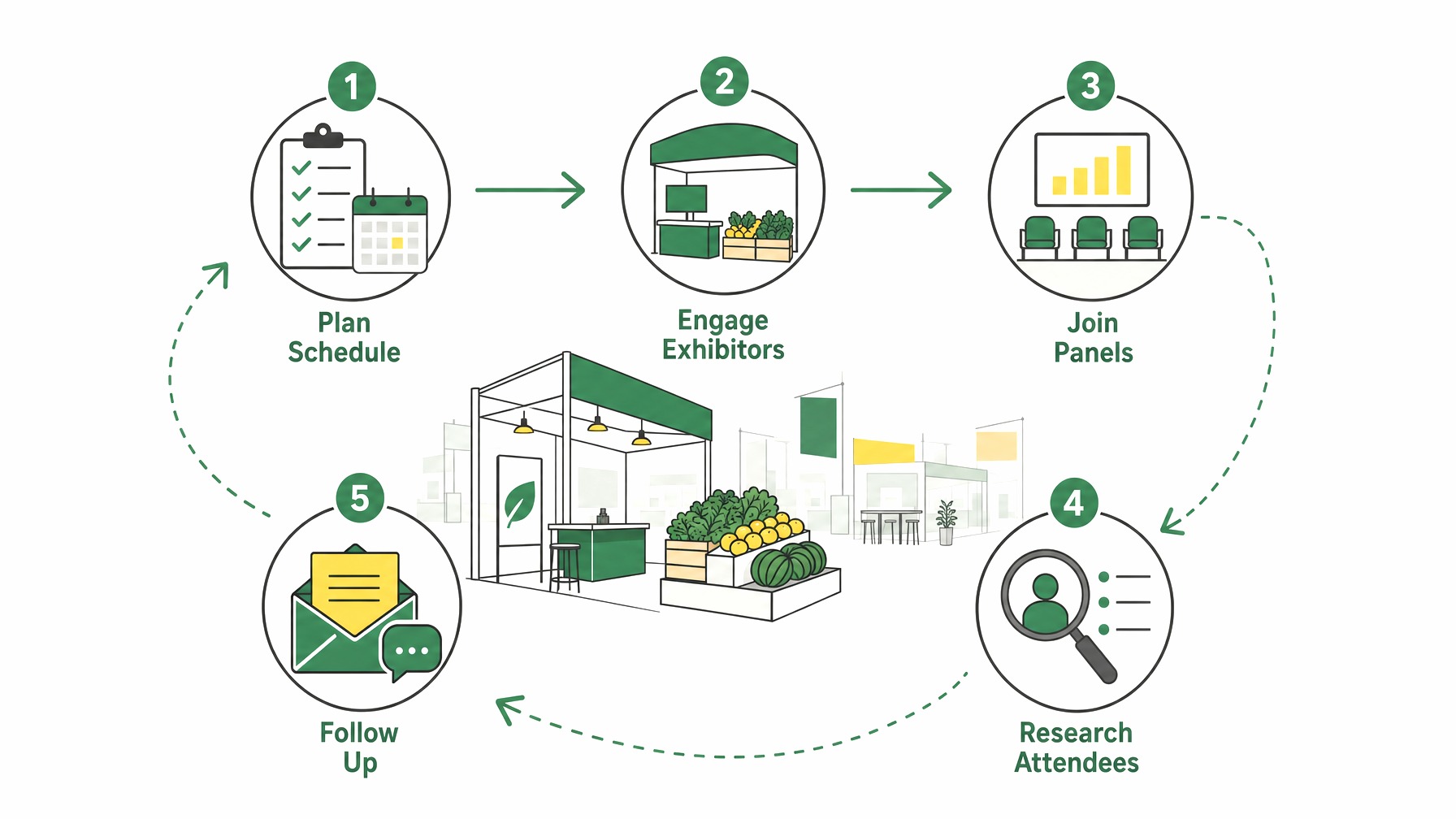
- Identify key trade shows in your sector
- Plan your schedule to maximize meetings
- Engage with exhibitors and speakers
Participating in panel discussions or workshops can further enhance your visibility.
It positions you as a thought leader in the industry, attracting more contacts.
Prepare in advance by researching attendees and exhibitors.
This allows you to target specific individuals or companies that align with your business goals.
2. Leverage Social Media Platforms
Social media is a powerful tool for networking in today’s digital age.
Platforms like LinkedIn offer a space to connect with industry leaders and peers.
By sharing industry insights and engaging with content, you can build an online presence that reflects your expertise.
This presence can lead to new connections and opportunities.
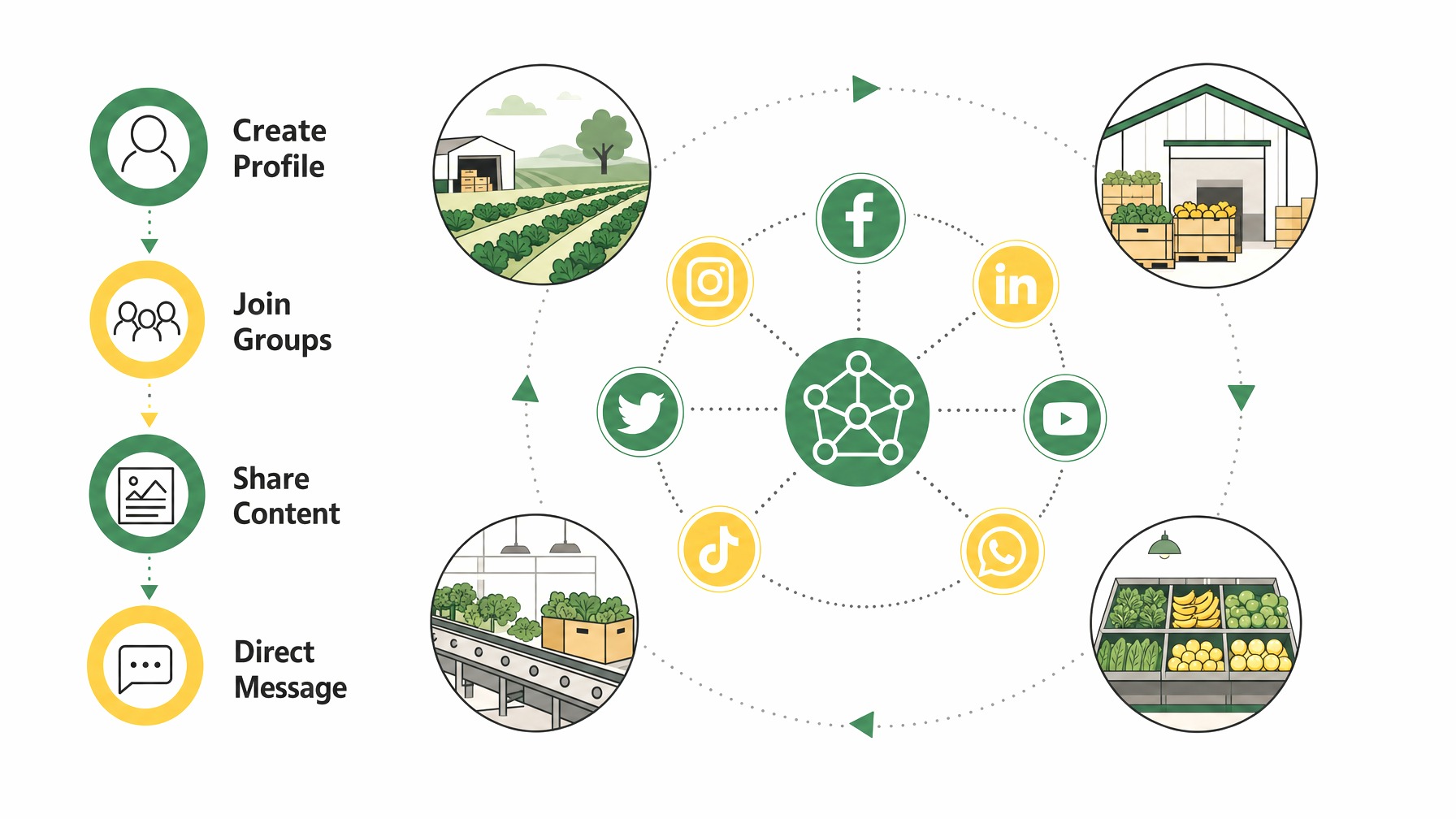
- Create a professional profile
- Join relevant groups and discussions
- Share valuable content regularly
Use social media to stay updated on industry news and trends.
This knowledge helps in making informed business decisions and sparks conversations with potential contacts.
Don’t underestimate the power of direct messaging.
Reaching out to contacts with personalized messages can foster strong relationships.
3. Participate in Industry Associations
Joining industry associations provides access to a wealth of resources and networking opportunities.
These organizations often host events, webinars, and conferences that can help you expand your network.
Membership in these associations signals your commitment to the industry and can enhance your credibility.
It’s an effective way to meet like-minded professionals and potential business partners.
- Attend association meetings
- Volunteer for committees or projects
- Utilize member directories to connect
Engaging in these associations can also provide insights into regulatory changes and industry standards, keeping you informed and prepared.
Consider taking on leadership roles within these groups.
This can further establish your reputation and broaden your influence.
4. Utilize Professional Networking Events
Professional networking events are designed to connect industry professionals in a focused setting.
These events are smaller than trade shows but offer more intimate networking opportunities.
Such events allow for meaningful interactions and discussions that can lead to partnerships or collaborations.
- Prepare an elevator pitch
- Bring business cards and materials
- Engage with participants actively
Follow up with contacts post-event to nurture the relationships.
A simple thank you email can pave the way for future interactions.
Remember, consistency is key.
Regular attendance at these events helps in maintaining existing connections and forming new ones.
5. Engage in Cross-Industry Collaborations
Cross-industry collaborations can introduce fresh perspectives and innovative ideas.
They allow produce professionals to explore new markets and technologies.
By engaging with professionals from other industries, you can gain insights that might not be immediately apparent within your own sector.
- Identify potential collaboration opportunities
- Reach out to relevant industry contacts
- Explore joint ventures or projects
Cross-industry networking can also lead to resource sharing, reducing costs and increasing efficiencies.
Be open to partnerships that can drive mutual benefits and growth.
6. Develop a Strong Personal Brand
Your personal brand is a reflection of your professional identity.
A strong brand can attract attention and foster connections in the produce industry.
Building a brand involves showcasing your expertise and values through various channels.
- Define your unique selling points
- Create consistent messaging across platforms
- Engage in public speaking or writing
Attend industry events as a speaker or panelist to further enhance your brand visibility.
This positions you as an authority in the field.
Remember that a strong personal brand is built over time.
Consistent effort and engagement are crucial to making a lasting impact.