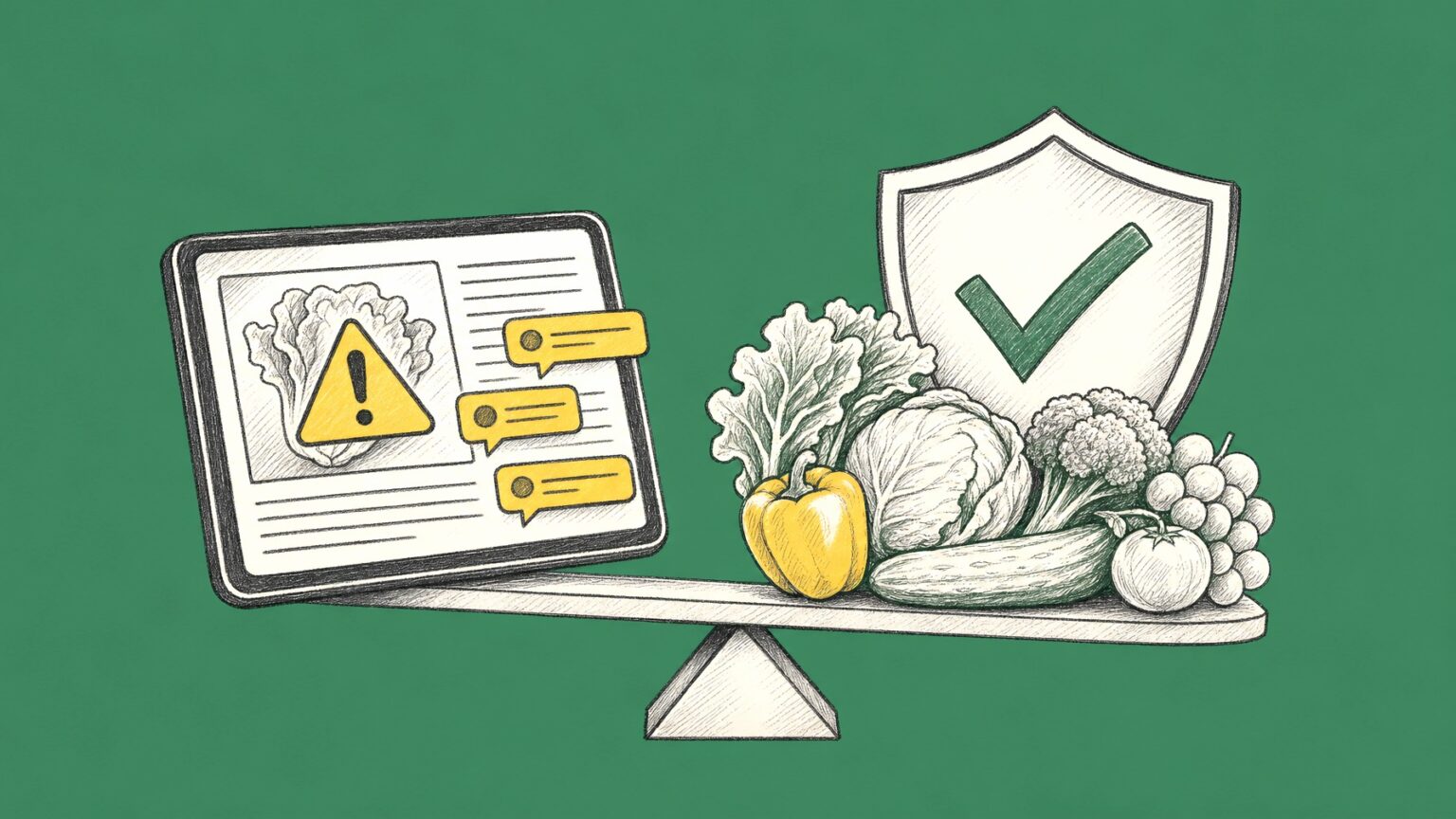
As the fresh produce industry faces evolving food safety regulations, the need for compliance has never been more pressing.
Staying ahead of these changes is critical to protect both consumers and your business reputation.
By taking proactive steps, produce executives, growers, shippers, and retailers can ensure their operations meet the latest standards.
Understanding and implementing new regulations can be a complex task.
However, with the right strategies, your organization can navigate these changes effectively.
This guide outlines six practical steps to ensure compliance with new food safety regulations, tailored specifically for the fresh produce sector.
From understanding regulatory updates to training your team and leveraging technology, these steps will provide a comprehensive approach to food safety compliance.
Let’s delve into each step in detail.
1. Stay Informed About Regulatory Updates
The first step in ensuring compliance with new food safety regulations is to stay informed about changes and updates.
Regulations can vary depending on your location and the specific produce you handle.
Therefore, maintaining awareness is crucial.
Subscribe to industry newsletters, join relevant professional organizations, and regularly check government websites for updates.
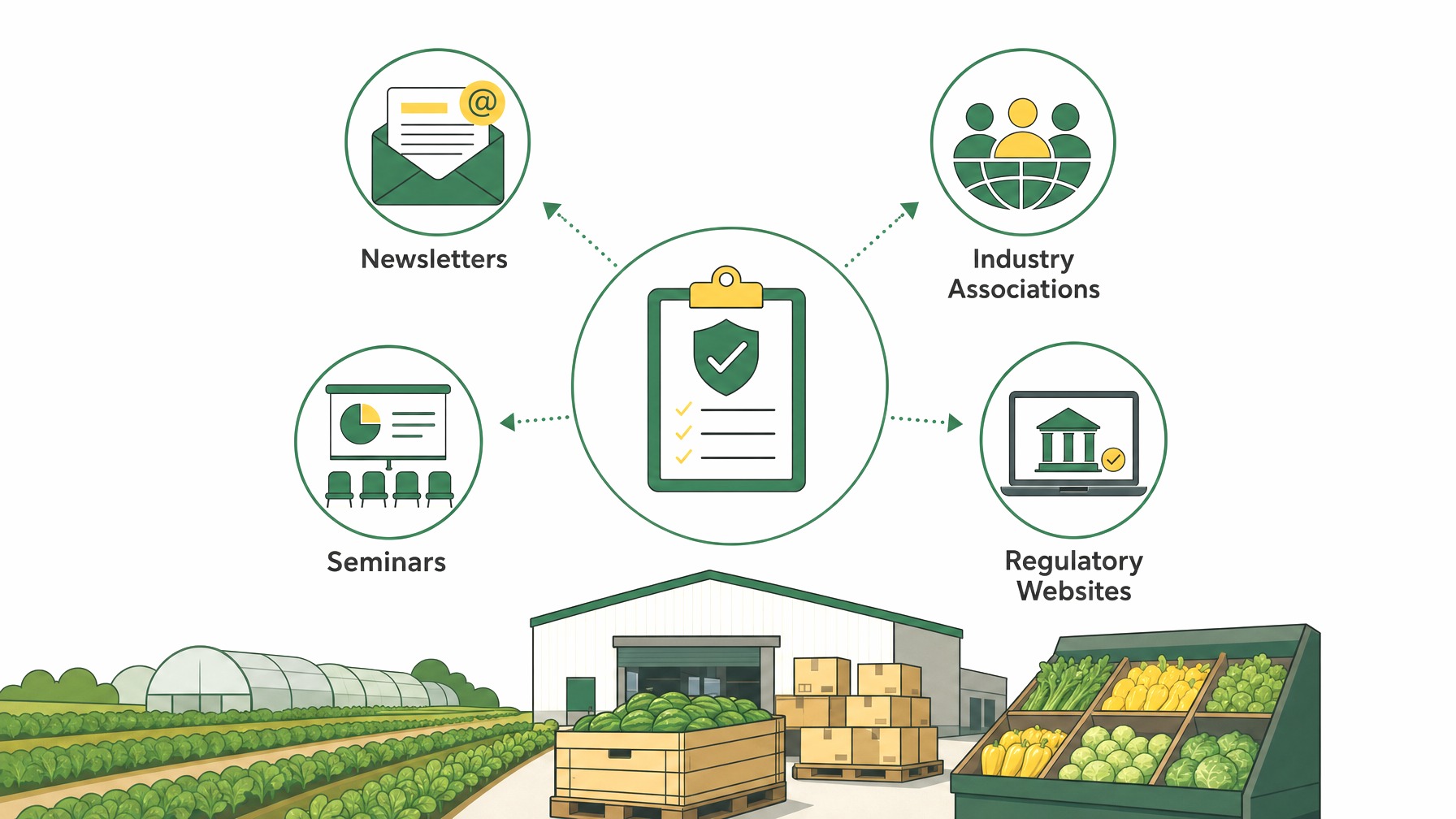
Networking with industry peers can also provide valuable insights into upcoming regulatory changes.
- Join industry associations
- Attend food safety seminars
- Follow regulatory agencies
By keeping yourself and your team informed, you can anticipate changes and adapt your operations accordingly.
This proactive approach will help you avoid costly compliance issues.
2. Conduct a Comprehensive Compliance Audit
Conducting a compliance audit is essential to identify gaps and areas for improvement in your current food safety practices.
This audit should cover all aspects of your operations, from sourcing and production to distribution and retail.
Engage a qualified food safety consultant to conduct the audit, or train an internal team to carry out this assessment.
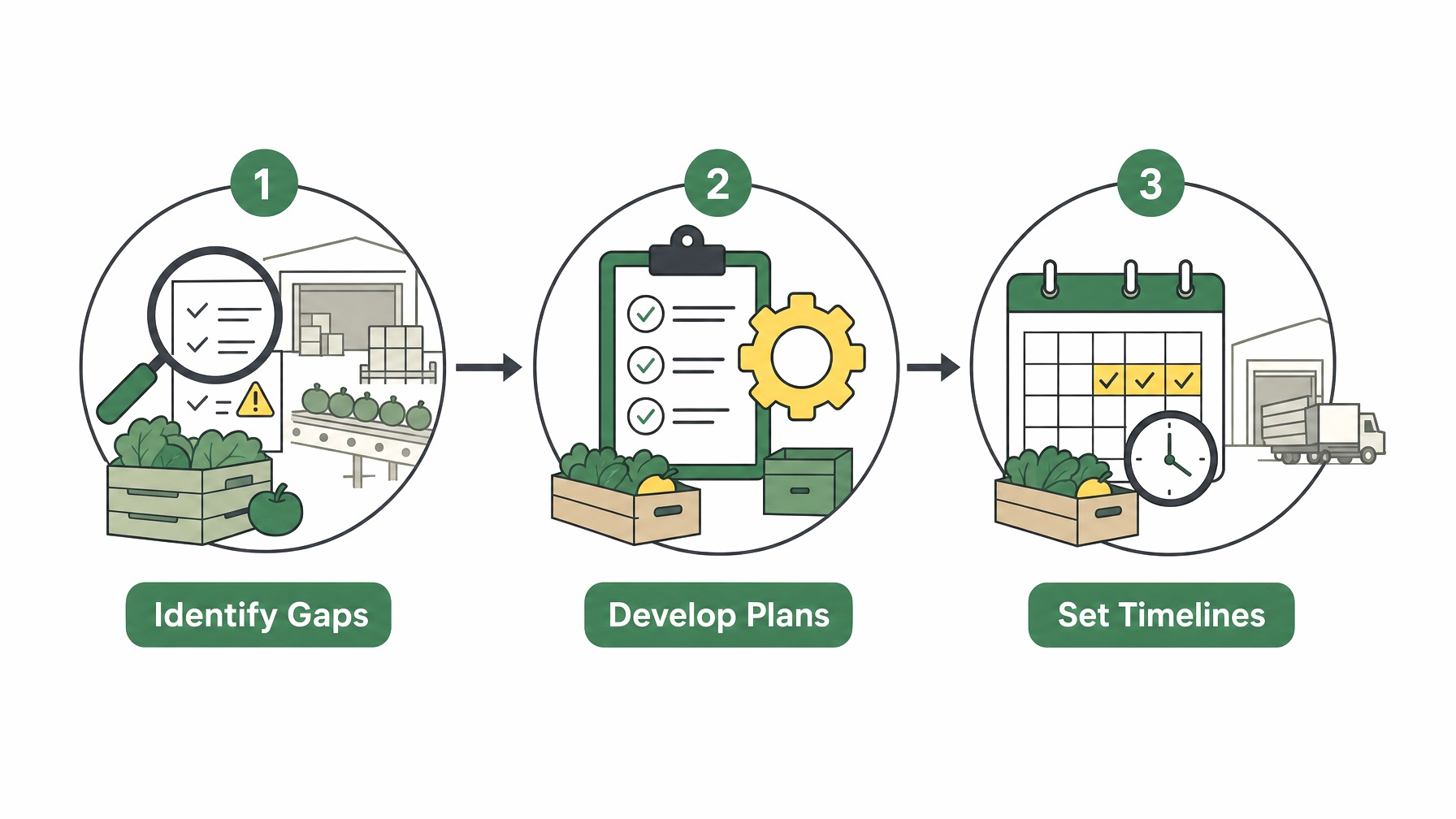
Use the audit findings to develop a tailored action plan for compliance improvement.
- Identify non-compliance areas
- Develop remediation plans
- Set timelines for improvements
Regular audits will not only ensure compliance but also demonstrate your commitment to food safety to regulators and customers.
3. Implement Robust Documentation Practices
Documentation is a cornerstone of compliance in the fresh produce industry.
Having comprehensive records of all operations related to food safety is essential.
This includes documenting cleaning schedules, staff training, and incident reports.
Ensure that all documentation is accurate, up-to-date, and easily accessible.
Electronic documentation systems can streamline this process, making it easier to update records and retrieve them during inspections.
- Use digital recordkeeping systems
- Establish clear documentation protocols
- Regularly review and update records
Effective documentation not only aids in compliance but also supports continuous improvement efforts by providing a clear picture of your operations.
4. Train Staff on New Food Safety Standards
Your staff plays a critical role in ensuring compliance with food safety regulations.
Training your team on new standards is vital for maintaining food safety throughout your operations.
Develop a comprehensive training program that covers all aspects of food safety relevant to your business.
This program should be regularly updated to reflect changes in regulations and industry best practices.
- Conduct regular training sessions
- Tailor training to specific roles
- Use a mix of training methods
Investing in staff training not only ensures compliance but also empowers your team to contribute to a culture of food safety.
5. Leverage Technology to Enhance Compliance
Technology can be a powerful tool in managing food safety compliance.
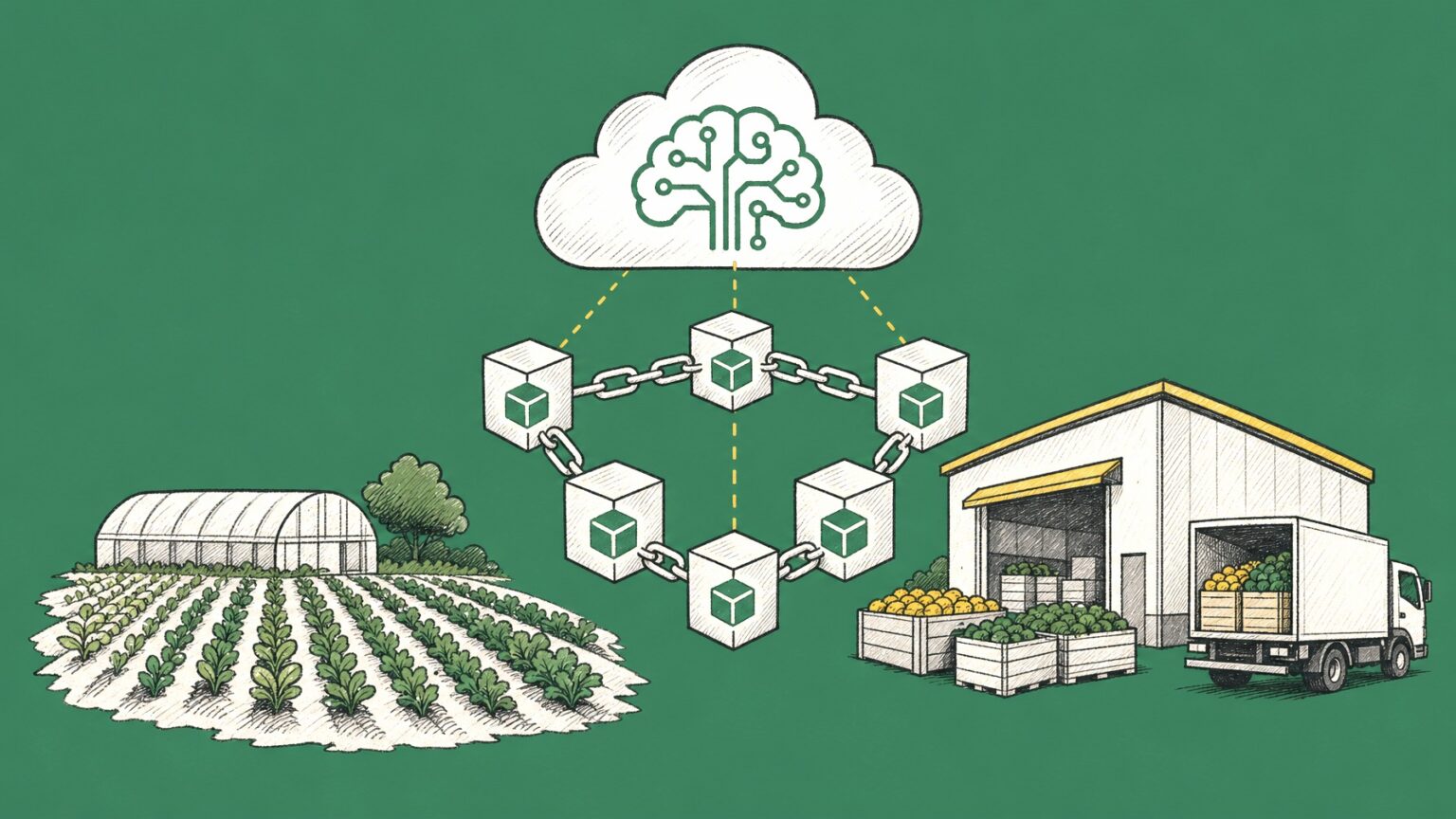
From tracking systems to automated monitoring, leveraging the right technology can simplify compliance processes.
Consider implementing software solutions that offer real-time tracking, data analytics, and reporting capabilities.
These tools can help you quickly identify compliance issues and take corrective actions.
- Adopt traceability software
- Implement automated monitoring systems
- Use data analytics for decision-making
By integrating technology into your operations, you can enhance compliance efforts and improve overall efficiency.
6. Develop a Crisis Management Plan
Despite best efforts, food safety incidents can occur.
Having a crisis management plan in place is essential for mitigating damage and ensuring a swift response.
Your plan should outline the steps to take in the event of a food safety issue, including communication protocols and recall procedures.
Regularly review and update this plan to ensure its effectiveness.
- Define roles and responsibilities
- Establish communication channels
- Conduct mock drills
A well-prepared crisis management plan can minimize the impact of food safety incidents and protect your brand’s reputation.